

 Предпросмотр
 Поделиться
 Поделиться
 Детали произведения

 Скачать
 Похожие работы
 Рентгенография
 Слайд-шоу
 Статистика
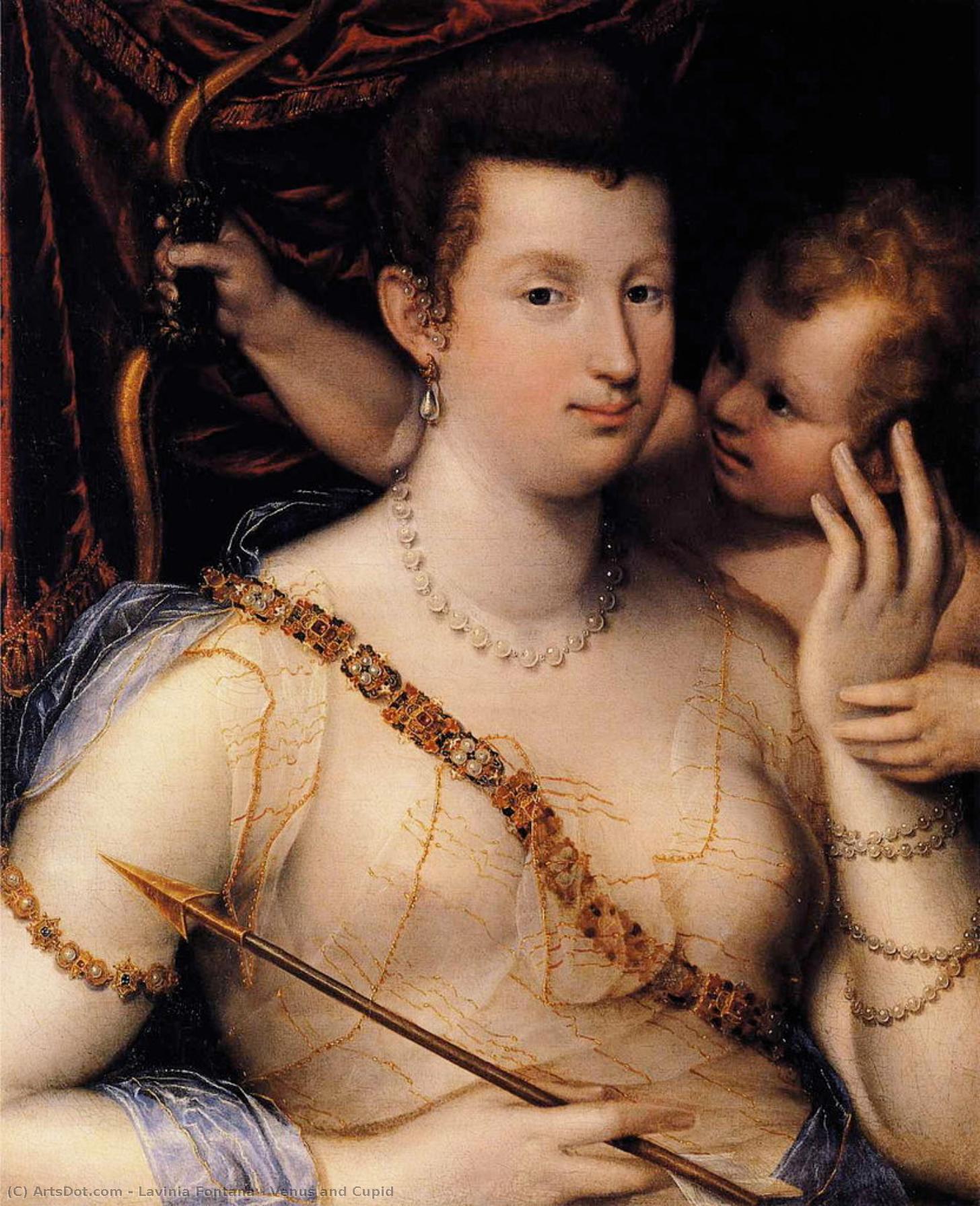
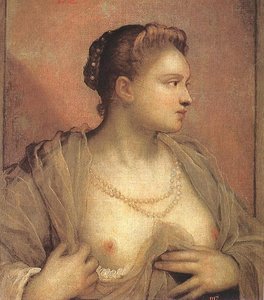
Venus and Cupid
 Oil On Canvas
- WallArt
- Baroque
 1592
1592 75.0 x 60.0 cm
 Musée des Beaux-Arts de Rouen
 Читать далее
Жикле / Арт-принт
Печать (жикле) или холст музейного качества с быстрыми сроками изготовления и широким выбором вариантов отделки. ( Купить картину ручной работы Перейти к цифровым изображениям)




P118B $10

P118H $10

P118W $10

P438Z $10

P508JH $12

P508YH $12

P805H $10

P805Z $10

P919BZ $10

P919G $10

P919XJ $10

P959ZH $10

P968JZ $12

W106C $8

W218G $10

W218JH $8

W218Y $10

W307PJ $10

W316G $10

W316PJ $8

W316Y $10

W398PJ $8

W4111J $10

W500HY $15

W500JH $15

W692G $12

W849H $8

W940BG $15

W953PJ $8




Выберите один из наших стандартных размеров, соответствующих оригинальным пропорциям произведения искусства.

Вы можете указать свои собственные размеры, чтобы репродукция идеально подошла под конкретную раму или пространство. Если выбранный вами размер не будет соответствовать пропорциям оригинала, мы либо обрежем произведение, либо дополним изображение зеркальным отражением краев или однотонной заливкой. Перед началом производства вам будет отправлен цифровой макет для утверждения.
Пожалуйста, обратите внимание, что предварительный просмотр на экране не отображает фактическую обрезку или расширение изображения. Только макет точно покажет финальную композицию.
Несмотря на возможность заказа индивидуальных размеров, мы рекомендуем выбирать размер из предопределенного списка, чтобы сохранить оригинальные пропорции.
Доставка по всему миру () за 2 недели вместо стандартных 4/5 недель. (12 Сентябрь)

Бесплатная экспресс-доставка по всему миру

Высококачественный льняной холст

Полное страхование доставки

Гарантия возмещения таможенных пошлин

Гарантия точного соответствия цветов

100-дневная политика возврата (только при обнаружении дефектов)

Гарантия возврата 100% средств

Предложение оптовых скидок
 Вариант со стеклом доступен только для размеров менее 110 см

Venus and Cupid
Жикле / Арт-принт
Размер репродукции
-


Итоговая стоимость
$ 62
Lavinia Fontana’s ‘Venus and Cupid’: A Renaissance Pioneer's Bold Vision
Lavinia Fontana (1552–1614) stands as an extraordinary figure in the annals of art history—a testament to female creativity during a period overwhelmingly dominated by male artists. Her story isn’t merely one of talent nurtured within a family steeped in artistic tradition; it's a chronicle of defiance, determination, and an unwavering ability to secure recognition in a field where societal expectations actively hindered women’s advancement. Born into Bologna’s intellectual elite, Fontana benefited from her father’s patronage—Prospero Fontana—a respected painter who recognized and fostered Lavinia’s innate artistic inclinations. This familial foundation proved crucial, granting her access to the skills and connections necessary to embark on her professional journey at a time when formal art education for women was virtually nonexistent. Early works like “Monkey Child” (1575), though now lost to time, signaled the emergence of a singular talent—a rapid grasp of artistic principles that would propel her career forward.- Subject Matter: The artwork depicts Venus and Cupid, figures central to classical mythology representing beauty and desire respectively. Lavinia Fontana skillfully captures this iconic pairing in a portrait format, elevating it beyond mere representation to convey profound emotional depth.
- Style: ‘Venus and Cupid’ exemplifies Mannerism—a stylistic movement that flourished in Italy during the late Renaissance. Characterized by elongated figures, stylized poses, and dramatic lighting, Mannerism rejected the idealized harmony of High Renaissance art, favoring instead a heightened sense of emotion and psychological complexity. Fontana's approach aligns perfectly with these aesthetic ideals.
- Technique: Lavinia Fontana employed meticulous oil painting—a technique renowned for its ability to achieve luminous colors and subtle tonal variations. Layers upon layers of pigment were applied with painstaking precision, creating textures that mimic the richness of fabric and jewelry. The artist’s masterful blending ensured smooth transitions between hues, enhancing the overall visual impact of the composition.
- Historical Context: Fontana's work emerged during a period marked by religious fervor and artistic innovation—the Counter-Reformation. Artists like Fontana sought to reaffirm Catholic dogma through art, utilizing symbolism and allegory to communicate moral lessons. Her decision to portray Venus and Cupid as a portrait was particularly significant, reflecting the societal desire for idealized beauty and demonstrating her commitment to upholding artistic standards.
- Symbolism: The inclusion of Cupid—representing love—and Venus—symbolizing feminine grace and allure—is laden with symbolic meaning. Fontana’s depiction underscores the importance of passion and beauty in human experience, inviting contemplation on themes of desire, devotion, and spiritual aspiration.
Detailed Analysis: Composition and Color Palette
Fontana's compositional choices contribute significantly to the artwork’s emotional resonance. The central figure—Venus—dominates the frame, her gaze directed outwards with an expression of serene dignity. Cupid is positioned delicately against her torso, symbolizing intimacy and nurturing care. Lines are strategically utilized to delineate the folds of Venus’s drapery and jewelry, emphasizing texture and creating a sense of depth. Furthermore, Fontana skillfully employs a warm color palette—browns, golds, reds, and creams—to evoke an atmosphere of opulent grandeur and spiritual contemplation. These hues imbue the painting with warmth and luminosity, enhancing its visual appeal and reinforcing its symbolic significance.The Legacy of Lavinia Fontana
Lavinia Fontana’s achievement as a female artist transcends mere artistic skill; it represents a courageous assertion of intellectual freedom and professional ambition in an era defined by restrictive social conventions. Her pioneering spirit paved the way for future generations of women artists, challenging preconceived notions about gender roles and demonstrating that creativity knows no boundaries. Fontana's enduring influence can be seen in her meticulous technique, her masterful portrayal of human emotion, and her unwavering dedication to upholding artistic excellence—a legacy that continues to inspire admiration and scholarship today.Похожие произведения
Биография художника
A Bolognese Trailblazer: The Life and Art of Lavinia Fontana
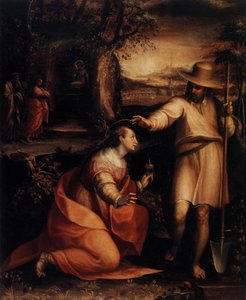
Lavinia Fontana, born in Bologna in 1552, stands as a truly remarkable figure in the history of art – a Renaissance woman who defied expectations and carved out an extraordinary career for herself as a painter. In an era when artistic pursuits were largely confined to men, Fontana not only mastered her craft but also became one of the first professional female artists, operating independently within the established art world—outside the confines of a court or convent. Her story is one of exceptional talent nurtured by a supportive family, unwavering dedication, and a remarkable ability to overcome societal barriers, ultimately leaving behind a legacy that continues to inspire. Fontana’s artistic journey began under the tutelage of her father, Prospero Fontana, a respected painter in his own right who had worked alongside renowned masters like Taddeo Zuccari and Giorgio Vasari. Bologna at this time was a vibrant center for art, brimming with influences from the School of Fontainebleau and the Carracci family. Lavinia’s early years were marked by an immersion in the artistic traditions of her city – she studied diligently, absorbing techniques and styles from the works that adorned the private collections and public spaces of Bologna. Crucially, she had access to some of the most significant paintings of the time: Raphael's *Vision of Ezekiel* and Correggio’s *Noli me tangere*, providing a direct connection to the artistic giants who shaped the Renaissance. This early exposure instilled in her a deep appreciation for classical beauty and a keen eye for detail, elements that would become hallmarks of her distinctive style.Elegance, Innovation, and the Bolognese Style
Fontana’s artistic style evolved over time, initially mirroring the traditions of her father – a blend of Mannerist elegance and refined technique. However, she quickly absorbed influences from other prominent artists, notably Denis Calvaert, whose school in Bologna was a hub of innovation during the late 16th century. This exposure led to a significant shift in her work, incorporating elements of the Carracciesque style – characterized by its dramatic compositions, vibrant colors, and a heightened sense of realism. She skillfully blended these influences with a distinctly Venetian richness—a luminous quality that added depth and luminosity to her paintings. Fontana’s portraits, in particular, became renowned for their captivating beauty and psychological insight. She possessed an exceptional ability to capture not only the physical appearance of her subjects but also their inner character, creating images that were both strikingly realistic and deeply engaging. Her portraits of noblewomen, often accompanied by their beloved lapdogs, offered a glimpse into the opulent lifestyles and social customs of 16th-century Bologna.Breaking Barriers: A Career Forged Against the Grain
Lavinia Fontana’s achievements extended far beyond her artistic skill; she was a true trailblazer, widely regarded as the first woman artist to operate independently within the established art world—outside the confines of a court or convent. This was an extraordinary feat in an era when women were largely excluded from professional life and often relegated to domestic roles. Her success wasn’t simply about talent; it was also about shrewd business acumen, strategic networking, and the unwavering support of her husband, Paolo Zappi, who served as her agent and managed their growing family—they had eleven children together. The marriage agreement itself was remarkably progressive – acknowledging Lavinia’s potential for earning income through her art and negating the need for a traditional dowry. This innovative arrangement allowed her to pursue her career with greater freedom and independence. Her rising reputation quickly attracted the attention of powerful patrons, including Pope Gregory XIII and his family, leading to commissions for portraits of prominent individuals – cardinals, dukes, and even foreign dignitaries. These prestigious commissions propelled her career to new heights, culminating in her move to Rome in 1604 where she became a sought-after portraitist at the papal court. In 1611, she received further recognition with a bronze portrait medallion cast by Felice Antonio Casoni, and was elected into the Accademia di San Luca—an honor rarely bestowed upon women artists of the time, signifying her acceptance as a respected member of the Roman artistic community.Major Works and Artistic Themes
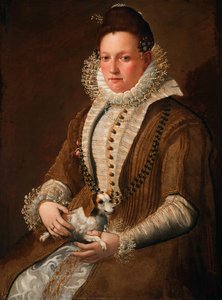
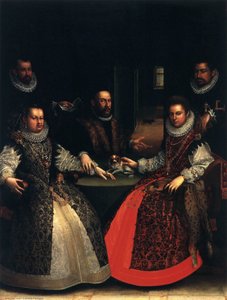
Fontana’s oeuvre encompasses a diverse range of subjects, reflecting both her technical skill and her artistic versatility. She produced numerous religious paintings – altarpieces for churches, devotional panels, and small-scale works depicting biblical scenes. Notable examples include *Martyrdom of St. Stephen* (1604), a monumental altarpiece commissioned for San Paolo Fuori le Mura in Rome—a testament to her ambition and artistic prowess; *Visit of the Queen of Sheba to Solomon* (c. 1598-1600), a complex narrative scene demonstrating her ability to manage large-scale compositions; and *Holy Family with Saints Margaret and Francis* (1578), showcasing her mastery of Renaissance iconography. Her portraits, such as *Double Marriage Portrait* (1584) and *Venus and Cupid* (1592), are particularly celebrated for their elegance, psychological depth, and meticulous attention to detail—capturing the beauty and status of their subjects with remarkable skill. Her work also includes captivating depictions of newborns, reflecting a fascination with motherhood and domestic life.A Lasting Legacy
Lavinia Fontana’s legacy extends far beyond her individual paintings; she remains an icon of female empowerment in the art world. She not only demonstrated that women could achieve artistic excellence on par with their male counterparts but also paved the way for future generations of female artists to pursue their passions without societal constraints. Her story is a powerful reminder that talent knows no gender and that perseverance can overcome even the most formidable obstacles. Fontana’s ability to balance a thriving artistic career with the demands of motherhood—raising eleven children while maintaining a rigorous painting schedule—is a testament to her resilience, dedication, and unwavering commitment to her craft. Her work continues to be studied and admired today, solidifying her place as one of the most important and influential artists of the Italian Renaissance. Lavinia Fontana’s impact extends beyond her paintings; she remains an icon of female empowerment in the art world.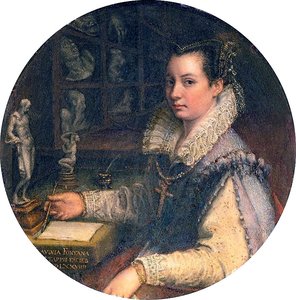
Лавния Фонтана
1552 - 1614 , Италия
Основные сведения
- Artistic Movement Or Style: Маньеризм, Барокко
- Artists Who Influenced This Artist:
- Просперо Фонтана
- Денис Кавальерто
- Date Of Birth: 24 августа 1552 г.
- Date Of Death: 11 августа 1614 г.
- Full Name: Лавния Фонтана
- Nationality: Итальянская
- Notable Artworks:
- Портрет двойного брака
- Венера и Купидон
- Новорожденный ребенок в колыбели
- Юдифь с Олоферном
- Place Of Birth: Болонья, Италия
Похожие статьи

The Visceral Stage: Exploring Dramatic Narratives & Emotional Intensity in Baroque Art
Explore the dramatic world of Baroque art! Discover iconic masters like Caravaggio & Rembrandt, their techniques, and the movement's lasting impact. Expert insights for collectors & enthusiasts at ArtsDot.

Барочная драма: Искусство величия в современном интерьере
Погрузитесь в мир роскоши и величия барокко! Узнайте об истории стиля, ключевых элементах интерьера и архитектуре. Вдохновляйтесь с и создайте свой неповторимый дизайн.

The Dramatic Flourish: Exploring the Baroque Movement's Enduring Legacy in Art History
Explore the dramatic world of Baroque art! Discover iconic artists like Caravaggio & Rubens, defining techniques, and its lasting impact on art history. Expert insights for collectors & enthusiasts at ArtsDot.

Simon Vouet: A Baroque Master's Journey from Italian Influence to French Classicism
Explore the life & art of Simon Vouet, a pivotal French Baroque painter who introduced Italian styles to France. Discover his masterpieces and lasting influence on 17th-century art.

10 Шедевров Барокко: Искусство, изменившее мир | ArtsDot.com
Погрузитесь в мир барокко! 10 шедевров Караваджо, Рембрандта и других великих художников. Узнайте историю создания культовых картин и найдите идеальную репродукцию для вашего интерьера на ArtsDot.com