

 Предпросмотр
 Поделиться
 Поделиться
 Детали произведения

 Скачать
 Похожие работы
 Рентгенография
 Слайд-шоу
 Статистика
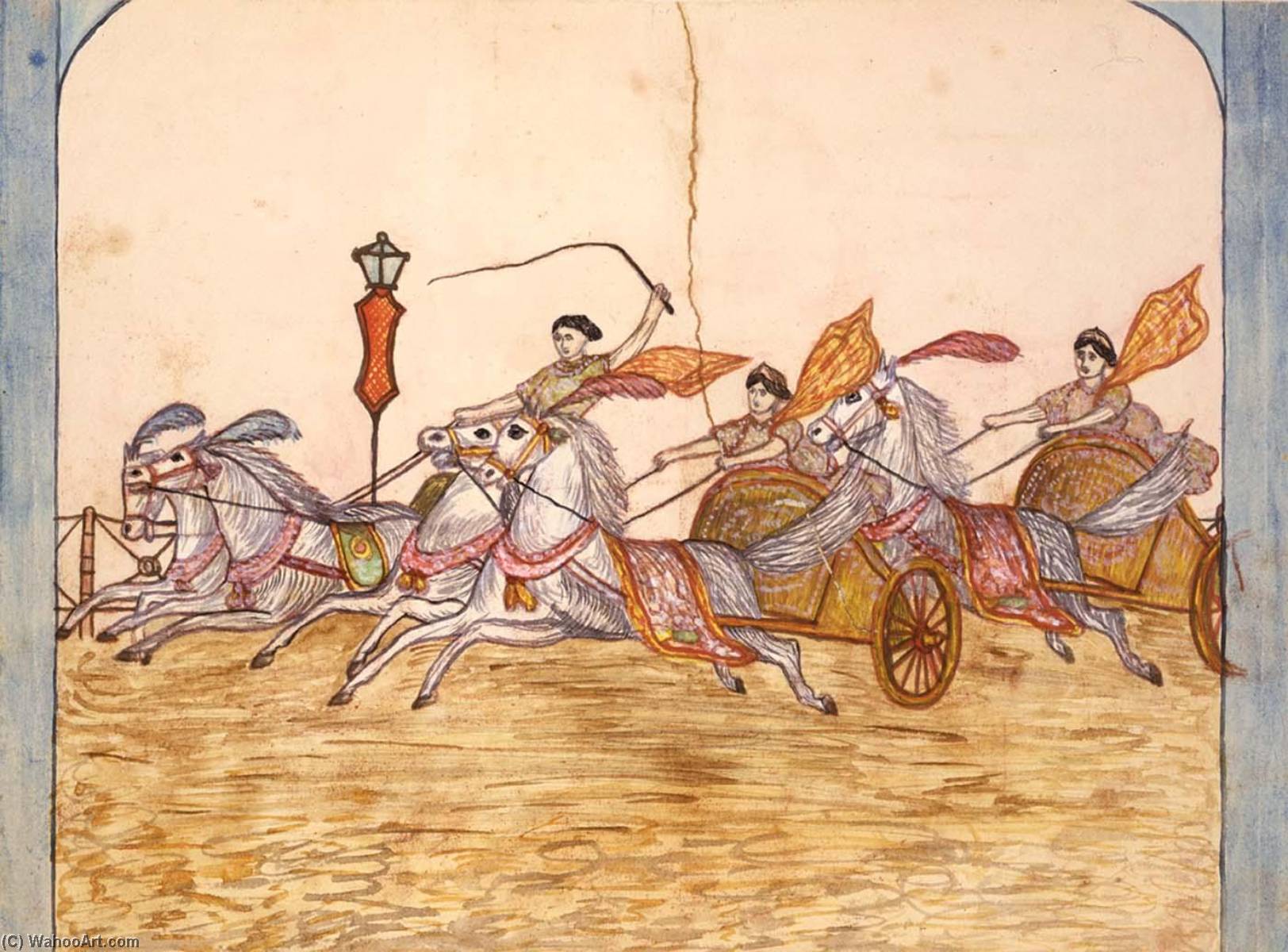
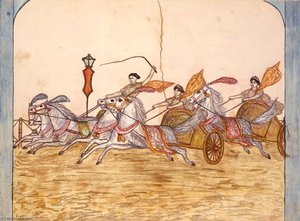
Chariots and Horses
 1880
1880 19.0 x 25.0 cm
 Читать далее
Жикле / Арт-принт
Печать (жикле) или холст музейного качества с быстрыми сроками изготовления и широким выбором вариантов отделки. ( Купить картину ручной работы Перейти к цифровым изображениям)




































Выберите один из наших стандартных размеров, соответствующих оригинальным пропорциям произведения искусства.

Вы можете указать свои собственные размеры, чтобы репродукция идеально подошла под конкретную раму или пространство. Если выбранный вами размер не будет соответствовать пропорциям оригинала, мы либо обрежем произведение, либо дополним изображение зеркальным отражением краев или однотонной заливкой. Перед началом производства вам будет отправлен цифровой макет для утверждения.
Пожалуйста, обратите внимание, что предварительный просмотр на экране не отображает фактическую обрезку или расширение изображения. Только макет точно покажет финальную композицию.
Несмотря на возможность заказа индивидуальных размеров, мы рекомендуем выбирать размер из предопределенного списка, чтобы сохранить оригинальные пропорции.
Доставка по всему миру () за 2 недели вместо стандартных 4/5 недель. (11 Сентябрь)

Бесплатная экспресс-доставка по всему миру

Высококачественный льняной холст

Полное страхование доставки

Гарантия возмещения таможенных пошлин

Гарантия точного соответствия цветов

100-дневная политика возврата (только при обнаружении дефектов)

Гарантия возврата 100% средств

Предложение оптовых скидок
 Вариант со стеклом доступен только для размеров менее 110 см

Chariots and Horses
Жикле / Арт-принт
Размер репродукции
-


Итоговая стоимость
$ 62
Artistic Style and Technique
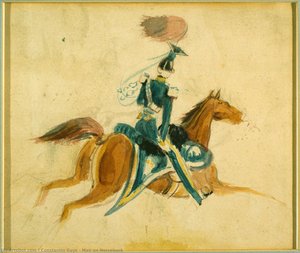
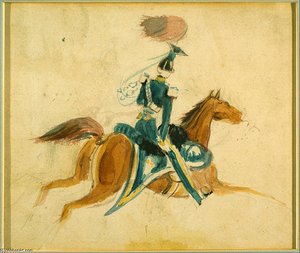
Ladd's use of watercolor in Chariots and Horses demonstrates his mastery of the medium. The painting features five horses, each pulling a chariot, with six people riding or holding flags. The scene is set against a backdrop of a dirt road or field, adding to the sense of movement and activity. Ladd's technique involves bold brushstrokes and vivid colors, which create a sense of tension and drama in the painting.Artist Background
Lawrence W Ladd was an American artist active during the 19th century. His work is characterized by its attention to detail and ability to capture the essence of his subjects. Ladd is known for his watercolor paintings, which often feature landscapes, buildings, and scenes of everyday life. Some of his notable works include Church Interior and Rock of Gibraltar, both of which are available as handmade oil painting reproductions on ArtsDot.com.- Handmade oil painting reproductions of Ladd's works, including Chariots and Horses, can be found on ArtsDot.com.
- The Smithsonian American Art Museum is home to an extensive collection of American art, including works by Lawrence W Ladd.
- For more information on Ladd's life and work, visit Wikipedia.
With its rich history and cultural significance, Chariots and Horses is a must-see for art enthusiasts and historians alike. Whether you're interested in 19th-century American art or simply appreciate the beauty of watercolor paintings, this piece is sure to captivate and inspire.
Похожие произведения

Биография художника
Lawrence W. Ladd: A Painter of American Grit
Lawrence W. Ladd (1865-1895), an artist born in Utica, New York, stands as a compelling figure within the late 19th-century American art scene. Often categorized as a “Utica Master,” his work transcends simple regionalism, offering a potent blend of Western themes, dynamic movement, and a surprisingly nuanced understanding of human psychology. Ladd’s career, though tragically short, produced a body of paintings that continue to resonate with their raw energy and evocative storytelling – particularly in his depictions of equestrian subjects and scenes of American life.
Ladd's early life remains somewhat shrouded in mystery, but it’s understood he received limited formal artistic training. He began his career as a mechanic before dedicating himself fully to painting around 1880. His style evolved rapidly, initially influenced by the Tonalist movement—a trend emphasizing atmospheric effects and subdued colors—but quickly developed into something far more assertive. He was deeply impacted by the American West, not just in terms of landscape but also through its people – cowboys, Native Americans, and frontiersmen – all rendered with a remarkable sense of immediacy and action. This fascination is powerfully evident in his most celebrated works, such as “The Creation,” currently housed at the Smithsonian American Art Museum, which depicts a biblical scene brimming with energy and dramatic composition.
Themes of Movement and Narrative
A defining characteristic of Ladd’s art is its dynamic sense of movement. Unlike many artists of his time who favored static compositions, Ladd captured fleeting moments – a charging horse, a daring acrobat, a tense confrontation—with remarkable skill. He employed loose brushwork and vibrant color to convey the feeling of speed and momentum, creating paintings that seem almost alive. This emphasis on motion is not merely decorative; it’s deeply intertwined with his narrative approach.
Ladd's paintings are rarely straightforward depictions of events. Instead, they often hint at underlying stories, inviting viewers to interpret the scene and imagine the characters’ motivations and emotions. “The Creation,” for example, isn’t simply a representation of God’s act of creation; it’s a visual metaphor for human ambition, struggle, and the relentless pursuit of progress. His scenes frequently incorporate elements of folklore and mythology, adding layers of symbolic meaning to his work.
Technique and Influences
Ladd's technique was characterized by a bold use of color and an expressive brushstroke. He favored bright, saturated hues—particularly reds, yellows, and blues—to create a sense of drama and vitality. His compositions were often asymmetrical, further contributing to the feeling of movement and dynamism. While his style is distinctly American, it’s also evident that Ladd was influenced by European artists such as Sir Lawrence Alma-Tadema, whose depictions of Victorian interiors and classical antiquity demonstrated a mastery of light and color. However, Ladd adapted these influences to create a uniquely American vision.
Interestingly, Ladd's work reflects the broader cultural currents of his time—the rise of industrialization, westward expansion, and increasing social tensions. His paintings capture both the excitement and the anxieties of this rapidly changing era. He was also influenced by the burgeoning interest in the Old West, fueled by dime novels and frontier legends.
Legacy and Historical Significance
Despite his relatively short career, Lawrence W. Ladd left a significant mark on American art. His paintings are now recognized as important examples of late 19th-century Western art, showcasing a distinctive blend of dynamism, narrative complexity, and emotional intensity. His work is particularly valued for its ability to capture the spirit of the American frontier—its rugged beauty, its inherent contradictions, and its enduring appeal.
Today, Ladd’s paintings are exhibited in museums across the United States, including the Smithsonian American Art Museum, where “The Creation” resides. His legacy continues to inspire artists and art enthusiasts alike, reminding us of the power of painting to capture a moment in time and tell a compelling story.
Основные сведения
- Artistic Movement Or Style: Western Americana
- Artists Or Movements Influenced By This Artist: ['George Elbert Burr']
- Artists Who Influenced This Artist: ['Sir Thomas Lawrence']
- Full Name: Lawrence W. Ladd
- Nationality: American
- Notable Artworks:
- The Creation
- Declaration of Independence
- Place Of Birth: Utica, New York, USA