

 Предпросмотр
 Поделиться
 Поделиться
 Детали произведения

 Скачать
 Похожие работы
 Рентгенография
 Слайд-шоу
 Статистика
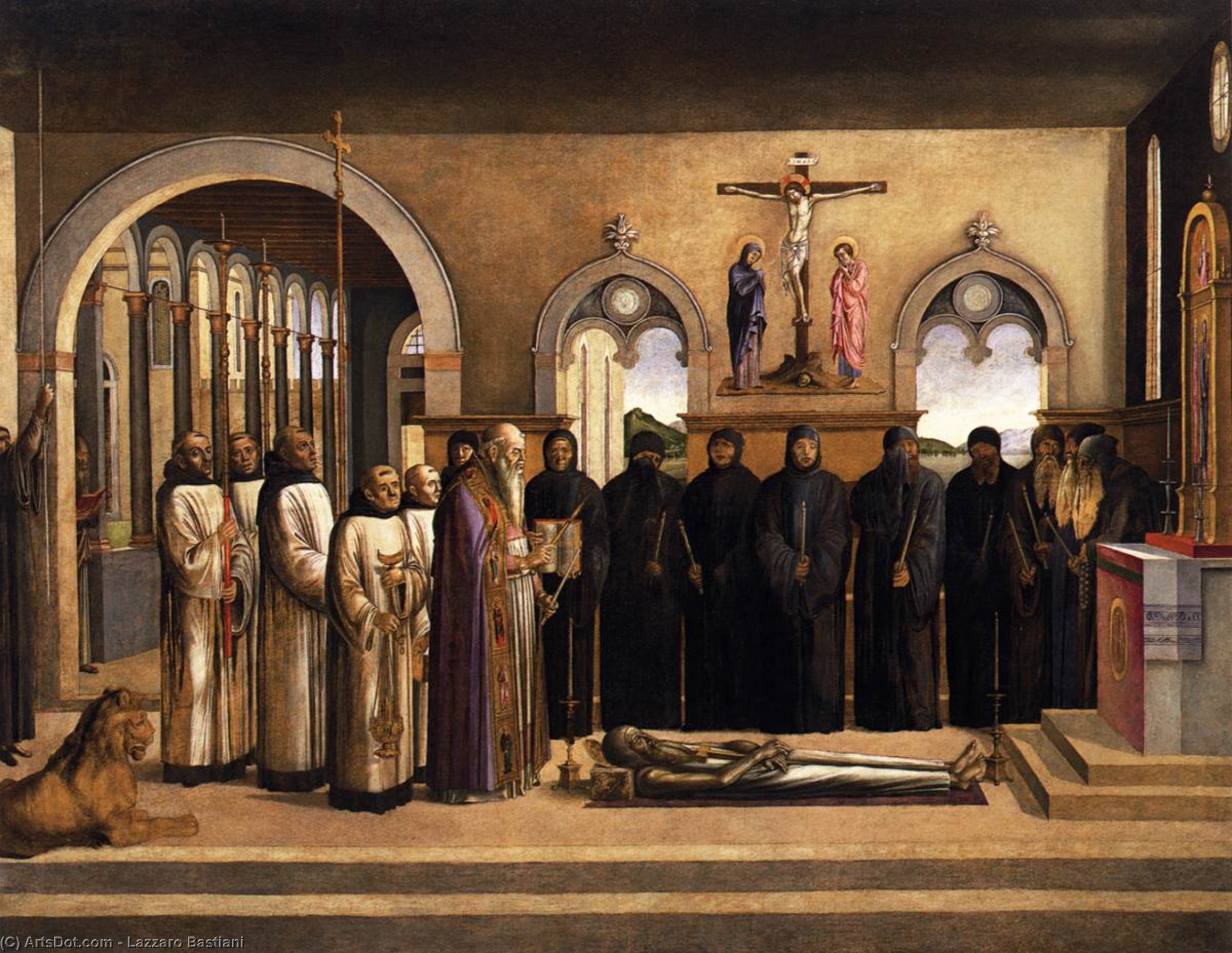
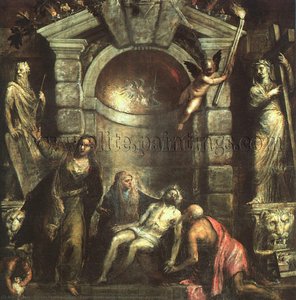
Funeral of St Jerome
 Oil On Canvas
- WallArt
- Venetian Renaissance
 1470
1470- Renaissance
 209.0 x 263.0 cm
 Галереи Академии
 Читать далее
Приобретите цифровое изображение высокого разрешения в улучшенном качестве, которое значительно превосходит онлайн-превью.
Каждый файл тщательно подготавливается нашими специалистами с использованием передовых инструментов и экспертной ручной ретуши. Мы гарантируем исключительную четкость, точную цветопередачу и детальную проработку каждого изображения.
Финальный файл доставляется по электронной почте в течение 72 часов и оптимизирован для немедленного использования в профессиональной среде, при верстке и печати. Это тот же уровень качества, которому доверяют ведущие дизайнерские студии, издательства и галереи.
Цифровое изображение
Скачайте файл высокого разрешения для личного использования, печати и творческих проектов. ( Перейти к печати Купить картину ручной работы)
Включено в каждый заказ цифровых изображений
Гарантия экспертной цифровой доставки
Выбирая ArtsDot.com, вы получаете не просто изображение — вы приобретаете профессионально обработанное цифровое произведение искусства, созданное с безупречной точностью и под защитой гарантии качества. Вот всё, что автоматически входит в ваш заказ:

Мгновенная доставка по e-mail
Ваш цифровой файл в высоком разрешении будет отправлен вам по электронной почте в течение 72 часов после оформления заказа — и сразу станет доступен для использования.

Цифровой файл с ИИ-улучшением
Ваше произведение искусства проходит профессиональную оптимизацию с использованием передовых инструментов ИИ и ручной обработки, что гарантирует максимальную детализацию, четкость и точность цветопередачи.

Бессрочная бесплатная повторная доставка
Случайно удалили или потеряли файл? Не беспокойтесь — мы отправим его вам повторно в любое время и совершенно бесплатно.

Без импортных пошлин — навсегда
Наслаждайтесь вашим произведением искусства мгновенно без таможенных пошлин, сборов или затрат на доставку — цифровые загрузки всегда не облагаются налогом.

Гарантия точности цветопередачи
Мы гарантируем, что ваше цифровое изображение максимально точно передает оригинальные цвета благодаря использованию профессиональных инструментов и систем управления цветом.

Гарантия удовлетворенности 100 дней
Если вы не будете удовлетворены своим цифровым изображением, мы внесем правки или вернем 100% стоимости в течение 100 дней — без лишних вопросов.

100% Гарантия возврата средств
Не удовлетворены покупкой? Получите полный возврат средств в течение 100 дней после получения цифрового файла — без лишних вопросов.

Скидки на оптовые заказы
Купите 3 изображения, сэкономьте 10% — Купите 5, сэкономьте 15% — Купите 10+, сэкономьте 20%. Отличное решение для творческих проектов, галерей и агентств.
A Solemn Procession: The Drama of St Jerome's Funeral
To stand before this depiction of the Funeral of St Jerome is to be enveloped in an atmosphere of profound, hushed reverence. Lazzaro Bastiani masterfully captures a moment suspended between earthly sorrow and divine promise. The scene unfolds as a somber procession, its weight palpable in the dark drapery of the mourners who gather around the central focus: the cross bearing the figure of Jesus Christ. This is not merely a depiction of mourning; it is a monumental meditation on sacrifice, redemption, and the enduring nature of faith that has echoed through centuries of art.
Venetian Renaissance Mastery in Pigment
Painted around 1470 by Lazzaro Bastiani, this work stands as a testament to the vibrant yet deeply spiritual currents flowing through the Venetian Renaissance. While Bastiani’s career saw him influenced by masters like Andrea Mantegna, his hand here exhibits a unique ability to balance dramatic narrative with meticulous detail. Observe the handling of the figures; the somber black garments worn by the monks and nuns are rendered with a depth that suggests texture and gravity. The composition guides the eye inexorably toward the cross, while peripheral details—such as the visible clock face on the right—anchor the eternal drama within a specific, measurable time, suggesting that even in eternity, moments pass.
Symbolism Woven into Shadow and Light
The symbolism inherent in this piece is rich and multi-layered. The funeral itself speaks to the cycle of life and death, yet the presence of Christ elevates it beyond mere grief. The gathering figures represent humanity confronting its deepest sorrows while simultaneously being drawn toward spiritual solace. The contrast between the dark mourning attire and the implied light emanating from the divine figure on the cross creates a powerful visual dialectic—the struggle between shadow and grace. For the collector or designer, this piece offers not just decoration, but a profound focal point for contemplation within any space.
An Emotional Resonance for Modern Spaces
The emotional impact of this painting is immediate and deeply moving. It invites quiet reflection, encouraging the viewer to pause their modern haste and consider themes of mortality and enduring belief. Reproducing such an artwork allows one to bring a piece of historical gravitas into contemporary living or design. Whether placed in a library corner meant for deep thought, or within a formal hall requiring an air of timeless dignity, this Funeral of St Jerome serves as a powerful anchor—a visual sermon rendered in oil paint.
Похожие произведения






Биография художника
Lazzaro Bastiani: Venetian Renaissance Painter
Lazzaro Bastiani (1429 – 5 April 1512) stands as a significant, albeit somewhat enigmatic, figure within the Venetian artistic landscape of the fifteenth and sixteenth centuries. Born in Padua, he emerged as a painter during a period marked by burgeoning humanist ideals and unparalleled artistic innovation—a time when Venice reigned supreme as a commercial powerhouse and cultural epicenter. While his output wasn’t as prolific or celebrated as contemporaries like Titian or Bellini, Bastiani nonetheless contributed substantially to the stylistic evolution of Venetian painting, particularly within the Scuola Grande di San Marco and its associated workshops.Early Career & Patronage
Bastiani's artistic journey began in Padua, where he honed his skills under the tutelage of Andrea Mantegna—a master whose influence is palpable in Bastiani’s early works. Records indicate that he swiftly established himself as a painter in Venice by 1460, securing commissions for altarpieces commissioned by the Procurators of San Marco, demonstrating an immediate grasp of the prevailing artistic tastes and expectations of the Venetian elite. Notably, his payment rate mirrored that of Giovanni Bellini at the time, signifying his recognition as a rising talent within the influential Bellini workshop—a connection that undoubtedly shaped his stylistic development. This association with Bellini wasn’t merely professional; it fostered intellectual exchange and cemented Bastiani's position within Venice’s artistic milieu. He quickly gained renown for his ability to capture the solemn beauty of religious subjects, reflecting the humanist preoccupation with moral contemplation and spiritual transcendence—a characteristic that distinguishes Venetian painting from its northern counterparts during this formative period.The Scuola Grande & Collaborative Spirit
Bastiani’s involvement with the Scuola Grande di San Marco proved pivotal to his career. From the 1480s onwards, he collaborated closely with Gentile Bellini, engaging in ambitious projects aimed at glorifying Venetian civic pride and commemorating important religious events. Their partnership exemplifies the collaborative spirit characteristic of Venetian painting during this era—a tradition where artists honed their craft through shared experimentation and mutual inspiration. The Scuola Grande’s patronage provided Bastiani with invaluable opportunities to develop his technique and explore complex compositional strategies, as evidenced by monumental paintings like ‘The Coronation of the Virgin,’ a masterpiece showcasing meticulous detail and expressive color palettes. This collaboration fostered not only artistic innovation but also intellectual discourse—a testament to the humanist ethos that permeated Venetian society during the Renaissance.Notable Paintings & Artistic Style
Bastiani's oeuvre comprises several noteworthy works that illuminate his artistic vision. Among these are ‘St Jerome on the Nut Tree,’ a poignant depiction capturing the saint’s contemplative solitude amidst nature—a motif frequently employed by Venetian artists to convey spiritual contemplation. Furthermore, he produced striking depictions of biblical narratives, including ‘The Nativity,’ demonstrating an adeptness at conveying emotion and narrative depth through carefully crafted imagery. His collaboration with Vittore Carpaccio on commissions for the Fondaco dei Tedeschi further solidified his reputation as a skilled painter capable of adapting to diverse stylistic demands. Bastiani’s style is characterized by a restrained palette, meticulous attention to detail, and a subtle use of impasto—techniques that imbue his paintings with textural richness and visual dynamism. He skillfully blended influences from Florentine Renaissance art with Venetian traditions, resulting in an aesthetically sophisticated oeuvre that reflects the broader artistic currents of its time. His compositions often prioritize clarity and balance, reflecting the humanist desire for rational order and harmonious proportion—a stylistic hallmark of Venetian painting during the High Renaissance.Legacy & Historical Significance
Though Bastiani’s name may not resonate as loudly as some of Venice's artistic giants, his contribution to Venetian painting—particularly within the Scuola Grande—cannot be overstated. He represents a crucial link between Mantegna and Bellini, embodying the stylistic continuity that defined Venetian art during the High Renaissance. His paintings serve as valuable documents for understanding the visual culture of fifteenth-century Venice and offer insights into the artistic debates surrounding humanist ideals and religious iconography. Lazzaro Bastiani’s legacy resides not merely in his individual artworks but also in his role as a participant in Venice's vibrant artistic community—a testament to the enduring power of collaboration and innovation within the Renaissance spirit. He stands as an emblem of Venetian artistic excellence, demonstrating that profound beauty can emerge from understated elegance and meticulous craftsmanship.
Ларцаро Бастиани
1429 - 1512 , Италия
Основные сведения
- Artistic Movement Or Style: Ренессанс
- Artists Or Movements Influenced By This Artist: ['Джованни Беллини']
- Artists Who Influenced This Artist: ['Андреа Мантенга']
- Date Of Birth: Padua, Италия
- Date Of Death: 1512
- Full Name: Lazzaro Bastiani
- Nationality: Итальянский
- Notable Artworks:
- Святой Иероним
- Мадонна с фиалком
- Place Of Birth: Венеция