 Предпросмотр
 Поделиться
 Поделиться
 Детали произведения

 Скачать
 Похожие работы
 Рентгенография
 Слайд-шоу
 Статистика
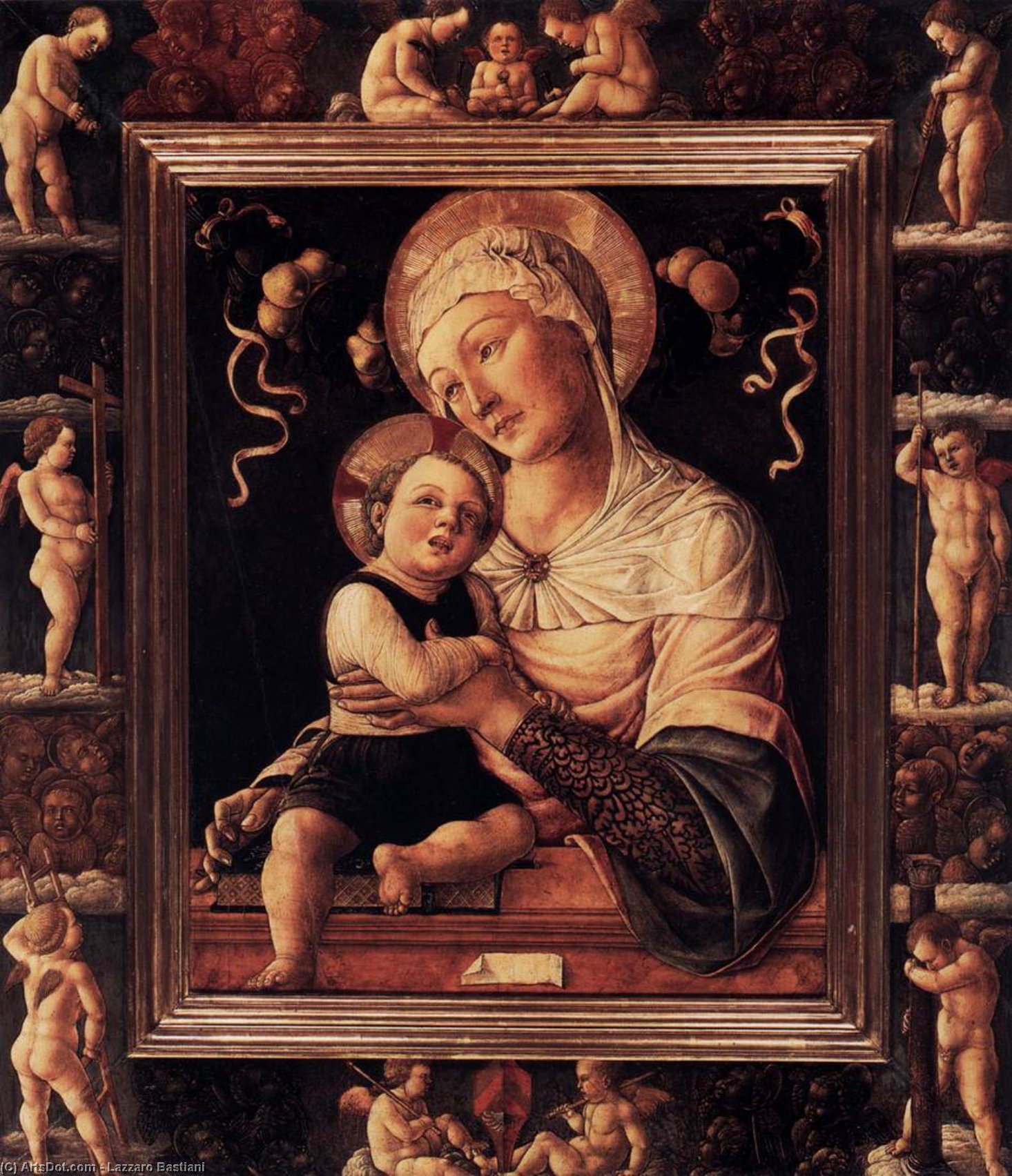
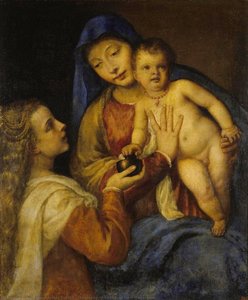
Madonna and Child in Painted Frame
 Oil On Canvas
- WallArt
- Early Renaissance
 79.0 x 67.0 cm
 Стейтлешские музеи Берлина
 Читать далее
Масляная репродукция ручной работы
Картина маслом на холсте в выбранном вами размере и раме, написанная на заказ нашими художниками. ( Перейти к печати Перейти к цифровым изображениям)




P118B $10

P118H $10

P118W $10

P438Z $10

P508JH $12

P508YH $12

P805H $10

P805Z $10

P919BZ $10

P919G $10

P919XJ $10

P959ZH $10

P968JZ $12

W106C $8

W218G $10

W218JH $8

W218Y $10

W307PJ $10

W316G $10

W316PJ $8

W316Y $10

W398PJ $8

W4111J $10

W500HY $15

W500JH $15

W692G $12

W849H $8

W940BG $15

W953PJ $8




Выберите один из наших стандартных размеров, соответствующих оригинальным пропорциям произведения искусства.

Вы можете указать собственные размеры, чтобы картина идеально вписалась в выбранную раму или пространство. Если выбранный вами размер не соответствует пропорциям оригинала, мы либо обрежем полотно, либо расширим его за счет дополнительных элементов, написанных вручную. Цифровой макет будет отправлен вам на утверждение перед началом производства.
Обратите внимание, что предварительный просмотр на экране не отражает фактическую обрезку или расширение. Только макет точно покажет окончательную композицию.
Хотя доступны индивидуальные размеры, мы рекомендуем выбирать вариант из предопределенного списка, чтобы сохранить исходные пропорции.
После оформления заказа команда ArtsDot.com свяжется с клиентом по электронной почте для уточнения деталей и предоставит предварительный макет
Доставка по всему миру () за 3–4 недели вместо стандартных 5 недель. (10 Сентябрь). Без компромиссов в качестве.

Бесплатная экспресс-доставка по всему миру

Высококачественный льняной холст

Полное страхование доставки

Гарантия возмещения таможенных пошлин

Гарантия точного соответствия цветов

100-дневная политика возврата (только при обнаружении дефектов)

Гарантия возврата 100% средств

Предложение оптовых скидок
 Вариант со стеклом доступен только для размеров менее 110 см

Madonna and Child in Painted Frame
Техника репродукции
Размер репродукции
-


Итоговая стоимость
$ 288
A Vision of Devotion: The Madonna and Child in Painted Frame
Lazzaro Bastiani’s “Madonna and Child in Painted Frame,” a captivating oil painting from the early 16th century, transcends mere religious iconography to become a profound meditation on motherhood, grace, and the enduring power of faith. Born in Padua and trained under the influential Maestro Andrea Mantegna, Bastiani quickly established himself as a key figure within the vibrant artistic landscape of Venice – a city renowned for its patronage of the arts during the High Renaissance. This particular work, now housed in a private collection, offers a rare glimpse into the meticulous craftsmanship and deeply felt spirituality characteristic of Venetian painting at this pivotal moment.
The scene itself is deceptively simple: the Virgin Mary, rendered with an almost ethereal beauty, cradles the infant Jesus within her arms. Yet, beneath this serene surface lies a complex tapestry of symbolism and artistic technique. The composition is vertically oriented, drawing the eye upwards towards the divine presence embodied by Mary, while the carefully arranged figures – including Saint John the Baptist presented as a young child – create a sense of courtly dignity and reverence. Notice the subtle use of perspective; though flattened compared to later Renaissance masters, it skillfully guides the viewer’s gaze through the scene, emphasizing the central figures and creating a tangible depth within the painted space.
The Language of Color and Light
Bastiani's mastery lies not only in his depiction of form but also in his manipulation of color and light. The palette is rich and luminous, dominated by deep blues, reds, and golds – colors traditionally associated with royalty, divinity, and spiritual contemplation. The drapery of Mary’s robes flows with an almost palpable grace, rendered through layers of translucent glazes that create a shimmering effect, as if illuminated from within. Pay particular attention to the way light catches on the infant Jesus' face—a delicate highlight that draws attention to his innocence and vulnerability. The dark background serves not as mere emptiness but rather as a dramatic foil, intensifying the brilliance of Mary’s garments and highlighting the central figures.
A Venetian Renaissance Master
Bastiani’s work is firmly rooted in the Venetian Renaissance tradition, yet it also demonstrates a subtle departure from earlier Italo-Byzantine styles. He skillfully blended elements of Byzantine formality with emerging humanist ideals, creating a style that is both deeply spiritual and remarkably naturalistic. His training under Mantegna is evident in his attention to architectural detail and his use of hierarchical scale – placing the Virgin Mary and Christ Child at the apex of the composition. However, Bastiani’s figures possess a newfound sense of volume and weight, reminiscent of classical sculpture, suggesting a move towards greater realism and emotional depth.
Symbolism and Spiritual Resonance
Beyond its aesthetic beauty, “Madonna and Child in Painted Frame” is laden with symbolic meaning. The book held by Mary represents her role as the embodiment of scripture, while Saint John the Baptist’s presence alludes to the promise of salvation. The small cross held by one of the angels serves as a potent reminder of Christ's sacrifice. More broadly, the painting speaks to the timeless themes of motherhood, faith, and divine grace—emotions that continue to resonate with viewers centuries after its creation. The overall effect is profoundly moving, evoking feelings of reverence, serenity, and an intimate connection between mother and child within a sacred context.
Похожие произведения


Биография художника
Lazzaro Bastiani: Venetian Renaissance Painter
Lazzaro Bastiani (1429 – 5 April 1512) stands as a significant, albeit somewhat enigmatic, figure within the Venetian artistic landscape of the fifteenth and sixteenth centuries. Born in Padua, he emerged as a painter during a period marked by burgeoning humanist ideals and unparalleled artistic innovation—a time when Venice reigned supreme as a commercial powerhouse and cultural epicenter. While his output wasn’t as prolific or celebrated as contemporaries like Titian or Bellini, Bastiani nonetheless contributed substantially to the stylistic evolution of Venetian painting, particularly within the Scuola Grande di San Marco and its associated workshops.Early Career & Patronage
Bastiani's artistic journey began in Padua, where he honed his skills under the tutelage of Andrea Mantegna—a master whose influence is palpable in Bastiani’s early works. Records indicate that he swiftly established himself as a painter in Venice by 1460, securing commissions for altarpieces commissioned by the Procurators of San Marco, demonstrating an immediate grasp of the prevailing artistic tastes and expectations of the Venetian elite. Notably, his payment rate mirrored that of Giovanni Bellini at the time, signifying his recognition as a rising talent within the influential Bellini workshop—a connection that undoubtedly shaped his stylistic development. This association with Bellini wasn’t merely professional; it fostered intellectual exchange and cemented Bastiani's position within Venice’s artistic milieu. He quickly gained renown for his ability to capture the solemn beauty of religious subjects, reflecting the humanist preoccupation with moral contemplation and spiritual transcendence—a characteristic that distinguishes Venetian painting from its northern counterparts during this formative period.The Scuola Grande & Collaborative Spirit
Bastiani’s involvement with the Scuola Grande di San Marco proved pivotal to his career. From the 1480s onwards, he collaborated closely with Gentile Bellini, engaging in ambitious projects aimed at glorifying Venetian civic pride and commemorating important religious events. Their partnership exemplifies the collaborative spirit characteristic of Venetian painting during this era—a tradition where artists honed their craft through shared experimentation and mutual inspiration. The Scuola Grande’s patronage provided Bastiani with invaluable opportunities to develop his technique and explore complex compositional strategies, as evidenced by monumental paintings like ‘The Coronation of the Virgin,’ a masterpiece showcasing meticulous detail and expressive color palettes. This collaboration fostered not only artistic innovation but also intellectual discourse—a testament to the humanist ethos that permeated Venetian society during the Renaissance.Notable Paintings & Artistic Style
Bastiani's oeuvre comprises several noteworthy works that illuminate his artistic vision. Among these are ‘St Jerome on the Nut Tree,’ a poignant depiction capturing the saint’s contemplative solitude amidst nature—a motif frequently employed by Venetian artists to convey spiritual contemplation. Furthermore, he produced striking depictions of biblical narratives, including ‘The Nativity,’ demonstrating an adeptness at conveying emotion and narrative depth through carefully crafted imagery. His collaboration with Vittore Carpaccio on commissions for the Fondaco dei Tedeschi further solidified his reputation as a skilled painter capable of adapting to diverse stylistic demands. Bastiani’s style is characterized by a restrained palette, meticulous attention to detail, and a subtle use of impasto—techniques that imbue his paintings with textural richness and visual dynamism. He skillfully blended influences from Florentine Renaissance art with Venetian traditions, resulting in an aesthetically sophisticated oeuvre that reflects the broader artistic currents of its time. His compositions often prioritize clarity and balance, reflecting the humanist desire for rational order and harmonious proportion—a stylistic hallmark of Venetian painting during the High Renaissance.Legacy & Historical Significance
Though Bastiani’s name may not resonate as loudly as some of Venice's artistic giants, his contribution to Venetian painting—particularly within the Scuola Grande—cannot be overstated. He represents a crucial link between Mantegna and Bellini, embodying the stylistic continuity that defined Venetian art during the High Renaissance. His paintings serve as valuable documents for understanding the visual culture of fifteenth-century Venice and offer insights into the artistic debates surrounding humanist ideals and religious iconography. Lazzaro Bastiani’s legacy resides not merely in his individual artworks but also in his role as a participant in Venice's vibrant artistic community—a testament to the enduring power of collaboration and innovation within the Renaissance spirit. He stands as an emblem of Venetian artistic excellence, demonstrating that profound beauty can emerge from understated elegance and meticulous craftsmanship.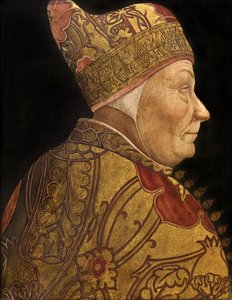
Ларцаро Бастиани
1429 - 1512 , Италия
Основные сведения
- Artistic Movement Or Style: Ренессанс
- Artists Or Movements Influenced By This Artist: ['Джованни Беллини']
- Artists Who Influenced This Artist: ['Андреа Мантенга']
- Date Of Birth: Padua, Италия
- Date Of Death: 1512
- Full Name: Lazzaro Bastiani
- Nationality: Итальянский
- Notable Artworks:
- Святой Иероним
- Мадонна с фиалком
- Place Of Birth: Венеция
Похожие статьи
The Enduring Legacy of Oil Paint: Technique, History & Emotional Resonance in Western Art
Explore the rich history & techniques of oil painting! Discover Renaissance masters, scientific principles behind color, and emotional resonance in art. Learn about glazing, layering, and atmospheric perspective – a guide for enthusiasts & collectors.

The Enduring Legacy of Oil on Canvas: Technique, History & Aesthetic Impact
Explore the rich history & techniques of oil painting – from Renaissance masters to Impressionism. Discover pigments, layering methods, and why this timeless medium endures. Expert insights for artists & art enthusiasts.

Oil on Canvas: A Historical & Technical Exploration of a Timeless Artistic Medium
Explore the rich history & enduring techniques of oil painting on canvas. Discover the science behind its longevity, conservation practices, and contemporary relevance. Expert insights for art enthusiasts.

The Enduring Power of Painting: A Historical & Contemporary Exploration of Form and Emotion
Explore the rich history & enduring techniques of oil painting with ArtsDot. Discover masterpieces, learn about art collecting, and find authentic handmade reproductions crafted by skilled artists.
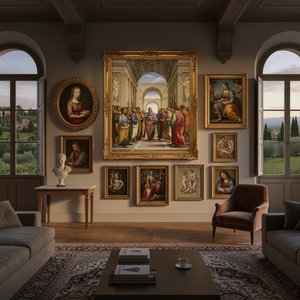
Рафаэль: 25 шедевров великого художника для ценителей искусства и декора интерьера
Погрузитесь в мир Рафаэля! 25 величайших шедевров эпохи Возрождения, полные гармонии и красоты. Узнайте истории создания картин, технику живописи и вдохновитесь для декора интерьера. Репродукции высокого качества на ArtsDot.com.