

 Предпросмотр
 Поделиться
 Поделиться
 Детали произведения

 Скачать
 Похожие работы
 Рентгенография
 Слайд-шоу
 Статистика
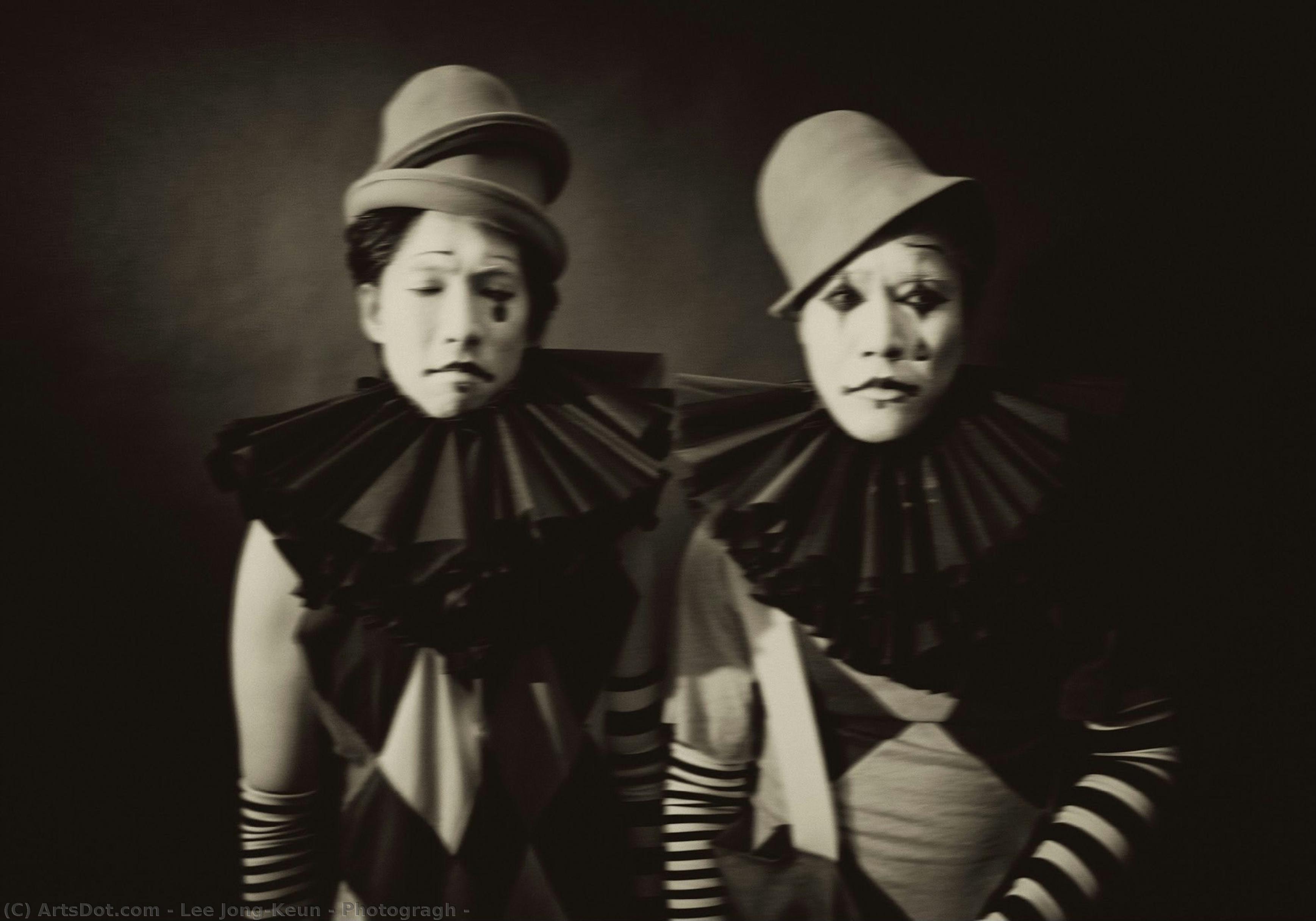
Photogragh


 Читать далее
Масляная репродукция ручной работы
Картина маслом на холсте в выбранном вами размере и раме, написанная на заказ нашими художниками. ( Перейти к печати Перейти к цифровым изображениям)




































Выберите один из наших стандартных размеров, соответствующих оригинальным пропорциям произведения искусства.

Вы можете указать собственные размеры, чтобы картина идеально вписалась в выбранную раму или пространство. Если выбранный вами размер не соответствует пропорциям оригинала, мы либо обрежем полотно, либо расширим его за счет дополнительных элементов, написанных вручную. Цифровой макет будет отправлен вам на утверждение перед началом производства.
Обратите внимание, что предварительный просмотр на экране не отражает фактическую обрезку или расширение. Только макет точно покажет окончательную композицию.
Хотя доступны индивидуальные размеры, мы рекомендуем выбирать вариант из предопределенного списка, чтобы сохранить исходные пропорции.
После оформления заказа команда ArtsDot.com свяжется с клиентом по электронной почте для уточнения деталей и предоставит предварительный макет
Доставка по всему миру () за 3–4 недели вместо стандартных 5 недель. (11 Сентябрь). Без компромиссов в качестве.

Бесплатная экспресс-доставка по всему миру

Высококачественный льняной холст

Полное страхование доставки

Гарантия возмещения таможенных пошлин

Гарантия точного соответствия цветов

100-дневная политика возврата (только при обнаружении дефектов)

Гарантия возврата 100% средств

Предложение оптовых скидок
 Вариант со стеклом доступен только для размеров менее 110 см

Photogragh
Техника репродукции
Размер репродукции
-


Итоговая стоимость
$ 263
Похожие произведения






Биография художника
The Scars of Hiroshima and the Birth of a Vision
In the searing summer of 1945, the world changed irrevocably for a sixteen-year-old boy in Hiroshima. For Lee Jong-keun, the arrival of the atomic bomb was not merely a historical event but a visceral, sensory trauma—a sudden, piercing yellow light and a heat so intense it felt as though the very air was combusting. This moment of profound destruction became the silent architect of his entire artistic existence. To look through Lee’s lens was to engage with the echoes of that morning; his work was never merely about capturing light, but about documenting the resilience that emerges from the ashes of total devastation. The memory of seeking refuge under a bridge amidst the rubble and cries for help became the foundation upon which he built a life dedicated to the preservation of human dignity through the photographic medium.A Life Between Two Identities
Lee’s journey was one of profound displacement and the quiet, courageous reclamation of self. Born to Korean parents in Japan during an era of intense colonial tension, he lived for decades under the Japanese name Egawa Masa_'s identity was a complex tapestry woven from the threads of survival and concealment. For much of his life, he navigated the world as a hibakusha—an atomic bomb survivor—while simultaneously hiding his Korean heritage to avoid the double discrimination faced by ethnic Koreans in Japan. It was only in his later years that he fully embraced his Korean name, Lee Jong-keun, turning his personal history into a public testament. This transition from a hidden identity to a visible, vocal advocate for nuclear abolition allowed him to use his art as a bridge between his Japanese upbringing and his Korean roots, ensuring that the stories of non-Japanese survivors were finally brought to light.The Humanist Lens: Engineering Beauty and Sorrow
With a technical foundation in Electronics and Radio Engineering from Kyunghee University, Lee brought a precise, almost scientific discipline to his photographic practice. Yet, this technical mastery was always subservient to a deep, humanist spirit. Influenced by the legendary masters Ansel Adams and Henri Cartier-Bresson, he sought to find the intersection of profound beauty and inescapable sorrow. His photography often traversed landscapes that whispered of both peace and peril, capturing moments that served as a silent call for nuclear abolition. As a respected professor at Changwon National University, he did not merely teach the mechanics of the craft; he taught the importance of bearing witness. Through his work, Lee Jong-keun transformed the technical act of photography into a sacred duty, ensuring that the memory of loss and the hope for a world free from nuclear violence remained etched in the visual record of humanity.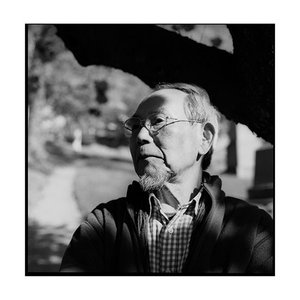
lee jong-keun
1927 - 2022 , Japan
Основные сведения
- Artistic Movement Or Style: Photography
- Artists Or Movements Influenced By This Artist: ['Japanese Art']
- Artists Who Influenced This Artist: ['Lee Ungno']
- Date Of Birth: 1927
- Date Of Death: 2022
- Full Name: Lee Jongkeun
- Nationality: Korean
- Notable Artworks:
- Abstract Letter series
- Prison paintings
- Place Of Birth: Hiroshima, Japan