

 Предпросмотр
 Поделиться
 Поделиться
 Детали произведения

 Скачать
 Похожие работы
 Рентгенография
 Слайд-шоу
 Статистика
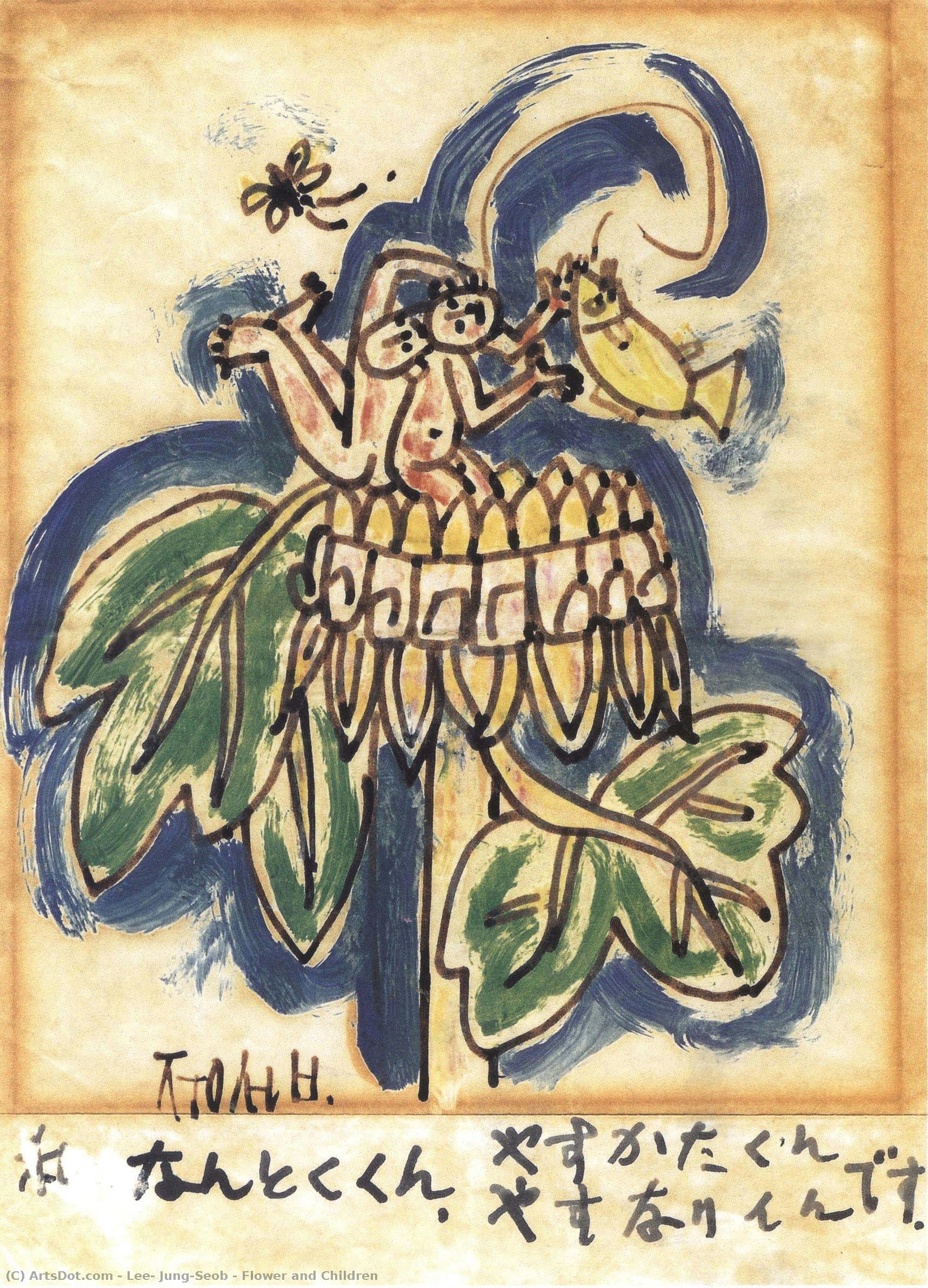
Flower and Children
 Acrylic On Canvas
- WallArt
- Modern Korean Art
 18.0 x 23.0 cm
 Национальный музей Кореи
 Читать далее
Масляная репродукция ручной работы
Картина маслом на холсте в выбранном вами размере и раме, написанная на заказ нашими художниками. ( Перейти к печати Перейти к цифровым изображениям)




P118B $10

P118H $10

P118W $10

P438Z $10

P508JH $12

P508YH $12

P805H $10

P805Z $10

P919BZ $10

P919G $10

P919XJ $10

P959ZH $10

P968JZ $12

W106C $8

W218G $10

W218JH $8

W218Y $10

W307PJ $10

W316G $10

W316PJ $8

W316Y $10

W398PJ $8

W4111J $10

W500HY $15

W500JH $15

W692G $12

W849H $8

W940BG $15

W953PJ $8




Выберите один из наших стандартных размеров, соответствующих оригинальным пропорциям произведения искусства.

Вы можете указать собственные размеры, чтобы картина идеально вписалась в выбранную раму или пространство. Если выбранный вами размер не соответствует пропорциям оригинала, мы либо обрежем полотно, либо расширим его за счет дополнительных элементов, написанных вручную. Цифровой макет будет отправлен вам на утверждение перед началом производства.
Обратите внимание, что предварительный просмотр на экране не отражает фактическую обрезку или расширение. Только макет точно покажет окончательную композицию.
Хотя доступны индивидуальные размеры, мы рекомендуем выбирать вариант из предопределенного списка, чтобы сохранить исходные пропорции.
После оформления заказа команда ArtsDot.com свяжется с клиентом по электронной почте для уточнения деталей и предоставит предварительный макет
Доставка по всему миру () за 3–4 недели вместо стандартных 5 недель. (11 Сентябрь). Без компромиссов в качестве.

Бесплатная экспресс-доставка по всему миру

Высококачественный льняной холст

Полное страхование доставки

Гарантия возмещения таможенных пошлин

Гарантия точного соответствия цветов

100-дневная политика возврата (только при обнаружении дефектов)

Гарантия возврата 100% средств

Предложение оптовых скидок
 Вариант со стеклом доступен только для размеров менее 110 см

Flower and Children
Техника репродукции
Размер репродукции
-


Итоговая стоимость
$ 263
A Window Into Gentle Rebellion: Lee Jung-Seob’s “Flower and Children”
Lee Jung-Seob's "Flower and Children," painted in 1950s Korea, isn’t merely a depiction of two monkeys amidst a blossoming tree; it’s a poignant distillation of the era’s burgeoning spirit of quiet rebellion and an enduring symbol of childhood innocence. Born in Pyeongannamdo in 1916, Lee Jung-Seob emerged as a pivotal figure in Korean oil painting, skillfully blending traditional Korean aesthetics with the evolving techniques of modernism. His work, particularly this evocative piece, resonates deeply not just for its technical mastery but also for the subtle narrative it unfolds – a story of connection, observation, and a gentle defiance against the rigid constraints of societal expectations.
The painting itself is rendered in a deceptively simple style, characteristic of Lee’s mature work. He employs a muted palette dominated by earthy greens, browns, and soft blues, creating an atmosphere of serene tranquility. The monkeys, rendered with remarkable detail – their fur meticulously brushed, their expressions subtly inquisitive – are the focal point. They aren't presented as wild animals, but rather as companions, engaged in playful interaction within a vibrant, almost dreamlike setting. The abundance of flowers, depicted with delicate strokes and varying shades of color, isn’t just decorative; it represents a burgeoning hope, a celebration of life, and perhaps even a quiet resistance to the prevailing seriousness of the time.
The Context of Korean Modernism
To fully appreciate “Flower and Children,” one must consider the broader context of Korean art in the 1950s. Following decades of Japanese colonial rule and subsequent war, Korea was grappling with a profound sense of national identity and searching for its artistic voice. Lee Jung-Seob, along with other pioneering artists like Kim Whan-gi, played a crucial role in establishing modern Korean painting as a legitimate art form. They drew inspiration from both Western traditions – particularly Impressionism and Post-Impressionism – and the rich visual vocabulary of Korean folk art and landscape painting. “Flower and Children” exemplifies this synthesis: it’s a distinctly Korean work that simultaneously engages with universal themes of childhood, nature, and human connection.
Symbolism in the Details
The seemingly simple composition is laden with symbolic weight. The monkeys themselves have long been associated with intelligence, playfulness, and adaptability – qualities highly valued in Korean culture. Their interaction within the floral setting suggests a harmonious coexistence, a gentle balance between the natural world and human experience. Notably, one monkey appears to be holding an object in its mouth—a detail often interpreted as representing the potential for both joy and mischief, innocence and experience. The flowers aren’t just beautiful; they represent growth, renewal, and the fleeting nature of life – themes that resonate powerfully within the painting.
A Legacy of Quiet Beauty
“Flower and Children” resides at the National Museum of Korea in Seoul, a testament to its enduring significance. It's a work that invites contemplation, prompting viewers to consider the delicate balance between tradition and modernity, innocence and experience, and the quiet beauty found within everyday moments. Reproductions of this captivating painting offer a window into Lee Jung-Seob’s artistic vision and provide a poignant reminder of Korea’s rich cultural heritage. Its timeless appeal continues to resonate with collectors and interior designers seeking pieces that evoke a sense of serenity, nostalgia, and understated elegance.
Похожие произведения
Биография художника
корейский мастер масляной живописи
Ли Чжун Соп, выдающийся южнокорейский художник, оставил неизгладимый след в мире искусства своими пленительными полотнами, написанными маслом. Рожденный в 1916 году в провинции Пхённамдо, Ли прошел творческий путь, отмеченный новаторством и глубокой связью со своим культурным наследием.художественный вклад
наиболее известным творением Ли Чжун Сопа является его культовая работа 'Белый бык', ставшая истинным свидетельством его виртуозного владения масляными красками. Этот шедевр, наряду с другими его произведениями, демонстрирует уникальный стиль мастера, в котором традиционные корейские элементы гармонично переплетаются с современными техниками.- ключевые работы:
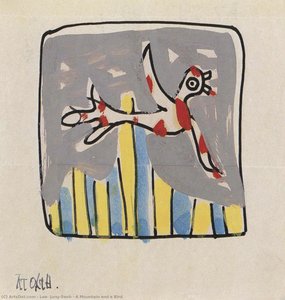
- Семья и голубь (Национальный музей Кореи, Сеул, Южная Корея) — пронзительное произведение, выполненное маслом на бумаге.
- Мальчики, рыба и краб (Национальный музей Кореи, Сеул, Южная Корея) — акварель, демонстрирующая многогранность таланта Ли.
- Двое мальчиков и олень (Национальный музей Кореи, Сеул, Южная Корея) — еще один пример его мастерства в технике акварели.
- музеи, представляющие его работы:
- Национальный музей Кореи (Сеул, Южная Корея)
наследие и влияние
уход Ли Чжун Сопа в Сеуле в 1956 году ознаменовал конец целой эпохи, но в то же время проложил путь для будущих поколений корейских художников. Его влияние отчетливо прослеживается в творчестве многих современных живописцев Кореи. изучите больше работ Ли Чжун Сопа: https://ArtsDot.com/@/lee-jung-seob | откройте для себя обширную коллекцию его картин на ArtsDot. узнайте о других знаменитых художниках: /ru/art/list/ | ознакомьтесь со списком величайших мастеров на ArtsDot.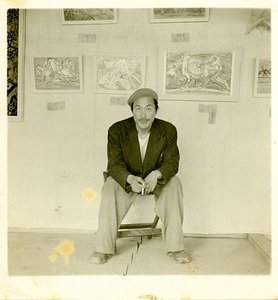
Ли Джун Соп
1916 - 1956 , Южная Корея
Основные сведения
- Artistic Movement Or Style: Современное корейское искусство
- Artists Or Movements Influenced By This Artist: ['Фовизм']
- Artists Who Influenced This Artist: ['Настенная живопись гробниц Когурё']
- Date Of Birth: 10 апреля 1916 г.
- Date Of Death: 6 сентября 1956 г.
- Full Name: Ли Чжун Соп
- Nationality: Кореец
- Notable Artworks:
- Белый бык
- Семья и голубь
- Мальчики, рыба и краб
- Place Of Birth: Пхённамдо, Корея
Похожие статьи

The Enduring Legacy of Oil on Canvas: Technique, History & Aesthetic Impact
Explore the rich history & techniques of oil painting – from Renaissance masters to Impressionism. Discover pigments, layering methods, and why this timeless medium endures. Expert insights for artists & art enthusiasts.

Oil on Canvas: A Historical & Technical Exploration of a Timeless Artistic Medium
Explore the rich history & enduring techniques of oil painting on canvas. Discover the science behind its longevity, conservation practices, and contemporary relevance. Expert insights for art enthusiasts.

Масляная живопись: История, техника и непреходящее наследие
Узнайте все о масляной живописи: история техники, секреты мастеров и современные тенденции. Погрузитесь в мир искусства с экспертами !
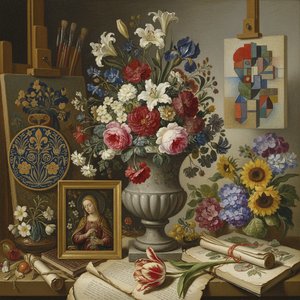
Blossoming Symbolism: A Historical Journey Through Flowers in Western Painting
Explore the rich history of flower symbolism in Western painting! Discover how artists from the Renaissance to Modernism used blossoms to convey meaning, emotion & beauty. Learn about iconic artworks and movements.

The Enduring Power of Painting: A Historical & Contemporary Exploration of Form and Emotion
Explore the rich history & enduring techniques of oil painting with ArtsDot. Discover masterpieces, learn about art collecting, and find authentic handmade reproductions crafted by skilled artists.