

 Предпросмотр
 Поделиться
 Поделиться
 Детали произведения

 Скачать
 Похожие работы
 Рентгенография
 Слайд-шоу
 Статистика
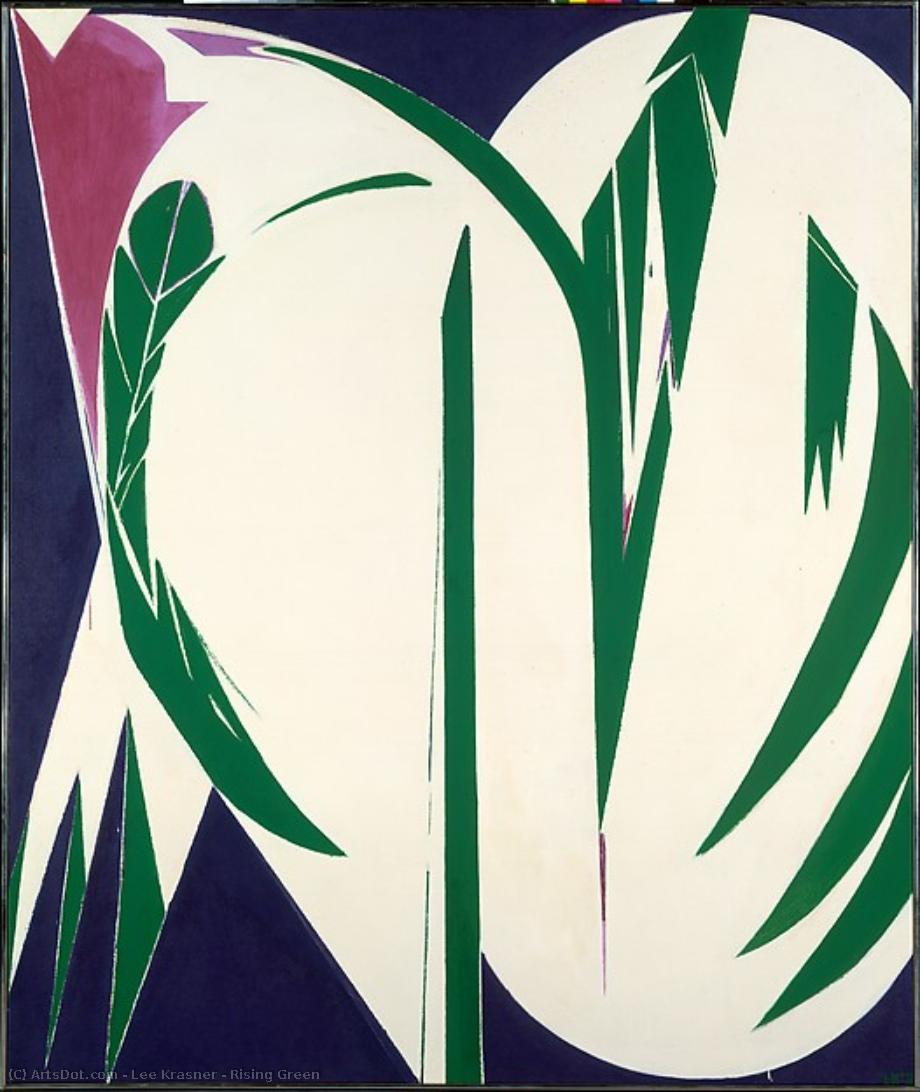
Rising Green
 Acrylic On Canvas
- WallArt
- Abstract Expressionism
 1972
1972 209.0 x 176.0 cm
 Музей Метрополитен
 Читать далее
Приобретите цифровое изображение высокого разрешения в улучшенном качестве, которое значительно превосходит онлайн-превью.
Каждый файл тщательно подготавливается нашими специалистами с использованием передовых инструментов и экспертной ручной ретуши. Мы гарантируем исключительную четкость, точную цветопередачу и детальную проработку каждого изображения.
Финальный файл доставляется по электронной почте в течение 72 часов и оптимизирован для немедленного использования в профессиональной среде, при верстке и печати. Это тот же уровень качества, которому доверяют ведущие дизайнерские студии, издательства и галереи.
Цифровое изображение
Скачайте файл высокого разрешения для личного использования, печати и творческих проектов. ( Перейти к печати Купить картину ручной работы)
Включено в каждый заказ цифровых изображений
Гарантия экспертной цифровой доставки
Выбирая ArtsDot.com, вы получаете не просто изображение — вы приобретаете профессионально обработанное цифровое произведение искусства, созданное с безупречной точностью и под защитой гарантии качества. Вот всё, что автоматически входит в ваш заказ:

Мгновенная доставка по e-mail
Ваш цифровой файл в высоком разрешении будет отправлен вам по электронной почте в течение 72 часов после оформления заказа — и сразу станет доступен для использования.

Цифровой файл с ИИ-улучшением
Ваше произведение искусства проходит профессиональную оптимизацию с использованием передовых инструментов ИИ и ручной обработки, что гарантирует максимальную детализацию, четкость и точность цветопередачи.

Бессрочная бесплатная повторная доставка
Случайно удалили или потеряли файл? Не беспокойтесь — мы отправим его вам повторно в любое время и совершенно бесплатно.

Без импортных пошлин — навсегда
Наслаждайтесь вашим произведением искусства мгновенно без таможенных пошлин, сборов или затрат на доставку — цифровые загрузки всегда не облагаются налогом.

Гарантия точности цветопередачи
Мы гарантируем, что ваше цифровое изображение максимально точно передает оригинальные цвета благодаря использованию профессиональных инструментов и систем управления цветом.

Гарантия удовлетворенности 100 дней
Если вы не будете удовлетворены своим цифровым изображением, мы внесем правки или вернем 100% стоимости в течение 100 дней — без лишних вопросов.

100% Гарантия возврата средств
Не удовлетворены покупкой? Получите полный возврат средств в течение 100 дней после получения цифрового файла — без лишних вопросов.

Скидки на оптовые заказы
Купите 3 изображения, сэкономьте 10% — Купите 5, сэкономьте 15% — Купите 10+, сэкономьте 20%. Отличное решение для творческих проектов, галерей и агентств.
A Verdant Echo: Lee Krasner’s ‘Rising Green’
Lee Krasner's “Rising Green,” painted in 1972, isn’t merely a depiction of nature; it’s an embodiment of its vital force. This monumental work, measuring a commanding 209 x 176 cm, stands as a testament to Krasner’s evolving Abstract Expressionist style and her persistent fascination with the natural world. Created in a spacious barn previously occupied by her late husband, Jackson Pollock – a space imbued with the legacy of his groundbreaking techniques – “Rising Green” feels both deeply personal and powerfully resonant. The painting immediately draws the eye with its stark contrast: a vast expanse of pristine white serves as the backdrop for a dynamic collection of verdant shapes that seem to surge upwards, suggesting an unstoppable growth or emergence. It’s a visual declaration of life pushing through constraint, a potent metaphor for resilience and renewal.
Formal Elements & Technique
The composition is strikingly asymmetrical, avoiding any sense of static equilibrium. Bold, elongated forms dominate the canvas, recalling the elegant arabesques found in Henri Matisse’s late collages – a deliberate nod to Krasner's admiration for the French master. The technique employed is remarkably reductive; flat color application, reminiscent of screen printing or similar methods, minimizes detail and emphasizes the interplay of shape and space. This simplification isn’t an absence of feeling, however, but rather a focused distillation of essence. The smooth texture achieved through this method contributes to the painting's immediate impact, creating a surface that feels both tactile and luminous. The deliberate lack of traditional perspective—depth is built through layering and overlapping—further enhances the sense of movement and dynamism, pulling the viewer into the heart of the composition.
Roots in Nature & Symbolism
While abstract at first glance, “Rising Green” is undeniably rooted in nature. The leaflike forms, repeated and varied throughout the canvas, evoke powerful vegetation – reeds, grasses, or perhaps even a stylized representation of burgeoning plant life. This connection to the natural world isn’t simply decorative; it speaks to Krasner's lifelong interest in depicting organic forms and her desire to capture the energy and vitality of the landscape. The stark white ground can be interpreted as representing both emptiness and potential – a blank slate upon which these verdant shapes assert their presence, symbolizing growth emerging from stillness. The painting’s overall mood is one of hopeful expansion, suggesting an unstoppable force of life.
Context & Legacy
Created in 1972, “Rising Green” represents a pivotal moment in Krasner's career. Following the death of her husband, Jackson Pollock, she began to explore new avenues for expression, moving beyond the shadow of his fame and establishing herself as a significant figure in her own right. This work demonstrates her continued experimentation with abstract forms while retaining a deep connection to nature – a theme that would recur throughout her oeuvre. It’s a powerful example of Krasner's ability to translate complex emotions and ideas into visually arresting compositions, solidifying her place as a pioneering voice within the Abstract Expressionist movement. A reproduction of “Rising Green” offers a captivating glimpse into the mind of this extraordinary artist, bringing her vibrant vision to any space.
Похожие произведения
Биография художника
A Force of Nature: The Life and Legacy of Lee Krasner
Born Lena Krassner on October 27, 1908, in the vibrant streets of Brooklyn, New York, the woman who would become Lee Krasner emerged as a transformative force within the landscape of American modernism. Her journey was never merely one of following established paths, but rather of carving out new, visceral territories through paint and movement. From her early days at Washington Irving High School for Girls, where a focused course in visual arts first ignited her creative spirit, to her rigorous training at Cooper Union’s Women's Art School, Krasner possessed a foundational discipline that would later serve as the bedrock for her most radical experiments. Her education was marked by a relentless pursuit of mastery, eventually leading her to the National Academy of Design between 1928 and 1932, where she studied under the legendary Hans Hofmann. It was through Hofmann’s guidance that Krasner began to internalize the principles of spontaneity and expressive gesture, elements that would become the heartbeat of her mature style.
The trajectory of Krasner's career is inextricably linked to the seismic shifts of the mid-2ണ്ട century art world, a period defined by the rise of Abstract Expressionism. While history often attempts to frame her through the lens of her marriage to Jackson Pollock, such a narrow view obscures the profound individual brilliance she maintained throughout her life. Her relationship with Pollock placed her at the very epicenter of the New York School, yet Krasner consistently resisted being relegated to a secondary role. Instead, she utilized the era's intense energy to push the boundaries of abstraction, integrating influences from European Modernism—specifically the structural complexities of Cubism and the psychological depths of Surrealism—into a uniquely American vernacular. Her work became a dialogue between control and chaos, where the structured logic of her early training met the unbridled emotion of the post-war era.
The Language of Gesture and Color
To stand before a Krasner canvas is to witness a rhythmic dance of medium and motion. Her technique is famously characterized by a gestural approach, where rapid, energetic brushstrokes and layered textures create a sense of living, breathing composition. She did not merely paint subjects; she painted the very act of creation itself. In works such as Combat, one can observe a vibrant, almost floral abstraction that utilizes layered printmaking techniques to achieve a profound depth of color. Her palette was often bold and unapologetic, capable of shifting from the somber, brooding tones of her more introspective periods to the explosive, luminous hues found in her later, more celebratory works like Another Storm.
The evolution of her style can be seen as a continuous cycle of destruction and rebirth. Krasner was known for her "collage" method, where she would often take elements of her previous, discarded paintings and reincorporate them into new compositions. This process allowed her to physically grapple with her own artistic history, recycling the past to fuel the future. This cyclical nature of her work mirrors the organic rhythms of life, making her art feel deeply connected to the natural world even in its most abstract forms. Her ability to balance dynamic compositions with a sense of underlying structural integrity remains one of her greatest technical achievements.
A Lasting Impression on Modern Art
The historical significance of Lee Krasner extends far beyond the canvases she left behind; she was a pioneer who helped redefine the possibilities of abstraction. As a woman navigating the male-dominated art scene of the 20th century, her resilience and refusal to be overshadowed by her contemporaries made her a symbol of artistic autonomy. Her contributions helped cement New York City as the global capital of modern art, providing a bridge between the structured traditions of the early century and the raw, emotive power of the post-war avant-garde.
Today, Krasner is celebrated not just as a figure of a specific movement, but as an artist whose work possesses a timeless, universal resonance. Her legacy is defined by several key pillars:
- Mastery of Abstraction: Her ability to synthesize Cubist structure with Surrealist spontaneity created a new visual language for the American era.
- Technical Innovation: Through her use of gestural painting and collage-like reincorporation of older works, she expanded the physical boundaries of the medium.
- Artistic Autonomy: She successfully navigated the complexities of her personal life and fame to establish a distinct, recognizable aesthetic that stands independent of any biographical shadow.
- Enduring Influence: Her work continues to inspire generations of painters to explore the intersection of emotion, movement, and color.
Lee Krasner remains a titan of 20th-century art, an artist whose life was as much a masterpiece of endurance and evolution as the paintings that now reside in the world's most prestigious museums.
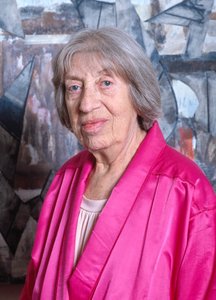
Lee Krasner
1908 - 1984 , United States of America
Основные сведения
- Artistic Movement Or Style: Abstract Expressionism
- Artists Or Movements Influenced By This Artist: ['Jackson Pollock']
- Artists Who Influenced This Artist: ['Hans Hofmann']
- Date Of Birth: October 27, 1908
- Full Name: Lena Krassner
- Nationality: American
- Notable Artworks:
- Another Storm
- Combat
- Place Of Birth: Brooklyn, United States