

 Предпросмотр
 Поделиться
 Поделиться
 Детали произведения

 Скачать
 Похожие работы
 Рентгенография
 Слайд-шоу
 Статистика
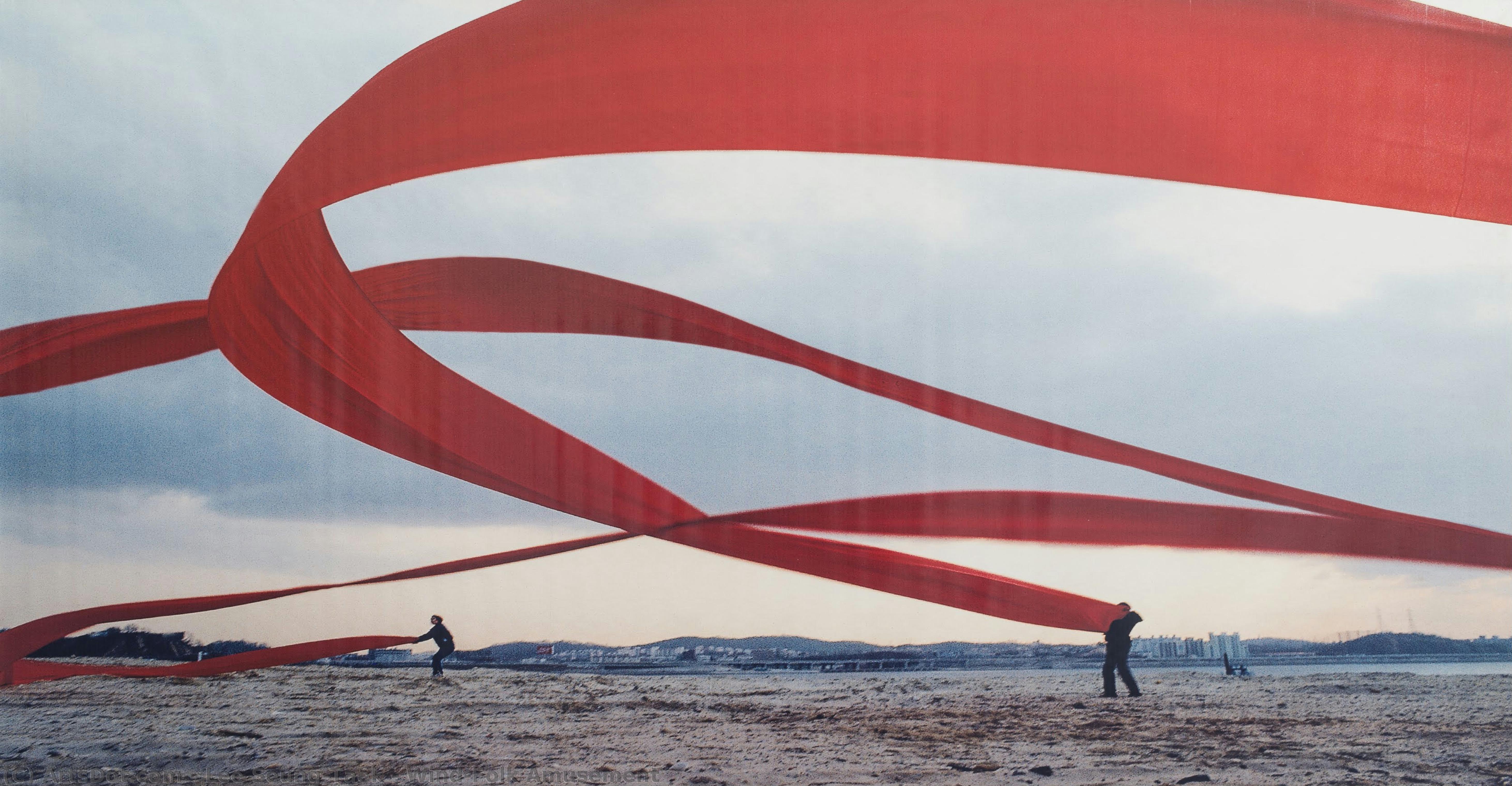
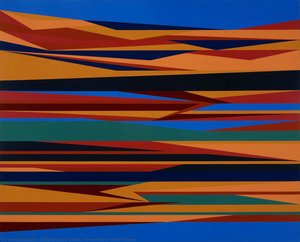
Wind-Folk Amusement

 Читать далее
Масляная репродукция ручной работы
Картина маслом на холсте в выбранном вами размере и раме, написанная на заказ нашими художниками. ( Перейти к печати Перейти к цифровым изображениям)




































Выберите один из наших стандартных размеров, соответствующих оригинальным пропорциям произведения искусства.

Вы можете указать собственные размеры, чтобы картина идеально вписалась в выбранную раму или пространство. Если выбранный вами размер не соответствует пропорциям оригинала, мы либо обрежем полотно, либо расширим его за счет дополнительных элементов, написанных вручную. Цифровой макет будет отправлен вам на утверждение перед началом производства.
Обратите внимание, что предварительный просмотр на экране не отражает фактическую обрезку или расширение. Только макет точно покажет окончательную композицию.
Хотя доступны индивидуальные размеры, мы рекомендуем выбирать вариант из предопределенного списка, чтобы сохранить исходные пропорции.
После оформления заказа команда ArtsDot.com свяжется с клиентом по электронной почте для уточнения деталей и предоставит предварительный макет
Доставка по всему миру () за 3–4 недели вместо стандартных 5 недель. (11 Сентябрь). Без компромиссов в качестве.

Бесплатная экспресс-доставка по всему миру

Высококачественный льняной холст

Полное страхование доставки

Гарантия возмещения таможенных пошлин

Гарантия точного соответствия цветов

100-дневная политика возврата (только при обнаружении дефектов)

Гарантия возврата 100% средств

Предложение оптовых скидок
 Вариант со стеклом доступен только для размеров менее 110 см

Wind-Folk Amusement
Техника репродукции
Размер репродукции
-


Итоговая стоимость
$ 263
Похожие произведения






Биография художника
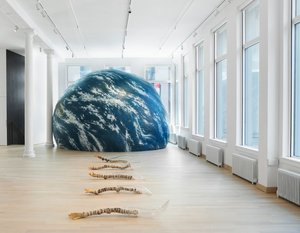
Lee Seung-taek: Architect of the Anti-Concept
Born in Goyang, South Korea, in 1932, Lee Seung-taek stands as a pivotal figure in Korean art history – not merely an artist, but a radical innovator who fundamentally challenged conventional notions of sculpture and artistic expression. His journey, marked by displacement during the Korean War and a profound engagement with philosophy, ultimately led him to develop a unique practice centered around what he termed “anti-concept” or “non-sculpture.” This approach wasn’t simply an aesthetic choice; it was a deliberate rejection of established art historical frameworks and a passionate exploration of the relationship between object, space, and meaning. Lee's work, often incorporating humble materials like stone, rope, newsprint, and even discarded objects, invites viewers to question their assumptions about what constitutes ‘art’ and how we perceive its value.
Early Life and Influences
Lee’s early life was shaped by the turbulent backdrop of post-war Korea. Born in Kowon, a small village in Hamgyeongnam-do Province, he experienced firsthand the displacement and hardship caused by the Korean War. This experience instilled within him a deep sense of questioning and a desire to transcend conventional boundaries. His intellectual curiosity extended beyond artistic pursuits; he became deeply influenced by the philosophy of Friedrich Nietzsche, particularly his ideas on perspectivism and the rejection of fixed truths. This philosophical engagement profoundly shaped his approach to art, leading him to actively dismantle traditional sculptural conventions and explore alternative modes of representation.
The Development of ‘Non-Sculpture’
Lee's artistic trajectory began in the 1960s, a period marked by significant experimentation within Korean contemporary art. Rejecting the prevailing emphasis on formal sculptural techniques and Western artistic trends, he embarked on a radical exploration of what he termed “non-sculpture.” This wasn’t simply an absence of sculpture; it was a deliberate construction of meaning through unconventional materials and processes. He began utilizing everyday objects – stone, rope, newsprint – transforming them into evocative assemblages that defied easy categorization. His work during this period, exemplified by pieces like "Game in Wooden Construction" and “Wind-Folk Amusement,” moved beyond traditional notions of representation, focusing instead on the inherent qualities of the materials themselves and their interaction with space.
- Material as Metaphor: Lee frequently employed humble materials – stone, rope, newsprint – to create works that spoke volumes about human experience and the passage of time.
- Deconstruction of Form: His “non-sculptural” pieces deliberately avoided traditional sculptural forms, challenging viewers’ expectations of what art should be.
- Environmental Engagement: Lee's later work increasingly explored themes related to nature, incorporating elements like wind and fire into his installations, reflecting a deep connection with the Korean landscape.
Key Achievements and Recognition
Despite facing initial skepticism from the established art world in Korea, Lee’s innovative approach gradually gained recognition. In 2009, he was awarded the prestigious Nam June Paik Art Center Prize – a significant acknowledgement of his pioneering role in Korean experimental art. This award marked a turning point, elevating his work to international prominence. His influence can be seen in subsequent generations of Korean artists who continue to push the boundaries of artistic expression.
- Nam June Paik Art Center Prize (2009): The first recipient of this prestigious award, recognizing Lee’s contribution to experimental art.
- Influence on Contemporary Korean Art: Lee's work has profoundly influenced a generation of Korean artists who continue to explore unconventional materials and processes.
- Museum Collections: His works are held in prominent collections worldwide, including the Tate Modern in London and the National Museum of Modern and Contemporary Art in Seoul.
Legacy and Significance
Lee Seung-taek’s legacy extends far beyond his individual creations. He fundamentally shifted the discourse around Korean art, challenging established hierarchies and paving the way for a more diverse and experimental artistic landscape. His concept of “anti-concept” – a deliberate rejection of conventional notions of art and its purpose – remains remarkably relevant today, prompting us to question our assumptions about creativity, value, and the very nature of artistic expression. His work serves as a powerful reminder that art can be found in the most unexpected places, and that true innovation often lies in challenging the status quo.
Lee Seung-taek
1932 - , South Korea
Основные сведения
- Artistic Movement Or Style: Experimental art, Anti-concept
- Artists Or Movements Influenced By This Artist:
- Nam June Paik
- Land Art
- Mono-ha
- Artists Who Influenced This Artist:
- Lee Ungno
- Nietzsche
- Date Of Birth: May 12, 1932
- Full Name: Lee Seung-taek
- Nationality: South Korean
- Notable Artworks:
- Game in Wooden Construction
- Wind-Folk Amusement
- The Burning Canvas Floating on the River
- Place Of Birth: Goyang, South Korea