


 Предпросмотр
 Поделиться
 Поделиться
 Детали произведения

 Скачать
 Похожие работы
 Рентгенография
 Слайд-шоу
 Статистика
Martyrdom of St Catherine of Alexandria
 Oil On Canvas
- WallArt
- Mannerism
 1565
1565- Early Modern
 88.0 x 67.0 cm
 Galleria Estense
 Читать далее
Масляная репродукция ручной работы
Картина маслом на холсте в выбранном вами размере и раме, написанная на заказ нашими художниками. ( Перейти к печати Перейти к цифровым изображениям)




P118B $10

P118H $10

P118W $10

P438Z $10

P508JH $12

P508YH $12

P805H $10

P805Z $10

P919BZ $10

P919G $10

P919XJ $10

P959ZH $10

P968JZ $12

W106C $8

W218G $10

W218JH $8

W218Y $10

W307PJ $10

W316G $10

W316PJ $8

W316Y $10

W398PJ $8

W4111J $10

W500HY $15

W500JH $15

W692G $12

W849H $8

W940BG $15

W953PJ $8




Выберите один из наших стандартных размеров, соответствующих оригинальным пропорциям произведения искусства.

Вы можете указать собственные размеры, чтобы картина идеально вписалась в выбранную раму или пространство. Если выбранный вами размер не соответствует пропорциям оригинала, мы либо обрежем полотно, либо расширим его за счет дополнительных элементов, написанных вручную. Цифровой макет будет отправлен вам на утверждение перед началом производства.
Обратите внимание, что предварительный просмотр на экране не отражает фактическую обрезку или расширение. Только макет точно покажет окончательную композицию.
Хотя доступны индивидуальные размеры, мы рекомендуем выбирать вариант из предопределенного списка, чтобы сохранить исходные пропорции.
После оформления заказа команда ArtsDot.com свяжется с клиентом по электронной почте для уточнения деталей и предоставит предварительный макет
Доставка по всему миру () за 3–4 недели вместо стандартных 5 недель. (14 Сентябрь). Без компромиссов в качестве.

Бесплатная экспресс-доставка по всему миру

Высококачественный льняной холст

Полное страхование доставки

Гарантия возмещения таможенных пошлин

Гарантия точного соответствия цветов

100-дневная политика возврата (только при обнаружении дефектов)

Гарантия возврата 100% средств

Предложение оптовых скидок
 Вариант со стеклом доступен только для размеров менее 110 см

Martyrdom of St Catherine of Alexandria
Техника репродукции
Размер репродукции
-


Итоговая стоимость
$ 263
A Dramatic Echo of Faith: The Martyrdom of St Catherine
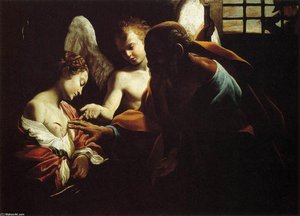
To stand before this depiction of the Martyrdom of St Catherine of Alexandria is to be enveloped in a tempest of human drama and divine transcendence. Painted in 1565 by Lelio Orsi, this canvas does not merely record an event; it arrests a moment of ultimate sacrifice, freezing the visceral tension between earthly brutality and eternal grace. The scene explodes with figures—thirteen souls caught in the vortex of history—as St Catherine lies fallen, her lifeblood spilled before the cold gaze of Emperor Maxentius' soldiers. Orsi masterfully composes this chaos, guiding the viewer’s eye through a tableau rich with narrative weight.
Mannerist Drama and Emotional Intensity
Lelio Orsi, a pivotal figure navigating the twilight years of the Renaissance into the expressive fervor of Mannerism, imbues every brushstroke with palpable emotion. His style eschews the serene balance of earlier periods for something more charged, more dramatically heightened. Here, the drama is paramount. Observe the surrounding figures; their gestures are not casual but fraught with meaning—some bearing witness in horrified stillness, others participating in the grim ritual. The inclusion of symbolic objects, such as the swords positioned near the periphery and the stark chair on the right, anchors the narrative while simultaneously suggesting the machinery of fate itself. It is a testament to Orsi’s genius that he can render such intense suffering without descending into mere melodrama; instead, it achieves a sublime, almost theatrical grandeur.
Symbolism Woven in Flesh and Form
The symbolism within this work is as profound as the subject matter itself. St Catherine, illuminated even in death, embodies the triumph of intellect and virtue over temporal power. The act of martyrdom was not simply an end, but a powerful declaration of unwavering belief. Consider the angels amidst the crowd; they serve as celestial witnesses, their presence suggesting that while the physical violence is real, the spiritual narrative belongs to a higher plane. Every figure, every discarded weapon, speaks to the enduring dialogue between human frailty and divine promise. For the collector or decorator, this piece offers more than mere decoration; it offers contemplation—a visual meditation on conviction.
Technique and Timeless Appeal
The execution of this painting showcases Orsi’s command over rich color palettes and dynamic composition. The handling of light seems almost theatrical, spotlighting the central tragedy while allowing peripheral details to recede into dramatic shadow. While the subject matter is undeniably violent, the overall effect is one of sublime pathos. Owning a reproduction of this work allows one to bring home not just an image from 1565, but a piece of Mannerist emotional architecture. It possesses a gravity that elevates any space it graces, inviting quiet reflection and spirited conversation about faith, sacrifice, and enduring beauty.
Похожие произведения

Биография художника
The Shadow and the Light: The Legacy of Lelio Orsi
In the twilight of the Italian Renaissance, as the harmonious balance of High Renaissance classicism began to fracture into the restless energy of Mannerism, there emerged a voice from the fertile plains of Emilia-Romagna that captured the profound anxieties of a changing world. Lelio Orsi, often remembered by his more evocative moniker Lelio da Novellara, was not merely a painter or an architect; he was a chronicler of the soul’s turbulence. Born in the small town of Novellara around 1508 or 1511, Orsi navigated an era defined by shifting theological certainties and the complex intellectual currents of humanism. While historical records regarding his early life remain tantalizingly sparse, the sheer emotional weight of his surviving works speaks to a man deeply attuned to the spiritual and psychological complexities of the sixteenth century.
The foundations of Orsi’s aesthetic were laid through a lineage of masters that connected him to the very heart of Italian innovation. His early training under Giovanni Giarola—a direct pupil of the legendary Antonio da Correggio—infused his brushwork with an ethereal, atmospheric quality. From this lineage, Orsi inherited a fascination with soft transitions and a delicate use of light that could transform a canvas into a window of divine presence. However, as his style matured, he moved beyond mere imitation. He began to integrate the dramatic, often unsettling realism championed by Girolamo Bedoli and the monumental, muscular tension found in the works of Michelangelo and Giulio Romano. This synthesis created a unique visual language: one that could oscillate between the dreamlike grace of the Correggio school and the sharp, psychological intensity characteristic of the Mannerist movement.
A Mastery of Drama and Devotion
Orsi’s oeuvre is characterized by an extraordinary ability to command the viewer's attention through composition and symbolic depth. Unlike many of his contemporaries who sought the grandeur of massive altarpieces, Orsi found profound expression in smaller, intimate cabinet pieces and intricate decorative schemes. His work often functions as a theatrical stage where sacred narratives are played out with intense human emotion. In masterpieces such as The Martyrdom of St. Catherine of Alexandria, one witnesses the hallmark of his talent: the ability to capture a moment of peak tension, where religious fervor meets physical agony, all rendered through a sophisticated manipulation of light and shadow.
His technical repertoire was remarkably diverse, spanning from the delicate precision of pen and ink drawings to the rich, layered textures of oil on canvas. This versatility allowed him to explore various facets of the human experience:
- Religious Symbolism: His paintings, such as The Walk to Emmaus or Noli Me Tangere, utilize light not just for visibility, but as a theological tool to represent the presence of the divine within the earthly realm.
- Architectural Integration: As an architect and decorator, Orsi understood how to weave narrative into the very fabric of spaces, creating immersive environments that reflected the prestige of his patrons, including the Dukes of Este.
- Psychological Realism: Through the influence of Mannerist innovators, he mastered the art of conveying unsettling psychological states, using elongated forms and complex poses to mirror the spiritual unrest of his age.
Historical Significance and Enduring Influence
Though much of Lelio Orsi’s output eventually found its way into the prestigious collections of Ferrara and beyond, his impact on the Reggio Emilia school remains a cornerstone of Northern Italian art history. He was a bridge between eras, carrying the grace of the early Renaissance into the more experimental and often darker territories of the late sixteenth century. His ability to train followers, such as Raffaellino da Reggio and Jacopo Borbone, ensured that his particular brand of dramatic Mannerism would ripple through the region for generations.
Today, Orsi stands as a pivotal figure for those seeking to understand the transition from the idealized beauty of the Renaissance to the expressive complexity of the Baroque. His work serves as a poignant reminder of a period when art was used to grapple with the profoundest questions of existence, faith, and mortality. To look upon an Orsi painting is to witness the struggle of the human spirit caught between the light of divine revelation and the shadows of earthly suffering—a legacy that continues to captivate the modern imagination.
lelio orsi
1508 - 1587 , Italy
Основные сведения
- Artistic Movement Or Style: Mannerist
- Artists Or Movements Influenced By This Artist: ['Girolamo Bedoli']
- Artists Who Influenced This Artist:
- Giovanni Giarola
- Antonio da Correggio
- Date Of Birth: Novellara, Italy (1508)
- Date Of Death: 1587
- Full Name: Lelio Orsi
- Nationality: Italian
- Notable Artworks:
- The Martyrdom of Saint Catherine
- St Catherine of Alexandria
- Noli Me Tangere
- Place Of Birth: Novellara
Похожие статьи

The Enduring Power of Painting: A Historical & Contemporary Exploration of Form and Emotion
Explore the rich history & enduring techniques of oil painting with ArtsDot. Discover masterpieces, learn about art collecting, and find authentic handmade reproductions crafted by skilled artists.

Масляная живопись: История, техника и непреходящее наследие
Узнайте все о масляной живописи: история техники, секреты мастеров и современные тенденции. Погрузитесь в мир искусства с экспертами !

The Enduring Legacy of Oil on Canvas: Technique, History & Aesthetic Impact
Explore the rich history & techniques of oil painting – from Renaissance masters to Impressionism. Discover pigments, layering methods, and why this timeless medium endures. Expert insights for artists & art enthusiasts.

Oil on Canvas: A Historical & Technical Exploration of a Timeless Artistic Medium
Explore the rich history & enduring techniques of oil painting on canvas. Discover the science behind its longevity, conservation practices, and contemporary relevance. Expert insights for art enthusiasts.

Эль Греко: 25 шедевров гения. Купить картины онлайн | ArtsDot
Погрузитесь в мир Эль Греко! 25 величайших шедевров испанского маньеризма. Узнайте историю создания культовых картин, технику и символизм. Купите репродукции высокого качества для вашего интерьера на ArtsDot.com.