

 Предпросмотр
 Поделиться
 Поделиться
 Детали произведения

 Скачать
 Похожие работы
 Рентгенография
 Слайд-шоу
 Статистика
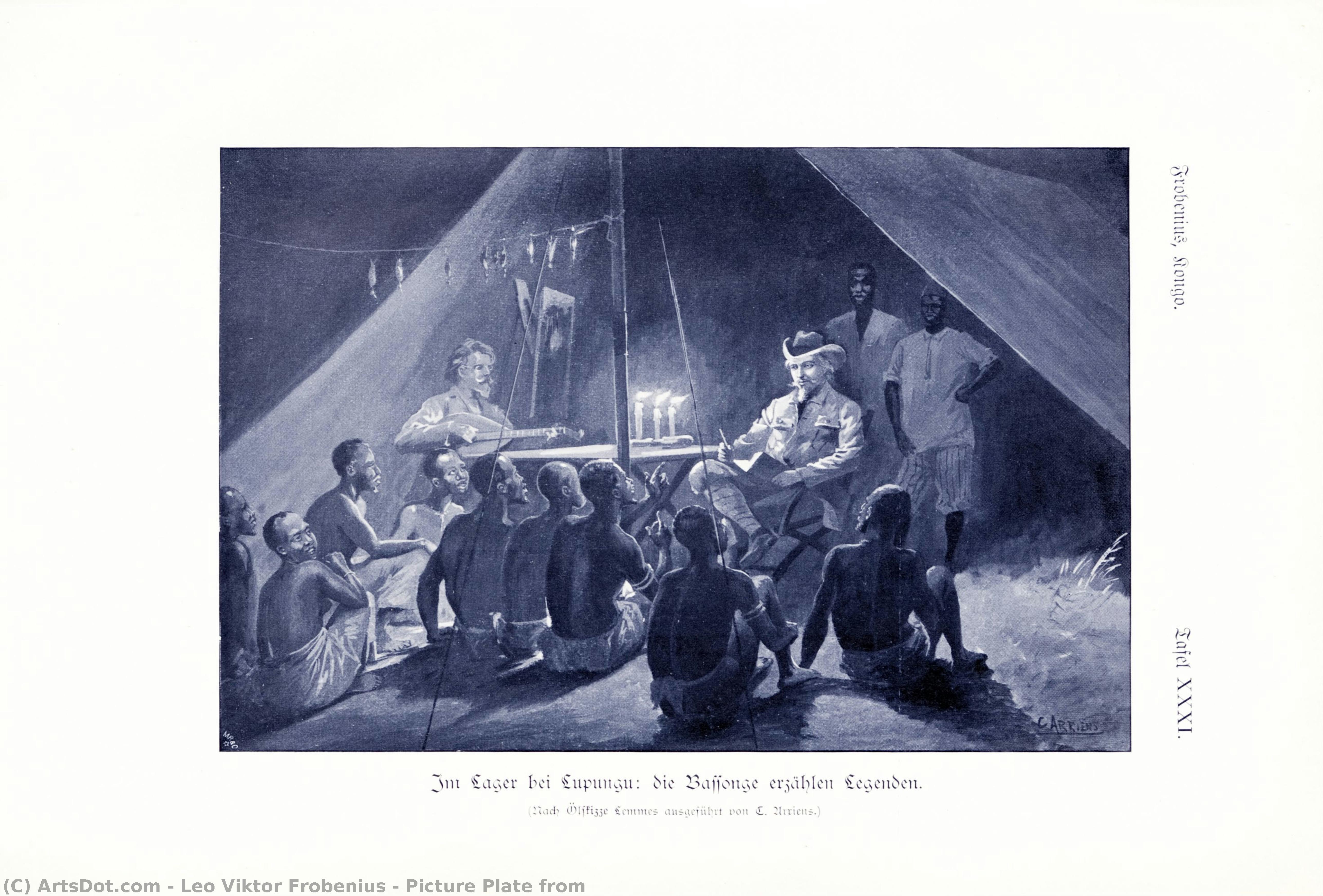
Picture Plate from


 Читать далее
Масляная репродукция ручной работы
Картина маслом на холсте в выбранном вами размере и раме, написанная на заказ нашими художниками. ( Перейти к печати Перейти к цифровым изображениям)




































Выберите один из наших стандартных размеров, соответствующих оригинальным пропорциям произведения искусства.

Вы можете указать собственные размеры, чтобы картина идеально вписалась в выбранную раму или пространство. Если выбранный вами размер не соответствует пропорциям оригинала, мы либо обрежем полотно, либо расширим его за счет дополнительных элементов, написанных вручную. Цифровой макет будет отправлен вам на утверждение перед началом производства.
Обратите внимание, что предварительный просмотр на экране не отражает фактическую обрезку или расширение. Только макет точно покажет окончательную композицию.
Хотя доступны индивидуальные размеры, мы рекомендуем выбирать вариант из предопределенного списка, чтобы сохранить исходные пропорции.
После оформления заказа команда ArtsDot.com свяжется с клиентом по электронной почте для уточнения деталей и предоставит предварительный макет
Доставка по всему миру () за 3–4 недели вместо стандартных 5 недель. (11 Сентябрь). Без компромиссов в качестве.

Бесплатная экспресс-доставка по всему миру

Высококачественный льняной холст

Полное страхование доставки

Гарантия возмещения таможенных пошлин

Гарантия точного соответствия цветов

100-дневная политика возврата (только при обнаружении дефектов)

Гарантия возврата 100% средств

Предложение оптовых скидок
 Вариант со стеклом доступен только для размеров менее 110 см

Picture Plate from
Техника репродукции
Размер репродукции
-


Итоговая стоимость
$ 263
Похожие произведения



Биография художника
The Self-Taught Voyager
Born into the disciplined atmosphere of a Prussian officer's household in Berlin, Leo Viktor Frobenius was a man whose intellectual boundaries were defined not by formal classrooms, but by an insatiable, wandering curiosity. As an autodidact, he bypassed the rigid structures of traditional academia to cultivate a profound understanding of the world through the works of thinkers like Richard Andree and Friedrich Ratzel. This early period of his life was marked by a burgeoning fascination with the ancient and the unseen, a passion for archaeology that would eventually lead him far from the cobblestones of Germany toward the vast, untamed landscapes of the African continent.Expeditions into the Unknown
Between 1904 and 1935, Frobenius embarked on a series of twelve legendary expeditions that would forever alter the landscape of ethnology. His journeys through the Kasai region of the Congo, as well as his travels across Sudan and Morocco, were far more than mere geographical surveys; they were deep, immersive descents into the soul of diverse human societies. He moved through these lands not just as an observer, but as a meticulous chronicler of the ephemeral, seeking to capture the very essence of cultural identity.- He documented the delicate beauty of prehistoric rock paintings that whispered stories of ancient eras.
- He captured the rhythmic pulse of oral histories, preserving voices that might otherwise have been lost to time.
- He studied the intricate social structures and material cultures that defined the very essence of community life.
The Echoes of Atlantis
Perhaps the most captivating, yet controversial, aspect of Frobenius’s intellectual legacy was his audacious hypothesis of an African Atlantis. Driven by the striking similarities he observed in cultural motifs across vast distances, he proposed that a lost, primordial civilization once flourished within the African continent, predating recorded history. This theory, while sparking intense debate among his contemporaries, showcased his ability to see patterns where others saw only isolation. Through his concept of Kulturkreise, or culture circles, he sought to map the diffusion of human traits, suggesting a shared ancestral thread that connected disparate peoples through ancient migrations and cultural exchanges.A Monumental Legacy
The impact of Frobenius’s life work extends far beyond his controversial theories, manifesting in the very institutions that continue to safeguard human heritage. In 1920, he established the Institut für Kulturmorphologie in Munich, a sanctuary for the study of cultural evolution. His academic presence at the University of Frankfurt and his role as a director of ethnographic museums solidified his status as a titan of German ethnography. Even today, the Frobenius Institute stands as a testament to his dedication, preserving the immense collection of African artifacts and knowledge he gathered during his life. Though he passed away in 1938 in the quiet beauty of Biganzolo, Italy, the echoes of his expeditions continue to resonate through the halls of modern anthropology.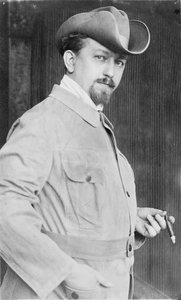
leo viktor frobenius
1873 - 1938 , Germany
Основные сведения
- Artistic Movement Or Style: Culture-historical approach
- Artists Or Movements Influenced By This Artist:
- Fritz Graebner
- Négritude
- Artists Who Influenced This Artist:
- Richard Andree
- Friedrich Ratzel
- Date Of Birth: June 29, 1873
- Date Of Death: August 9, 1938
- Full Name: Leo Viktor Frobenius
- Nationality: German
- Notable Artworks: ['Und Afrika sprach']
- Place Of Birth: Berlin, Germany