 Предпросмотр
 Поделиться
 Поделиться
 Детали произведения

 Скачать
 Похожие работы
 Рентгенография
 Слайд-шоу
 Статистика
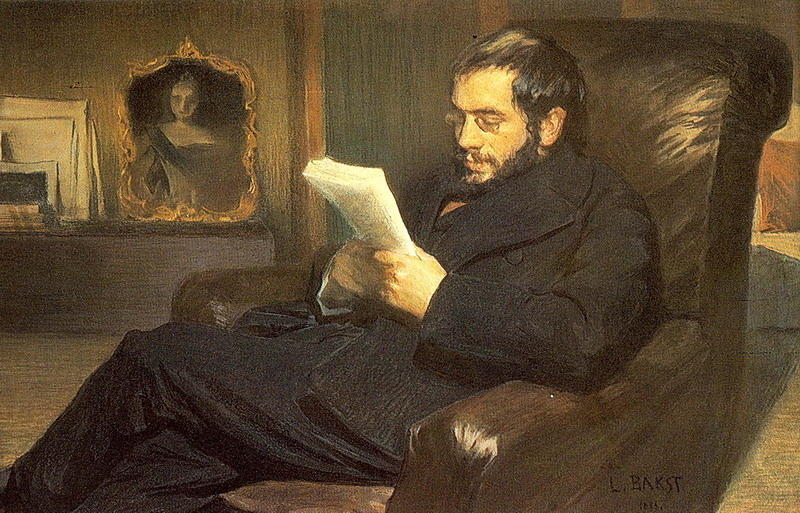
Portrait of Alexandre Benois


 Читать далее
Масляная репродукция ручной работы
Картина маслом на холсте в выбранном вами размере и раме, написанная на заказ нашими художниками. ( Перейти к печати Перейти к цифровым изображениям)




































Выберите один из наших стандартных размеров, соответствующих оригинальным пропорциям произведения искусства.

Вы можете указать собственные размеры, чтобы картина идеально вписалась в выбранную раму или пространство. Если выбранный вами размер не соответствует пропорциям оригинала, мы либо обрежем полотно, либо расширим его за счет дополнительных элементов, написанных вручную. Цифровой макет будет отправлен вам на утверждение перед началом производства.
Обратите внимание, что предварительный просмотр на экране не отражает фактическую обрезку или расширение. Только макет точно покажет окончательную композицию.
Хотя доступны индивидуальные размеры, мы рекомендуем выбирать вариант из предопределенного списка, чтобы сохранить исходные пропорции.
После оформления заказа команда ArtsDot.com свяжется с клиентом по электронной почте для уточнения деталей и предоставит предварительный макет
Доставка по всему миру () за 3–4 недели вместо стандартных 5 недель. (12 Сентябрь). Без компромиссов в качестве.

Бесплатная экспресс-доставка по всему миру

Высококачественный льняной холст

Полное страхование доставки

Гарантия возмещения таможенных пошлин

Гарантия точного соответствия цветов

100-дневная политика возврата (только при обнаружении дефектов)

Гарантия возврата 100% средств

Предложение оптовых скидок
 Вариант со стеклом доступен только для размеров менее 110 см

Portrait of Alexandre Benois
Техника репродукции
Размер репродукции
-


Итоговая стоимость
$ 263
A Glimpse into Intellectual Life: Portrait of Alexandre Benois by Léon Bakst
This captivating portrait, painted in 1898 by the renowned Russian artist Léon Bakst, offers a fascinating window into the life and times of Alexandre Benois, a prominent figure within Russia’s artistic and intellectual circles. The painting depicts Benois seated comfortably in a chair, engrossed in reading a newspaper – an everyday scene elevated to artistry through Bakst's masterful technique and keen observation. Beyond the subject himself, the composition reveals a richly detailed interior setting populated by other figures, hinting at a vibrant social life and providing context for Benois’s position within his community. A clock visible in the upper-left corner subtly anchors the scene in time, adding to the sense of quiet contemplation.Style & Technique: The Dawn of Modernism
Bakst's style here exemplifies the burgeoning *Mir iskusstva* ("World of Art") movement, a pivotal force in Russian art at the turn of the 20th century. Rejecting the prevailing academic realism, *Mir iskusstva* championed aesthetic beauty and sought inspiration from European movements like Impressionism and Art Nouveau. This portrait showcases Bakst’s ability to blend these influences with his own distinctive flair. Notice the soft, diffused lighting that gently illuminates Benois' face, creating a sense of intimacy and drawing attention to his intellectual expression. The brushwork is fluid and expressive, capturing texture and form with remarkable sensitivity. While rooted in realism, the painting possesses an ethereal quality, characteristic of Bakst’s later work which would become so influential in ballet design.Alexandre Benois: A Man of Many Talents
The subject, Alexandre Benois (1870-1960), was a multifaceted figure – an artist, art critic, historian, and founding member of *Mir iskusstva*. His contributions extended beyond painting; he played a crucial role in shaping the Russian artistic landscape through his writings and designs for the Ballets Russes under Sergei Diaghilev. This portrait isn't merely a likeness; it’s a representation of a man deeply engaged with culture, scholarship, and the arts. The newspaper he reads symbolizes his intellectual pursuits, while his well-groomed appearance suggests a refined sensibility. The presence of other figures in the background subtly alludes to his social standing and connections within St. Petersburg's elite circles.Symbolism & Emotional Impact
Beyond its aesthetic appeal, the portrait carries subtle symbolic weight. The clock, as mentioned earlier, represents the passage of time and perhaps a reflection on Benois’s legacy. The comfortable setting suggests stability and intellectual freedom. The overall emotional impact is one of quiet contemplation and understated elegance. Bakst masterfully conveys a sense of intelligence and introspection through Benois's gaze and posture. This painting invites viewers to step into the world of late 19th-century Russian high society, offering a glimpse into the life of a man who profoundly shaped his era. It’s a testament to both Bakst’s artistic skill and Benois’s enduring influence.Похожие произведения
Биография художника
Early Life and the Seeds of Artistic Rebellion
Léon Bakst, born Leyb-Khaim Izrailevich Rosenberg in 1866 within the confines of Grodno—a city then part of the Russian Empire—was not destined for a life of artistic renown from the outset. His early years were shaped by the constraints of his Jewish heritage and the societal prejudices prevalent at the time, yet it was precisely these circumstances that ultimately fueled his creative spirit. Born into a middle-class family with connections to the imperial court through his grandfather, a celebrated tailor who enjoyed patronage from Tsar Alexander III, young Leyb experienced a duality: he witnessed both the opulence of aristocratic life and the realities of marginalization within Russian society. His parents, while supportive of his burgeoning artistic inclinations, initially resisted them, viewing painting as an unconventional path for a young man. Despite their reservations, Bakst persevered, demonstrating a remarkable determination to pursue his passion. He began his artistic journey at just twelve years old, winning a drawing contest that ignited his confidence and solidified his ambition. This early success was followed by a period of rigorous training at the prestigious St. Petersburg Academy of Arts as a non-credit student—a strategic move that allowed him to supplement his education with practical experience, primarily through illustration work for books. This employment provided not only financial independence but also invaluable skills in composition, technique, and visual storytelling – all crucial elements that would later inform his groundbreaking stage designs. The decision to adopt the surname “Bakst” in 1889 was a pragmatic one, reflecting both a desire for greater career opportunities and a recognition of the potential challenges posed by his birth name within a society often marked by antisemitism. It was a calculated step taken to navigate the complexities of artistic ambition and social circumstance.The World of Art and Embracing Modernity
Bakst’s artistic development truly blossomed with his fervent involvement in the influential “World of Art” movement, or *Mir Iskusstva*. This collective, formed in 1898, represented a radical departure from the conservative academic traditions that dominated Russian art at the time. The World of Art sought to embrace modernity, exploring diverse influences—from Japanese prints and Islamic motifs to Symbolism and early Cubist ideas—and to create an artistic environment that celebrated beauty, innovation, and social critique. Bakst quickly became a pivotal figure within this vibrant circle, collaborating closely with luminaries such as Sergei Diaghilev and Alexandre Benois, contributing significantly to the group’s eponymous periodical through his striking graphics and innovative designs. His work for *Mir Iskusstva* was characterized by a bold experimentation with color, form, and subject matter—a clear indication of his willingness to challenge established conventions. He began to incorporate elements of Orientalism into his art, drawn to the exotic patterns, vibrant hues, and rich symbolism of cultures far removed from Russia. This fascination with the East would later become a defining feature of his theatrical designs. During this period, Bakst’s artistic style evolved rapidly, reflecting the dynamic currents of the era. He moved beyond traditional portraiture, embracing a more expressive and symbolic approach—a foreshadowing of the revolutionary aesthetic he would soon bring to the stage. His work began to whisper of a new visual language, one that moved beyond strict representation toward evocative suggestion.Revolutionizing Ballet with the Ballets Russes
The pivotal moment in Bakst’s career arrived in 1908 when he began designing sets and costumes for theatrical productions—a shift that would forever alter the landscape of stage design. His collaboration with Sergei Diaghilev's Ballets Russes proved transformative, revolutionizing theatrical aesthetics and catapulting both artists to international fame. Bakst’s designs were groundbreaking; they moved away from realistic depictions, embracing stylized forms, bold colors, and a sense of opulent fantasy. Productions like Cleopatra, Scheherazade (1910)—perhaps his most iconic work—Carnaval (1910), Narcisse (1911), and particularly L’Après-midi d’un Faune (1912) became legendary for their visual splendor. L’Après-midi d’un Faune, in particular, was a seminal work that profoundly influenced the development of ballet and stage design, establishing a new aesthetic language for the art form. He didn't merely create backdrops; he constructed immersive worlds that heightened the emotional impact of the choreography and music. The costumes were equally innovative, often incorporating exotic fabrics, shimmering embellishments, and daring silhouettes that challenged conventional notions of theatrical attire. Bakst’s designs weren’t simply decorative; they actively engaged with the narrative and musical score, creating a cohesive and unforgettable experience for the audience. His approach to costume design was particularly revolutionary—he moved beyond traditional historical accuracy, prioritizing mood, symbolism, and visual impact over literal representation.Legacy and Enduring Influence
Léon Bakst’s legacy extends far beyond his contributions to ballet. He is rightfully considered one of the most important figures in the history of theatrical design, significantly impacting both set and costume creation for generations to come. His designs influenced not only the Ballets Russes but also a wide range of other theatrical productions around the world. Bakst’s influence can be seen in the work of numerous designers who followed in his footsteps—artists who embraced experimentation, celebrated color and form, and sought to create visually stunning and emotionally resonant stage environments. Furthermore, Bakst's designs contributed significantly to the development of the Art Deco style with their emphasis on stylized forms, rich colors, and exotic themes—a testament to his far-reaching influence on visual culture. Despite facing some criticism during his lifetime for perceived extravagance, Bakst’s work was widely celebrated, and his funeral in 1924 was attended by a remarkable gathering of prominent artists, poets, musicians, dancers, and critics—a poignant demonstration of the esteem in which he was held. Today, his artwork can be found in museums worldwide and continues to inspire through reproductions available on platforms like ArtsDot.com, ensuring that his innovative spirit and artistic vision endure for audiences around the globe. Bakst’s ability to synthesize diverse influences, embrace experimentation, and create visually stunning worlds cemented his place as a true visionary of the 20th century.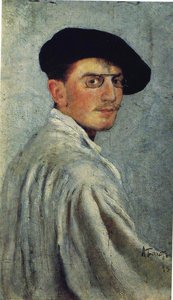
Леон Бакст
1866 - 1924 , Беларусь
Основные сведения
- Artistic Movement Or Style: Арт-нуво, Ориентализм
- Artists Or Movements Influenced By This Artist: ['Балеты Русские']
- Date Of Birth: 8 февраля 1866
- Date Of Death: 27 декабря 1924
- Full Name: Лéon Bakst
- Nationality: Русский
- Notable Artworks:
- Шехеразаде
- Послеполуденный фаунт
- Клеопатра
- Карнавал
- Спектр розы
- Place Of Birth: Гродно, Белоруссия
Похожие статьи
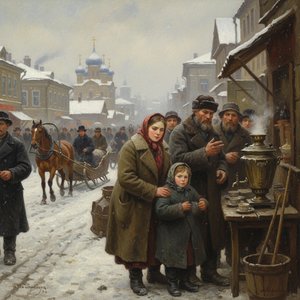
Vladimir Makovsky: Realism, Social Commentary & Russian Life in Late 19th-Century Painting
Explore the captivating world of Vladimir Makovsky, a leading Russian realist painter. Discover his insightful depictions of 19th-century life, social commentary & legacy with ArtsDot.
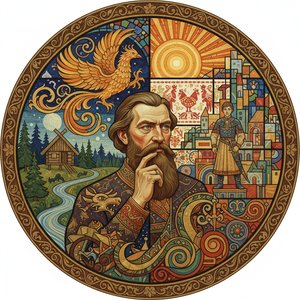
Ivan Bilibin: A Synthesis of Folklore, Modernism & National Identity in Russian Illustration
Explore the enchanting world of Ivan Bilibin, a master Russian illustrator who synthesized folklore, Art Nouveau & national identity. Discover his iconic fairy tale illustrations and legacy with ArtsDot.
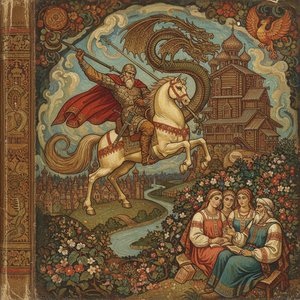
Victor Vasnetsov: Myth, Nationalism & the Revival of Russian Fairy Tale Painting
Explore the captivating world of Victor Vasnetsov, a co-founder of Russian folklorist painting. Discover his iconic works, influence on national identity, and lasting legacy in this expert guide.
Alexandre Benois: A Life Dedicated to Russian Art & the 'World of Art' Aesthetic
Explore the life & art of Alexandre Benois, a pivotal figure in Russian art history and founder of 'World of Art'. Discover his stunning stage designs for the Ballets Russes and lasting influence on modern aesthetics.
Léon Bakst: A Master of Decadence and the Ballet Russes' Visual Revolution
Explore the captivating world of Léon Bakst, master designer of the Ballets Russes. Discover his opulent costumes, revolutionary stagecraft & lasting influence on art and design. Learn about Diaghilev's vision and Bakst’s iconic works.