

 Предпросмотр
 Поделиться
 Поделиться
 Детали произведения

 Скачать
 Похожие работы
 Рентгенография
 Слайд-шоу
 Статистика
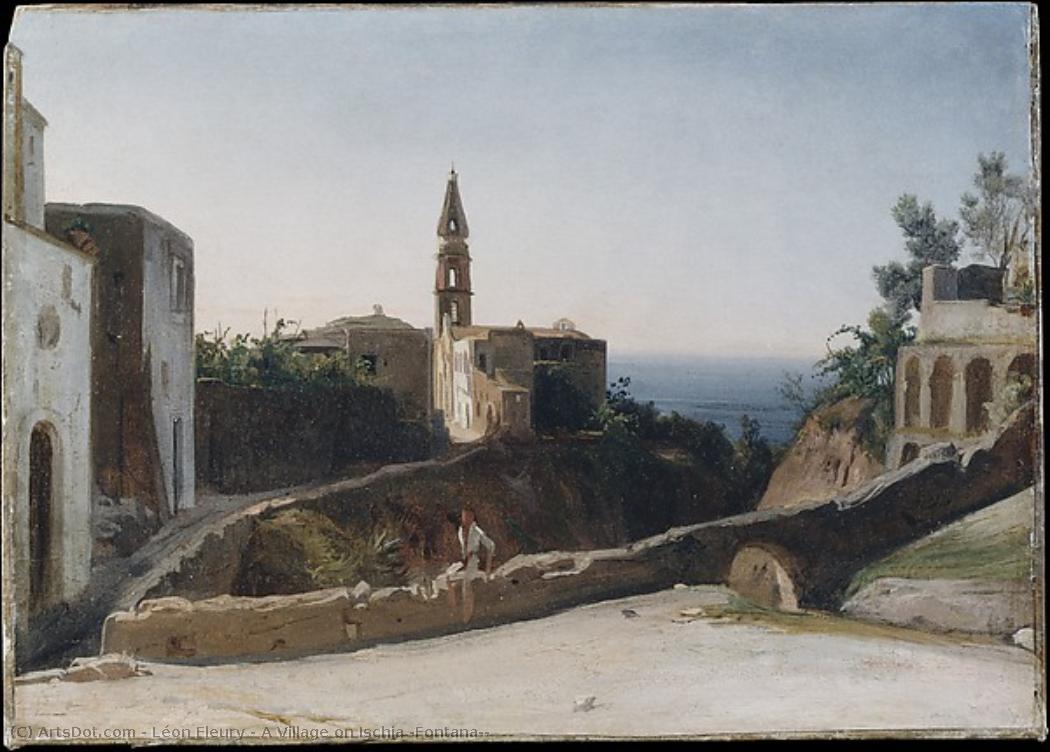
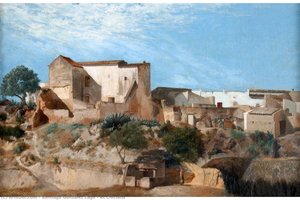
A Village on Ischia (Fontana?)
 Acrylic On Canvas
- WallArt
- Barbizon School
 1828
1828 24.0 x 34.0 cm
 Музей Метрополитен
 Читать далее
Приобретите цифровое изображение высокого разрешения в улучшенном качестве, которое значительно превосходит онлайн-превью.
Каждый файл тщательно подготавливается нашими специалистами с использованием передовых инструментов и экспертной ручной ретуши. Мы гарантируем исключительную четкость, точную цветопередачу и детальную проработку каждого изображения.
Финальный файл доставляется по электронной почте в течение 72 часов и оптимизирован для немедленного использования в профессиональной среде, при верстке и печати. Это тот же уровень качества, которому доверяют ведущие дизайнерские студии, издательства и галереи.
Цифровое изображение
Скачайте файл высокого разрешения для личного использования, печати и творческих проектов. ( Перейти к печати Купить картину ручной работы)
Включено в каждый заказ цифровых изображений
Гарантия экспертной цифровой доставки
Выбирая ArtsDot.com, вы получаете не просто изображение — вы приобретаете профессионально обработанное цифровое произведение искусства, созданное с безупречной точностью и под защитой гарантии качества. Вот всё, что автоматически входит в ваш заказ:

Мгновенная доставка по e-mail
Ваш цифровой файл в высоком разрешении будет отправлен вам по электронной почте в течение 72 часов после оформления заказа — и сразу станет доступен для использования.

Цифровой файл с ИИ-улучшением
Ваше произведение искусства проходит профессиональную оптимизацию с использованием передовых инструментов ИИ и ручной обработки, что гарантирует максимальную детализацию, четкость и точность цветопередачи.

Бессрочная бесплатная повторная доставка
Случайно удалили или потеряли файл? Не беспокойтесь — мы отправим его вам повторно в любое время и совершенно бесплатно.

Без импортных пошлин — навсегда
Наслаждайтесь вашим произведением искусства мгновенно без таможенных пошлин, сборов или затрат на доставку — цифровые загрузки всегда не облагаются налогом.

Гарантия точности цветопередачи
Мы гарантируем, что ваше цифровое изображение максимально точно передает оригинальные цвета благодаря использованию профессиональных инструментов и систем управления цветом.

Гарантия удовлетворенности 100 дней
Если вы не будете удовлетворены своим цифровым изображением, мы внесем правки или вернем 100% стоимости в течение 100 дней — без лишних вопросов.

100% Гарантия возврата средств
Не удовлетворены покупкой? Получите полный возврат средств в течение 100 дней после получения цифрового файла — без лишних вопросов.

Скидки на оптовые заказы
Купите 3 изображения, сэкономьте 10% — Купите 5, сэкономьте 15% — Купите 10+, сэкономьте 20%. Отличное решение для творческих проектов, галерей и агентств.
A Moment Frozen in Time: Léon Fleury’s “A Village on Ischia”
The painting "A Village on Ischia" by Léon Fleury, completed in 1828, isn't merely a depiction of a picturesque Italian landscape; it’s a carefully crafted distillation of Romantic sensibilities and an embodiment of the Barbizon school’s commitment to capturing the essence of nature. Examining this serene scene reveals layers of artistic intention that extend beyond mere visual beauty—a testament to Fleury’s skill as both observer and artist. Fleury's journey to Ischia coincided with a broader movement within European art – the burgeoning interest in plein air painting, championed by artists like Corot and Bertin. These painters rejected the studio tradition, prioritizing direct observation of the natural world and translating its immediacy onto canvas. Fleury’s decision to paint alongside Bertin speaks volumes about the intellectual climate of the time, where artistic exploration was inextricably linked with philosophical inquiry into the sublime – that feeling of awe inspired by confronting the grandeur and power of nature. The painting reflects this preoccupation, presenting a landscape imbued with an understated majesty. The artwork's technique is characterized by Fleury’s masterful use of broad brushstrokes—a hallmark of Barbizon aesthetics. Rather than striving for photographic realism, he employed a looser style to convey texture and atmosphere. Thick impasto creates visible ridges on the buildings and foliage, grounding the viewer in the physicality of the scene. This deliberate roughness isn't accidental; it’s designed to evoke a visceral response, mirroring the rugged beauty of the Italian countryside. The artist skillfully blended muted greens and browns, punctuated by splashes of cerulean blue from the distant sea horizon, creating a harmonious palette that reinforces the painting’s tranquil mood. Beyond its aesthetic qualities, “A Village on Ischia” carries symbolic resonance. The prominent church tower serves as a focal point, representing faith and community—a cornerstone of rural life in 19th-century Italy. Fleury's careful composition directs the eye across the landscape, emphasizing the interconnectedness between humanity and nature. The muted colors contribute to an emotional impact that transcends mere visual pleasure; they invite contemplation and evoke memories of simpler times. The painting’s influence can be seen in subsequent generations of landscape artists who sought to emulate Fleury's approach—a dedication to capturing fleeting moments of beauty with sensitivity and honesty. “A Village on Ischia” remains a captivating example of Romantic idealism translated into visual form, offering an enduring glimpse into the artistic spirit of its era and continuing to inspire admiration for its understated elegance and profound connection to the natural world.Похожие произведения

Биография художника
Early Life and Artistic Foundations
François Antoine Léon Fleury, born in Paris around 1804, emerged from a lineage steeped in artistic tradition. His father, Antoine Claude Fleury, served as his initial mentor, laying the groundwork for a career that would blossom into serene depictions of the French countryside and beyond. This early familial influence proved pivotal, instilling within young Léon a foundational understanding of painting techniques and an appreciation for landscape as a subject worthy of dedicated study. However, his formal training extended beyond the paternal studio; he continued honing his skills under the tutelage of Jean-Victor Bertin at the prestigious École des Beaux-Arts in Paris. This academic grounding provided structure to his natural talent, preparing him for a life devoted to capturing the nuances of light and atmosphere.
A Wanderer’s Eye: Sketching Tours and Italian Inspiration
The period between 1827 and 1830 marked a crucial phase in Fleury's development—a time dedicated to immersive sketching tours across France and its neighboring countries. These journeys were not merely geographical explorations but rather artistic pilgrimages, undertaken with the express purpose of observing and documenting the diverse beauty of the European landscape. This period culminated in a transformative sojourn to Italy, where he encountered fellow artists like Théodore Caruelle d’Aligny and Camille Corot. The shared practice of *plein air* painting—sketching directly from nature—forged strong bonds and fostered a stylistic kinship among them. Indeed, the works produced during this Italian period often exhibit such similarities that discerning individual authorship can prove challenging, a testament to their collective pursuit of capturing fleeting moments of natural light and form.
Bridging Landscape with Religious Themes
While primarily recognized as a landscape painter, Fleury demonstrated versatility by occasionally venturing into figural compositions. Notably, he undertook commissions for religious works, including the painting of ‘The Baptism of Christ’ in the church of St. Marguerite and ‘St. Genevieve’ at St. Étienne-du-Mont in Paris. These projects reveal an ability to translate his sensitivity to atmosphere and composition—honed through landscape work—to narrative scenes imbued with spiritual significance. However, it was his landscapes that truly defined his artistic identity, capturing the essence of rural France with a quiet intimacy.
The Barbizon School & Artistic Legacy
Fleury’s style aligns closely with the principles of the Barbizon school, a group of French landscape painters who rejected the idealized classicism prevalent in academic art. Instead, they championed direct observation of nature and sought to depict scenes with honesty and realism. His paintings are characterized by muted colors, atmospheric perspective, and loose brushstrokes—techniques employed to convey the feeling and mood of a place rather than precise topographical detail. He regularly exhibited at the Salon between 1831 and 1855, earning recognition for his evocative depictions of the countryside, including bronze and silver medals in 1834 and 1837 respectively, culminating in a gold medal in 1845.
A Lasting Impression: Fleury’s Place in Art History
Although not as widely celebrated as some of his Barbizon contemporaries, Léon Fleury occupies an important position within the development of French Romantic landscape painting. His serene scenes offer a glimpse into the beauty of 19th-century France and reflect a growing appreciation for the natural world. His dedication to *plein air* painting paved the way for later Impressionist movements, influencing artists who sought to capture the ephemeral qualities of light and color. Fleury’s works continue to resonate with viewers today, offering a tranquil escape into the idyllic landscapes he so skillfully portrayed. His paintings can be found in museums such as the National Gallery of Art in Washington D.C., and are treasured for their quiet beauty and atmospheric depth.
léon fleury
1804 - 1858 , France
Основные сведения
- Artistic Movement Or Style: Romantic Landscape Art
- Artists Who Influenced This Artist:
- Antoine Claude Fleury
- Jean-Victor Bertin
- Date Of Birth: 1804
- Date Of Death: 1858
- Full Name: François Antoine Léon Fleury
- Nationality: French
- Notable Artworks:
- Baptism of Christ
- A Village on Ischia
- View of Tivoli
- Place Of Birth: Paris, France