


 Поделиться
 Поделиться
 Детали произведения

 Скачать
 Похожие работы
 Слайд-шоу
 Статистика
Father and son in the Patras harbour
 Black and White Photography
- Photo
 1897
1897- 19th Century
 155.0 x 83.0 cm
 Музей греческой цивилизации Бенаки
 Читать далее
Приобретите цифровое изображение высокого разрешения в улучшенном качестве, которое значительно превосходит онлайн-превью.
Каждый файл тщательно подготавливается нашими специалистами с использованием передовых инструментов и экспертной ручной ретуши. Мы гарантируем исключительную четкость, точную цветопередачу и детальную проработку каждого изображения.
Финальный файл доставляется по электронной почте в течение 72 часов и оптимизирован для немедленного использования в профессиональной среде, при верстке и печати. Это тот же уровень качества, которому доверяют ведущие дизайнерские студии, издательства и галереи.
Цифровое изображение
Скачайте файл высокого разрешения для личного использования, печати и творческих проектов. ( Перейти к печати Купить картину ручной работы)
Включено в каждый заказ цифровых изображений
Гарантия экспертной цифровой доставки
Выбирая ArtsDot.com, вы получаете не просто изображение — вы приобретаете профессионально обработанное цифровое произведение искусства, созданное с безупречной точностью и под защитой гарантии качества. Вот всё, что автоматически входит в ваш заказ:

Мгновенная доставка по e-mail
Ваш цифровой файл в высоком разрешении будет отправлен вам по электронной почте в течение 72 часов после оформления заказа — и сразу станет доступен для использования.

Цифровой файл с ИИ-улучшением
Ваше произведение искусства проходит профессиональную оптимизацию с использованием передовых инструментов ИИ и ручной обработки, что гарантирует максимальную детализацию, четкость и точность цветопередачи.

Бессрочная бесплатная повторная доставка
Случайно удалили или потеряли файл? Не беспокойтесь — мы отправим его вам повторно в любое время и совершенно бесплатно.

Без импортных пошлин — навсегда
Наслаждайтесь вашим произведением искусства мгновенно без таможенных пошлин, сборов или затрат на доставку — цифровые загрузки всегда не облагаются налогом.

Гарантия точности цветопередачи
Мы гарантируем, что ваше цифровое изображение максимально точно передает оригинальные цвета благодаря использованию профессиональных инструментов и систем управления цветом.

Гарантия удовлетворенности 100 дней
Если вы не будете удовлетворены своим цифровым изображением, мы внесем правки или вернем 100% стоимости в течение 100 дней — без лишних вопросов.

100% Гарантия возврата средств
Не удовлетворены покупкой? Получите полный возврат средств в течение 100 дней после получения цифрового файла — без лишних вопросов.

Скидки на оптовые заказы
Купите 3 изображения, сэкономьте 10% — Купите 5, сэкономьте 15% — Купите 10+, сэкономьте 20%. Отличное решение для творческих проектов, галерей и агентств.
A Moment Frozen in Time: The Patras Harbour
In the quiet, monochromatic depths of "Father and son in the Patras harbour," we are transported back to the year 1897, a time when the world moved at a more deliberate pace. This evocative piece captures a fleeting moment of human connection set against the industrious backdrop of a Greek port. The composition centers on two figures, a father and his son, whose presence anchors the scene with a sense of profound intimacy. There is an undeniable gravity in their stance; the subtle detail of a tie suggests a moment of significance, perhaps a departure or a homecoming, lending the photograph a narrative weight that transcends its visual simplicity. As we gaze upon them, we are not merely looking at subjects in a frame, but witnessing a shared history etched in silver and shadow.
The atmosphere of the Patras harbour breathes through the image, rendered with a masterful use of light and contrast that defines the era's photographic soul. Beyond the central figures, the background unfolds into a rhythmic dance of maritime life. The silhouettes of various boats sway gently in the harbor, their forms providing a structural complexity to the composition. Scattered throughout the scene, other figures appear like ghosts of the past, adding layers of social texture and movement. Even a small, misplaced sports ball on the ground serves as a poignant, playful reminder of the everyday life that continues even amidst the grander movements of history. This interplay between the stillness of the subjects and the latent energy of the harbor creates a captivating tension that draws the viewer deeper into the frame.
The Legacy of Leon Underwood
While this specific work captures a photographic moment, it is inextricably linked to the artistic lineage of Leon Underwood. Though primarily celebrated as a pioneer of British sculpture and an explorer of expressive figurative forms, Underwood’s connection to the era's visual documentation reflects a broader fascination with the human condition. His ability to bridge tradition and innovation—drawing inspiration from the raw power of African art and the structural depth of classical forms—mirrors the way this photograph captures both the formal elegance of the late 19th century and the raw, unvarnished reality of life at the water's edge. To possess a reproduction of such a piece is to hold a fragment of an era where every shadow told a story.
For the discerning collector or interior designer, this artwork offers more than mere decoration; it provides a window into a lost world. The monochromatic palette makes it an incredibly versatile addition to a sophisticated interior, capable of anchoring a room with its historical gravitas and timeless elegance. Whether placed in a sunlit gallery or a moody, library-style study, the piece invites contemplation and conversation. It serves as a soulful centerpiece that celebrates the enduring strength of familial bonds and the quiet beauty found in the most ordinary of maritime settings.
Похожие произведения
Биография художника
Leon Underwood: Bridging Tradition and Innovation in British Sculpture
Leon Underwood (1890-1975) stands as a fascinating figure within the landscape of early twentieth-century British art, often overshadowed by his more celebrated contemporaries. While he may not command the immediate recognition afforded to artists like Henry Moore or Barbara Hepworth – figures who benefited from significant institutional support and whose stylistic explorations resonated deeply with the zeitgeist – Underwood’s contribution to sculpture and printmaking deserves a renewed appreciation for its quiet brilliance and profound engagement with artistic heritage.- Early Life & Training: Born George Claude Leon Underwood in 1890, he pursued his artistic education at Regent Street Polytechnic before honing his skills at the Royal College of Art (RCA) between 1910 and 1913. This formative period instilled in him a disciplined approach to technique and exposed him to influential teachers like Henry Tonks, shaping his aesthetic sensibilities.
- Travels & Influences: Underwood’s adventurous spirit propelled him eastward in 1914, embarking on a perilous journey through Lithuania and Belarus amidst the escalating tensions of World War I. This expedition instilled within him an enduring fascination with Eastern European culture and traditions – influences that would subtly permeate his artistic output.
Sculpture: A Synthesis of Form and Emotion
Underwood’s sculptural practice distinguished itself by a remarkable fusion of stylistic approaches. He skillfully blended the formal rigor of Academic sculpture with expressive gestures derived from African art – a deliberate choice reflecting his conviction that “there should be a relationship between content and form in art.” This commitment to conveying emotion through meticulously crafted shapes resulted in works characterized by dynamism and psychological depth. Notable sculptures include pieces exploring themes of human figure, often imbued with subtle nuances of movement and gesture. His students—Henry Tonks and Blair Hughes-Stanton—were profoundly impacted by Underwood’s teaching methods and artistic vision.- Notable Works: Underwood's sculptural output includes pieces exploring themes of human figure, often imbued with subtle nuances of movement and gesture.
- Teaching Legacy: Underwood’s influence extended beyond his own creations; he mentored a generation of artists who embraced his belief in the importance of intuition alongside technical mastery.
Printmaking: Exploring Rhythm & Texture
Beyond sculpture, Underwood excelled as a printmaker, particularly in wood engraving. His prints demonstrated an exceptional command of line and texture—techniques he honed during his travels to Mexico where he was captivated by the vibrant colours and bold patterns of Mexican art. Underwood’s prints are notable for their rhythmic compositions and meticulous attention to detail, reflecting his conviction that “inspiration and intuition have a value over science and logic.” His work stands as testament to the enduring power of traditional printmaking methods combined with artistic vision.- Technique & Style: Underwood’s prints showcased an exceptional command of line and texture—techniques he honed during his travels to Mexico where he was captivated by the vibrant colours and bold patterns of Mexican art.
- Recognition & Exhibitions: Underwood's work gained recognition through exhibitions at Abbott and Holder, Pallant House and The Redfern Gallery, showcasing a retrospective in 1996.
Historical Significance & Legacy
Despite his understated profile within the broader canon of British Modernism—a movement largely defined by monumental forms and abstract explorations—Leon Underwood’s artistic integrity and unwavering dedication to craft ensured that he would be remembered as a pivotal figure in bridging the gap between Academic tradition and expressive innovation. His enduring influence can be discerned in the work of subsequent sculptors like Henry Moore and Barbara Hepworth, demonstrating his role as an educator and mentor who championed both technical precision and emotional resonance—a legacy deserving of renewed scholarly attention.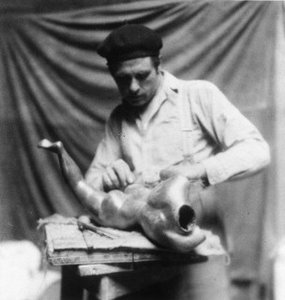
leon underwood
1890 - 1975
Основные сведения
- Artistic Movement Or Style: Modernist Sculpture
- Artists Or Movements Influenced By This Artist:
- Henry Moore
- Barbara Hepworth
- Artists Who Influenced This Artist:
- Gaudier-Brzeska
- Jacob Epstein
- Eric Gill
- Date Of Birth: December 25, 1890
- Date Of Death: October 9, 1975
- Full Name: George Claude Leon Underwood
- Nationality: British
- Notable Artworks:
- Belgian children made orphans by the war
- Temple of Olympian Zeus and the Acropolis in the background
- Place Of Birth: London