

 Поделиться
 Поделиться
 Детали произведения

 Скачать
 Похожие работы
 Слайд-шоу
 Статистика
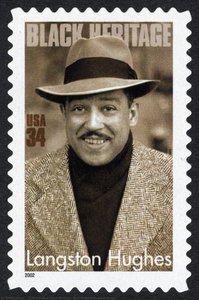
Langston Hughes
 Black and White Photography
- Photo
- Modernism
 1925
1925- Modern
 15.0 x 22.0 cm
 Национальная портретная галерея
 Читать далее
Жикле / Арт-принт
Печать (жикле) или холст музейного качества с быстрыми сроками изготовления и широким выбором вариантов отделки. ( Купить картину ручной работы Перейти к цифровым изображениям)




































Выберите один из наших стандартных размеров, соответствующих оригинальным пропорциям произведения искусства.

Вы можете указать свои собственные размеры, чтобы репродукция идеально подошла под конкретную раму или пространство. Если выбранный вами размер не будет соответствовать пропорциям оригинала, мы либо обрежем произведение, либо дополним изображение зеркальным отражением краев или однотонной заливкой. Перед началом производства вам будет отправлен цифровой макет для утверждения.
Пожалуйста, обратите внимание, что предварительный просмотр на экране не отображает фактическую обрезку или расширение изображения. Только макет точно покажет финальную композицию.
Несмотря на возможность заказа индивидуальных размеров, мы рекомендуем выбирать размер из предопределенного списка, чтобы сохранить оригинальные пропорции.
Доставка по всему миру () за 2 недели вместо стандартных 4/5 недель. (13 Сентябрь)

Бесплатная экспресс-доставка по всему миру

Высококачественный льняной холст

Полное страхование доставки

Гарантия возмещения таможенных пошлин

Гарантия точного соответствия цветов

100-дневная политика возврата (только при обнаружении дефектов)

Гарантия возврата 100% средств

Предложение оптовых скидок
 Вариант со стеклом доступен только для размеров менее 110 см

Langston Hughes
Жикле / Арт-принт
Размер репродукции
-


Итоговая стоимость
$ 62
A Moment Frozen in Time: The Soul of Langston Hughes
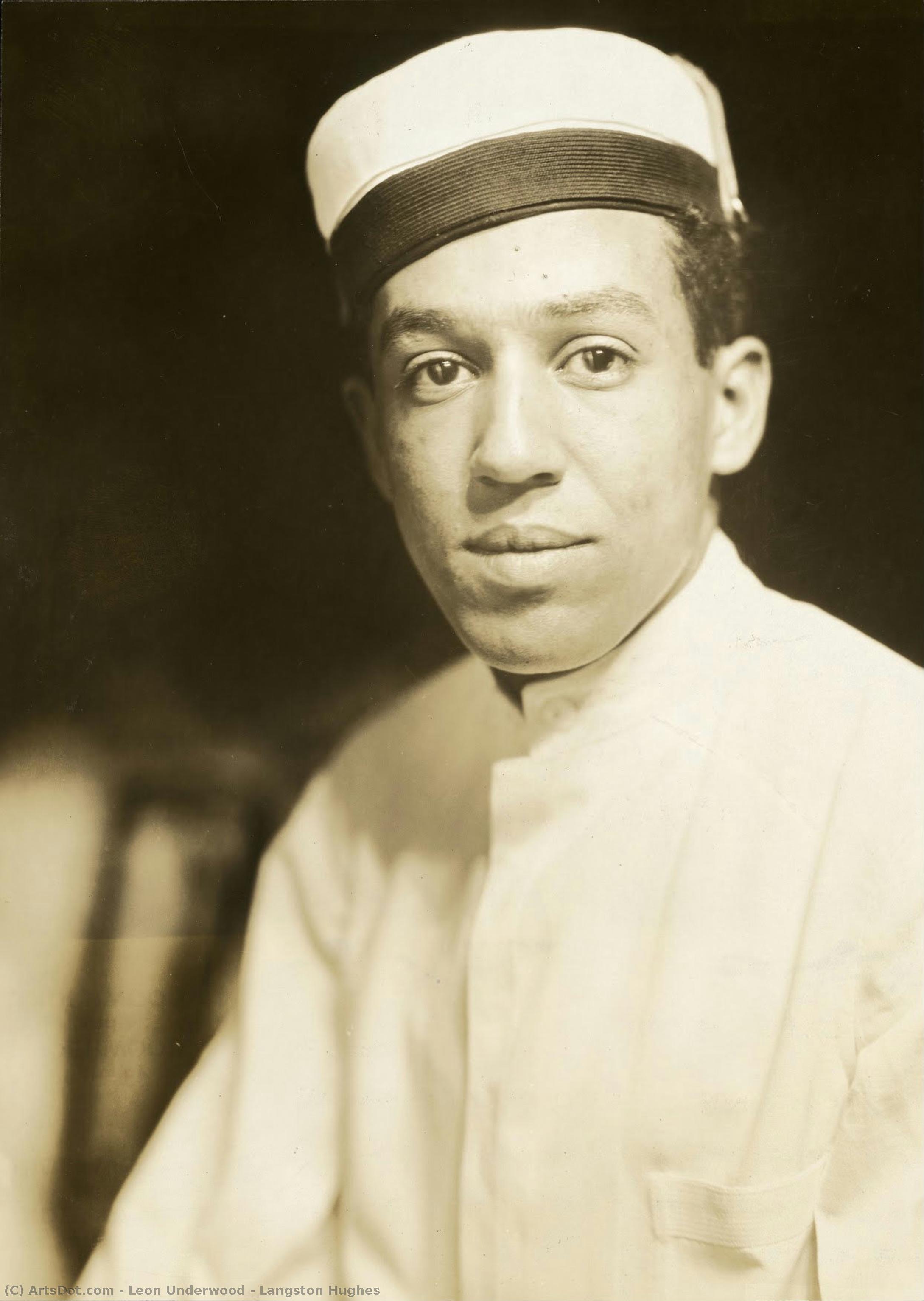
In this evocative black and white photograph from 1925, we are invited into a profound moment of stillness that transcends mere documentation. The subject, the legendary poet Langston Hughes, is captured in a pose of quiet dignity, wearing a uniform and hat that suggest a life shaped by both service and the weight of history. There is an undeniable gravity to his gaze, a sense of a man standing at the precipice of a cultural revolution. As a central figure of the Harlem Renaissance, Hughes did not merely participate in a movement; he forged a path through the complexities of identity, using the medium of modernist poetry to articulate the deep, rhythmic soul of African American life. This image serves as a window into that era, capturing the man behind the words before his voice became a fundamental global phenomenon.
The composition is strikingly intimate, stripped of all unnecessary distraction. By placing Hughes against a simple, textured wall, the photographer directs our entire emotional focus toward the subject's countenance and presence. The monochromatic palette enhances the interplay of light and shadow, carving out the contours of his face and the structural elements of his uniform with a sculptural precision. This technique lends the photograph a timeless quality, reminiscent of the fine art printmaking for which the artist Leon Underwood was known. The lack of background detail creates a vacuum of space that forces the viewer to confront the subject directly, fostering a connection that is both deeply personal and profoundly historical.
Mastery of Light and Monochrome Texture
The technical execution of this piece relies on the masterful use of contrast to create depth where color is absent. The starkness of the black and white tones allows for a dramatic interplay between light and shadow, which serves to emphasize the structural elements of the subject's attire and the weathered texture of the background. This approach creates a sense of sculptural precision, turning a two-dimensional photograph into a three-dimensional study of character. For the discerning collector, this monochromatic depth offers a sophisticated aesthetic that avoids the fleeting trends of color, instead leaning into a permanent, classical elegance.
Beyond its technical merit, the image carries a heavy symbolic weight. The uniform serves as a metaphor for the structured roles individuals often inhabit within society, while the steady, unblinking gaze of Hughes suggests an internal resilience that cannot be suppressed by external circumstances. It is an artwork that speaks to the strength found in silence and the power of presence. This piece does not merely show us a man; it shows us the quiet preparation of a legend.
A Sophisticated Addition to the Curated Interior
For the interior designer or art enthusiast, this photograph offers much more than a historical record; it provides a sophisticated focal point for any curated space. The starkness of its tones allows it to integrate seamlessly into various design languages, from modern minimalism to classic academic interiors. It possesses the unique ability to add a layer of intellectual depth and soulful character to a room, acting as a conversation piece that bridges the gap between the early twentieth century and the contemporary era.
Whether placed in a sunlit study, a minimalist gallery wall, or a professional creative studio, this reproduction brings with it an aura of prestige and historical significance. It is an ideal acquisition for those seeking to surround themselves with art that possesses both narrative power and aesthetic permanence, offering a window into the heart of the Harlem Renaissance through the lens of Leon Underwood’s profound vision.
Похожие произведения

Биография художника
Leon Underwood: Bridging Tradition and Innovation in British Sculpture
Leon Underwood (1890-1975) stands as a fascinating figure within the landscape of early twentieth-century British art, often overshadowed by his more celebrated contemporaries. While he may not command the immediate recognition afforded to artists like Henry Moore or Barbara Hepworth – figures who benefited from significant institutional support and whose stylistic explorations resonated deeply with the zeitgeist – Underwood’s contribution to sculpture and printmaking deserves a renewed appreciation for its quiet brilliance and profound engagement with artistic heritage.- Early Life & Training: Born George Claude Leon Underwood in 1890, he pursued his artistic education at Regent Street Polytechnic before honing his skills at the Royal College of Art (RCA) between 1910 and 1913. This formative period instilled in him a disciplined approach to technique and exposed him to influential teachers like Henry Tonks, shaping his aesthetic sensibilities.
- Travels & Influences: Underwood’s adventurous spirit propelled him eastward in 1914, embarking on a perilous journey through Lithuania and Belarus amidst the escalating tensions of World War I. This expedition instilled within him an enduring fascination with Eastern European culture and traditions – influences that would subtly permeate his artistic output.
Sculpture: A Synthesis of Form and Emotion
Underwood’s sculptural practice distinguished itself by a remarkable fusion of stylistic approaches. He skillfully blended the formal rigor of Academic sculpture with expressive gestures derived from African art – a deliberate choice reflecting his conviction that “there should be a relationship between content and form in art.” This commitment to conveying emotion through meticulously crafted shapes resulted in works characterized by dynamism and psychological depth. Notable sculptures include pieces exploring themes of human figure, often imbued with subtle nuances of movement and gesture. His students—Henry Tonks and Blair Hughes-Stanton—were profoundly impacted by Underwood’s teaching methods and artistic vision.- Notable Works: Underwood's sculptural output includes pieces exploring themes of human figure, often imbued with subtle nuances of movement and gesture.
- Teaching Legacy: Underwood’s influence extended beyond his own creations; he mentored a generation of artists who embraced his belief in the importance of intuition alongside technical mastery.
Printmaking: Exploring Rhythm & Texture
Beyond sculpture, Underwood excelled as a printmaker, particularly in wood engraving. His prints demonstrated an exceptional command of line and texture—techniques he honed during his travels to Mexico where he was captivated by the vibrant colours and bold patterns of Mexican art. Underwood’s prints are notable for their rhythmic compositions and meticulous attention to detail, reflecting his conviction that “inspiration and intuition have a value over science and logic.” His work stands as testament to the enduring power of traditional printmaking methods combined with artistic vision.- Technique & Style: Underwood’s prints showcased an exceptional command of line and texture—techniques he honed during his travels to Mexico where he was captivated by the vibrant colours and bold patterns of Mexican art.
- Recognition & Exhibitions: Underwood's work gained recognition through exhibitions at Abbott and Holder, Pallant House and The Redfern Gallery, showcasing a retrospective in 1996.
Historical Significance & Legacy
Despite his understated profile within the broader canon of British Modernism—a movement largely defined by monumental forms and abstract explorations—Leon Underwood’s artistic integrity and unwavering dedication to craft ensured that he would be remembered as a pivotal figure in bridging the gap between Academic tradition and expressive innovation. His enduring influence can be discerned in the work of subsequent sculptors like Henry Moore and Barbara Hepworth, demonstrating his role as an educator and mentor who championed both technical precision and emotional resonance—a legacy deserving of renewed scholarly attention.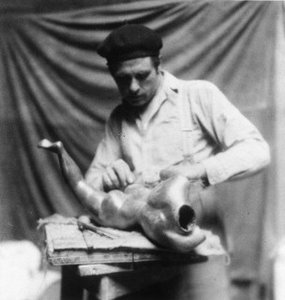
leon underwood
1890 - 1975
Основные сведения
- Artistic Movement Or Style: Modernist Sculpture
- Artists Or Movements Influenced By This Artist:
- Henry Moore
- Barbara Hepworth
- Artists Who Influenced This Artist:
- Gaudier-Brzeska
- Jacob Epstein
- Eric Gill
- Date Of Birth: December 25, 1890
- Date Of Death: October 9, 1975
- Full Name: George Claude Leon Underwood
- Nationality: British
- Notable Artworks:
- Belgian children made orphans by the war
- Temple of Olympian Zeus and the Acropolis in the background
- Place Of Birth: London
Похожие статьи

Monochrome Visions: Exploring the Aesthetic & Historical Significance of Black & White Photography
Explore the rich history & artistic power of black and white photography. From early techniques to iconic masters like Ansel Adams, discover why monochrome continues to captivate art lovers today. Expert insights for collectors.
Топ-10 шедевров в оттенках черного: искусство, история и декор с ArtsDot
Погрузитесь в мир великих шедевров, где черный цвет – символ страсти и драмы. От Караваджо до Мунка, откройте историю искусства с ArtsDot. Купите репродукции картин онлайн и преобразите свой интерьер! Explore the full collection on ArtsDot.com

Топ-10 знаменитых картин в черных тонах: шедевры искусства для вашего интерьера
Погрузитесь в мир темных шедевров! Топ-10 знаменитых картин в черных тонах от Гойи, Рембрандта и Мунка. История искусства, техники живописи и вдохновение для вашего интерьера. Купите репродукции высокого качества на ArtsDot.com
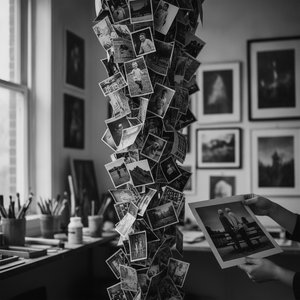
Монохромная элегия: Превратите личные воспоминания в вечные произведения искусства.
Превратите ваши личные фотографии в элегантные монохромные произведения искусства! ArtsDot – эксперты в создании репродукций и портретов на заказ. Доверьтесь мастерству наших художников и создайте вечное наследие для вашего дома.

Белые шедевры: 10 знаменитых картин, покоривших мир (репродукции, декор)
Откройте для себя 10 знаменитых картин, где белый цвет – главный герой! Моне, Дега и другие мастера. История искусства, техники живописи и вдохновение для вашего интерьера. Репродукции высокого качества на ArtsDot.com