

 Поделиться
 Поделиться
 Детали произведения

 Скачать
 Похожие работы
 Слайд-шоу
 Статистика
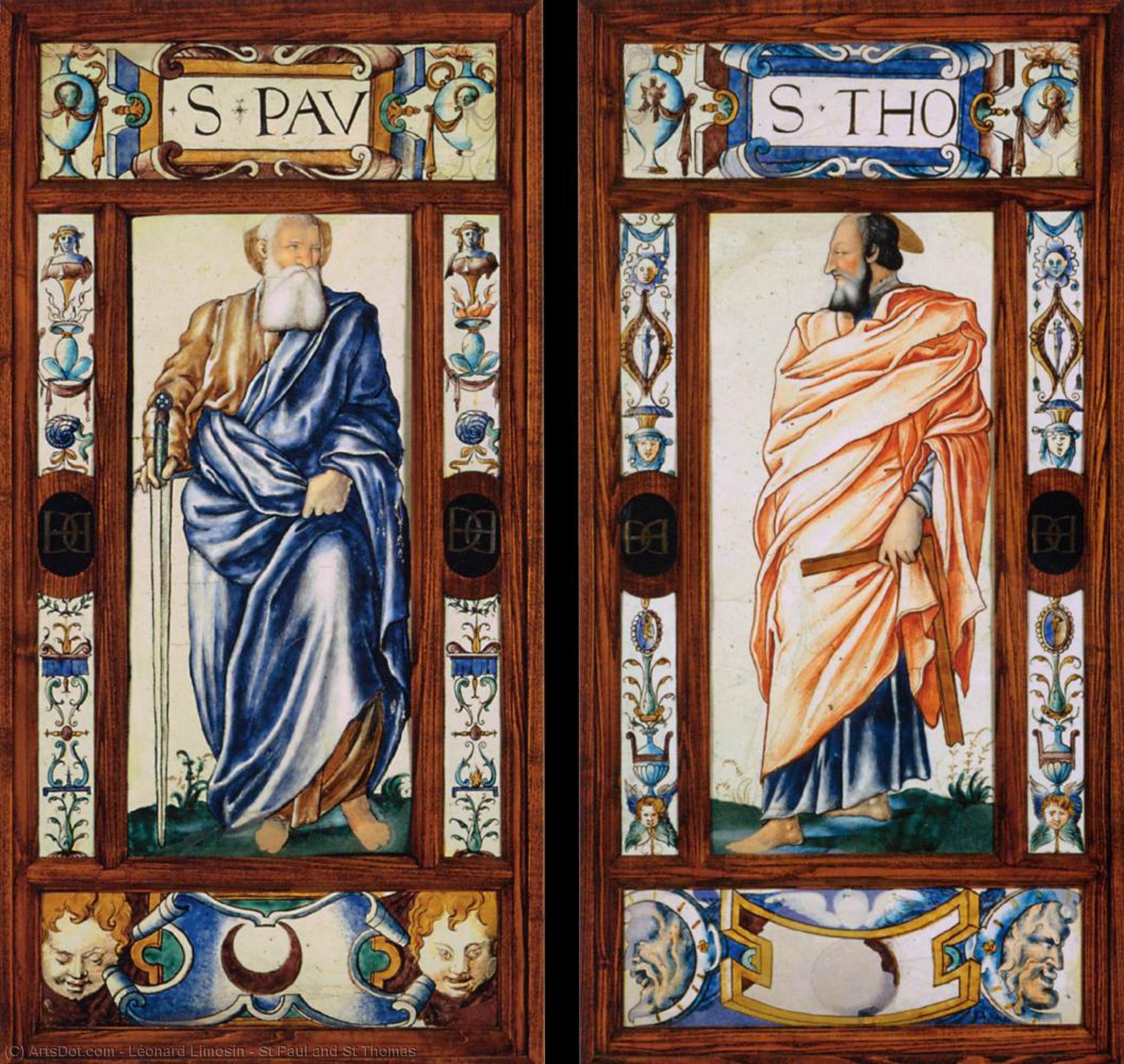
St Paul and St Thomas
 Enamel
- Decor
- Renaissance Painting
 1547
1547 92.0 x 43.0 cm
 Лувр
Лувр
 Читать далее
Жикле / Арт-принт
Печать (жикле) или холст музейного качества с быстрыми сроками изготовления и широким выбором вариантов отделки. ( Купить картину ручной работы Перейти к цифровым изображениям)




































Выберите один из наших стандартных размеров, соответствующих оригинальным пропорциям произведения искусства.

Вы можете указать свои собственные размеры, чтобы репродукция идеально подошла под конкретную раму или пространство. Если выбранный вами размер не будет соответствовать пропорциям оригинала, мы либо обрежем произведение, либо дополним изображение зеркальным отражением краев или однотонной заливкой. Перед началом производства вам будет отправлен цифровой макет для утверждения.
Пожалуйста, обратите внимание, что предварительный просмотр на экране не отображает фактическую обрезку или расширение изображения. Только макет точно покажет финальную композицию.
Несмотря на возможность заказа индивидуальных размеров, мы рекомендуем выбирать размер из предопределенного списка, чтобы сохранить оригинальные пропорции.
Доставка по всему миру () за 2 недели вместо стандартных 4/5 недель. (11 Сентябрь)

Бесплатная экспресс-доставка по всему миру

Высококачественный льняной холст

Полное страхование доставки

Гарантия возмещения таможенных пошлин

Гарантия точного соответствия цветов

100-дневная политика возврата (только при обнаружении дефектов)

Гарантия возврата 100% средств

Предложение оптовых скидок
 Вариант со стеклом доступен только для размеров менее 110 см

St Paul and St Thomas
Жикле / Арт-принт
Размер репродукции
-


Итоговая стоимость
$ 62
A Moment of Spiritual Encounter: Leonard Limosin’s “St Paul and St Thomas”
Leonard Limosin's "St Paul and St Thomas," painted in 1547, is more than just a depiction of two biblical figures; it’s a carefully constructed tableau brimming with Renaissance symbolism and imbued with a profound sense of contemplative piety. The painting captures a pivotal moment – the arrival of Saint Paul and Saint Thomas to evangelize the people of Rome, as recorded in Acts 21:3-4. Limosin masterfully portrays them not as triumphant messengers, but as humble seekers, engaged in earnest conversation within a richly detailed interior setting.
The scene unfolds within what appears to be a modest Roman dwelling, its architecture echoing the classical influences prevalent in Italian art of the period. A window, bathed in soft light, suggests an openness to divine grace, while the books scattered across the table hint at intellectual pursuit and the importance of scripture. The figures themselves are rendered with remarkable sensitivity – Paul, distinguished by his flowing white beard and authoritative stance, gestures towards Thomas, who listens intently, his youthful face reflecting a receptive spirit. The artist’s attention to detail is evident in the folds of their robes, the texture of the wooden table, and the subtle play of light and shadow, creating an atmosphere of quiet reverence.
The Language of Symbolism: Renaissance Values Reflected
Limosin's work is deeply rooted in the artistic and philosophical currents of the High Renaissance. The scene embodies key values of the era – faith, reason, and humanism. Paul’s gesture represents his role as a teacher and guide, while Thomas’s attentive posture signifies the importance of listening and learning. The inclusion of books underscores the centrality of knowledge and scholarship in the pursuit of spiritual understanding. Furthermore, the setting itself—a domestic interior—contrasts with the grand scale often associated with religious art, suggesting that faith is found not only in monumental cathedrals but also within the everyday spaces of human life.
The presence of two distinct figures – an older, established apostle and a younger, eager disciple – speaks to the transmission of knowledge and spiritual wisdom across generations. It’s a visual representation of mentorship and the ongoing process of faith development. The careful arrangement of objects—the books, the table, the window—creates a harmonious composition that invites contemplation on themes of divine guidance, human potential, and the enduring power of belief.
Technique and Artistic Legacy: Enamel Painting at its Finest
Limosin’s mastery lies in his exquisite enamel technique. Working with meticulously crafted copper plates overlaid with layers of colored glass paste, he achieved a remarkable level of detail and luminosity. The vibrant colors—the rich blues, deep reds, and shimmering golds—are applied with astonishing precision, creating an image that seems to radiate from within. This painstaking process, characteristic of Limosin’s oeuvre, demonstrates the immense skill and dedication required to produce these enduring works of art.
Limosin's work is considered a pivotal example of French enamel painting during this period, bridging the gap between German Renaissance influences (particularly Dürer’s prints) and the burgeoning Italian artistic tradition. His meticulous attention to detail, combined with his profound understanding of symbolism, firmly establishes him as one of the most accomplished artists of his generation. Reproductions of “St Paul and St Thomas” continue to resonate today, offering a glimpse into the spiritual and intellectual world of the Renaissance.
A Timeless Reflection: Emotional Resonance and Artistic Value
Beyond its historical and artistic significance, "St Paul and St Thomas" possesses a remarkable emotional resonance. The painting evokes a sense of quiet contemplation, inviting viewers to reflect on their own spiritual journeys and the importance of seeking guidance and wisdom. The figures’ expressions—a mixture of earnestness, humility, and respect—create a powerful connection with the viewer, fostering a feeling of shared humanity and faith.
Whether displayed in a private collection or a public gallery, this painting serves as a testament to the enduring power of art to illuminate the human condition and inspire profound reflection. Its meticulous craftsmanship, rich symbolism, and timeless themes ensure its continued appreciation for generations to come.
Похожие произведения
Биография художника
Biography
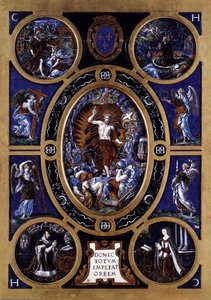
Léonard Limosin (b. ca. 1505, Limoges, d. ca. 1575/77) stands as one of the most celebrated enamel painters of Renaissance France, a figure whose legacy continues to inspire admiration for his masterful technique and profound artistic vision. Born in Limoges – a city renowned for its vibrant enamel tradition – he descended from a family of seven skilled enamellers, establishing him within a lineage deeply rooted in this distinctive art form. While precise details surrounding his early life remain elusive, scholarly consensus suggests that Limosin honed his craft under the tutelage of Jean Nardon Pénaud, a prominent Limoges artist whose influence undoubtedly shaped his formative years.- Early Influences: Limosin’s artistic journey commenced with an undeniable connection to German Renaissance art. His inaugural authenticated work, dated 1532, comprises eighteen enamel plaques depicting the Passion of Christ – a direct adaptation of prints by Albrecht Dürer. This stylistic debt underscores the pervasive impact of Northern European artistic sensibilities on French painters during this period.
- The Fontainebleau School: Recognizing the importance of broadening his artistic horizons, Limosin actively sought inspiration from the Italian masters residing at Fontainebleau Palace. Artists such as Primaticcio, Rosso Fiorentino, Giulio Romano and Andrea Solari captivated him with their innovative use of arabesque ornament and their exploration of mythological subjects—elements that would subsequently permeate his own oeuvre.
- Service to Royalty: In 1530 Limosin entered the service of Francis I as painter and valet de chambre, a position he maintained throughout Henry II’s reign. This patronage afforded him unparalleled access to royal commissions, resulting in numerous portraits executed in enamel—among them striking depictions of Diane de Poitiers, who served as Henry II's mistress, and elaborate decorative works adorning the palaces of Versailles and Fontainebleau.
Major Achievements & Legacy
Limosin’s contribution to art history is undeniable, primarily evidenced by his monumental achievement: the creation of approximately two thousand enamels—a staggering number that testifies to his prolific creativity and unwavering dedication to his craft. Among his most enduring masterpieces are the two votive tablets commissioned for Sainte Chapelle in Paris – a breathtaking assemblage of twenty-three plaques meticulously crafted according to Dürer’s designs, symbolizing faith and devotion. These tablets remain treasured relics of Gothic art, captivating visitors with their exquisite artistry and symbolic grandeur. Furthermore, Limosin's portraits—including depictions of Henry II, Marguerite de Valois, the Duke of Guise and Cardinal Lorraine—are considered cornerstones of Renaissance portraiture, capturing the dignity and complexity of royal figures with unparalleled skill. His works continue to be exhibited at prestigious institutions such as the Louvre Museum, ensuring that his artistic legacy persists for generations to come.Notable Works
Limosin’s oeuvre encompasses a diverse range of projects—from monumental enamel plaques to intimate miniature paintings—each reflecting his distinctive stylistic sensibilities and technical prowess. His most celebrated achievements include:- The Sainte Chapelle Votive Tablets
- Portraits of Henry II, Marguerite de Valois, Duke of Guise & Cardinal Lorraine
- Enamel Plaques Depicting Diane de Poitiers
léonard limosin
1505 - 1575 , France
Основные сведения
- Artistic Movement Or Style: Renaissance enamel art
- Artists Or Movements Influenced By This Artist: ['Italian Mannerists']
- Artists Who Influenced This Artist:
- Albrecht Dürer
- Francesco Primaticcio
- Rosso
- Date Of Birth: c. 1505
- Date Of Death: c. 1575
- Full Name: Léonard Limosin
- Nationality: French
- Notable Artworks:
- Crucifixion
- Resurrection
- Portrait of Galiot de Genouillac
- Place Of Birth: Limoges, France
Похожие статьи

25 Шедевров Поля Сезанна: Открывая Новую Эру в Искусстве | ArtsDot
Откройте для себя 25 величайших шедевров Поля Сезанна! Узнайте истории создания картин импрессионизма и постимпрессионизма, технику художника и вдохновение для вашего интерьера. Репродукции картин Сезанна высокого качества на ArtsDot.com.

Джотто ди Бондоне: 25 шедевров великого флорентийского мастера | ArtsDot
Погрузитесь в мир Джотто ди Бондоне! 25 величайших шедевров флорентийского мастера – фрески, картины, религиозная живопись. Узнайте историю создания и значение каждой работы. Репродукции картин высокого качества для вашего интерьера на ArtsDot.com
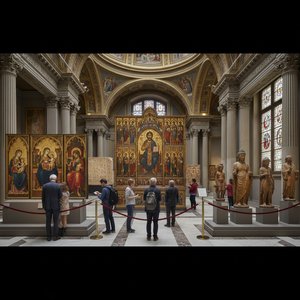
Sacred Narratives Embodied: A Comprehensive Exploration of Religious Iconography in Art History
Explore the rich history of religious iconography in art! Discover symbolism, movements & masterpieces from Byzantine to Renaissance periods. Expert insights for collectors and enthusiasts at ArtsDot.

Эль Греко: 25 шедевров гения. Купить картины онлайн | ArtsDot
Погрузитесь в мир Эль Греко! 25 величайших шедевров испанского маньеризма. Узнайте историю создания культовых картин, технику и символизм. Купите репродукции высокого качества для вашего интерьера на ArtsDot.com.
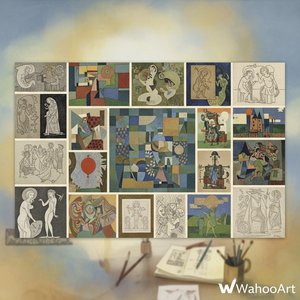
Пауль Клее: Топ-25 шедевров гения цвета и формы | ArtsDot
Погрузитесь в мир Пауля Клее! Топ-25 шедевров экспрессионизма и абстрактного искусства. Узнайте истории создания знаменитых картин, технику художника и вдохновитесь для интерьера. Репродукции музейного качества на ArtsDot.com.