

 Предпросмотр
 Поделиться
 Поделиться
 Детали произведения

 Скачать
 Похожие работы
 Рентгенография
 Слайд-шоу
 Статистика
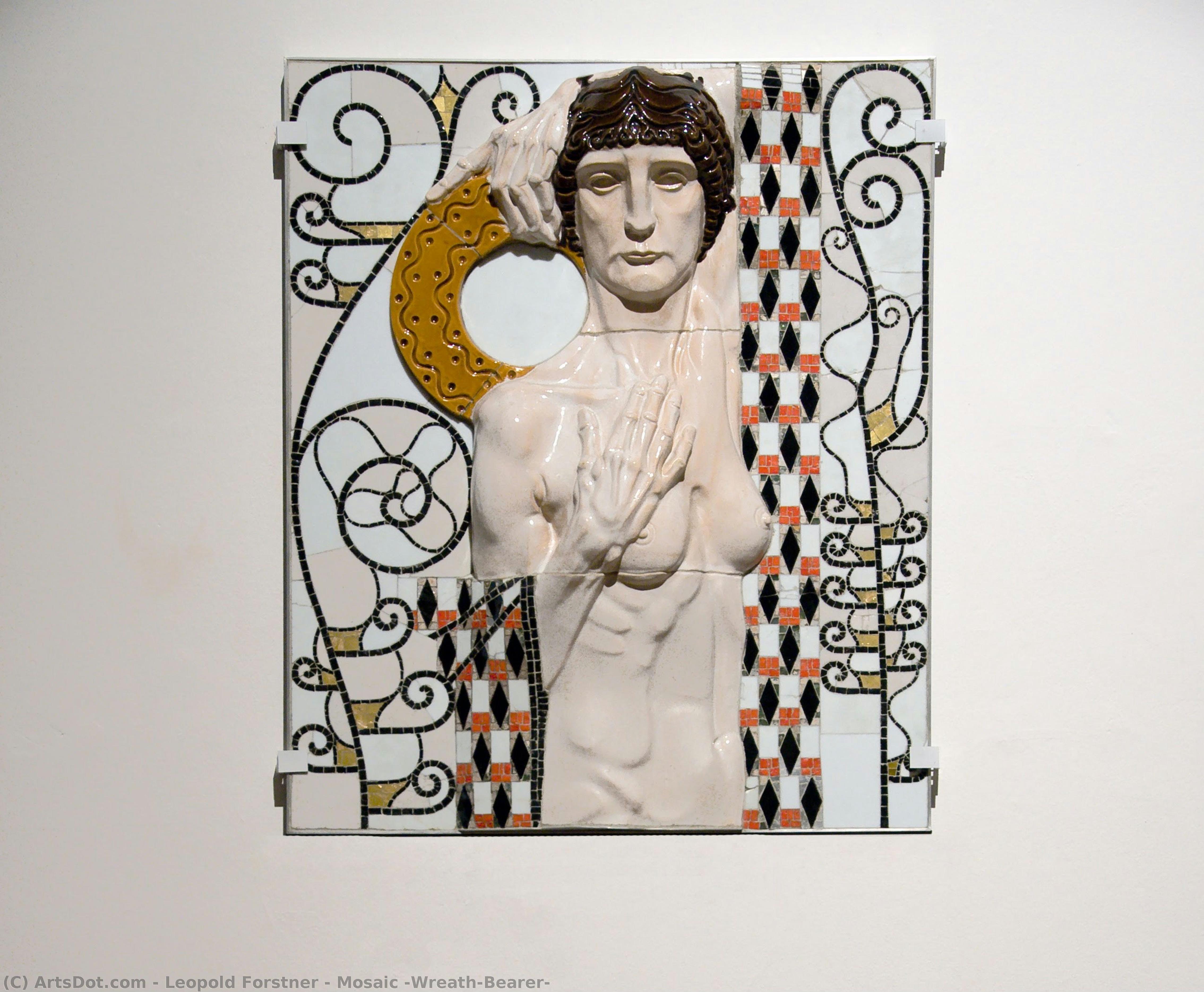
Mosaic “Wreath-Bearer”

 Читать далее
Приобретите цифровое изображение высокого разрешения в улучшенном качестве, которое значительно превосходит онлайн-превью.
Каждый файл тщательно подготавливается нашими специалистами с использованием передовых инструментов и экспертной ручной ретуши. Мы гарантируем исключительную четкость, точную цветопередачу и детальную проработку каждого изображения.
Финальный файл доставляется по электронной почте в течение 72 часов и оптимизирован для немедленного использования в профессиональной среде, при верстке и печати. Это тот же уровень качества, которому доверяют ведущие дизайнерские студии, издательства и галереи.
Цифровое изображение
Скачайте файл высокого разрешения для личного использования, печати и творческих проектов. ( Перейти к печати Купить картину ручной работы)
Включено в каждый заказ цифровых изображений
Гарантия экспертной цифровой доставки
Выбирая ArtsDot.com, вы получаете не просто изображение — вы приобретаете профессионально обработанное цифровое произведение искусства, созданное с безупречной точностью и под защитой гарантии качества. Вот всё, что автоматически входит в ваш заказ:

Мгновенная доставка по e-mail
Ваш цифровой файл в высоком разрешении будет отправлен вам по электронной почте в течение 72 часов после оформления заказа — и сразу станет доступен для использования.

Цифровой файл с ИИ-улучшением
Ваше произведение искусства проходит профессиональную оптимизацию с использованием передовых инструментов ИИ и ручной обработки, что гарантирует максимальную детализацию, четкость и точность цветопередачи.

Бессрочная бесплатная повторная доставка
Случайно удалили или потеряли файл? Не беспокойтесь — мы отправим его вам повторно в любое время и совершенно бесплатно.

Без импортных пошлин — навсегда
Наслаждайтесь вашим произведением искусства мгновенно без таможенных пошлин, сборов или затрат на доставку — цифровые загрузки всегда не облагаются налогом.

Гарантия точности цветопередачи
Мы гарантируем, что ваше цифровое изображение максимально точно передает оригинальные цвета благодаря использованию профессиональных инструментов и систем управления цветом.

Гарантия удовлетворенности 100 дней
Если вы не будете удовлетворены своим цифровым изображением, мы внесем правки или вернем 100% стоимости в течение 100 дней — без лишних вопросов.

100% Гарантия возврата средств
Не удовлетворены покупкой? Получите полный возврат средств в течение 100 дней после получения цифрового файла — без лишних вопросов.

Скидки на оптовые заказы
Купите 3 изображения, сэкономьте 10% — Купите 5, сэкономьте 15% — Купите 10+, сэкономьте 20%. Отличное решение для творческих проектов, галерей и агентств.
Похожие произведения





Биография художника
A Luminary of Light: The Mosaic Art of Leopold Forstner
Leopold Forstner, a name perhaps less immediately recognizable than some of his Viennese Secession contemporaries, nevertheless occupies a pivotal position in the development of early 20th-century decorative arts. Born in Bad Leonfelden, Austria, in 1878, Forstner’s artistic journey was deeply intertwined with the burgeoning spirit of innovation that characterized Vienna during its *fin de siècle* flowering. He wasn't merely a craftsman; he was an alchemist of light and color, elevating mosaic work from a traditional technique to a sophisticated art form capable of expressing the complex aesthetic ideals of the era. His life, though relatively undocumented compared to some artistic giants, reveals a dedicated pursuit of mastery within a specific medium – the mosaic – and a significant contribution to the Gesamtkunstwerk ethos championed by figures like Gustav Klimt and Josef Hoffmann.Early Life and Artistic Formation
Forstner’s early training remains somewhat obscure, but it is clear he was drawn to the rich artistic environment of Vienna. The city at the turn of the century was a crucible of new ideas, rejecting the historicism of previous generations in favor of a more streamlined, modern aesthetic. He became associated with the Viennese Secession, a group of artists who broke away from the conservative Künstlerhaus to establish their own exhibition space and promote their progressive vision. While not a founding member, Forstner quickly found resonance within the movement’s principles – its emphasis on functionality, geometric abstraction, and the integration of art into everyday life. This period saw him experimenting with various materials and techniques, but it was mosaic that would ultimately capture his imagination and define his artistic output. He wasn't simply replicating existing patterns; he sought to imbue the ancient craft with a new vitality, exploring the expressive potential of color, texture, and light reflection.The Stoclet Palace Commission: A Defining Moment
Forstner’s most significant achievement – and the work for which he is best known today – is his extensive contribution to the decoration of the Palais Stoclet in Brussels (1905-1911). This monumental project, commissioned by the wealthy Belgian banker Adolphe Stoclet, represented a pinnacle of the Gesamtkunstwerk ideal. Architect Josef Hoffmann designed the entire palace as a unified artistic statement, and Forstner was entrusted with creating a series of breathtaking mosaics for various rooms, including the dining room and the music salon. These weren’t merely decorative embellishments; they were integral components of the architectural design, harmonizing seamlessly with the building's structure and overall aesthetic.- Geometric Abstraction: Forstner’s mosaics at Stoclet Palace are characterized by their bold geometric forms and vibrant color palettes. He moved away from representational imagery, embracing abstraction as a means of conveying pure aesthetic emotion.
- Venetian Glass Influence: A key element of Forstner's distinctive style was his use of richly colored Venetian glass tesserae. This material lent an unparalleled luminosity and depth to his mosaics, creating shimmering surfaces that captured and reflected light in mesmerizing ways.
- Symbolic Motifs: While abstract, the mosaics are not devoid of meaning. They incorporate symbolic motifs drawn from ancient mythology and esoteric traditions, reflecting the intellectual currents of the time.
Later Years and Legacy
Following his success at the Palais Stoclet, Forstner continued to work on various decorative projects, though few are as extensively documented. He maintained a workshop in Stockerau, Austria, where he produced mosaics for private residences and public buildings. His later works demonstrate a refinement of his earlier style, with an increased emphasis on intricate patterns and subtle color gradations. He died in Stockerau in 1936, leaving behind a legacy that has only recently begun to receive the full recognition it deserves.Historical Significance and Enduring Appeal
Leopold Forstner’s contribution to the Viennese Secession lies not simply in his technical mastery of mosaic work but also in his ability to transform an ancient craft into a modern art form. He anticipated many of the trends that would define decorative arts throughout the 20th century, including the embrace of abstraction, the use of luxurious materials, and the integration of art into architecture. His mosaics at the Palais Stoclet remain a testament to the power of collaboration and the enduring appeal of *Jugendstil* aesthetics. Today, Forstner’s work is celebrated for its exquisite craftsmanship, its innovative design, and its ability to evoke a sense of timeless beauty. He stands as a compelling example of an artist who dedicated his life to perfecting a single medium, leaving behind a body of work that continues to inspire and captivate audiences worldwide.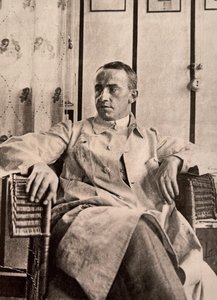
leopold forstner
1878 - 1936 , Austria
Основные сведения
- Artistic Movement Or Style: Viennese Secession, Jugendstil
- Artists Or Movements Influenced By This Artist: ['Gustav Klimt']
- Artists Who Influenced This Artist:
- Karl Karger
- Koloman Moser
- Date Of Birth: November 2, 1878
- Full Name: Leopold Forstner
- Nationality: Austrian
- Notable Artworks:
- Wreath-Bearer Mosaic
- Stoclet Palace Frieze
- Place Of Birth: Bad Leonfelden, Austria