

 Предпросмотр
 Поделиться
 Поделиться
 Детали произведения

 Скачать
 Похожие работы
 Рентгенография
 Слайд-шоу
 Статистика
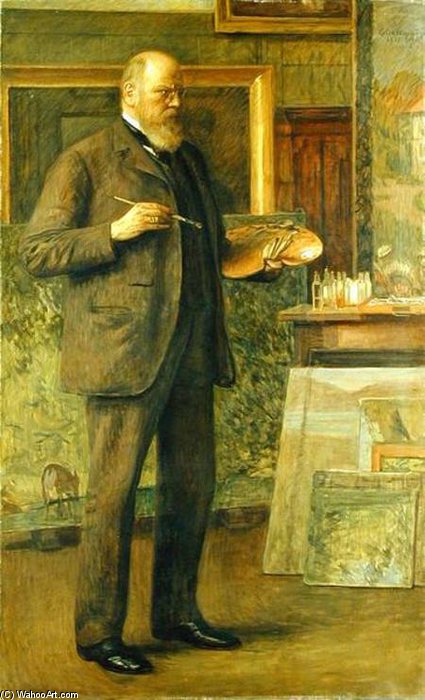
Self Portrait
 Читать далее
Приобретите цифровое изображение высокого разрешения в улучшенном качестве, которое значительно превосходит онлайн-превью.
Каждый файл тщательно подготавливается нашими специалистами с использованием передовых инструментов и экспертной ручной ретуши. Мы гарантируем исключительную четкость, точную цветопередачу и детальную проработку каждого изображения.
Финальный файл доставляется по электронной почте в течение 72 часов и оптимизирован для немедленного использования в профессиональной среде, при верстке и печати. Это тот же уровень качества, которому доверяют ведущие дизайнерские студии, издательства и галереи.
Цифровое изображение
Скачайте файл высокого разрешения для личного использования, печати и творческих проектов. ( Перейти к печати Купить картину ручной работы)
Включено в каждый заказ цифровых изображений
Гарантия экспертной цифровой доставки
Выбирая ArtsDot.com, вы получаете не просто изображение — вы приобретаете профессионально обработанное цифровое произведение искусства, созданное с безупречной точностью и под защитой гарантии качества. Вот всё, что автоматически входит в ваш заказ:

Мгновенная доставка по e-mail
Ваш цифровой файл в высоком разрешении будет отправлен вам по электронной почте в течение 72 часов после оформления заказа — и сразу станет доступен для использования.

Цифровой файл с ИИ-улучшением
Ваше произведение искусства проходит профессиональную оптимизацию с использованием передовых инструментов ИИ и ручной обработки, что гарантирует максимальную детализацию, четкость и точность цветопередачи.

Бессрочная бесплатная повторная доставка
Случайно удалили или потеряли файл? Не беспокойтесь — мы отправим его вам повторно в любое время и совершенно бесплатно.

Без импортных пошлин — навсегда
Наслаждайтесь вашим произведением искусства мгновенно без таможенных пошлин, сборов или затрат на доставку — цифровые загрузки всегда не облагаются налогом.

Гарантия точности цветопередачи
Мы гарантируем, что ваше цифровое изображение максимально точно передает оригинальные цвета благодаря использованию профессиональных инструментов и систем управления цветом.

Гарантия удовлетворенности 100 дней
Если вы не будете удовлетворены своим цифровым изображением, мы внесем правки или вернем 100% стоимости в течение 100 дней — без лишних вопросов.

100% Гарантия возврата средств
Не удовлетворены покупкой? Получите полный возврат средств в течение 100 дней после получения цифрового файла — без лишних вопросов.

Скидки на оптовые заказы
Купите 3 изображения, сэкономьте 10% — Купите 5, сэкономьте 15% — Купите 10+, сэкономьте 20%. Отличное решение для творческих проектов, галерей и агентств.
Похожие произведения

Биография художника
Gustave Courbet: A Revolutionary Vision of Reality
Born in Ornans, France, in 1819, Gustave Courbet’s life and art were inextricably linked to a profound rejection of academic tradition and a passionate commitment to portraying the world as he saw it – unidealized, gritty, and undeniably real. His journey from a humble upbringing to becoming one of the most influential figures in 19th-century French painting is a testament to his unwavering independence and artistic vision. Initially drawn to lithography, Courbet quickly gravitated towards oil paint, establishing himself as a key figure in the burgeoning Realist movement.
Courbet’s early years were marked by a deliberate distancing from the prevailing Salon system, which favored historical and mythological subjects executed with meticulous detail and idealized beauty. He famously refused to participate in the 1855 Salon, instead organizing his own exhibition – “The Salon of 1855” – showcasing works that challenged conventional notions of artistic subject matter. This bold act solidified his position as a revolutionary artist, determined to depict contemporary life with honesty and directness. His subjects ranged from peasant laborers and rural landscapes to intimate portraits of friends and family, all rendered without the romantic embellishments favored by earlier generations.
- Early Influences: Courbet’s artistic development was shaped by a diverse range of influences, including the Barbizon School painters who championed landscape painting as a legitimate art form. He also admired the works of Honoré Daumier, whose satirical prints offered a critical commentary on French society.
- The Painter's Studio (1855): This monumental canvas is arguably Courbet’s most famous work and a powerful statement about his artistic philosophy. It depicts an artist at work in his studio, surrounded by models, tools, and the remnants of past projects. The painting’s scale, its realistic depiction of everyday life, and its subtle symbolism—the nude woman representing inspiration, the child symbolizing the future—have been endlessly debated by art historians.
- Social Commentary: Courbet's work frequently addressed social issues, often portraying the lives of the working class with empathy and dignity. His paintings served as a visual critique of the inequalities and injustices prevalent in 19th-century France.
The Rise of Realism and Courbet’s Impact
Courbet's commitment to realism extended beyond mere subject matter; it encompassed his technique, composition, and approach to painting. He rejected the polished surfaces and meticulous brushwork associated with academic art, opting for a looser, more expressive style characterized by visible brushstrokes and an emphasis on capturing the essence of his subjects. His use of color was equally unconventional, often employing muted tones and earthy hues to create a sense of immediacy and authenticity.
Courbet’s influence on subsequent generations of artists is undeniable. He paved the way for Impressionism by challenging traditional notions of beauty and representation. Artists like Claude Monet, Edgar Degas, and Pierre-Auguste Renoir were deeply influenced by Courbet's emphasis on capturing fleeting moments and subjective perceptions. Furthermore, his rejection of academic conventions inspired movements such as Post-Impressionism and even aspects of Cubism.
Despite facing criticism and censorship throughout his career—his paintings were frequently rejected from official exhibitions and subjected to ridicule—Courbet remained steadfast in his artistic principles. He famously declared that he painted “only what he saw.” This simple yet profound statement encapsulates the core of his revolutionary vision, one that continues to resonate with artists and viewers today.
Later Works and a Turbulent Life
In the 1860s and 70s, Courbet’s work became increasingly politically charged. He produced monumental paintings such as *The Stone Breakers* (1867) and *Burial at Ornans* (1869-70), which depicted scenes of rural poverty and social inequality with unflinching realism. These works were met with widespread outrage, prompting accusations of vulgarity and immorality.
Courbet’s political involvement led to his arrest in 1871 during the Paris Commune, a radical socialist uprising that briefly seized control of the city. He was imprisoned for six months and subsequently exiled to Switzerland, where he continued to paint until his death in 1877. Despite facing personal hardship and professional setbacks, Courbet remained committed to his artistic vision, leaving behind a legacy as one of the most important and influential figures in the history of art.
A Lasting Legacy
Gustave Courbet’s impact on the course of art history is profound. He not only challenged the conventions of academic painting but also redefined the role of the artist as a social commentator and a recorder of contemporary life. His unwavering commitment to realism, his rejection of idealized beauty, and his willingness to confront difficult social issues continue to inspire artists today. Courbet’s paintings serve as a powerful reminder that art can be a vehicle for truth, empathy, and social change.
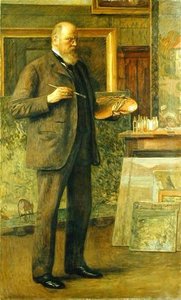
leopold karl walter von kalckreuth
1855 - 1928 , Germany
Основные сведения
- Artistic Movement Or Style: Realism
- Artists Or Movements Influenced By This Artist:
- Impressionism
- Cubism
- Artists Who Influenced This Artist: ['Jean-François Millet']
- Date Of Birth: 1855
- Date Of Death: 1928
- Full Name: Jean Désiré Gustave Courbet
- Nationality: French
- Notable Artworks:
- The Painter’s Studio
- L'Atelier du Peintre
- Bonjour Monsieur Courbet
- Place Of Birth: Ornans, France