

 Предпросмотр
 Поделиться
 Поделиться
 Детали произведения

 Скачать
 Похожие работы
 Рентгенография
 Слайд-шоу
 Статистика
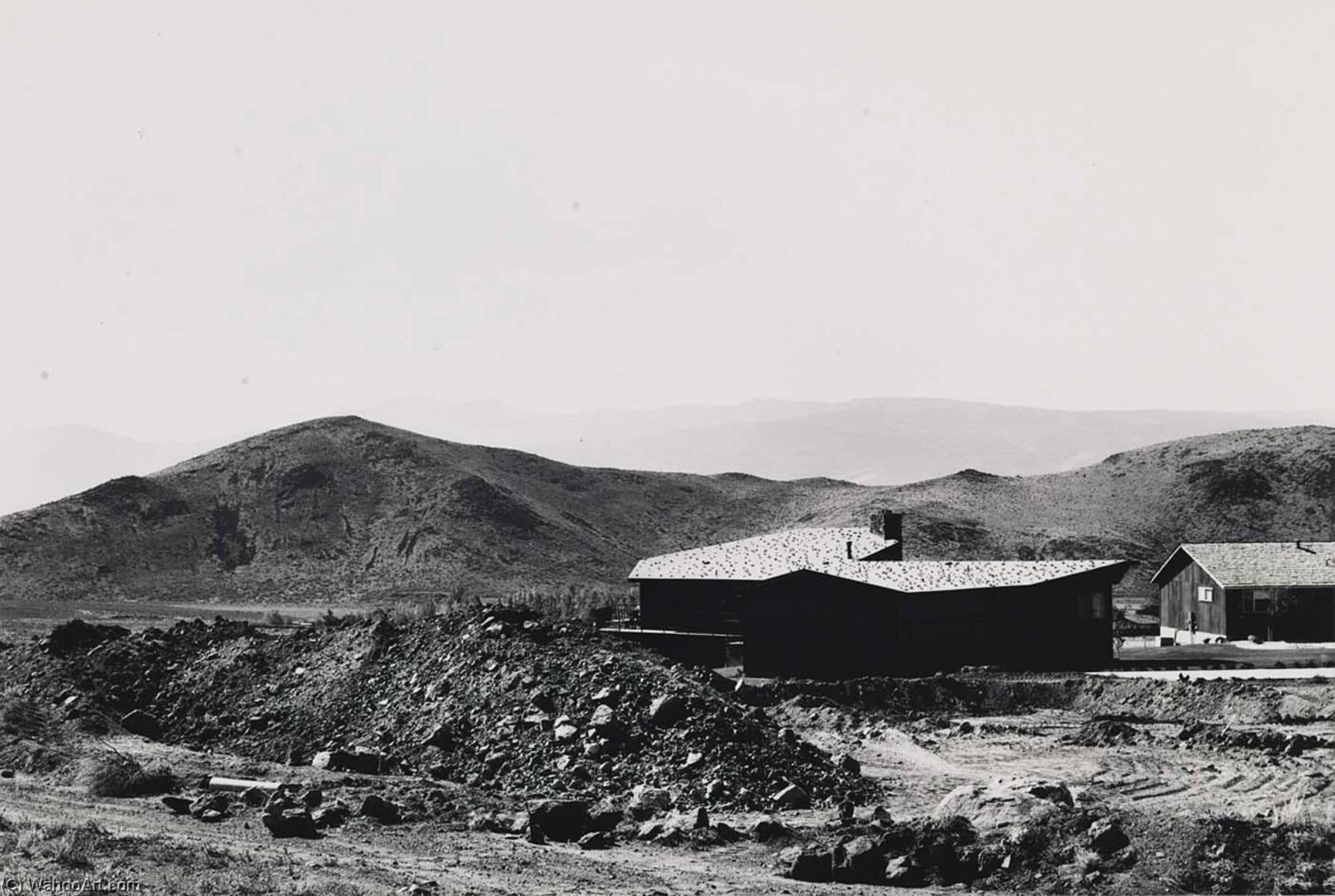
Nevada 3. Hidden Valley, looking Southwest
 1977
1977 20.0 x 25.0 cm
 Читать далее
Приобретите цифровое изображение высокого разрешения в улучшенном качестве, которое значительно превосходит онлайн-превью.
Каждый файл тщательно подготавливается нашими специалистами с использованием передовых инструментов и экспертной ручной ретуши. Мы гарантируем исключительную четкость, точную цветопередачу и детальную проработку каждого изображения.
Финальный файл доставляется по электронной почте в течение 72 часов и оптимизирован для немедленного использования в профессиональной среде, при верстке и печати. Это тот же уровень качества, которому доверяют ведущие дизайнерские студии, издательства и галереи.
Цифровое изображение
Скачайте файл высокого разрешения для личного использования, печати и творческих проектов. ( Перейти к печати Купить картину ручной работы)
Включено в каждый заказ цифровых изображений
Гарантия экспертной цифровой доставки
Выбирая ArtsDot.com, вы получаете не просто изображение — вы приобретаете профессионально обработанное цифровое произведение искусства, созданное с безупречной точностью и под защитой гарантии качества. Вот всё, что автоматически входит в ваш заказ:

Мгновенная доставка по e-mail
Ваш цифровой файл в высоком разрешении будет отправлен вам по электронной почте в течение 72 часов после оформления заказа — и сразу станет доступен для использования.

Цифровой файл с ИИ-улучшением
Ваше произведение искусства проходит профессиональную оптимизацию с использованием передовых инструментов ИИ и ручной обработки, что гарантирует максимальную детализацию, четкость и точность цветопередачи.

Бессрочная бесплатная повторная доставка
Случайно удалили или потеряли файл? Не беспокойтесь — мы отправим его вам повторно в любое время и совершенно бесплатно.

Без импортных пошлин — навсегда
Наслаждайтесь вашим произведением искусства мгновенно без таможенных пошлин, сборов или затрат на доставку — цифровые загрузки всегда не облагаются налогом.

Гарантия точности цветопередачи
Мы гарантируем, что ваше цифровое изображение максимально точно передает оригинальные цвета благодаря использованию профессиональных инструментов и систем управления цветом.

Гарантия удовлетворенности 100 дней
Если вы не будете удовлетворены своим цифровым изображением, мы внесем правки или вернем 100% стоимости в течение 100 дней — без лишних вопросов.

100% Гарантия возврата средств
Не удовлетворены покупкой? Получите полный возврат средств в течение 100 дней после получения цифрового файла — без лишних вопросов.

Скидки на оптовые заказы
Купите 3 изображения, сэкономьте 10% — Купите 5, сэкономьте 15% — Купите 10+, сэкономьте 20%. Отличное решение для творческих проектов, галерей и агентств.
Похожие произведения






Биография художника
The Quiet Power of Desolation
Lewis Baltz (1945-2014) stands as a cornerstone of the New Topographics movement, an artistic reaction to landscape painting’s romanticized depictions of nature in the wake of Abstract Expressionism. Rather than celebrating vistas and grandeur, Baltz confronted the pervasive emptiness of American industrial spaces—office buildings, parking lots, factories—transform im into subjects of profound contemplation. His photographs are not merely documentation; they are meditations on control, power dynamics, and the subtle psychological impact of these environments on human experience.
Born in Newport Beach, California, Baltz pursued formal artistic training diligently, earning a BFA from San Francisco Art Institute in 1969 followed by an MFA from Claremont Graduate School. Recognizing his talent early, he benefited from prestigious scholarships including those awarded by the National Endowment for the Arts and the Guggenheim Memorial Fellowship, fueling his ambition to explore uncharted territories within visual art. These grants provided invaluable resources for honing his craft and furthering his artistic vision.
A New Vision of the Man-Altered Landscape
Baltz’s photographic journey began in earnest during the late 1970s when he embraced the New Topographics aesthetic—characterized by black-and-white prints executed with meticulous precision. This movement sought to present a less innocent view of the landscape, challenging the nineteenth-century tradition of Western landscape photography represented by figures like Ansel Adams. Where the old guard captured the sublimity of mountains and shorelines, Baltz revealed the banality of the Golden State’s dead shopping malls and parking lots with a profound, postmodern detachment.
His work often took the form of monographic series or published portfolios that focused on specific geographic areas. These collections served as a visual inventory of suburban sprawl and industrial expansion. Notable achievements in his career include:
- The New Industrial Parks Near Irvine, California (1974): A seminal filmic sequence where massive industrial buildings abruptly rise from open fields, capturing the encroachment of industry on nature.
- Nevada (1978): A stark exploration of the desert landscape, stripped of human presence and traditional romanticism.
- Park City (1980): An examination of the changing topography of mountain landscapes.
Technique, Evolution, and Legacy
The technical execution of Baltz's work was marked by a certain stylistic anonymity, a method that allowed the subject matter to speak through a lens of objective, almost clinical observation. His early black-and-white prints possessed an unsettling stillness, often employing a precision that captured both spatial accuracy and a sense of psychological weight. As his career progressed into the 1980s, Baltz began to experiment with color, expanding his visual vocabulary to include more complex urban landscapes in Europe.
Beyond his solo photographic series, Baltz’s influence extended through teaching at prestigious institutions such as Yale and the California Institute of the Arts, as well as through collaborative projects. His later work often delved into themes of desire, power, and even the aesthetics of true crime, demonstrating a restless intellectual curiosity that refused to remain static. Having lived his final years between Venice, Italy, and Paris, France, he left behind a legacy that continues to challenge how we perceive the boundaries between the natural world and the man-made structures that increasingly define our existence.
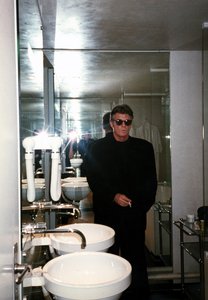
Lewis Baltz
1945 - 2014 , United States of America
Основные сведения
- Artistic Movement Or Style: New Topographics
- Artists Or Movements Influenced By This Artist: ['Minimalism']
- Artists Who Influenced This Artist:
- Robert Adams
- Eli Lautenbach
- Date Of Birth: September 12, 1945
- Date Of Death: November 22, 2014
- Full Name: Lewis Baltz
- Nationality: American
- Notable Artworks:
- Nevada 2. Hidden Valley
- Park City 18. Prospector Village
- Public Places Houston
- Place Of Birth: Newport Beach, United States