

 Предпросмотр
 Поделиться
 Поделиться
 Детали произведения

 Скачать
 Похожие работы
 Рентгенография
 Слайд-шоу
 Статистика
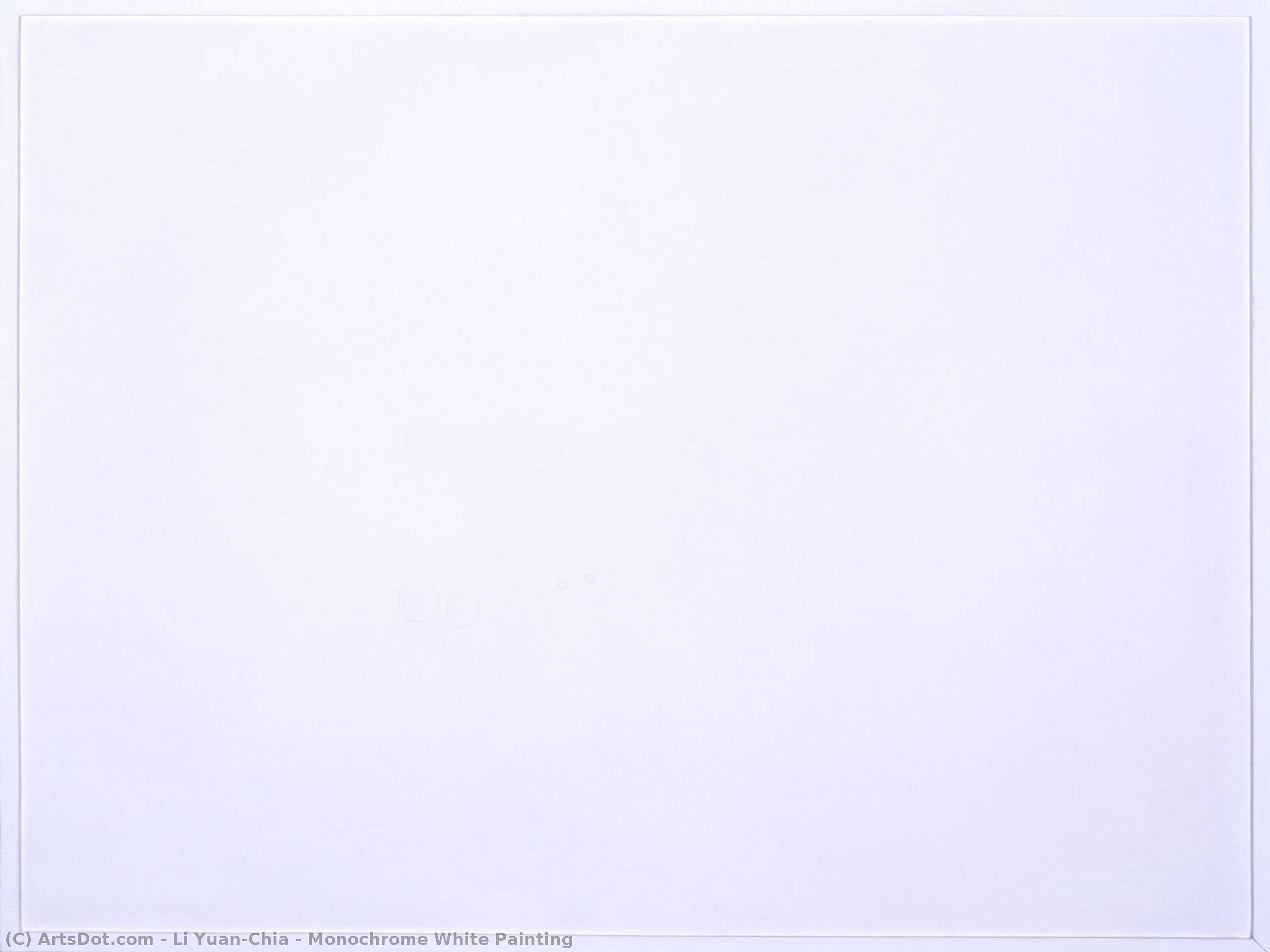
Monochrome White Painting


 Читать далее
Приобретите цифровое изображение высокого разрешения в улучшенном качестве, которое значительно превосходит онлайн-превью.
Каждый файл тщательно подготавливается нашими специалистами с использованием передовых инструментов и экспертной ручной ретуши. Мы гарантируем исключительную четкость, точную цветопередачу и детальную проработку каждого изображения.
Финальный файл доставляется по электронной почте в течение 72 часов и оптимизирован для немедленного использования в профессиональной среде, при верстке и печати. Это тот же уровень качества, которому доверяют ведущие дизайнерские студии, издательства и галереи.
Цифровое изображение
Скачайте файл высокого разрешения для личного использования, печати и творческих проектов. ( Перейти к печати Купить картину ручной работы)
Включено в каждый заказ цифровых изображений
Гарантия экспертной цифровой доставки
Выбирая ArtsDot.com, вы получаете не просто изображение — вы приобретаете профессионально обработанное цифровое произведение искусства, созданное с безупречной точностью и под защитой гарантии качества. Вот всё, что автоматически входит в ваш заказ:

Мгновенная доставка по e-mail
Ваш цифровой файл в высоком разрешении будет отправлен вам по электронной почте в течение 72 часов после оформления заказа — и сразу станет доступен для использования.

Цифровой файл с ИИ-улучшением
Ваше произведение искусства проходит профессиональную оптимизацию с использованием передовых инструментов ИИ и ручной обработки, что гарантирует максимальную детализацию, четкость и точность цветопередачи.

Бессрочная бесплатная повторная доставка
Случайно удалили или потеряли файл? Не беспокойтесь — мы отправим его вам повторно в любое время и совершенно бесплатно.

Без импортных пошлин — навсегда
Наслаждайтесь вашим произведением искусства мгновенно без таможенных пошлин, сборов или затрат на доставку — цифровые загрузки всегда не облагаются налогом.

Гарантия точности цветопередачи
Мы гарантируем, что ваше цифровое изображение максимально точно передает оригинальные цвета благодаря использованию профессиональных инструментов и систем управления цветом.

Гарантия удовлетворенности 100 дней
Если вы не будете удовлетворены своим цифровым изображением, мы внесем правки или вернем 100% стоимости в течение 100 дней — без лишних вопросов.

100% Гарантия возврата средств
Не удовлетворены покупкой? Получите полный возврат средств в течение 100 дней после получения цифрового файла — без лишних вопросов.

Скидки на оптовые заказы
Купите 3 изображения, сэкономьте 10% — Купите 5, сэкономьте 15% — Купите 10+, сэкономьте 20%. Отличное решение для творческих проектов, галерей и агентств.
A Study in White: Li Yuan-chia's "Monochrome White Painting"
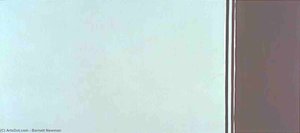
Li Yuan-chia’s “Monochrome White Painting,” created in 1963, is not merely an absence of color; it is a profound exploration of presence itself. This deceptively simple work, residing within the esteemed collection of Tate Modern, invites viewers to confront the very essence of perception and materiality. It stands as a pivotal example of minimalist art, a movement that sought to strip away representational imagery in favor of focusing on fundamental elements like form, color (or lack thereof), and texture. Yuan-chia’s piece transcends mere abstraction; it becomes an immersive experience, demanding a stillness and attentiveness rarely required by more visually complex artworks.
The Genesis of Absence: Context and Technique
To understand the power of “Monochrome White Painting,” one must consider its historical context. The early 1960s witnessed a burgeoning interest in reductive aesthetics, fueled by artists like Barnett Newman and Ad Reinhardt who sought to distill painting down to its barest essentials. Yuan-chia, drawing from both Eastern and Western artistic traditions, arrived at his own unique interpretation of this minimalist impulse. Born in China but deeply influenced by Taiwanese tonalism before relocating to London, he brought a meditative sensibility to the European avant-garde. The technique employed is deceptively subtle: layers upon layers of white and light grey oil paint are meticulously applied to canvas, creating an almost imperceptible gradient across the surface. It’s not a uniform expanse; rather, it's a nuanced interplay of tonal variations—a testament to Yuan-chia’s mastery of material and his ability to coax depth from apparent flatness. The slight irregularities along the edges of the canvas hint at a handmade quality, further emphasizing the artist’s direct engagement with the medium.
Symbolism Beyond Representation: Light, Purity, and Contemplation
While devoid of recognizable imagery, “Monochrome White Painting” is far from empty. The color white itself carries profound symbolic weight across cultures—representing purity, peace, new beginnings, and spiritual enlightenment. In Yuan-chia’s hands, however, it transcends these conventional associations. It becomes a space for contemplation, an invitation to turn inward and confront the silence within. The painting evokes a sense of vastness, akin to gazing at a boundless sky or a snow-covered landscape. This feeling is amplified by the absence of any focal point; there’s nowhere for the eye to rest but on the subtle shifts in tone, encouraging a prolonged and meditative gaze. Some scholars suggest that Yuan-chia's work reflects his interest in Shanshui painting—a traditional Chinese art form emphasizing landscapes and natural harmony—translated into an abstract vocabulary.
An Emotional Resonance: Stillness and Serenity
The emotional impact of “Monochrome White Painting” is subtle yet profound. It doesn’t offer the immediate gratification of a visually striking image; instead, it cultivates a sense of stillness and serenity. The lack of distraction allows viewers to become acutely aware of their own perceptions—the way light interacts with the surface, the nuances of color that emerge upon closer inspection. This introspective quality makes the painting particularly compelling in contemporary settings, offering a respite from the constant bombardment of visual stimuli. It’s an artwork that rewards patience and invites repeated viewing, revealing new layers of meaning with each encounter. For collectors and interior designers alike, “Monochrome White Painting” represents not just an aesthetic choice but a commitment to creating spaces that foster contemplation and tranquility—a sanctuary for the mind in an increasingly chaotic world.
Похожие произведения

Биография художника
A Journey Across Continents: The Life of Li Yuan-chia
Li Yuan-chia was a soul that refused to be bound by borders, a polymath whose creative essence flowed through the veins of China, Taiwan, Italy, and eventually the rugged landscapes of Northern England. Born in the province of Guangxi, China, his early life was marked by profound displacement; given up for adoption as an infant, he navigated a childhood of orphanages before finding a sense of belonging in Taiwan. This early experience of searching for identity would later manifest in his art as a deep, philosophical inquiry into connection, presence, and the ephemeral nature of existence. He did not merely paint; he existed as a poet, a mathematician, and a curator, weaving together disparate threads of human experience into a singular, cohesive vision that bridged the gap between Eastern tradition and Western avant-garde experimentation.The Vanguard of Abstraction: From Ton Fan to the Global Stage
In the mid-1950s, within the vibrant artistic ferment of Taiwan, Li emerged as a pivotal figure in the Ton Fan Group, also known as the Orient Movement. Alongside a cohort of revolutionary peers known as the "Eight Great Outlaws," he challenged the prevailing academicism of his time, pushing toward an uncompromising exploration of abstraction. This movement was not merely about aesthetic change but was a bold assertion of a new Chinese artistic identity on the global stage. The group’s participation in the 1957 São Paulo Biennial served as a watershed moment, signaling to the world that a new language of modernism was being forged in the East. Li's early work, while rooted in the rhythmic grace of calligraphic traditions, began to shed its literal forms, embracing a conceptual depth that would define his later career.The LYC Museum: A Sanctuary of Experimental Spirit
As his journey took him through the historic streets of Bologna and into the heart of London’s experimental scene, Li's artistic scope expanded into the realms of installation, photography, and environmental art. However, it was his move to Cumbria, England, in the late 1960s that provided the ultimate canvas for his legacy. Purchasing a derelict farmhouse on Hadrian's Wall, he transformed the space into the LYC Museum and Art Gallery. This was not a traditional institution but a living, breathing sanctuary where experimental artworks existed in dialogue with Roman artifacts and local Cumbrian crafts. Through this museum, Li acted as a custodian of innovation, hosting works from over three hundred artists and creating a space where the boundaries between art, history, and life were intentionally blurred.A Legacy of Conceptual Depth and Materiality
The true significance of Li Yuan-chia lies in his ability to inhabit multiple artistic identities simultaneously. His oeuvre is a rich tapestry of diverse media:- Monochromatic and Ink Painting: Works that capture the meditative stillness of Eastern aesthetics.
- Conceptual Installations: Artworks that invite participation and explore the physical presence of objects in space.
- Photography and Mixed Media: A documentation of the ephemeral, blending the tangible with the imagined.
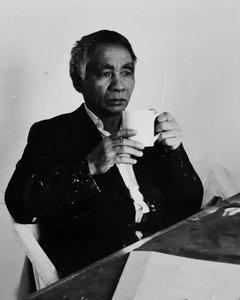
Li Yuan-chia
1929 - 1994 , China
Основные сведения
- Artistic Movement Or Style: Abstract Expressionism; Installations; Photography
- Artists Or Movements Influenced By This Artist: ['Ton Fan Group']
- Artists Who Influenced This Artist: ['Li Chung-sheng']
- Date Of Birth: 1929 Guangxi China
- Date Of Death: 1994
- Full Name: Li Yuan-chia
- Nationality: Chinese
- Notable Artworks:
- Untitled
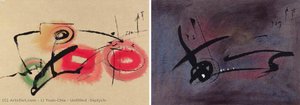
- Untitled (Diptych)
- Scholar viewing a waterfall
- Place Of Birth: Guangxi China