

 Предпросмотр
 Поделиться
 Поделиться
 Детали произведения

 Скачать
 Похожие работы
 Рентгенография
 Слайд-шоу
 Статистика
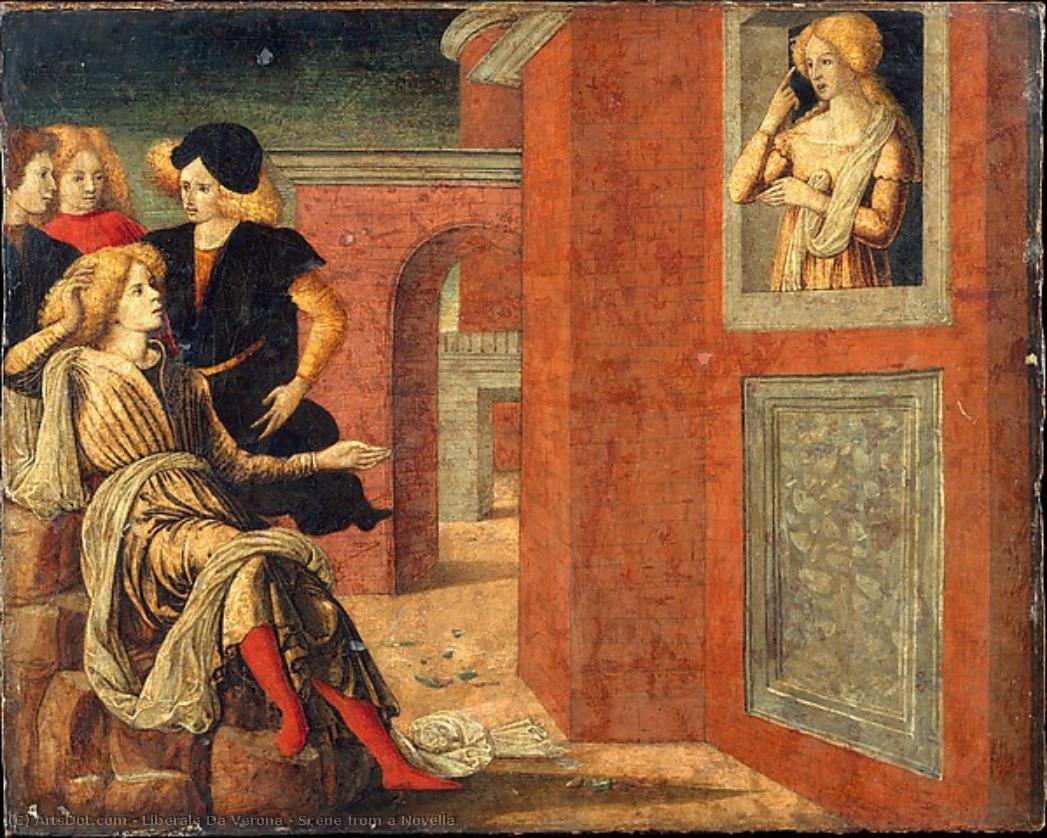
Scene from a Novella
 Acrylic On Canvas
- WallArt
- Renaissance Italian Painting
 33.0 x 41.0 cm
 Музей Метрополитен
 Читать далее
Масляная репродукция ручной работы
Картина маслом на холсте в выбранном вами размере и раме, написанная на заказ нашими художниками. ( Перейти к печати Перейти к цифровым изображениям)




P118B $10

P118H $10

P118W $10

P438Z $10

P508JH $12

P508YH $12

P805H $10

P805Z $10

P919BZ $10

P919G $10

P919XJ $10

P959ZH $10

P968JZ $12

W106C $8

W218G $10

W218JH $8

W218Y $10

W307PJ $10

W316G $10

W316PJ $8

W316Y $10

W398PJ $8

W4111J $10

W500HY $15

W500JH $15

W692G $12

W849H $8

W940BG $15

W953PJ $8




Выберите один из наших стандартных размеров, соответствующих оригинальным пропорциям произведения искусства.

Вы можете указать собственные размеры, чтобы картина идеально вписалась в выбранную раму или пространство. Если выбранный вами размер не соответствует пропорциям оригинала, мы либо обрежем полотно, либо расширим его за счет дополнительных элементов, написанных вручную. Цифровой макет будет отправлен вам на утверждение перед началом производства.
Обратите внимание, что предварительный просмотр на экране не отражает фактическую обрезку или расширение. Только макет точно покажет окончательную композицию.
Хотя доступны индивидуальные размеры, мы рекомендуем выбирать вариант из предопределенного списка, чтобы сохранить исходные пропорции.
После оформления заказа команда ArtsDot.com свяжется с клиентом по электронной почте для уточнения деталей и предоставит предварительный макет
Доставка по всему миру () за 3–4 недели вместо стандартных 5 недель. (11 Сентябрь). Без компромиссов в качестве.

Бесплатная экспресс-доставка по всему миру

Высококачественный льняной холст

Полное страхование доставки

Гарантия возмещения таможенных пошлин

Гарантия точного соответствия цветов

100-дневная политика возврата (только при обнаружении дефектов)

Гарантия возврата 100% средств

Предложение оптовых скидок
 Вариант со стеклом доступен только для размеров менее 110 см

Scene from a Novella
Техника репродукции
Размер репродукции
-


Итоговая стоимость
$ 263
Liberale da Verona - A Venetian Master's Delicate Dance of Light and Shadow
The painting, titled “Scene from a Novella,” is a fragment from the front of a cassone – a richly ornamented chest – originating from Siena around 1467-1476. It’s a captivating glimpse into the amatory literature of the Renaissance, specifically exploring themes of courtship and desire through the lens of chess. The artist responsible for this exquisite piece is Liberale da Verona (1441-1529), a Venetian illuminator renowned for his meticulous craftsmanship and profound influence on the artistic landscape of his time. Liberale’s style embodies the spirit of Mantegna and Bellini, prioritizing geometric precision alongside luminous color palettes. His approach to composition—characterized by careful placement and balanced perspectives—reflects the humanist ideals prevalent during the Quattrocento. The scene depicts two women engaged in a chess game; one poised to lose, embodying vulnerability and impending defeat, while the other exudes confidence and strategic brilliance. This duality speaks to broader anxieties about fate and control within Renaissance society. The depiction of hair is particularly noteworthy. Liberale’s use of bleached blond – a fashionable trend in Siena at the time – demonstrates an acute awareness of contemporary aesthetics. It's not merely decorative; it symbolizes youthfulness, purity, and beauty—values highly prized by aristocratic patrons seeking to elevate their status through artistic patronage. The artist skillfully captures the texture and movement of hair, conveying its frizzy appearance with remarkable accuracy.- Medium: Tempera on Wood
- Dimensions: 33 x 41 cm
- Provenance: Unknown – Likely originating from Captain Alfred Loewenstein’s collection and subsequently sold to the Metropolitan Museum of Art in 1986.
Symbolism and Narrative Depth
The chess game itself serves as a powerful metaphor for relationships—representing strategic maneuvering, calculated risks, and the inevitable confrontation between opposing forces. The woman about to lose embodies acceptance of vulnerability and recognizes that defeat is an unavoidable part of life’s journey. Conversely, her counterpart symbolizes resilience, determination, and triumph over adversity. These figures are not merely characters in a game; they represent universal human experiences—the interplay between hope and despair, success and failure.Technical Brilliance: Mastering Light and Texture
Liberale's masterful technique is evident in his meticulous rendering of light and shadow. He employs subtle gradations of color to create depth and volume, capturing the nuances of fabric texture with remarkable realism. The artist’s attention to detail—from the delicate folds of drapery to the expressive gaze of the figures—demonstrates an unwavering commitment to artistic excellence. This level of craftsmanship reflects the Venetian tradition of illusionistic painting, where artists strive to deceive the eye and create a convincing representation of reality.A Window into Renaissance Sensibilities
“Scene from a Novella” transcends its formal elements to offer insight into the psychological complexities of the Renaissance era. It speaks to anxieties about mortality, honor, and social status—themes that preoccupied artists and intellectuals alike. The painting’s enduring appeal lies in its ability to evoke emotion and stimulate contemplation—reminding us of the timeless fascination with human relationships and the pursuit of beauty. Its inclusion in the Berenson Collection underscores its significance as a masterpiece of Venetian art history.Похожие произведения
Биография художника
Liberale da Verona: A Renaissance Master
Life and Origins
- Born in Verona, Italy, around 1441, Liberale da Verona was a prominent painter of the Italian Renaissance.
- He passed away in 1529, leaving behind a legacy of exquisite frescoes, panel paintings, and illuminated manuscripts.
- Early Training: Liberale began his artistic journey as a pupil of Vincenzo di Stefano, laying the foundation for his future style.
Influences and Artistic Development
- While trained by di Stefano, Liberale was profoundly influenced by the works of Andrea Mantegna and Jacopo Bellini. This influence is evident in his attention to detail, perspective, and dramatic compositions.
- Giorgio Vasari’s Account: He is notably mentioned in Giorgio Vasari's *Lives of the Most Excellent Painters, Sculptors, and Architects*, solidifying his place within the canon of Renaissance artists.
- His style evolved to incorporate elements of both Mantegna’s rigorous draftsmanship and Bellini’s refined color palettes.
Major Works and Achievements
- Veronese Commissions: In Verona, Liberale completed significant commissions such as the *Adoration of the Magi* in the Duomo (Cathedral) and another version for a chapel within the Bishopric.
- He also decorated the chapel of the Company of the Maddalena in the church of San Bernardino with paintings depicting the *Birth and Assumption of the Virgin*.
- Brera Gallery: A notable work, *St. Stephen*, is housed in the Brera Gallery, showcasing his skill in portraying religious figures.
- Illuminated Manuscripts: Liberale’s talent extended to illuminated books, with examples found in the Cathedral of Chiusi.
- *St. Sebastian* (attributed) at Princeton University Art Museum demonstrates his mastery of anatomical detail and emotional expression.
- Monte Oliveto Abbey: He traveled to Siena to work at the Abbey of Monte Oliveto, where he illuminated numerous manuscripts.
Pupils and Legacy
- Liberale da Verona played a crucial role in training the next generation of Veronese painters.
- Notable Students: Among his pupils were Giovanni and Giovanni Francesco Caroto, Francesco Torbido (also known as Il Moro), and Paolo Cavazzola. These artists continued to develop and disseminate his artistic principles.
Historical Significance
- Renaissance Contribution: Liberale da Verona contributed significantly to the flourishing of Renaissance art in Verona, bridging the gap between earlier styles and the emerging Mannerism.
- Cultural Impact: His works continue to be studied and admired for their technical skill, expressive power, and historical importance. He even appeared as a subject of forgery within popular culture – specifically, in an episode of the British TV series *Inspector Morse* titled “The Death of the Self.”
- His art provides valuable insights into the religious, cultural, and artistic climate of 15th and 16th-century Italy.
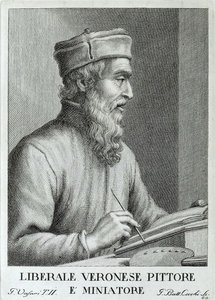
Liberale da Verona
1441 - 1529 , Italy
Основные сведения
- Birth Date: 1441
- Birth Place: Verona, Italy
- Death Date: 1529
- Influenced:
- Giovanni Caroto
- Giovanni Francesco Caroto
- Francesco Torbido
- Paolo Cavazzola
- Influenced By:
- Andrea Mantegna
- Jacopo Bellini
- Vincenzo di Stefano
- Movement: Renaissance
- Name: Liberale da Verona
- Nationality: Italian
- Notable Works:
- Adoration of the Magi
- St. Sebastian
- The Miniscalchi Altarpiece
Похожие статьи
Мазки и битвы с боссами: Художники, создающие игровые вселенные вручную
Узнайте о секретах создания игровых вселенных вручную! Экспертный обзор техник, материалов и влияния уникальных художественных школ на современный геймдев. Вдохновение для художников и разработчиков игр.
Пиксельная Престижность: Исследование Дефицита, Ценности и Культурного Влияния Лимитированных Изданий Игровых Карти́н
Исследуйте мир лимитированных изданий игровых артов! Узнайте о ценности, дефиците и культурном влиянии цифрового искусства. Инвестиции, аутентификация и перспективы рынка – экспертный анализ для коллекционеров.
Леонардо да Винчи: Топ-25 шедевров для ценителей искусства и роскошного интерьера
Погрузитесь в мир гения Леонардо да Винчи! 25 шедевров эпохи Возрождения, истории создания картин и техники великого мастера. Репродукции высокого качества для вашего интерьера на ArtsDot.com. Откройте всю коллекцию онлайн!
За пределами пикселей и игрового процесса: эстетическая и идентичностная значимость игрового искусства для современного коллекционера
Исследуйте мир игрового искусства с экспертами! Узнайте об авторстве, эстетике и инвестициях в редкий арт из видеоигр. Коллекционируйте уникальные произведения и откройте новые горизонты современного цифрового творчества.

От пикселей до подиумов: как эстетика игр формирует современную культуру
Узнайте, как эстетика видеоигр формирует современную культуру, моду и дизайн. Анализ трендов Y2K, пиксель-арта и влияния игр на искусство. Экспертный взгляд!