

 Предпросмотр
 Поделиться
 Поделиться
 Детали произведения

 Скачать
 Похожие работы
 Рентгенография
 Слайд-шоу
 Статистика
My Epidemic (Small Bad Blood Opera)


 Читать далее
Приобретите цифровое изображение высокого разрешения в улучшенном качестве, которое значительно превосходит онлайн-превью.
Каждый файл тщательно подготавливается нашими специалистами с использованием передовых инструментов и экспертной ручной ретуши. Мы гарантируем исключительную четкость, точную цветопередачу и детальную проработку каждого изображения.
Финальный файл доставляется по электронной почте в течение 72 часов и оптимизирован для немедленного использования в профессиональной среде, при верстке и печати. Это тот же уровень качества, которому доверяют ведущие дизайнерские студии, издательства и галереи.
Цифровое изображение
Скачайте файл высокого разрешения для личного использования, печати и творческих проектов. ( Перейти к печати Купить картину ручной работы)
Включено в каждый заказ цифровых изображений
Гарантия экспертной цифровой доставки
Выбирая ArtsDot.com, вы получаете не просто изображение — вы приобретаете профессионально обработанное цифровое произведение искусства, созданное с безупречной точностью и под защитой гарантии качества. Вот всё, что автоматически входит в ваш заказ:

Мгновенная доставка по e-mail
Ваш цифровой файл в высоком разрешении будет отправлен вам по электронной почте в течение 72 часов после оформления заказа — и сразу станет доступен для использования.

Цифровой файл с ИИ-улучшением
Ваше произведение искусства проходит профессиональную оптимизацию с использованием передовых инструментов ИИ и ручной обработки, что гарантирует максимальную детализацию, четкость и точность цветопередачи.

Бессрочная бесплатная повторная доставка
Случайно удалили или потеряли файл? Не беспокойтесь — мы отправим его вам повторно в любое время и совершенно бесплатно.

Без импортных пошлин — навсегда
Наслаждайтесь вашим произведением искусства мгновенно без таможенных пошлин, сборов или затрат на доставку — цифровые загрузки всегда не облагаются налогом.

Гарантия точности цветопередачи
Мы гарантируем, что ваше цифровое изображение максимально точно передает оригинальные цвета благодаря использованию профессиональных инструментов и систем управления цветом.

Гарантия удовлетворенности 100 дней
Если вы не будете удовлетворены своим цифровым изображением, мы внесем правки или вернем 100% стоимости в течение 100 дней — без лишних вопросов.

100% Гарантия возврата средств
Не удовлетворены покупкой? Получите полный возврат средств в течение 100 дней после получения цифрового файла — без лишних вопросов.

Скидки на оптовые заказы
Купите 3 изображения, сэкономьте 10% — Купите 5, сэкономьте 15% — Купите 10+, сэкономьте 20%. Отличное решение для творческих проектов, галерей и агентств.
A Symphony of Red and Pink: Unpacking Lili Reynaud-Dewar’s “My Epidemic”
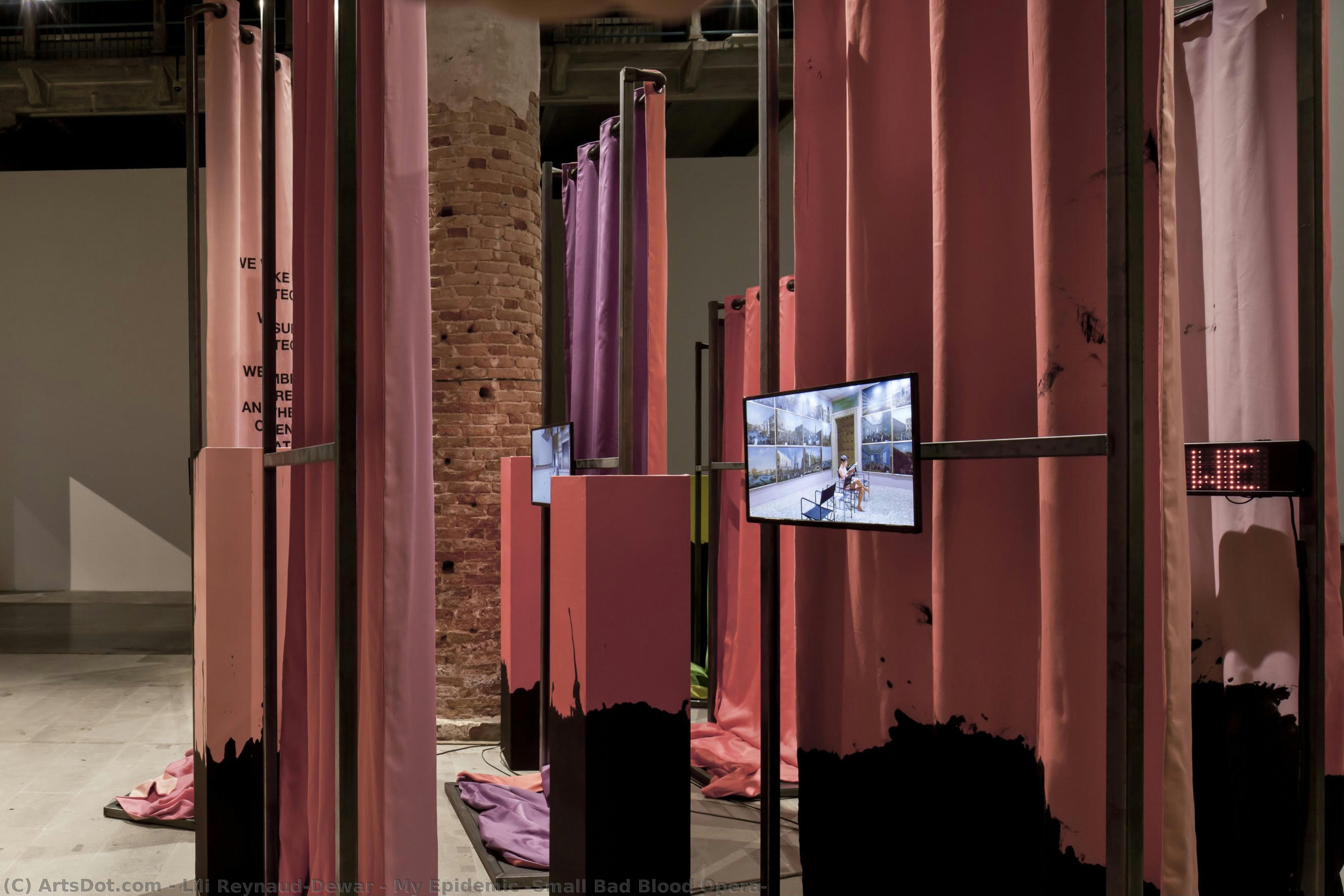
Lili Reynaud-Dewar's "My Epidemic (Small Bad Blood Opera)" isn’t merely a painting; it’s an immersive experience, a carefully constructed dialogue between architecture, performance, and the unsettling beauty of vulnerability. Born in 1975 in La Rochelle, France, Reynaud-Dewar has long been fascinated by the porous boundaries between biography and history, exploring how personal narratives intersect with broader cultural anxieties. This particular work, created in 2015, embodies this approach with a striking intensity, inviting viewers to confront uncomfortable truths about responsibility, sexuality, and activism.
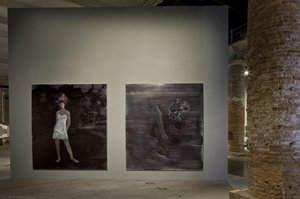
The image itself – a black and white photograph capturing the painting’s essence – immediately draws the eye. A colossal red brick wall dominates the composition, its rough texture hinting at resilience and perhaps even confinement. Against this formidable backdrop rise several pink columns, their gentle curves offering a surprising counterpoint to the starkness of the wall. These aren't simply decorative elements; they are visual anchors, subtly suggesting a space of refuge or contemplation. The addition of two televisions, positioned strategically within the scene, adds another layer of complexity, hinting at mediated realities and the constant bombardment of information – a key theme resonating throughout Reynaud-Dewar’s oeuvre.
The Opera Within: Performance, Text, and Queer History
“My Epidemic” is fundamentally rooted in performance. Reynaud-Dewar conceived it as part of her Venice Biennale installation “All Tomorrow’s Futures,” a sprawling exploration of speculative narratives. The painting served as the visual backdrop for a live performance featuring a small modest bad blood opera, a musical composition by Nicolas Murer and sung by the International Choir of HEAD, Geneva. This wasn't just music; it was a carefully curated experience, incorporating film footage from previous performances, alongside new material directly addressing the contentious debate surrounding unprotected sex and personal responsibility that raged in France during the 1990s – specifically referencing the clash between Guillaume Dustan and Act-Up.
The opera itself draws heavily on queer history. Reynaud-Dewar’s work frequently engages with figures of transgression and resistance, including Josephine Baker, Cosey Fanni Tutti, and Sun Ra. The reference to Guillaume Dustan, a controversial figure who publicly advocated for barebacking (unprotected sex) and challenged the prevailing norms surrounding HIV/AIDS activism, is particularly potent. The piece becomes a meditation on individual freedom versus collective responsibility, forcing viewers to confront their own assumptions about consent, risk, and societal expectations.
Symbolism and Emotional Resonance
The color palette – red brick and pink – is deliberately provocative. Red, often associated with passion, danger, and even violence, creates a sense of urgency and confrontation. The pink columns offer a fragile counterpoint, suggesting the possibility of solace or tenderness amidst the intensity. The televisions, displaying unseen content, symbolize the pervasive influence of media and the blurring of boundaries between public and private life. Furthermore, the inclusion of the choir – representing a collective voice – underscores the importance of community in navigating these complex issues.
Beyond its intellectual rigor, “My Epidemic” possesses a deeply emotional resonance. Reynaud-Dewar’s performances are rarely sterile; they are imbued with a palpable sense of vulnerability and intimacy. The image captures this feeling perfectly, inviting the viewer to step into a space where questions about identity, responsibility, and the human condition are laid bare. It's an artwork that lingers in the mind long after it has been viewed, prompting reflection on our own roles within society and the choices we make.
A Reproduction for the Conscientious Collector
ArtsDot offers high-quality reproductions of Lili Reynaud-Dewar’s “My Epidemic,” allowing art lovers to experience this powerful work in their own homes. Each reproduction is meticulously crafted using archival inks on museum-grade canvas, ensuring that the colors and details are faithfully reproduced. Consider this artwork not just as a decoration, but as an invitation to engage with complex social and political themes – a testament to Reynaud-Dewar’s unique artistic vision.
Похожие произведения




Биография художника
The Boundaries of Biography: The Multidimensional World of Lili Reynaud-Dewar
Born in the coastal French city of La Rochelle in 1975, Lili Reynaud-Dewar has emerged as one of the most vital and provocative voices in contemporary art. Her practice does not merely exist within a single medium; rather, it breathes through a fluid intersection of performance, sculpture, film, and text. To encounter her work is to enter a space where the personal and the political collide, where the intimate details of an individual life are used to interrogate much larger societal structures. Reynaud-Dewar’s artistic journey is defined by an obsession with the boundaries of biography—the thin, often permeable line between what we know of ourselves and how history, race, and gender attempt to define us.
Her intellectual foundation is as diverse as her artistic output. Before fully committing to the visual arts, she pursued studies in public law at the Université Paris I Panthéon Sorbonne, a discipline that likely sharpened the analytical rigor found in her conceptual explorations. This legal precision is balanced by a deep-seated connection to movement, rooted in her early training in classical ballet at the La Rochelle Conservatory. It was during her time at the Glasgow School of Art, where she earned her Master in Fine Arts, that her practice truly began to coalesce. In the vibrant, artist-led scene of Glasgow, she found the freedom to merge art criticism with sculptural installation and performance, developing a voice that is as much about the act of witnessing as it is about the creation of objects.
A Tapestry of Performance and Resistance
Reynaud-Dewar’s work often functions as a theatrical stage for exploring the complexities of identity. She does not view history as a static collection of facts, but as a living, breathing entity that can be reconfigured through performance. Her installations frequently serve as elaborate sets for choreographed actions, where the body becomes a site of resistance and reclamation. By drawing on autobiographical material and weaving it together with the lives of transgressive historical figures—such as Josephine Baker or Guillaume Dustan—she creates a dialogue between the self and the collective memory.
This method of "politicized vaudevillian theatre" allows her to tackle sensitive and often uncomfortable subjects, including racial politics, sexual emancipation, and feminist struggle. Her filmic works and dance video series push the limits of movement, using the camera to capture the tension between physical presence and historical absence. In projects like Black Mariah and Cleda’s Chairs, she confronts the weight of social legacies, utilizing a layered approach that blends music, provocative text, and striking visuals to provoke deep, often unsettling, dialogue within the viewer.
Legacy and Global Impact
The significance of Lili Reynaud-Dewar’s contribution to contemporary art lies in her ability to make the ephemeral feel monumental. Her work has resonated across the most prestigious institutions in the world, marking her as a central figure in the global art discourse. Her career is punctuated by landmark exhibitions that have challenged the boundaries of what installation art can achieve:
- The Venice Biennale: Her participation in the 56th Venice Biennale solidified her international standing.
- New Museum, New York: A major solo exhibition that brought her complex explorations of biography to a global audience.
- Centre Pompidou and Palais de Tokyo: Frequent presence in these premier French institutions highlights her role in shaping the contemporary French art landscape.
- International Biennales: Significant contributions to the Berlin, Lyon, Marrakech, and Gwangju Biennales demonstrate the universal reach of her thematic inquiries.
Today, living and working between Grenoble and Geneva, Reynaud-Dewar continues to evolve, refusing to be pinned down by any single definition. Whether she is producing sculptural operas like My Epidemic or engaging in academic roles as a professor, her mission remains unchanged: to use the tools of art to navigate the shifting figures of identity in an increasingly globalized and complex world. Her work stands as a testament to the power of the artist to transform history into a forward-looking, speculative, and deeply human narrative.
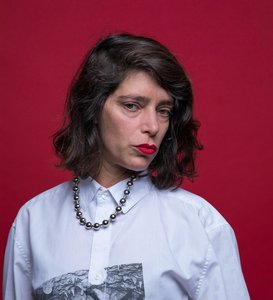
lili reynaud-dewar
1975 - , France
Основные сведения
- Artistic Movement Or Style: Installation Art & Performance Art
- Artists Who Influenced This Artist:
- Colette Milner
- Mary Knox
- Date Of Birth: 1975
- Full Name: Lili Reynaud-Dewar
- Nationality: French
- Notable Artworks:
- Black Mariah
- Cleda's Chairs
- Small Modest Bad Blood Opera
- Place Of Birth: La Rochelle, France