

 Предпросмотр
 Поделиться
 Поделиться
 Детали произведения

 Скачать
 Похожие работы
 Рентгенография
 Слайд-шоу
 Статистика
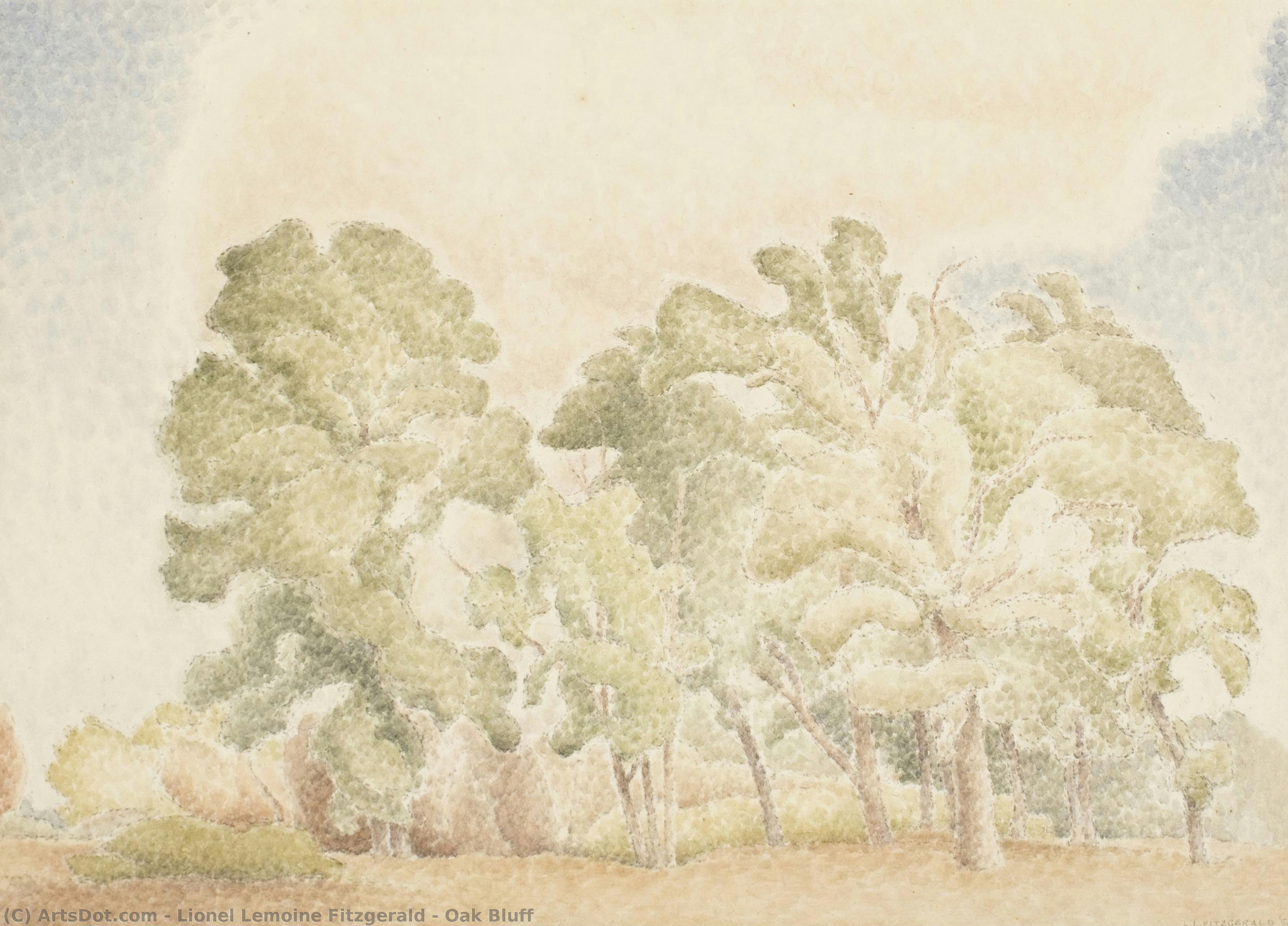
Oak Bluff
 Watercolor
- WallArt
- Canadian Realism
 1950
1950- Modern
 27.0 x 37.0 cm
 McMichael Canadian Art Collection
 Читать далее
Приобретите цифровое изображение высокого разрешения в улучшенном качестве, которое значительно превосходит онлайн-превью.
Каждый файл тщательно подготавливается нашими специалистами с использованием передовых инструментов и экспертной ручной ретуши. Мы гарантируем исключительную четкость, точную цветопередачу и детальную проработку каждого изображения.
Финальный файл доставляется по электронной почте в течение 72 часов и оптимизирован для немедленного использования в профессиональной среде, при верстке и печати. Это тот же уровень качества, которому доверяют ведущие дизайнерские студии, издательства и галереи.
Цифровое изображение
Скачайте файл высокого разрешения для личного использования, печати и творческих проектов. ( Перейти к печати Купить картину ручной работы)
Включено в каждый заказ цифровых изображений
Гарантия экспертной цифровой доставки
Выбирая ArtsDot.com, вы получаете не просто изображение — вы приобретаете профессионально обработанное цифровое произведение искусства, созданное с безупречной точностью и под защитой гарантии качества. Вот всё, что автоматически входит в ваш заказ:

Мгновенная доставка по e-mail
Ваш цифровой файл в высоком разрешении будет отправлен вам по электронной почте в течение 72 часов после оформления заказа — и сразу станет доступен для использования.

Цифровой файл с ИИ-улучшением
Ваше произведение искусства проходит профессиональную оптимизацию с использованием передовых инструментов ИИ и ручной обработки, что гарантирует максимальную детализацию, четкость и точность цветопередачи.

Бессрочная бесплатная повторная доставка
Случайно удалили или потеряли файл? Не беспокойтесь — мы отправим его вам повторно в любое время и совершенно бесплатно.

Без импортных пошлин — навсегда
Наслаждайтесь вашим произведением искусства мгновенно без таможенных пошлин, сборов или затрат на доставку — цифровые загрузки всегда не облагаются налогом.

Гарантия точности цветопередачи
Мы гарантируем, что ваше цифровое изображение максимально точно передает оригинальные цвета благодаря использованию профессиональных инструментов и систем управления цветом.

Гарантия удовлетворенности 100 дней
Если вы не будете удовлетворены своим цифровым изображением, мы внесем правки или вернем 100% стоимости в течение 100 дней — без лишних вопросов.

100% Гарантия возврата средств
Не удовлетворены покупкой? Получите полный возврат средств в течение 100 дней после получения цифрового файла — без лишних вопросов.

Скидки на оптовые заказы
Купите 3 изображения, сэкономьте 10% — Купите 5, сэкономьте 15% — Купите 10+, сэкономьте 20%. Отличное решение для творческих проектов, галерей и агентств.
A Window into the Serene Canadian Wilderness
In the quiet, sun-drenched moments of 1950, Lionel LeMoine FitzGerald captured a fragment of the natural world that feels less like a static image and more like a living, breathing memory. Oak Bluff invites the viewer to step into a lush, verdant sanctuary where the boundary between the observer and the forest begins to dissolve. The painting presents a breathtaking view of leafy trees reaching toward a brilliant blue sky, rendered with a delicate, watercolor-like fluidity that suggests the gentle movement of a summer breeze. Through his masterful command of light, FitzGerald transforms a simple woodland scene into an immersive experience, where the interplay of vibrant greens and cerulean tones evokes the crisp, clean air of the Canadian landscape.
The technique employed in this piece is nothing short of enchanting, characterized by a luminous quality that breathes life into every leaf and branch. While FitzGerald was known for his meticulous observation, here he embraces a more impressionistic, fluid style that prioritizes atmosphere over rigid detail. The layers of color overlap with a soft, rhythmic energy, creating a sense of depth that draws the eye from the textured foreground into the hazy, sun-dappled distance. This approach allows the light to appear as if it is filtering through the canopy itself, casting a warm, ethereal glow that makes the entire composition vibrate with vitality.
The Legacy of a Master Observer
To understand the profound emotional resonance of Oak Bluff, one must consider the artist’s unique position within the Canadian art canon. As the sole member of the legendary Group of Seven based in Western Canada, FitzGerald brought a distinct, intimate perspective to the movement. While his contemporaries often focused on the rugged, untamed grandeur of the North, FitzGerald possessed an unparalleled ability to find the monumental within the intimate. His work often explores the subtle nuances of light and structure, finding spiritual significance in the quiet corners of the landscape. In this painting, we see that legacy realized; it is a celebration of the peaceful, overlooked beauty found in the heart of the woods.
For the discerning collector or interior designer, this artwork offers more than mere decoration; it provides an emotional anchor for a space. The tranquil palette and the sense of organic harmony make it an ideal centerpiece for rooms designed for contemplation and rest. Whether placed in a sunlit studio or a sophisticated modern living area, Oak Bluff acts as a portal to nature, bringing the restorative power of the outdoors inside. It is a piece that does not demand attention through aggression, but rather earns it through a quiet, persistent beauty that inspires peace and a deep connection to the natural world.
Похожие произведения
Биография художника
Early Life and Artistic Formation
Lionel LeMoine FitzGerald (March 17, 1890 – August 5, 1956) was born in Winnipeg, Manitoba, Canada—the only member of the Group of Seven based in western Canada. His family history traced back to Ireland and Quebec City, where his father, Lionel Henry FitzGerald, had been raised by relatives with the surname Le Moine. This familial connection instilled a deep appreciation for heritage and shaped FitzGerald’s worldview from an early age. He was educated at Somerset School, where he developed a passion for drawing through Perry Pictures reproductions—masterpieces that captivated young minds and sparked curiosity about artistic expression. Notably, his teacher recognized FitzGerald's innate talent and encouraged him to explore the natural world with meticulous observation. As Robert Ayre eloquently described it, “One of the first efforts, out of doors, was the drawing of a large elm tree and I remember a friend and I making great preparations and walking a long distance to find a subject that appealed to us.” FitzGerald’s formative years were marked by exposure to influential thinkers like John Ruskin, whose writings championed the importance of experiencing nature directly—a conviction that would profoundly inform his artistic practice.- Father: Lionel Henry FitzGerald (Irish descent)
- Mother: Belle Hicks (Family from Devonshire)
- Education: Somerset School
- Influences: John Ruskin
Artistic Style and Influences
FitzGerald's artistic style is characterized by an uncompromising dedication to portraying the natural world with remarkable accuracy and sensitivity. He eschewed academic conventions, prioritizing instead a visceral connection between artist and subject—a philosophy rooted in Ruskin’s belief that “the picture must be a living thing.” FitzGerald’s landscapes and still lifes were born from daily life experiences: glimpses of the back lane outside his house or the quiet beauty of potted plants on his windowsill. These seemingly modest subjects served as catalysts for profound artistic contemplation, prompting him to distill complex natural phenomena into simplified forms that conveyed their underlying dynamism. FitzGerald's style was undeniably shaped by the Group of Seven—a collective of Canadian artists who championed a distinctive national identity through their art. However, FitzGerald’s artistic vision transcended mere stylistic imitation; he sought to embody the group’s ethos of contemplative observation and expressive simplification. Like his peers, FitzGerald embraced bold brushstrokes and vivid colors, striving to capture not just what was seen but also how it felt—a testament to his belief that art should resonate with emotion and intellect alike. He skillfully manipulated light and shadow, color palettes, and textural surfaces to evoke a sense of intimacy and immediacy, inviting viewers into the realm of his paintings.- Emphasis on Observation: Ruskin’s influence
- Group of Seven Inspiration
- Bold Brushstrokes & Vivid Colors
- Light & Shadow Manipulation
Notable Works
FitzGerald’s oeuvre includes iconic landscapes such as “Oak Bluff,” which exemplifies his masterful use of color and texture to capture the grandeur of Manitoba's natural scenery. This painting embodies FitzGerald’s core artistic principle—the desire to portray nature not merely as an object of scientific inquiry but as a source of spiritual inspiration. His still lifes, featuring commonplace objects like potted plants and domestic scenes, similarly demonstrate his ability to transform ordinary subjects into expressions of profound beauty and contemplation. These works stand as testament to FitzGerald’s unwavering dedication to capturing the essence of Canadian life—a commitment that continues to inspire artists today.- "Oak Bluff"
- Still Lifes
Legacy and Impact
Lionel LeMoine FitzGerald's contribution to Canadian art is undeniable. He championed the Group of Seven’s vision for a uniquely Canadian aesthetic—one rooted in reverence for the natural world and characterized by expressive simplification. His artistic practice served as an exemplar for aspiring artists, encouraging them to cultivate a deep connection with their surroundings and to translate those observations into compelling visual narratives. FitzGerald's enduring influence can be seen in subsequent generations of Canadian painters who continue to honor his pioneering spirit—a testament to the transformative power of art and its capacity to shape cultural identity.
lionel lemoine fitzgerald
1890 - 1956