

 Предпросмотр
 Поделиться
 Поделиться
 Детали произведения

 Скачать
 Похожие работы
 Рентгенография
 Слайд-шоу
 Статистика
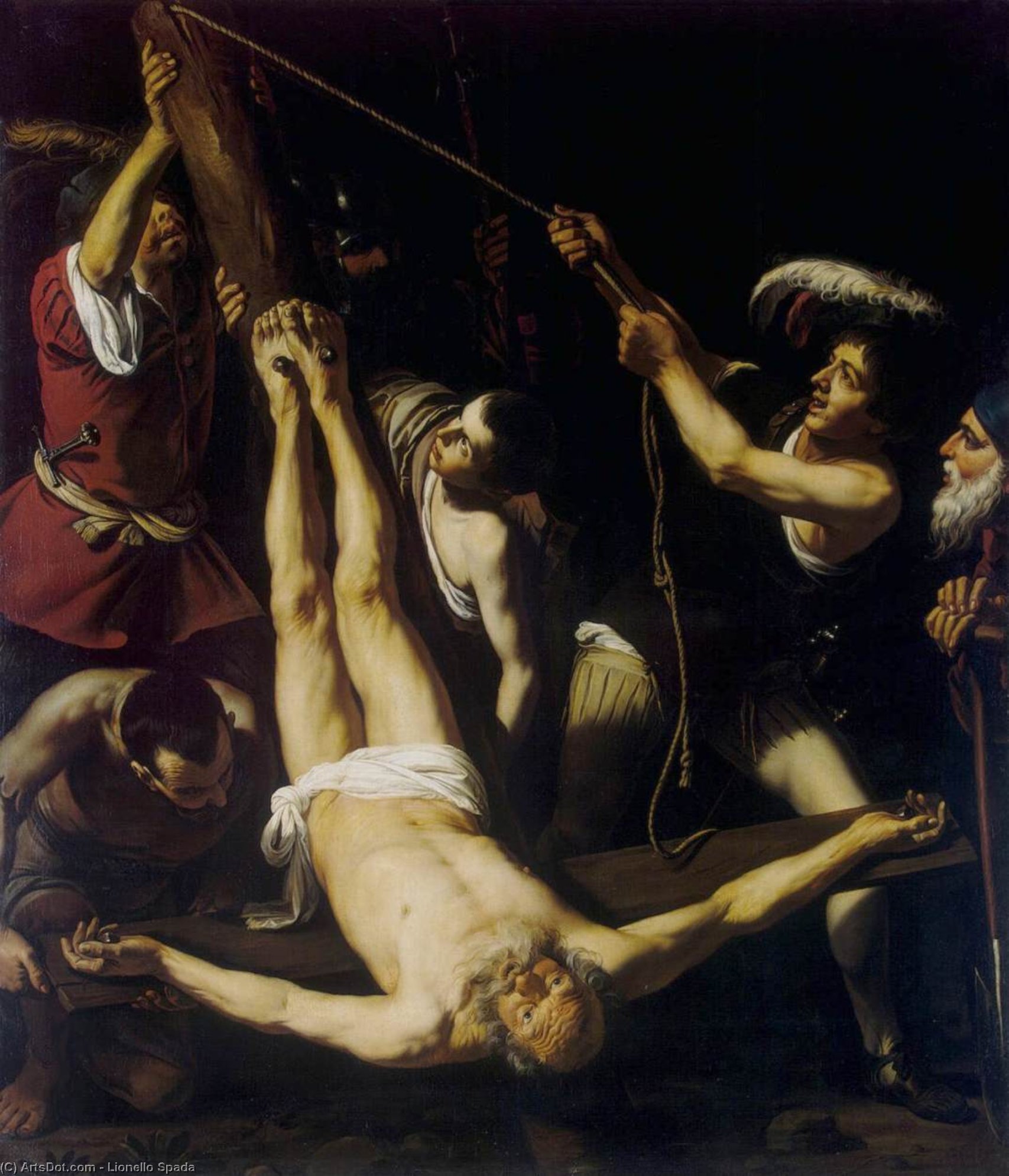
Martyrdom of St Peter
 Oil On Canvas
- WallArt
- Baroque
 Early Modern
 232.0 x 201.0 cm
 Эрмитаж
 Читать далее
Масляная репродукция ручной работы
Картина маслом на холсте в выбранном вами размере и раме, написанная на заказ нашими художниками. ( Перейти к печати Перейти к цифровым изображениям)




P118B $10

P118H $10

P118W $10

P438Z $10

P508JH $12

P508YH $12

P805H $10

P805Z $10

P919BZ $10

P919G $10

P919XJ $10

P959ZH $10

P968JZ $12

W106C $8

W218G $10

W218JH $8

W218Y $10

W307PJ $10

W316G $10

W316PJ $8

W316Y $10

W398PJ $8

W4111J $10

W500HY $15

W500JH $15

W692G $12

W849H $8

W940BG $15

W953PJ $8




Выберите один из наших стандартных размеров, соответствующих оригинальным пропорциям произведения искусства.

Вы можете указать собственные размеры, чтобы картина идеально вписалась в выбранную раму или пространство. Если выбранный вами размер не соответствует пропорциям оригинала, мы либо обрежем полотно, либо расширим его за счет дополнительных элементов, написанных вручную. Цифровой макет будет отправлен вам на утверждение перед началом производства.
Обратите внимание, что предварительный просмотр на экране не отражает фактическую обрезку или расширение. Только макет точно покажет окончательную композицию.
Хотя доступны индивидуальные размеры, мы рекомендуем выбирать вариант из предопределенного списка, чтобы сохранить исходные пропорции.
После оформления заказа команда ArtsDot.com свяжется с клиентом по электронной почте для уточнения деталей и предоставит предварительный макет
Доставка по всему миру () за 3–4 недели вместо стандартных 5 недель. (11 Сентябрь). Без компромиссов в качестве.

Бесплатная экспресс-доставка по всему миру

Высококачественный льняной холст

Полное страхование доставки

Гарантия возмещения таможенных пошлин

Гарантия точного соответствия цветов

100-дневная политика возврата (только при обнаружении дефектов)

Гарантия возврата 100% средств

Предложение оптовых скидок
 Вариант со стеклом доступен только для размеров менее 110 см

Martyrdom of St Peter
Техника репродукции
Размер репродукции
-


Итоговая стоимость
$ 263
The Drama of Sacrifice: Contemplating Martyrdom of St Peter
To stand before this depiction of the Martyrdom of St Peter is to be enveloped by a palpable wave of dramatic tension. The scene, rendered with an almost visceral realism, pulls the viewer directly into the crucible of early Christian persecution. It is not merely a historical recounting; it is a profound meditation on faith tested by the ultimate sacrifice. The composition centers around Saint Peter, whose figure embodies both suffering and unwavering spiritual fortitude. His restrained posture, hands bound behind him upon what appears to be a rough wooden surface, speaks volumes without uttering a single word—a silent testament to conviction against overwhelming physical force.
Baroque Intensity and Tenebrist Light
Technically, the painting resonates deeply with the dramatic fervor of the Baroque period. One is immediately struck by the masterful handling of light and shadow; the contrast, or tenebrism, is employed not just for aesthetic effect, but as a narrative tool. Brilliant shafts of illumination carve out the central figures from the surrounding gloom, spotlighting moments of intense emotional exchange. This dramatic chiaroscuro forces the eye to linger on the faces—the solemnity etched upon Peter’s features contrasting sharply with the urgent, almost brutal energy displayed by the surrounding Roman soldiers. The palette itself, dominated by somber earth tones, anchors the piece in a mood of profound gravity, punctuated only by those vital points of light that draw us toward the core spiritual struggle.
Symbolism and the Weight of History
The symbolism woven into this canvas is rich with theological weight. Saint Peter himself stands as an archetype—the rock upon which the early Church was built. His martyrdom serves as a timeless reminder that true belief often demands the greatest personal cost. The surrounding figures, arrayed in their period attire, represent the temporal power of the empire confronting the eternal promise of the spirit. This interplay between earthly authority and divine grace is what gives the work its enduring resonance. For the collector or decorator, this piece offers more than mere decoration; it offers a focal point for contemplation—a visual anchor for discussions on resilience, conviction, and the enduring nature of human spirit.
A Masterpiece for Contemplative Spaces
Considering its scale and inherent drama, this artwork possesses an undeniable presence. Whether placed in a grand hall, a library dedicated to history, or a private chapel setting, it commands attention with quiet authority. The visible signs of age—the patina on the canvas and the wear upon the paint—only deepen its allure, suggesting centuries of stories witnessed beneath its surface. Acquiring a high-quality reproduction allows one to bring this powerful narrative drama into a modern interior, allowing the emotional impact of Baroque mastery to infuse any space with depth and historical gravitas.
Похожие произведения
Биография художника
The Dramatic Legacy of Lionello Spada
In the vibrant, shadow-drenched landscape of the early seventeenth century, few artists captured the visceral tension of the Baroque era as profoundly as Lionello Spada. Born in Bologna in 1576, Spada emerged as a pivotal figure within the Bolognese school, a movement that sought to balance classical grace with an unprecedented emotional intensity. His life, though tragically brief—concluding with his death in 17 May 1622 at only forty-six years of age—was defined by a relentless pursuit of realism and a mastery over the interplay of light and darkness. To look upon a Spada canvas is to witness the transition from the stylized elegance of Mannerism into the raw, theatrical power of the Caravaggesque revolution.
Spada’s artistic DNA was woven from the finest threads of his era's competing traditions. His early training under Cesare Bagliente provided him with a rigorous foundation in disegno, the disciplined art of drawing and anatomical precision that had been the hallmark of the Renaissance masters. However, it was the atmospheric influence of the Flemish painter Denis Calvaert that truly ignited Spada's creative spirit. Through this connection, the seeds of Caravaggio’s revolutionary naturalism began to take root in his work. This fusion allowed Spada to move beyond mere anatomical accuracy, embracing a style where light does not simply illuminate a scene but actively sculpts it, carving figures out of an encroaching, velvety gloom.
Mastery of Light and Illusion
As Spada’s career matured, he became a master of the theatrical, expanding his repertoire beyond traditional easel painting into the grand, immersive realms of quadratura. Alongside his collaborator Girolamo Curti, Spada specialized in decorative illusionistic painting, a technique designed to dissolve the physical boundaries of walls and ceilings. These works were not merely decorations but architectural transformations, creating vast, celestial vistas that seemed to open the very heavens above aristocratic halls. This ability to manipulate space and perspective demonstrated a technical versatility that few of his contemporaries could match.
His stylistic evolution is marked by several key artistic milestones:
- The Caravaggesque Influence: The adoption of chiaroscuro, using extreme contrasts between light and shadow to heighten the psychological drama of his subjects.
- Anatomical Rigor: A persistent commitment to the structural integrity of the human form, inherited from his early Bolognese training.
- Collaborative Grandeur: The successful execution of large-scale fresco cycles that integrated painting with architectural illusionism.
- Emotional Realism: A departure from idealized beauty in favor of capturing the grit, movement, and raw humanity of biblical and historical narratives.
Historical Significance and Enduring Impact
The significance of Lionello Spada lies in his role as a bridge between eras. He stood at the crossroads where the structured humanism of the Renaissance met the emotive, often turbulent energy of the Baroque. While much of his biographical history remains shrouded by the passage of time, his visual legacy is unmistakable. By synthesizing the meticulous draftsmanship of the Bolognese tradition with the dramatic naturalism of the Caravaggisti, he helped define a new visual language for Europe.
Today, Spada is remembered not merely as a follower of greater masters, but as a visionary in his own right. His works serve as profound windows into a period of intense religious and social transformation, where art was used to provoke awe, inspire piety, and command the senses. Through his mastery of shadow and his ability to breathe life into the painted figure, Spada ensured that the spirit of the Bolognese Baroque would endure long after his untimely passing.
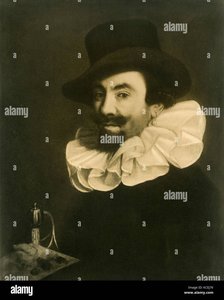
Lionello Spada
1576 - 1622 , Italy
Основные сведения
- Artistic Movement Or Style: Baroque
- Artists Or Movements Influenced By This Artist: ['Caravaggio']
- Artists Who Influenced This Artist:
- Ludovico Carracci
- Denis Calvaert
- Date Of Birth: 1576 Bologna Italy
- Date Of Death: 1622
- Full Name: Lionello Spada
- Nationality: Italian
- Notable Artworks:
- Saint Sebastian
- Joseph & Potiphar’s Wife
- Martyrdom of St Peter
- Place Of Birth: Bologna Italy
Похожие статьи
25 Шедевров Эрмитажа: Искусство для Вашего Дома | ArtsDot.com
Погрузитесь в мир искусства с 25 шедеврами Эрмитажа! Узнайте истории Рембрандта, Леонардо да Винчи и Вермеера. Репродукции картин для вашего дома – вдохновение и декор от ArtsDot.com. Откройте всю коллекцию онлайн!

Барочная драма: Искусство величия в современном интерьере
Погрузитесь в мир роскоши и величия барокко! Узнайте об истории стиля, ключевых элементах интерьера и архитектуре. Вдохновляйтесь с и создайте свой неповторимый дизайн.
Theatricality & Triumph: Baroque Drama in Painting & Sculpture
Explore the dramatic world of Baroque art! Discover its history, defining characteristics, & lasting influence on painting & sculpture. Expert insights into Caravaggio, Zurbarán, and Bernini – plus high-quality reproductions at ArtsDot.

The Dramatic Flourish: Exploring the Baroque Movement's Enduring Legacy in Art History
Explore the dramatic world of Baroque art! Discover iconic artists like Caravaggio & Rubens, defining techniques, and its lasting impact on art history. Expert insights for collectors & enthusiasts at ArtsDot.

10 Шедевров Барокко: Искусство, изменившее мир | ArtsDot.com
Погрузитесь в мир барокко! 10 шедевров Караваджо, Рембрандта и других великих художников. Узнайте историю создания культовых картин и найдите идеальную репродукцию для вашего интерьера на ArtsDot.com