

 Предпросмотр
 Поделиться
 Поделиться
 Детали произведения

 Скачать
 Похожие работы
 Рентгенография
 Слайд-шоу
 Статистика
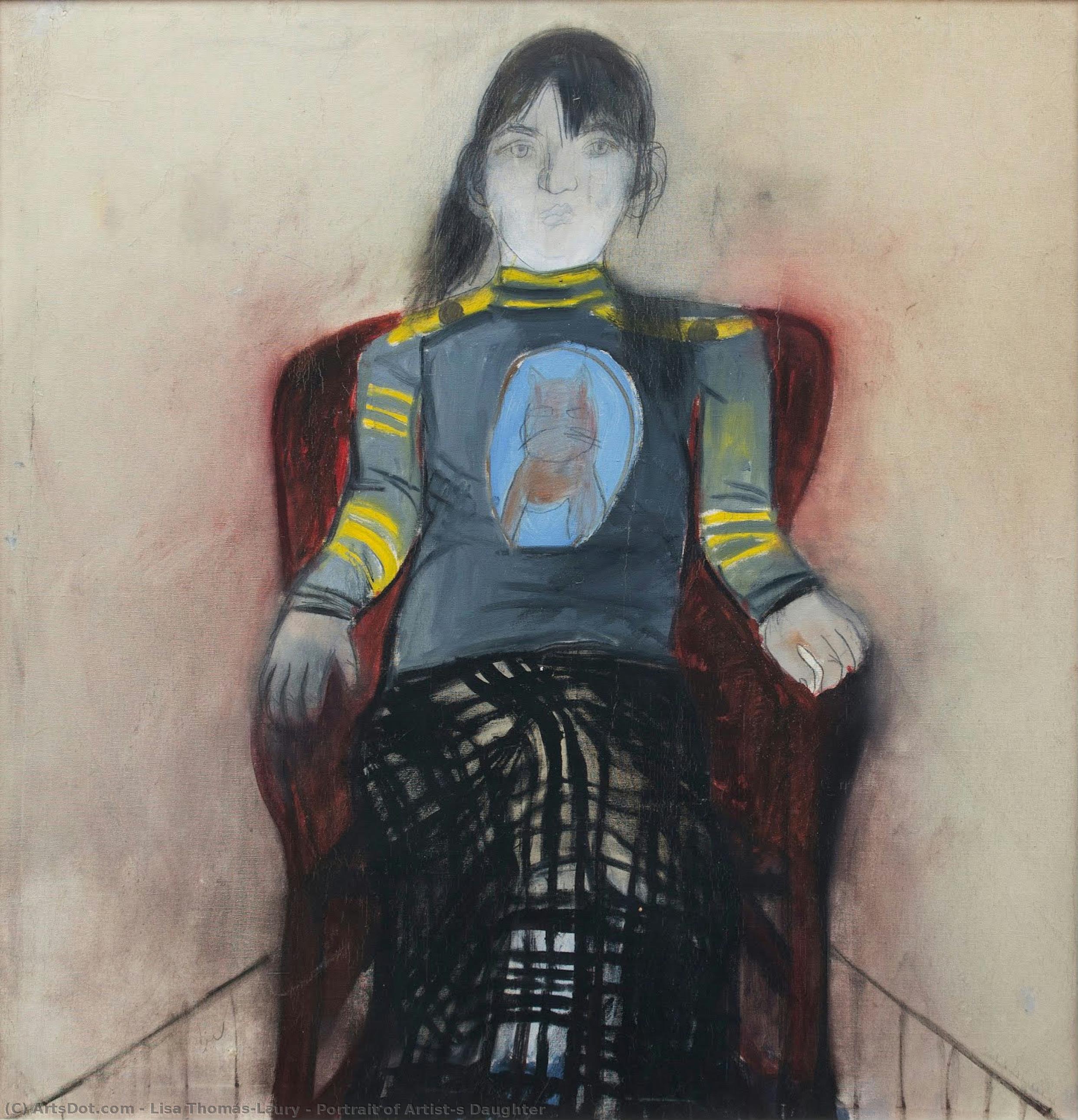
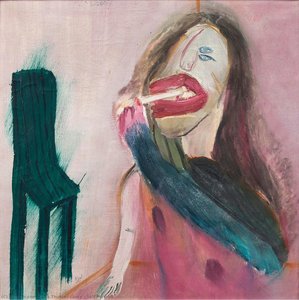
Portrait of Artist’s Daughter
 Oil On Canvas
- WallArt
- Orphism
 1978
1978- Modern
 90.0 x 85.0 cm
 Ibrahimi Collection
 Читать далее
Приобретите цифровое изображение высокого разрешения в улучшенном качестве, которое значительно превосходит онлайн-превью.
Каждый файл тщательно подготавливается нашими специалистами с использованием передовых инструментов и экспертной ручной ретуши. Мы гарантируем исключительную четкость, точную цветопередачу и детальную проработку каждого изображения.
Финальный файл доставляется по электронной почте в течение 72 часов и оптимизирован для немедленного использования в профессиональной среде, при верстке и печати. Это тот же уровень качества, которому доверяют ведущие дизайнерские студии, издательства и галереи.
Цифровое изображение
Скачайте файл высокого разрешения для личного использования, печати и творческих проектов. ( Перейти к печати Купить картину ручной работы)
Включено в каждый заказ цифровых изображений
Гарантия экспертной цифровой доставки
Выбирая ArtsDot.com, вы получаете не просто изображение — вы приобретаете профессионально обработанное цифровое произведение искусства, созданное с безупречной точностью и под защитой гарантии качества. Вот всё, что автоматически входит в ваш заказ:

Мгновенная доставка по e-mail
Ваш цифровой файл в высоком разрешении будет отправлен вам по электронной почте в течение 72 часов после оформления заказа — и сразу станет доступен для использования.

Цифровой файл с ИИ-улучшением
Ваше произведение искусства проходит профессиональную оптимизацию с использованием передовых инструментов ИИ и ручной обработки, что гарантирует максимальную детализацию, четкость и точность цветопередачи.

Бессрочная бесплатная повторная доставка
Случайно удалили или потеряли файл? Не беспокойтесь — мы отправим его вам повторно в любое время и совершенно бесплатно.

Без импортных пошлин — навсегда
Наслаждайтесь вашим произведением искусства мгновенно без таможенных пошлин, сборов или затрат на доставку — цифровые загрузки всегда не облагаются налогом.

Гарантия точности цветопередачи
Мы гарантируем, что ваше цифровое изображение максимально точно передает оригинальные цвета благодаря использованию профессиональных инструментов и систем управления цветом.

Гарантия удовлетворенности 100 дней
Если вы не будете удовлетворены своим цифровым изображением, мы внесем правки или вернем 100% стоимости в течение 100 дней — без лишних вопросов.

100% Гарантия возврата средств
Не удовлетворены покупкой? Получите полный возврат средств в течение 100 дней после получения цифрового файла — без лишних вопросов.

Скидки на оптовые заказы
Купите 3 изображения, сэкономьте 10% — Купите 5, сэкономьте 15% — Купите 10+, сэкономьте 20%. Отличное решение для творческих проектов, галерей и агентств.
Portrait of Artist’s Daughter: A Study in Intimate Expression
Lisa Thomas-Laury's "Portrait of Artist’s Daughter," completed in 1978, is more than just a depiction of a young woman; it’s a quietly powerful meditation on familial connection and the delicate balance between observation and interpretation. The painting immediately draws the viewer into its world through a carefully considered composition that centers on the sitter within the frame, fostering an immediate sense of intimacy. Laury's style, characterized by loose brushwork and expressive lines, avoids rigid formality, instead opting for a more spontaneous and emotionally resonant approach to figurative art – a quality reminiscent of early 20th-century explorations of subjective experience.
Technical Mastery and Textured Surfaces
- Medium: Executed in oil on canvas, the painting showcases Laury’s skillful manipulation of color and texture. The impasto technique – where paint is applied thickly to create a tactile surface – is particularly evident in areas around the figure's shoulders and hands, adding depth and visual interest.
- Color Palette: A muted palette dominated by earthy browns, grays, and blues creates a sense of quiet contemplation. Pops of yellow, strategically placed on the shirt sleeves and chair, provide subtle focal points without disrupting the overall mood. The use of color isn’t merely decorative; it's employed to subtly shape the viewer’s perception of the subject.
- Brushwork: Visible brushstrokes contribute significantly to the painting’s expressive quality. They suggest a process of layering and building up form, rather than relying on smooth, blended surfaces – a hallmark of Laury’s distinctive technique.
Symbolic Layers and Emotional Resonance
Beyond its technical merits, "Portrait of Artist’s Daughter" is rich in symbolic potential. The inclusion of a cat embroidered onto the woman's shirt – a detail that immediately draws the eye – can be interpreted as a symbol of domesticity, companionship, or perhaps even a quiet observer of life’s unfolding moments. The sitter’s neutral expression invites viewers to project their own emotions and interpretations onto the canvas, fostering a deeply personal connection with the artwork. The slightly off-kilter perspective of the chair adds an element of unease, subtly disrupting the viewer's sense of stability and prompting further contemplation.
Historical Context and Artistic Influences
Created in 1978, “Portrait of Artist’s Daughter” reflects a broader artistic landscape influenced by movements like Orphism, pioneered by Robert Delaunay. While Laury's work doesn't directly adhere to the geometric abstractions of Orphism, there is an undeniable echo of its emphasis on color and rhythm within her composition. The painting also speaks to a tradition of intimate portraiture, reminiscent of earlier masters who sought to capture not just physical likenesses but also the inner lives of their subjects. Laury’s work stands as a testament to the enduring power of figurative art to evoke emotion and explore fundamental human experiences.
Похожие произведения



Биография художника
Robert Delaunay: A Pioneer of Color and Rhythm
Robert Delaunay, born Robert-Victor-Felix Delaunay in Paris on April 12, 1885, was a pivotal figure in the early development of modern art. His life, marked by both artistic innovation and personal drama, profoundly shaped the trajectory of movements like Orphism and Cubism. Initially apprenticed to a theatrical designer – a seemingly disparate path that would later inform his understanding of composition and visual rhythm – Delaunay’s formal training provided him with an appreciation for stagecraft's dynamic interplay of light and form. This early experience, coupled with influences from Neo-Impressionism, Cézanne, and the burgeoning avant-garde circles of Paris, laid the groundwork for his distinctive style. His marriage to Sonia Terk in 1910 proved a transformative partnership; she became not just his wife but also his collaborator, fellow artist, and muse, jointly developing the principles of Orphism – a movement characterized by its vibrant use of color, geometric abstraction, and an emphasis on capturing the essence of light and atmosphere.The Birth of Orphism: Color as Language
Delaunay’s artistic evolution can be traced through several key periods. Early works like “Saint-Séverin” (1913) demonstrate his initial engagement with Neo-Impressionist techniques, utilizing small dots of color to build up tonal values and create a shimmering effect. However, it was after separating from the Cubists—though he shared some common ground with them in exploring fragmented forms—that Delaunay truly forged his own path. He began experimenting with pure colors applied directly to canvas, rejecting traditional shading and perspective. This radical approach led to the development of Orphism, a term coined by Apollinaire, which sought to liberate color from its representational function and treat it as an independent language. His paintings during this period – “Endless Rhythm,” “The Eiffel Tower,” and “The City” – are characterized by their dynamic compositions, bold color palettes, and the dissolution of form into a network of intersecting lines and planes. The influence of Paul Gauguin’s use of flattened space and vibrant hues is also evident, further contributing to Delaunay's exploration of non-objective art.Abstraction and the Pursuit of Light
As the 1930s progressed, Delaunay’s work became increasingly abstract. He moved away from depicting recognizable subjects, focusing instead on exploring the fundamental elements of color, line, and rhythm. His “Disc” series (1930-1941), created with the assistance of his assistants, exemplifies this shift. These large-scale panels featured concentric circles of vibrant colors arranged in complex geometric patterns, creating a mesmerizing visual experience. Delaunay’s interest in light became paramount; he sought to capture its essence and translate it into pure color and form. He often worked from memory, attempting to recreate the feeling of light as he perceived it rather than directly observing a scene. This pursuit of capturing ephemeral qualities is reflected in his later works, which are imbued with a sense of movement and dynamism. The influence of the Bauhaus principles of functional design and the exploration of color theory were also present during this period.Collaboration with Sonia Delaunay: A Shared Vision
Sonia Delaunay’s contribution to Robert Delaunay's artistic development was immense, extending beyond their marriage into a true collaborative partnership. She developed her own distinct style, often working in textiles and decorative arts, but shared a deep understanding of his aesthetic principles. Together, they explored the possibilities of color and form in various media, including painting, sculpture, ceramics, and textiles. Their work was exhibited together, fostering a dialogue between their individual styles while maintaining a cohesive artistic vision. Sonia’s involvement ensured that Delaunay's ideas were not confined to the canvas but extended into the realm of design and everyday objects, further amplifying the impact of Orphism.Legacy and Historical Significance
Robert Delaunay died in Montpellier on October 25, 1941, leaving behind a remarkably influential body of work. His pioneering exploration of color as an independent language profoundly impacted subsequent generations of artists, including Matisse, Kandinsky, and Malevich. His emphasis on the dynamic interplay of light and form paved the way for developments in abstract expressionism and other non-objective art movements. The Watermill Center, founded by Robert Wilson (a protégé of Delaunay), continues to serve as a vital space for contemporary artists exploring innovative approaches to visual communication. Delaunay’s legacy extends beyond his individual paintings; he remains a key figure in the history of modern art, representing a bold and imaginative response to the challenges and possibilities of the 20th century. His work is held in major museums worldwide, including the Tate Gallery in London and the Art Institute of Chicago, ensuring that his vibrant colors and dynamic rhythms continue to inspire and captivate audiences today.
lisa thomas-laury
1941 - 1992 , Germany
Основные сведения
- Artistic Movement Or Style:
- Divisionism
- Cubism
- Orphic Cubism
- Simultanism
- Orphism
- Artists Or Movements Influenced By This Artist:
- Klee
- Marc
- Apolinaire
- Artists Who Influenced This Artist:
- Neo-Impressionism
- Cézanne
- Metzinger
- Date Of Birth: 1885-04-12
- Date Of Death: 1941-10-25
- Full Name: Robert Delaunay
- Nationality: French
- Notable Artworks:
- Endless Rhythm
- The Eiffel Tower
- City
- Place Of Birth: Paris, France