

 Предпросмотр
 Поделиться
 Поделиться
 Детали произведения

 Скачать
 Похожие работы
 Рентгенография
 Слайд-шоу
 Статистика
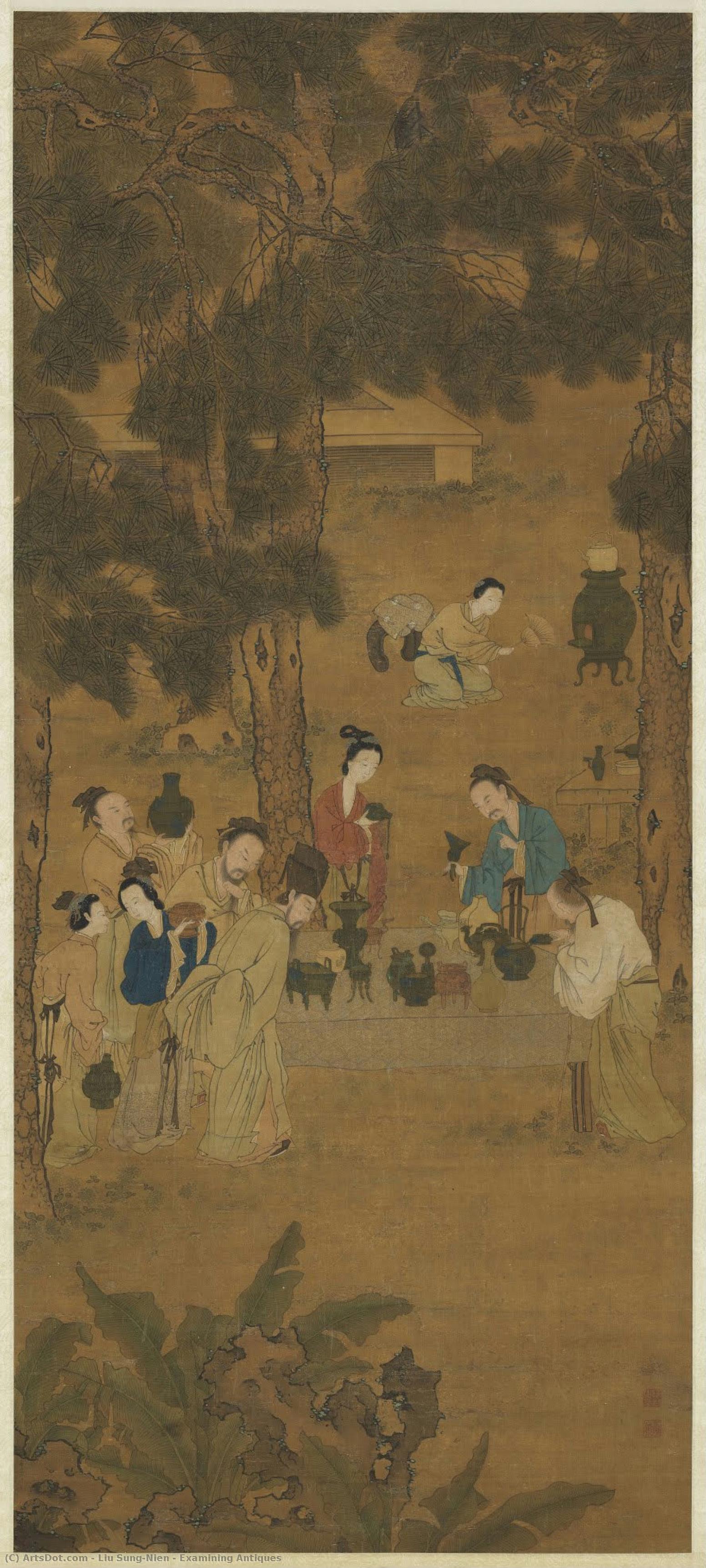
Examining Antiques


 Читать далее
Масляная репродукция ручной работы
Картина маслом на холсте в выбранном вами размере и раме, написанная на заказ нашими художниками. ( Перейти к печати Перейти к цифровым изображениям)




P118B $10

P118H $10

P118W $10

P438Z $10

P508JH $12

P508YH $12

P805H $10

P805Z $10

P919BZ $10

P919G $10

P919XJ $10

P959ZH $10

P968JZ $12

W106C $8

W218G $10

W218JH $8

W218Y $10

W307PJ $10

W316G $10

W316PJ $8

W316Y $10

W398PJ $8

W4111J $10

W500HY $15

W500JH $15

W692G $12

W849H $8

W940BG $15

W953PJ $8




Выберите один из наших стандартных размеров, соответствующих оригинальным пропорциям произведения искусства.

Вы можете указать собственные размеры, чтобы картина идеально вписалась в выбранную раму или пространство. Если выбранный вами размер не соответствует пропорциям оригинала, мы либо обрежем полотно, либо расширим его за счет дополнительных элементов, написанных вручную. Цифровой макет будет отправлен вам на утверждение перед началом производства.
Обратите внимание, что предварительный просмотр на экране не отражает фактическую обрезку или расширение. Только макет точно покажет окончательную композицию.
Хотя доступны индивидуальные размеры, мы рекомендуем выбирать вариант из предопределенного списка, чтобы сохранить исходные пропорции.
После оформления заказа команда ArtsDot.com свяжется с клиентом по электронной почте для уточнения деталей и предоставит предварительный макет
Доставка по всему миру () за 3–4 недели вместо стандартных 5 недель. (11 Сентябрь). Без компромиссов в качестве.

Бесплатная экспресс-доставка по всему миру

Высококачественный льняной холст

Полное страхование доставки

Гарантия возмещения таможенных пошлин

Гарантия точного соответствия цветов

100-дневная политика возврата (только при обнаружении дефектов)

Гарантия возврата 100% средств

Предложение оптовых скидок
 Вариант со стеклом доступен только для размеров менее 110 см

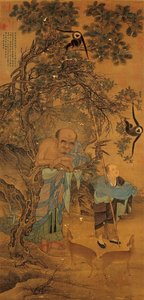
Examining Antiques
Техника репродукции
Размер репродукции
-


Итоговая стоимость
$ 263
Examining Antiques – A Window into Song Dynasty Aesthetics
Liu Songnian’s “Examining Antiques,” created around 1211, transcends mere depiction; it embodies the spirit of the early Southern Song Dynasty (1127–1279), a period characterized by artistic innovation and intellectual curiosity. This silk artwork isn't simply a visual record of a gathering—it’s a carefully constructed meditation on value, authenticity, and the enduring fascination with the past – themes deeply rooted in Confucian ideals prevalent during the era. The painting captures a moment of contemplative exchange amongst scholars, surrounded by objects imbued with history and cultural significance.- Subject Matter: The scene portrays individuals meticulously scrutinizing antiques—primarily bowls, cups, vases, and a wine glass—suggesting discussions about their provenance and artistic merit.
- Style & Technique: “Examining Antiques” firmly establishes Liu Songnian as a pivotal figure in Nanga painting – a stylistic movement that sought to emulate Japanese landscape art while grounding itself in Chinese traditions. The artwork exemplifies the meticulous brushwork characteristic of Nanga, prioritizing atmospheric perspective and capturing subtle nuances of light and shadow.
- Historical Context: Produced during Emperor Ningzong’s reign, “Examining Antiques” reflects the broader cultural climate of the time—a renewed interest in classical scholarship and a desire to preserve cultural heritage amidst political instability. The Song court actively fostered artistic endeavors aimed at promoting Confucian values and upholding moral standards.


Биография художника
Liu Songnian: Bridging Tradition and Nature in the Southern Song
Born around 1174 in what is now Hangzhou, China, Liu Songnian (also known as Liu Sung-nien) stands as a pivotal figure in the artistic landscape of the early Southern Song Dynasty (1127–1279). He wasn’t merely a painter; he was a conduit, skillfully blending the established traditions of literati painting with emerging influences, ultimately shaping the course of Nanga painting – a style that sought to depict Chinese landscapes and figures in a manner inspired by Japanese art. His career spanned roughly from 1190 to 1230, a period marked by both political upheaval and remarkable artistic flourishing within the Song court.
Liu’s early life was deeply intertwined with the imperial system of painting. He entered the Southern Song Imperial Academy of Painting as a student in 1189, a prestigious institution that served as the training ground for all official court artists. His initial trajectory followed closely the established methods of Li Tang, a master known for his monumental landscapes and meticulous detail. This foundational influence is evident in Liu’s early works, characterized by a similar emphasis on precise brushwork and a deep understanding of traditional compositional techniques. However, Liu wasn't content to simply replicate his teacher’s style; he began to subtly introduce elements that would distinguish his own artistic voice.
The Influence of Nanga and the Pursuit of Personal Expression
Liu’s artistic development took a significant turn through exposure to the burgeoning Nanga (literally “Southern Painting”) movement. This style, originating in Japan and gaining traction within China during this period, sought to emulate the spirit and aesthetics of Japanese landscape painting – *yamato-e* – while depicting Chinese subjects and scenes. Liu’s work demonstrates a clear engagement with Nanga principles, particularly its emphasis on capturing the essence of nature rather than merely reproducing it realistically. He skillfully integrated elements of Japanese composition, such as open space and atmospheric perspective, into his own paintings.
Furthermore, Liu was influenced by other artists like Gion Nankai, a prominent Nanga painter who brought a more expressive and emotionally charged approach to landscape painting. Liu’s style is characterized by a remarkable ability to convey mood and atmosphere through subtle shifts in color and brushstroke. He moved away from the rigid formality of traditional literati painting, embracing a greater degree of personal interpretation and emotional resonance within his work. This shift reflects a broader trend during the Southern Song Dynasty – a move towards valuing individual artistic expression over strict adherence to established conventions.
A Palette of Monochromatic Ink and Evocative Scenes
Liu’s paintings are primarily distinguished by their masterful use of monochromatic ink wash ( *sumi-e*). He expertly manipulated the density, texture, and flow of black ink to create a remarkable range of tones and effects. This technique, combined with his understanding of color theory, allowed him to evoke a profound sense of atmosphere and depth within his landscapes. His works often feature simple yet expressive brushstrokes, conveying both technical skill and emotional nuance.
Notable among Liu’s achievements are paintings like “Bamboo and Rock in Snow” (circa 1207) and “Window onto Bamboo on a Rainy Day.” “Bamboo and Rock in Snow” exemplifies the Nanga style with its emphasis on simple yet expressive brushstrokes, monochromatic ink, and a focus on capturing the essence of nature. "Window onto Bamboo on a Rainy Day" showcases the movement’s focus on nature and its use of empty space to convey a sense of tranquility. His “Ink Landscape” is a prime example of this fusion – a work that reflects his deep understanding of Chinese poetry and philosophy, translating complex ideas into visual form.
Legacy and Enduring Influence
Liu Songnian’s legacy extends far beyond the confines of the Southern Song Dynasty. His innovative approach to landscape painting profoundly influenced subsequent generations of Chinese artists, particularly those associated with the Nanga movement. His work continues to be studied and admired for its technical mastery, emotional depth, and profound connection to nature.
Interestingly, Liu’s influence can also be seen in modern Japanese art. The delicate brushwork, atmospheric perspective, and emphasis on capturing the spirit of nature found in his paintings resonate with contemporary Japanese landscape artists who continue to draw inspiration from this rich artistic tradition. Liu Songnian's contribution to Chinese painting is a testament to the enduring power of artistic innovation and the ability of a single artist to bridge diverse cultural influences.
liu sung-nien
1174 - 1224 , China
Основные сведения
- Artistic Movement Or Style: Southern Song Dynasty
- Artists Or Movements Influenced By This Artist: ['Modern Japanese artists']
- Artists Who Influenced This Artist:
- Li Tang
- Ma Yuan
- Xia Gui
- Sakaki Hyakusen
- Gion Nankai
- Date Of Birth: Unknown, 1174
- Date Of Death: 1224
- Full Name: Liu Songnian / Liu Sung-nien
- Nationality: Chinese
- Notable Artworks:
- Bamboo and Rock in Snow
- Window onto Bamboo on a Rainy Day
- Ink Landscape
- Place Of Birth: China (Hangzhou)
Похожие статьи

Джон Констебль: 25 шедевров английского пейзажа для вашего интерьера
Погрузитесь в мир английского пейзажа с Джоном Констеблом! 25 шедевров романтизма, история создания картин и вдохновение для вашего интерьера. Репродукции высокого качества на ArtsDot.com – искусство для ценителей.

Evocations of Place: A Historical Journey Through Landscape Art
Explore the rich history of landscape art with ArtsDot. Discover renowned artists, movements like Impressionism & Romanticism, and expert guidance for collecting timeless pieces. Find your perfect serene escape today!

Evocations of Place: A Historical Journey Through Landscape Art
Explore the rich history of landscape art with ArtsDot. Discover renowned artists, movements like Impressionism & tonalism, and expert guidance for collecting timeless pieces. Find your perfect serene escape today!
Evoking Nature's Sublime: A Comprehensive Exploration of 19th-Century Landscape Painting
Explore the captivating world of 19th-century landscape painting! Discover renowned artists like Friedrich & Monet, key movements, and find the perfect artwork to bring nature's serenity into your home. Expert insights at ArtsDot.

Романтический пейзаж: 10 шедевров, изменивших искусство | ArtsDot.com
Погрузитесь в мир романтического пейзажа! 10 шедевров Фридриха, Тёрнера и других гениев. Узнайте историю создания культовых картин и вдохновитесь для декора интерьера. Репродукции высокого качества на ArtsDot.com.