

 Предпросмотр
 Поделиться
 Поделиться
 Детали произведения

 Скачать
 Похожие работы
 Рентгенография
 Слайд-шоу
 Статистика
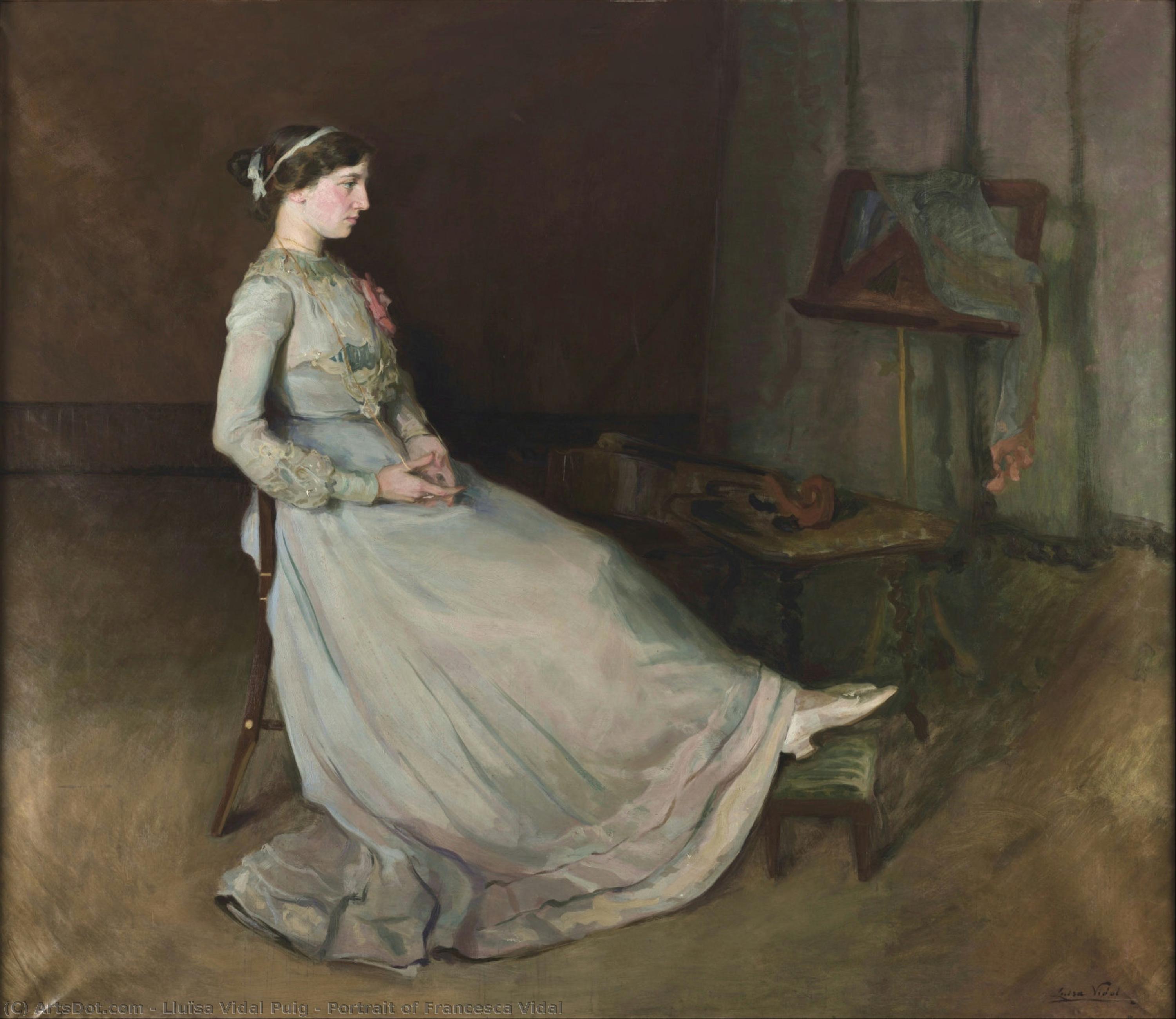
Portrait of Francesca Vidal
 Oil On Canvas
- WallArt
- Impressionist Painting
 1909
1909 197.0 x 171.0 cm
 Вила Касаль-Музей Пау Касаль
 Читать далее
Приобретите цифровое изображение высокого разрешения в улучшенном качестве, которое значительно превосходит онлайн-превью.
Каждый файл тщательно подготавливается нашими специалистами с использованием передовых инструментов и экспертной ручной ретуши. Мы гарантируем исключительную четкость, точную цветопередачу и детальную проработку каждого изображения.
Финальный файл доставляется по электронной почте в течение 72 часов и оптимизирован для немедленного использования в профессиональной среде, при верстке и печати. Это тот же уровень качества, которому доверяют ведущие дизайнерские студии, издательства и галереи.
Цифровое изображение
Скачайте файл высокого разрешения для личного использования, печати и творческих проектов. ( Перейти к печати Купить картину ручной работы)
Включено в каждый заказ цифровых изображений
Гарантия экспертной цифровой доставки
Выбирая ArtsDot.com, вы получаете не просто изображение — вы приобретаете профессионально обработанное цифровое произведение искусства, созданное с безупречной точностью и под защитой гарантии качества. Вот всё, что автоматически входит в ваш заказ:

Мгновенная доставка по e-mail
Ваш цифровой файл в высоком разрешении будет отправлен вам по электронной почте в течение 72 часов после оформления заказа — и сразу станет доступен для использования.

Цифровой файл с ИИ-улучшением
Ваше произведение искусства проходит профессиональную оптимизацию с использованием передовых инструментов ИИ и ручной обработки, что гарантирует максимальную детализацию, четкость и точность цветопередачи.

Бессрочная бесплатная повторная доставка
Случайно удалили или потеряли файл? Не беспокойтесь — мы отправим его вам повторно в любое время и совершенно бесплатно.

Без импортных пошлин — навсегда
Наслаждайтесь вашим произведением искусства мгновенно без таможенных пошлин, сборов или затрат на доставку — цифровые загрузки всегда не облагаются налогом.

Гарантия точности цветопередачи
Мы гарантируем, что ваше цифровое изображение максимально точно передает оригинальные цвета благодаря использованию профессиональных инструментов и систем управления цветом.

Гарантия удовлетворенности 100 дней
Если вы не будете удовлетворены своим цифровым изображением, мы внесем правки или вернем 100% стоимости в течение 100 дней — без лишних вопросов.

100% Гарантия возврата средств
Не удовлетворены покупкой? Получите полный возврат средств в течение 100 дней после получения цифрового файла — без лишних вопросов.

Скидки на оптовые заказы
Купите 3 изображения, сэкономьте 10% — Купите 5, сэкономьте 15% — Купите 10+, сэкономьте 20%. Отличное решение для творческих проектов, галерей и агентств.
A Moment of Quiet Reflection: lluïsa Vidal Puig’s *Portrait of Francesca Vidal*
Illuminated by the soft light of a Barcelona studio in 1909, lluïsa Vidal Puig's *Portrait of Francesca Vidal* offers a poignant glimpse into the life of a woman defined by both grace and introspection. This intimate portrait, measuring 197 x 171 cm, transcends a simple likeness; it’s a carefully constructed tableau that speaks volumes about Catalan society at the turn of the century and the burgeoning artistic voice of Vidal Puig herself.
- Subject & Composition: The central figure, Francesca Vidal, is presented in a seated pose, her hands folded demurely on her lap – a gesture suggesting both composure and quiet contemplation. Her attire, a flowing dress hinting at elegance, contrasts subtly with the slightly cluttered yet refined setting.
- The Setting: The room itself is integral to the portrait’s narrative. A grand piano dominates the right side, a symbol of cultural refinement and intellectual pursuits common among the upper classes. Scattered books suggest an educated mind and a love of learning – qualities highly valued during this period. The chair positioned on the left subtly invites the viewer into the scene, fostering a sense of shared intimacy.
The Artistic Vision of lluïsa Vidal Puig
Born in Barcelona in 1876, lluïsa Vidal Puig emerged as a significant figure within Spain’s artistic landscape, though her work has often been overshadowed by more prominent contemporaries. Her style reflects the influences of Impressionism and Post-Impressionism, particularly evident in her use of light and color. While details about her training are somewhat scarce – she is described as a pioneer of American Impressionism (a potentially misleading attribution given her Spanish origins) – her work demonstrates a keen eye for detail and a masterful understanding of capturing the nuances of human emotion. Vidal Puig’s artistic journey was marked by a dedication to portraying the everyday lives of women, offering a rare perspective within the predominantly male-dominated art world of her time.
- Technique: Vidal Puig employs a delicate brushstroke and a subtle palette dominated by muted tones – browns, creams, and hints of pink – creating an atmosphere of quiet serenity. The modeling of form is skillful, particularly in the rendering of Francesca’s face and hands, conveying a sense of realism tempered with artistic interpretation.
- Color Palette: The use of color isn't flamboyant; it’s carefully considered to evoke mood and enhance the overall composition. The pink flower in her hair adds a touch of vibrancy against the muted background, drawing attention to her face and symbolizing beauty and perhaps fleeting youth.
Symbolism and Historical Context
*Portrait of Francesca Vidal* is more than just a likeness; it’s a window into the social and cultural context of Barcelona in 1909. The piano, a symbol of wealth and education, reflects the aspirations of the middle class. The books represent intellectual pursuits – a hallmark of the era's growing emphasis on learning and culture. The portrait also speaks to the role of women within Spanish society at the time, portraying a woman of apparent leisure and refinement, indicative of her social standing.
- Social Significance: The painting’s creation coincides with a period of significant social change in Spain, marked by industrialization and urbanization. Vidal Puig's work reflects these shifts, offering a glimpse into the lives of individuals navigating this evolving landscape.
- Artist’s Biography: Born in 1876, lluïsa Vidal Puig lived through a transformative period in Spanish history, witnessing the rise of modernism and the challenges faced by artists seeking recognition within a conservative artistic establishment. Her untimely death in 1918 cut short a promising career, leaving behind a relatively small but significant body of work.
Emotional Impact & Reproduction
*Portrait of Francesca Vidal* possesses an undeniable emotional resonance. The woman’s serene expression and the quiet intimacy of the scene evoke a sense of nostalgia and contemplation. A hand-painted reproduction of this artwork offers a unique opportunity to bring this evocative image into your home or office, adding a touch of timeless elegance and artistic sophistication. ArtsDot's meticulous reproductions capture the nuances of Vidal Puig’s original technique, ensuring that you receive an authentic representation of this remarkable portrait.
Похожие произведения






Биография художника
Edward Mitchell Bannister: A Pioneer of American Impressionism
Edward Mitchell Bannister’s journey as an artist is a testament to perseverance and the quiet triumph of vision over adversity. Born in November 1828 in St. Andrews, New Brunswick, Canada – a region steeped in both Scottish heritage and the burgeoning realities of North America – Bannister's life was shaped by early loss and a relentless pursuit of artistic recognition. His father, a Barbadian immigrant involved in local shipping, instilled in him an appreciation for the natural world, while his mother, Hannah Alexander Bannister, nurtured his initial artistic inclinations. Tragically, her death when he was just twelve years old left a profound void, yet simultaneously ignited within him a determination to honor her memory through his art.
Bannister’s early life was marked by itinerant labor – a common experience for young men in the region. He worked as a seaman, a barber, and various other manual trades before finding his footing in Boston around 1857. It was here that he began to seriously dedicate himself to painting, initially influenced by the Barbizon School movement gaining popularity in Europe. The Barbizon painters, with their emphasis on capturing the essence of nature through broad brushstrokes and a muted palette, provided a crucial foundation for Bannister’s artistic development. He studied under William Morris Hunt, an American expatriate who had spent considerable time in France absorbing the principles of Impressionism and Realism.
A pivotal moment arrived in 1876 when Bannister's painting, *Under the Oaks*, was accepted into the Philadelphia Centennial Exposition – a landmark event celebrating America’s centennial. This achievement garnered him national attention and, remarkably, secured him the bronze medal, despite facing initial skepticism due to his African-American heritage. The judges’ initial indignation at discovering his race highlights the deeply ingrained prejudices of the time, yet ultimately underscored Bannister's artistic merit. This victory was a watershed moment, not only for Bannister himself but also as a symbol of progress and inclusion within the American art world. His success challenged prevailing assumptions about racial limitations in creative expression.
Following the Centennial Exposition, Bannister continued to produce landscapes characterized by their somber tones, thick impasto, and evocative depictions of rural scenes. He developed a distinctive style that blended elements of Barbizon painting with his own unique vision. His later works increasingly incorporated Impressionistic techniques, utilizing broken color and looser brushwork to capture fleeting moments of light and atmosphere. Bannister’s dedication to his craft allowed him to create a substantial body of work, primarily landscapes, which offer a glimpse into the beauty of the American countryside during the late 19th century.
Gwen John: A Master of Intimacy
Born in Haverfordwest, Wales, on June 22, 1876, Gwen John was a remarkably private and introspective artist who spent most of her career in France. Her life was intertwined with that of her brother, Augustus John, another celebrated Welsh painter, and her mentor and lover, Auguste Rodin. The early loss of her mother profoundly shaped her artistic sensibility, fostering a deep sense of melancholy and a preoccupation with themes of isolation, memory, and the female form.
Unlike her more flamboyant brother, Gwen John’s work is characterized by its quiet intensity and subtle nuances. She primarily created portraits of anonymous female sitters – often elderly women or young girls – rendered in a range of closely related tones that evoke a sense of intimacy and vulnerability. Her paintings are not grand statements but rather delicate explorations of human emotion and the fleeting beauty of everyday life. John’s technique involved meticulous observation and a remarkable ability to capture the textures of fabric, skin, and light. She eschewed dramatic poses or elaborate settings, instead focusing on capturing the essence of her subjects through carefully considered compositions and subtle color variations.
Her artistic development was influenced by both her brother Augustus John, who encouraged her early experimentation with art, and Auguste Rodin, whose presence in her life provided a source of inspiration and emotional support. John’s relationship with Rodin was complex and often fraught with tension, yet it undoubtedly shaped her artistic vision. She served as his model for many years, providing him with a constant subject for his sculptures and paintings. Despite the recognition she received from critics and collectors during her lifetime, John remained largely overshadowed by her brother's fame. However, in recent decades, there has been a growing appreciation for her unique artistic voice and her profound insights into the human condition.
The Influence of Japanese Art
Edward Mitchell Bannister’s work was profoundly influenced by the Japonisme movement that swept through Europe during the late 19th century. This fascination with Japanese art, particularly woodblock prints (ukiyo-e), led him to incorporate elements of Japanese composition, color palettes, and subject matter into his paintings. The influence is most evident in his landscapes, which often feature stylized trees, water features, and a sense of atmospheric perspective reminiscent of Japanese prints.
Bannister’s adoption of Japonisme was not merely superficial; he deeply studied the principles of Japanese art and sought to emulate its aesthetic qualities. He experimented with techniques such as *mokusatsu* (a deliberate avoidance of detail) and *yosemai* (a technique of omitting certain elements to create a sense of suggestion). His use of muted colors, simplified forms, and atmospheric effects reflects the influence of Japanese prints, while his own artistic sensibility ensured that his work remained distinctly American. The incorporation of Japanese motifs into his landscapes allowed Bannister to transcend traditional Western landscape painting and create works that were both visually striking and conceptually innovative.
Gwen John’s Legacy
Despite facing significant challenges throughout her career, Gwen John left behind a remarkable body of work that continues to resonate with viewers today. Her intimate portraits, rendered in delicate tones and imbued with a sense of melancholy, offer a poignant glimpse into the lives of women during the late 19th and early 20th centuries. Her meticulous attention to detail and her ability to capture subtle nuances of emotion have earned her recognition as one of the most important Welsh artists of her time.
Gwen John’s work was initially overshadowed by that of her brother, Augustus John, but in recent decades there has been a growing appreciation for her unique artistic vision. Her paintings are now exhibited in major museums and galleries around the world, and she is increasingly recognized as a pioneering figure in modern art. Her legacy lies not only in her individual achievements but also in her willingness to challenge conventional notions of femininity and to explore the complexities of human emotion through her art.
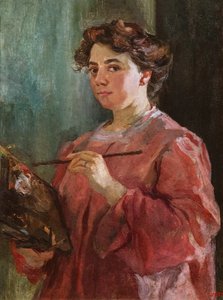
lluïsa vidal puig
1876 - 1918