

 Предпросмотр
 Поделиться
 Поделиться
 Детали произведения

 Скачать
 Похожие работы
 Рентгенография
 Слайд-шоу
 Статистика
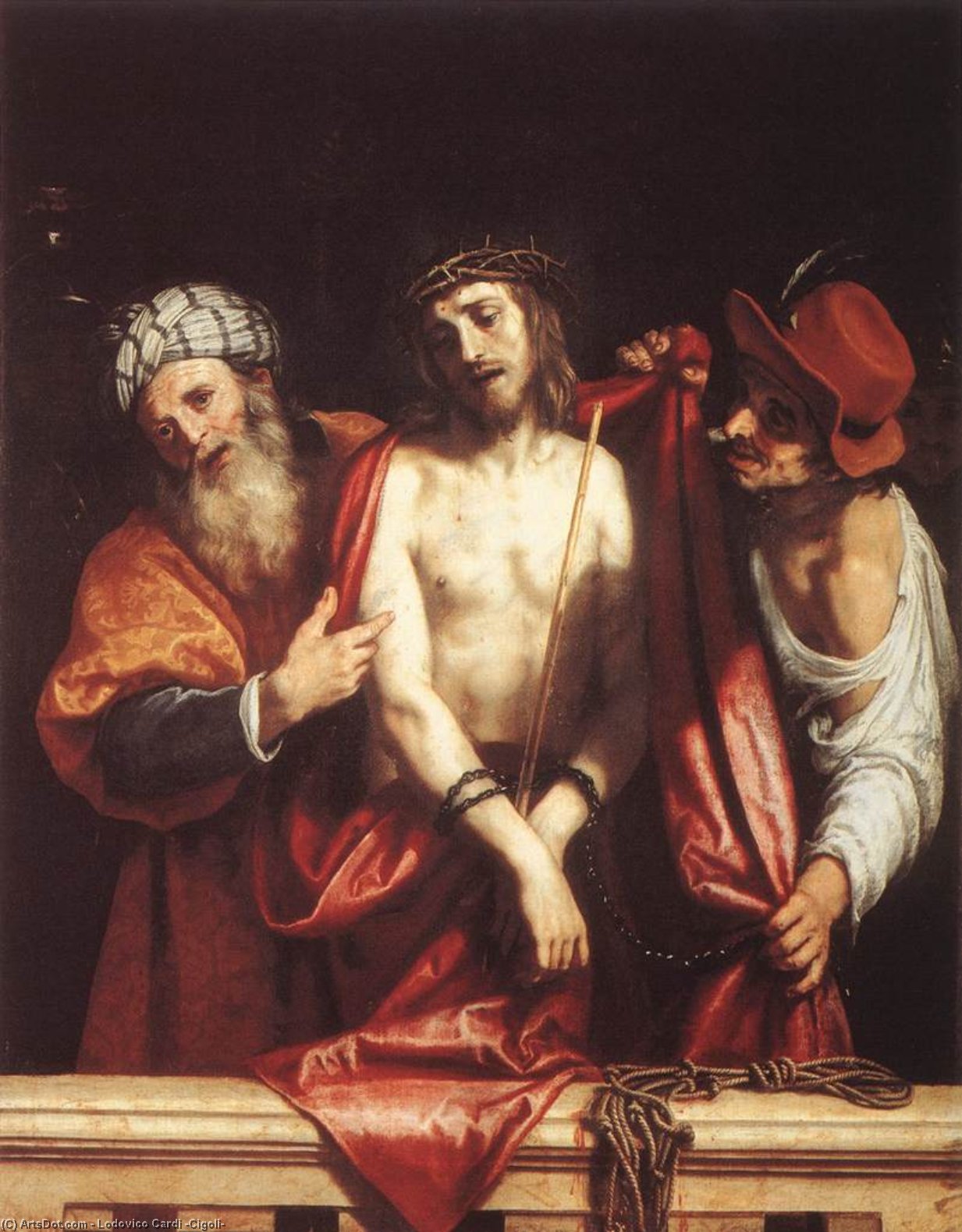
Ecce Homo
 1607
1607 175.0 x 135.0 cm
 Читать далее
Масляная репродукция ручной работы
Картина маслом на холсте в выбранном вами размере и раме, написанная на заказ нашими художниками. ( Перейти к печати Перейти к цифровым изображениям)




































Выберите один из наших стандартных размеров, соответствующих оригинальным пропорциям произведения искусства.

Вы можете указать собственные размеры, чтобы картина идеально вписалась в выбранную раму или пространство. Если выбранный вами размер не соответствует пропорциям оригинала, мы либо обрежем полотно, либо расширим его за счет дополнительных элементов, написанных вручную. Цифровой макет будет отправлен вам на утверждение перед началом производства.
Обратите внимание, что предварительный просмотр на экране не отражает фактическую обрезку или расширение. Только макет точно покажет окончательную композицию.
Хотя доступны индивидуальные размеры, мы рекомендуем выбирать вариант из предопределенного списка, чтобы сохранить исходные пропорции.
После оформления заказа команда ArtsDot.com свяжется с клиентом по электронной почте для уточнения деталей и предоставит предварительный макет
Доставка по всему миру () за 3–4 недели вместо стандартных 5 недель. (11 Сентябрь). Без компромиссов в качестве.

Бесплатная экспресс-доставка по всему миру

Высококачественный льняной холст

Полное страхование доставки

Гарантия возмещения таможенных пошлин

Гарантия точного соответствия цветов

100-дневная политика возврата (только при обнаружении дефектов)

Гарантия возврата 100% средств

Предложение оптовых скидок
 Вариант со стеклом доступен только для размеров менее 110 см

Ecce Homo
Техника репродукции
Размер репродукции
-


Итоговая стоимость
$ 263
Похожие произведения







Биография художника
The Visionary Brush of Lodovico Cardi
In the vibrant, transformative landscape of late 16th and early 17th-century Italy, few artists captured the spiritual intensity and dramatic movement of the burgeoning Baroque era as profoundly as Lodovico Cardi. Known to history by his evocative moniker, Cigoli, this Tuscan master emerged from a lineage of profound artistic tradition to become a cornerstone of Roman painting. Born in 1559, Cigoli’s journey was one of constant evolution, moving from the refined, often artificial elegance of Mannerism toward a more visceral, emotionally resonant realism that would define the next generation of European art.
Cigoli's artistic identity was forged in the studios of Urbino, where he studied under the legendary Federico Barocci. This early apprenticeship was pivotal; from Barocci, Cigoli inherited a delicate sensitivity to color and a mastery of soft, expressive light. However, as he migrated toward the bustling heart of Rome, his style began to shed its more rigid, Mannerist constraints. He embraced the burgeoning energy of the Baroque, learning to utilize chiaroscuro—the dramatic interplay of light and shadow—to breathe life into sacred narratives. His work became a bridge between the poised grace of the Renaissance and the theatrical, high-stakes emotion that would soon dominate the Roman art scene.
A Master of Sacred Drama and Roman Patronage
The true brilliance of Cigoli lies in his ability to transform theological concepts into palpable human experiences. His canvases were not merely decorations for altars but windows into the divine. Through his command of composition, he could guide the viewer's eye through complex biblical scenes, creating a sense of movement that felt both spontaneous and meticulously orchestrated. This skill earned him the favor of Rome’s most powerful patrons, including the illustrious Borgia and Farnese families, whose commissions allowed him to decorate some of the city's most significant religious spaces.
His repertoire was as diverse as it was profound, ranging from intimate studies to monumental religious cycles. Consider the following hallmarks of his celebrated oeuvre:
- The Adoration of the Shepherds: A masterpiece of texture and light, where the humble warmth of the figures contrasts with the divine radiance of the Christ child, showcasing his ability to blend the earthly with the celestial.
- Saint Peter and Saint John Healing a Cripple: An exhibition of dramatic realism, where the physical struggle and spiritual triumph are rendered with an almost cinematic intensity.
- St. Francis: A poignant exploration of asceticism and devotion, capturing the saint's humility through soft, emotive brushwork that reflects his Barocci-inspired roots.
- Study of Head and Bust of Youth: Demonstrating his versatility beyond religious themes, these portraits reveal a Mannerist elegance and a keen eye for the subtle nuances of human anatomy and character.
Legacy and Historical Significance
Cigoli’s influence extended far beyond the borders of his own canvases. As a painter, sculptor, and architect, he was a true polymath of the Roman Baroque. His collaborations with sculptors like Alessandro Algardi helped create integrated, monumental environments where painting and sculpture functioned as a single, cohesive narrative force. This holistic approach to art-making was essential in shaping the aesthetic language of the Counter-Reformation, an era that demanded art be both instructional and emotionally overwhelming.
Though his life ended in 1613, the echoes of his technique remained. By infusing the structured traditions of his Tuscan upbringing with the theatrical dynamism of Rome, Cigoli helped pave the way for the great masters of the high Baroque. He remains a vital figure for any student of art history—a painter who understood that to depict the divine, one must first master the profound, moving reality of the human condition.
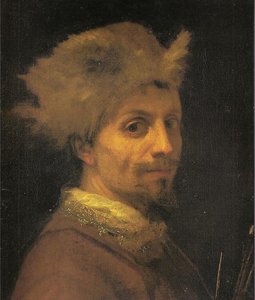
lodovico cardi (cigoli)
1559 - 1613 , Italy
Основные сведения
- Artistic Movement Or Style: Mannerist/Baroque
- Artists Who Influenced This Artist:
- Giambattista Bassano
- Michelangelo
- Date Of Birth: September 21, 1559
- Full Name: Ludovico Cardi Cigoli
- Nationality: Italian
- Notable Artworks:
- St Francis
- The Flight into Egypt
- The Adoration of the Magi
- Place Of Birth: Tuscany, Italy