

 Предпросмотр
 Поделиться
 Поделиться
 Детали произведения

 Скачать
 Похожие работы
 Рентгенография
 Слайд-шоу
 Статистика
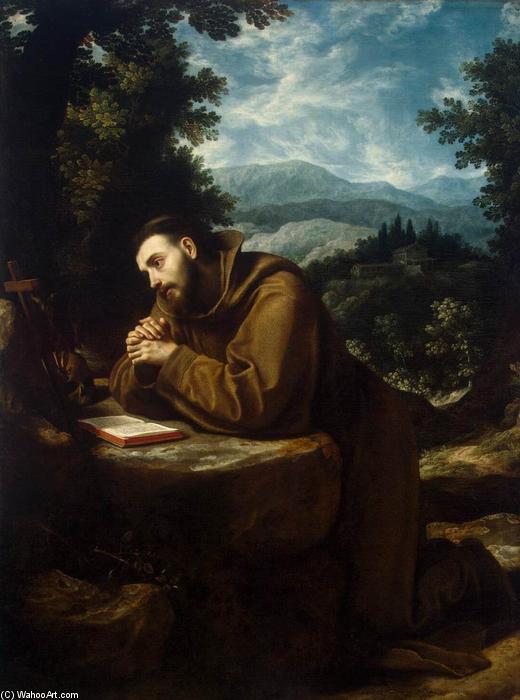
St Francis
 Oil On Canvas
- WallArt
- Baroque
 1597
1597- Early Modern
 198.0 x 147.0 cm
 Эрмитаж
 Читать далее
Приобретите цифровое изображение высокого разрешения в улучшенном качестве, которое значительно превосходит онлайн-превью.
Каждый файл тщательно подготавливается нашими специалистами с использованием передовых инструментов и экспертной ручной ретуши. Мы гарантируем исключительную четкость, точную цветопередачу и детальную проработку каждого изображения.
Финальный файл доставляется по электронной почте в течение 72 часов и оптимизирован для немедленного использования в профессиональной среде, при верстке и печати. Это тот же уровень качества, которому доверяют ведущие дизайнерские студии, издательства и галереи.
Цифровое изображение
Скачайте файл высокого разрешения для личного использования, печати и творческих проектов. ( Перейти к печати Купить картину ручной работы)
Включено в каждый заказ цифровых изображений
Гарантия экспертной цифровой доставки
Выбирая ArtsDot.com, вы получаете не просто изображение — вы приобретаете профессионально обработанное цифровое произведение искусства, созданное с безупречной точностью и под защитой гарантии качества. Вот всё, что автоматически входит в ваш заказ:

Мгновенная доставка по e-mail
Ваш цифровой файл в высоком разрешении будет отправлен вам по электронной почте в течение 72 часов после оформления заказа — и сразу станет доступен для использования.

Цифровой файл с ИИ-улучшением
Ваше произведение искусства проходит профессиональную оптимизацию с использованием передовых инструментов ИИ и ручной обработки, что гарантирует максимальную детализацию, четкость и точность цветопередачи.

Бессрочная бесплатная повторная доставка
Случайно удалили или потеряли файл? Не беспокойтесь — мы отправим его вам повторно в любое время и совершенно бесплатно.

Без импортных пошлин — навсегда
Наслаждайтесь вашим произведением искусства мгновенно без таможенных пошлин, сборов или затрат на доставку — цифровые загрузки всегда не облагаются налогом.

Гарантия точности цветопередачи
Мы гарантируем, что ваше цифровое изображение максимально точно передает оригинальные цвета благодаря использованию профессиональных инструментов и систем управления цветом.

Гарантия удовлетворенности 100 дней
Если вы не будете удовлетворены своим цифровым изображением, мы внесем правки или вернем 100% стоимости в течение 100 дней — без лишних вопросов.

100% Гарантия возврата средств
Не удовлетворены покупкой? Получите полный возврат средств в течение 100 дней после получения цифрового файла — без лишних вопросов.

Скидки на оптовые заказы
Купите 3 изображения, сэкономьте 10% — Купите 5, сэкономьте 15% — Купите 10+, сэкономьте 20%. Отличное решение для творческих проектов, галерей и агентств.
A Moment of Reverence: Exploring Ludovico Cardi’s “St Francis”
Lodovico Cardi, universally recognized as Cigoli, stands as a pivotal figure in the transition from Mannerism to Baroque art—a movement characterized by dynamism and theatricality—in Rome during the late sixteenth century. While biographical details remain somewhat elusive, overshadowed by his prolific output of approximately 150 paintings, Cigoli’s enduring legacy resides in his masterful depictions of biblical narratives and religious iconography, cementing his place amongst the most influential artists of his time. His work embodies a profound understanding of human emotion and spiritual contemplation, qualities that continue to resonate with audiences today.The Painting's Subject Matter: Saint Francis Embracing Humility
“St Francis,” housed within The Hermitage Museum in St. Petersburg, Russia, portrays Saint Francis of Assisi kneeling upon a rocky outcrop—a deliberate choice reflecting the saint’s ascetic lifestyle and connection to the natural world. Cigoli meticulously captures a pivotal moment from Franciscan legend: the reception of the stigmata – the wounds mirroring Christ's crucifixion – symbolizing divine grace and unwavering devotion. The figure is positioned with one hand raised in benediction, conveying prayerful supplication, while the other holds a book—likely representing scripture or liturgical texts—emphasizing Francis’s commitment to spiritual contemplation and theological understanding.Stylistic Influences: Mannerism Meets Baroque Drama
Cigoli's artistic style demonstrates a complex interplay between Mannerist formalism and Baroque theatricality. Drawing heavily from Federico Barocci’s teachings in Urbino, Cigoli inherited the Mannerist penchant for stylized poses and elongated figures—a characteristic that lends “St Francis” an air of dignified solemnity. However, unlike the static compositions favored by Mannerists, Cigoli skillfully employs dramatic lighting and perspective to create a palpable sense of depth and movement. The artist’s masterful manipulation of chiaroscuro – the interplay between light and shadow – enhances the emotional impact of the scene, drawing viewers into Francis's inner world and fostering contemplation on themes of humility and divine compassion.Technique: Oil Paint on Canvas - A Legacy of Detail
Executed in oil paint on canvas—a technique prevalent during Cigoli’s era—the painting showcases remarkable attention to detail. Cigoli meticulously rendered the textures of St Francis's robes, conveying a sense of materiality and realism that distinguishes his work from earlier artistic styles. Furthermore, he painstakingly depicted the surrounding landscape—characterized by rugged rocks and sparse foliage—creating an immersive environment that reinforces the saint’s solitude and spiritual quest. The artist’s meticulous brushwork contributes significantly to the painting’s overall aesthetic quality and underscores Cigoli's commitment to achieving visual accuracy alongside expressive artistry.Historical Context: Rome Under Papal Patronage
“St Francis” emerged during a period of intense artistic innovation in Rome—a city under the patronage of Pope Paul V—who actively commissioned artists to adorn churches and palaces with monumental artworks reflecting Catholic piety. Cigoli’s painting exemplifies the Baroque aesthetic's ambition to inspire awe and convey spiritual fervor, aligning perfectly with the papal agenda of bolstering religious devotion amidst the turbulent political landscape of the time. Its placement within The Hermitage underscores its enduring significance as a masterpiece of Baroque art—a testament to Cigoli’s artistic genius and his contribution to shaping the visual culture of seventeenth-century Rome.Symbolism: Faith, Humility, and Divine Grace
Beyond its formal qualities, “St Francis” is laden with symbolic meaning. The stigmata represent Christ's suffering and sacrifice—a profound reminder of divine compassion and redemption—while St Francis’s posture embodies humility and reverence before God. The book symbolizes scripture and theological contemplation—affirming the saint’s unwavering faith and intellectual engagement with religious doctrine. Cigoli’s masterful depiction captures not merely a biblical narrative but also an embodiment of core Christian virtues, inviting viewers to contemplate themes of spiritual transformation and moral integrity.Похожие произведения
![Legend Of St Francis - [02] - St Francis Giving His Mantle To A Poor Man — Джотто Ди Бондоне, Gothic](/media/artworks/images-thumb/1f/84/1f842a0319a02eaaa27d431c94a53fd1.jpg)
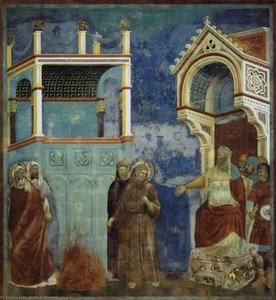
![Legend Of St Francis - [11] - St Francis Before The Sultan (trial By Fire) — Джотто Ди Бондоне, Proto-renaissance](/media/artworks/images-thumb/0d/32/0d328acfb6c90f7ef32707586e86044b.jpg)
![Legend Of St Francis - [24] - Canonization Of St Francis — Джотто Ди Бондоне, Gothic](/media/artworks/images-thumb/81/9b/819b5f0656848eb5cb3fcd40fd5756aa.jpg)
![Life Of Saint Francis - [04] - Death And Ascension Of St Francis — Джотто Ди Бондоне, Italian Renaissance](/media/artworks/images-thumb/08/8b/088b102b13c1a379233690905590f156.jpg)
![Legend Of St Francis - [20] - Death And Ascension Of St Francis — Джотто Ди Бондоне, Gothic Art](/media/artworks/images-thumb/9f/06/9f06c3a24fd2644cb73ccf76b03d9a70.jpg)
![Legend Of St Francis - [12] - Ecstasy Of St Francis — Джотто Ди Бондоне, Proto-renaissance](/media/artworks/images-thumb/04/ab/04abd6d876609c25d110143ce0fae9c5.jpg)
Биография художника
The Visionary Brush of Lodovico Cardi
In the vibrant, transformative landscape of late 16th and early 17th-century Italy, few artists captured the spiritual intensity and dramatic movement of the burgeoning Baroque era as profoundly as Lodovico Cardi. Known to history by his evocative moniker, Cigoli, this Tuscan master emerged from a lineage of profound artistic tradition to become a cornerstone of Roman painting. Born in 1559, Cigoli’s journey was one of constant evolution, moving from the refined, often artificial elegance of Mannerism toward a more visceral, emotionally resonant realism that would define the next generation of European art.
Cigoli's artistic identity was forged in the studios of Urbino, where he studied under the legendary Federico Barocci. This early apprenticeship was pivotal; from Barocci, Cigoli inherited a delicate sensitivity to color and a mastery of soft, expressive light. However, as he migrated toward the bustling heart of Rome, his style began to shed its more rigid, Mannerist constraints. He embraced the burgeoning energy of the Baroque, learning to utilize chiaroscuro—the dramatic interplay of light and shadow—to breathe life into sacred narratives. His work became a bridge between the poised grace of the Renaissance and the theatrical, high-stakes emotion that would soon dominate the Roman art scene.
A Master of Sacred Drama and Roman Patronage
The true brilliance of Cigoli lies in his ability to transform theological concepts into palpable human experiences. His canvases were not merely decorations for altars but windows into the divine. Through his command of composition, he could guide the viewer's eye through complex biblical scenes, creating a sense of movement that felt both spontaneous and meticulously orchestrated. This skill earned him the favor of Rome’s most powerful patrons, including the illustrious Borgia and Farnese families, whose commissions allowed him to decorate some of the city's most significant religious spaces.
His repertoire was as diverse as it was profound, ranging from intimate studies to monumental religious cycles. Consider the following hallmarks of his celebrated oeuvre:
- The Adoration of the Shepherds: A masterpiece of texture and light, where the humble warmth of the figures contrasts with the divine radiance of the Christ child, showcasing his ability to blend the earthly with the celestial.
- Saint Peter and Saint John Healing a Cripple: An exhibition of dramatic realism, where the physical struggle and spiritual triumph are rendered with an almost cinematic intensity.
- St. Francis: A poignant exploration of asceticism and devotion, capturing the saint's humility through soft, emotive brushwork that reflects his Barocci-inspired roots.
- Study of Head and Bust of Youth: Demonstrating his versatility beyond religious themes, these portraits reveal a Mannerist elegance and a keen eye for the subtle nuances of human anatomy and character.
Legacy and Historical Significance
Cigoli’s influence extended far beyond the borders of his own canvases. As a painter, sculptor, and architect, he was a true polymath of the Roman Baroque. His collaborations with sculptors like Alessandro Algardi helped create integrated, monumental environments where painting and sculpture functioned as a single, cohesive narrative force. This holistic approach to art-making was essential in shaping the aesthetic language of the Counter-Reformation, an era that demanded art be both instructional and emotionally overwhelming.
Though his life ended in 1613, the echoes of his technique remained. By infusing the structured traditions of his Tuscan upbringing with the theatrical dynamism of Rome, Cigoli helped pave the way for the great masters of the high Baroque. He remains a vital figure for any student of art history—a painter who understood that to depict the divine, one must first master the profound, moving reality of the human condition.

lodovico cardi (cigoli)
1559 - 1613 , Italy
Основные сведения
- Artistic Movement Or Style: Mannerist/Baroque
- Artists Who Influenced This Artist:
- Giambattista Bassano
- Michelangelo
- Date Of Birth: September 21, 1559
- Full Name: Ludovico Cardi Cigoli
- Nationality: Italian
- Notable Artworks:
- St Francis
- The Flight into Egypt
- The Adoration of the Magi
- Place Of Birth: Tuscany, Italy