


 Предпросмотр
 Поделиться
 Поделиться
 Детали произведения

 Скачать
 Похожие работы
 Рентгенография
 Слайд-шоу
 Статистика
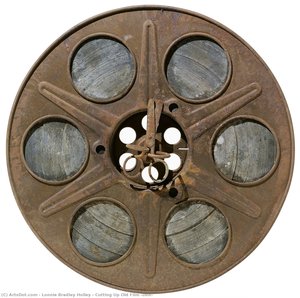
Защищаюсь как лучше могу
 Акрил на холсте
- Настенный декор
- Contemporary Realism
 1994
1994 88.0 x 40.0 cm
 Souls Grown Deep
 Читать далее
Приобретите цифровое изображение высокого разрешения в улучшенном качестве, которое значительно превосходит онлайн-превью.
Каждый файл тщательно подготавливается нашими специалистами с использованием передовых инструментов и экспертной ручной ретуши. Мы гарантируем исключительную четкость, точную цветопередачу и детальную проработку каждого изображения.
Финальный файл доставляется по электронной почте в течение 72 часов и оптимизирован для немедленного использования в профессиональной среде, при верстке и печати. Это тот же уровень качества, которому доверяют ведущие дизайнерские студии, издательства и галереи.
Цифровое изображение
Скачайте файл высокого разрешения для личного использования, печати и творческих проектов. ( Перейти к печати Купить картину ручной работы)
Включено в каждый заказ цифровых изображений
Гарантия экспертной цифровой доставки
Выбирая ArtsDot.com, вы получаете не просто изображение — вы приобретаете профессионально обработанное цифровое произведение искусства, созданное с безупречной точностью и под защитой гарантии качества. Вот всё, что автоматически входит в ваш заказ:

Мгновенная доставка по e-mail
Ваш цифровой файл в высоком разрешении будет отправлен вам по электронной почте в течение 72 часов после оформления заказа — и сразу станет доступен для использования.

Цифровой файл с ИИ-улучшением
Ваше произведение искусства проходит профессиональную оптимизацию с использованием передовых инструментов ИИ и ручной обработки, что гарантирует максимальную детализацию, четкость и точность цветопередачи.

Бессрочная бесплатная повторная доставка
Случайно удалили или потеряли файл? Не беспокойтесь — мы отправим его вам повторно в любое время и совершенно бесплатно.

Без импортных пошлин — навсегда
Наслаждайтесь вашим произведением искусства мгновенно без таможенных пошлин, сборов или затрат на доставку — цифровые загрузки всегда не облагаются налогом.

Гарантия точности цветопередачи
Мы гарантируем, что ваше цифровое изображение максимально точно передает оригинальные цвета благодаря использованию профессиональных инструментов и систем управления цветом.

Гарантия удовлетворенности 100 дней
Если вы не будете удовлетворены своим цифровым изображением, мы внесем правки или вернем 100% стоимости в течение 100 дней — без лишних вопросов.

100% Гарантия возврата средств
Не удовлетворены покупкой? Получите полный возврат средств в течение 100 дней после получения цифрового файла — без лишних вопросов.

Скидки на оптовые заказы
Купите 3 изображения, сэкономьте 10% — Купите 5, сэкономьте 15% — Купите 10+, сэкономьте 20%. Отличное решение для творческих проектов, галерей и агентств.
Protecting Myself the Best I Can (Weapons by the Door) – Lonnie Holley’s Quiet Rebellion
Lonnie Holley's "Protecting Myself the Best I Can" isn't merely a still life; it’s a carefully constructed narrative whispered from Alabama soil. Created in 1994, this assemblage sculpture transcends simple representation, embodying a profound dialogue between vulnerability and resilience—themes deeply rooted in Holley’s personal journey and powerfully echoed within his artistic vision. The photograph captures a seemingly unassuming collection of antique baseball bats arranged within a weathered metal bucket – objects that speak volumes about survival and defense.- Composition & Perspective: The central placement of the bucket immediately establishes dominance, yet it's juxtaposed with the scattered bats, creating an uneasy balance. A frontal view lends a directness to the gaze, inviting contemplation on the act of safeguarding oneself against external pressures.
- Material Palette & Texture: Dominated by browns and grays, the color scheme evokes age, decay, and the passage of time—a visual manifestation of hardship endured. The textures are paramount: the rough surface of the bucket contrasts sharply with the grain of the wood bats, highlighting Holley’s masterful manipulation of materials to convey tactile experience.
- Technique & Style: Photographically reproduced, the artwork prioritizes accuracy and detail—a deliberate choice reflecting Holley's commitment to capturing reality without embellishment. The style leans toward realism, mirroring the artist’s own grounded perspective on life’s challenges.
- Symbolism & Context: Beyond its visual elements, “Protecting Myself the Best I Can” carries symbolic weight. The baseball bats represent tools for defense – a direct reference to Holley’s formative years navigating poverty and instability in the Jim Crow South. They symbolize resistance against oppression and an assertion of selfhood—values central to Holley's artistic ethos.
- Historical Resonance: Holley’s work speaks to the legacy of African American experience in America, specifically confronting issues of social inequity. The artist’s use of found materials – objects discarded or overlooked – underscores a belief that beauty and meaning can emerge from unexpected sources—a philosophy mirrored in his artistic practice.
Похожие произведения


![Quatre Femmes Sur Socle [four Women On A Base] — Альберто Джакометти, Modern Sculpture](/media/artworks/images-thumb/1c/72/1c722d6543f367f3d3096fdffeadda54.jpg)
Биография художника
Lonnie Holley: The Sand Man – A Life Sculpted From Found Materials
Lonnie Holley, born February 10, 1950, in Birmingham, Alabama, is more than just an artist; he’s a testament to the resilience of the human spirit and the transformative power of creativity. His journey, deeply rooted in the complexities of the Jim Crow South, has blossomed into a globally recognized artistic practice encompassing assemblage sculpture, immersive environments, and profoundly moving music—a narrative sculpted by hardship, loss, and an unwavering commitment to self-expression. He’s not one for formal training or privileged access; his story is a chronicle etched by circumstance, fueled by instinct, and illuminated by an incandescent inner voice.Early Life: From Foster Homes to Whiskey Houses
Lonnie Bradley Holley's childhood was marked by instability—a formative experience shaped by the turbulent realities of post-war Alabama. At five years old, he entered the foster care system after his mother placed him in the temporary care of a woman working as a burlesque dancer at a carnival. This initial upheaval continued as Holley moved between several foster homes, encountering diverse caregivers and navigating unfamiliar environments—picking up trash at drive-in theaters, washing dishes, cooking—and finding refuge in unconventional places like a whiskey house on the state fairgrounds and the Alabama Industrial School for Negro Children ("Mt. Meigs"). These experiences weren’t merely biographical details; they became the bedrock of his artistic vision, imbuing his sculptures with an authenticity that resonates deeply with viewers—a visceral understanding born from confronting adversity firsthand. He recounted tales of being struck by a car at 12 years old and subsequently incarcerated for violating curfew, highlighting the formative impact of societal pressures on his young life. These early encounters instilled in him a profound appreciation for resourcefulness and a determination to forge his own path despite obstacles.The Genesis of Creation: Grief and Stone
A pivotal moment arrived in 1979 when Holley began carving tombstones for his sister’s children who tragically perished in a fire—an act of mourning that unexpectedly unlocked his artistic vocation. Driven by grief, he embarked on a quest to honor their memory using readily available materials: sandstone-like remnants from a local foundry—a byproduct of Birmingham's industrial heritage. He described this discovery as “something like divine intervention,” attributing it to a guiding hand leading him toward a new form of expression. This wasn’t simply finding a medium; it was encountering a voice waiting to be unleashed—the intuitive impulse to transform raw material into something beautiful and meaningful. The act of shaping these stones into memorials became a catalyst for broader artistic exploration, transforming discarded objects into powerful expressions of remembrance and loss. He approached the sandstone not with preconceived notions but allowed its texture and form to dictate his creative process—a technique that would become central to his distinctive sculptural style.Assemblage Art: Transforming Waste Into Wonder
Holley’s artistic practice is fundamentally rooted in assemblage – the art of constructing sculptures from disparate found objects. Metal scraps, weathered wood fragments, discarded stones, everyday detritus—these aren't merely materials to Holley; they are vessels carrying stories, memories, and echoes of past lives. His process isn’t about imposing a vision onto these objects but rather allowing them to reveal their potential through intuitive arrangement and connection. He eschews meticulous planning, instead responding directly to the inherent qualities of each material—its color, texture, weight, and history—creating sculptures that are as much about process as they are about outcome. This improvisational approach extends beyond sculpture into his musical endeavors as well—a reflection of his belief in embracing spontaneity and honoring the unpredictable rhythms of life. His music blends spoken word, improvisation, and blues influences, crafting sonic landscapes as evocative and emotionally resonant as his sculptures.Recognition and Legacy: A Voice From The South
Lonnie Holley’s work has garnered significant acclaim within the art world—recognized for its uncompromising honesty and its profound engagement with themes of grief, memory, racial injustice, and spiritual contemplation. His sculptures are held in collections of major museums across the United States, including the Birmingham Museum of Art, The Halsey Institute of Contemporary Art, The Metropolitan Museum of Art, and The National Gallery of Art—a testament to his enduring influence on contemporary art. He is associated with Thornton Dial, Ronald Lockett, and Joe Minter, fellow self-taught artists who share a similar aesthetic sensibility and thematic focus within the American South’s artistic landscape. Holley's story exemplifies the transformative power of creativity—demonstrating how art can emerge from hardship and how authenticity can transcend conventional boundaries. He stands as an inspiring figure for aspiring artists everywhere—a beacon for those who find their voice through unconventional methods and perspectives, reminding us that beauty can be born from unexpected sources.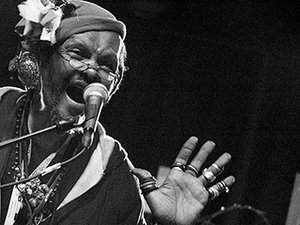
Ло́нни Хо́лли
1950 - , США
Основные сведения
- Artistic Movement Or Style: Фольклорное искусство; Ассамбляж
- Artists Who Influenced This Artist:
- Райнхольд Диал
- Рональд Локетт
- Date Of Birth: 1950-02-10
- Full Name: Lonnie Bradley Holley
- Nationality: Американский
- Notable Artworks:
- Just Before Music
- Mith
- National Freedom
- Place Of Birth: Birmingham, USA