 Поделиться
 Поделиться
 Детали произведения

 Скачать
 Похожие работы
 Слайд-шоу
 Статистика
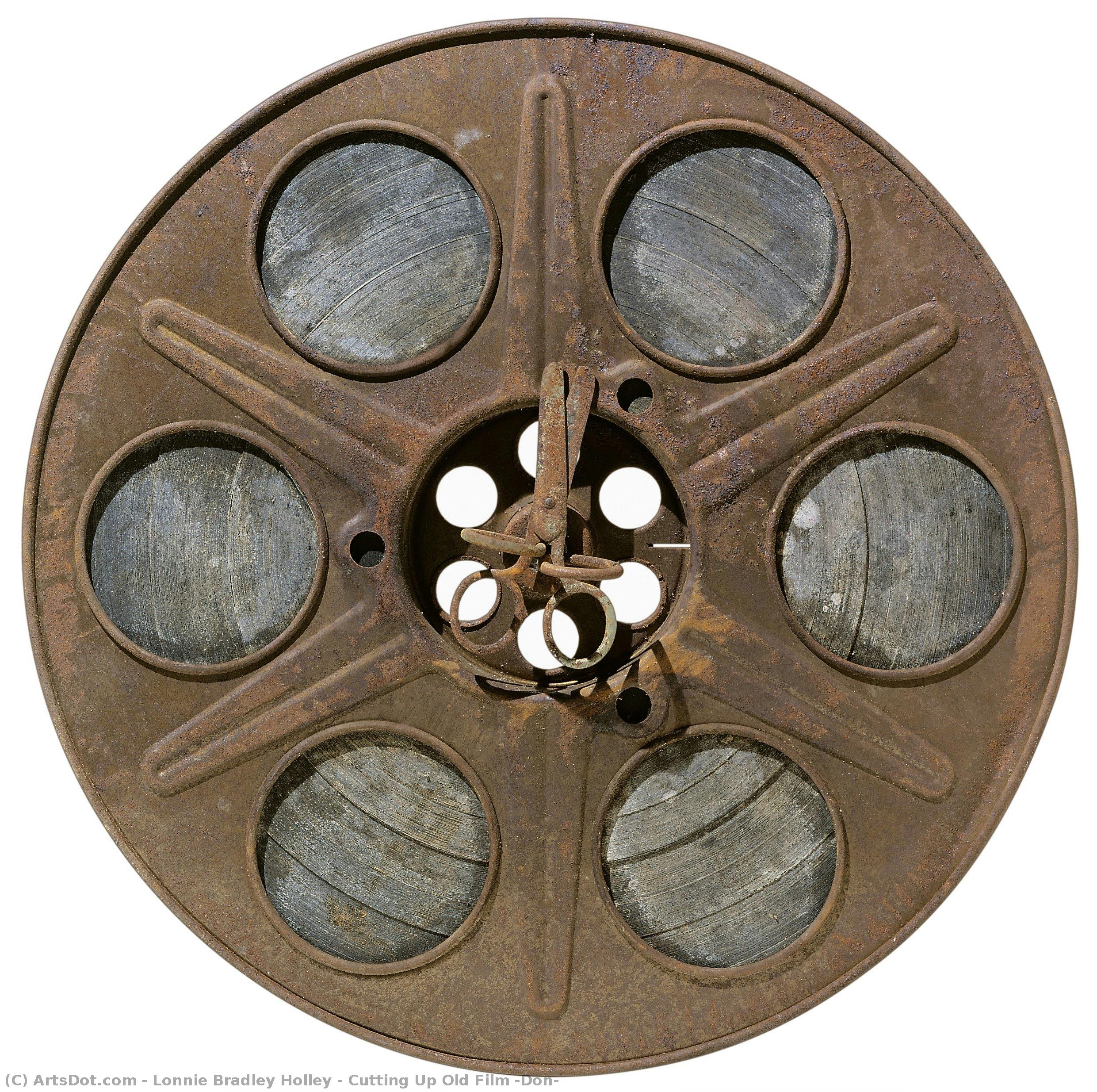
Cutting Up Old Film (Don
 Assemblage
- Assemblage Sculpture
 1984
1984 36.0 x 36.0 cm
 Souls Grown Deep
 Читать далее
Масляная репродукция ручной работы
Картина маслом на холсте в выбранном вами размере и раме, написанная на заказ нашими художниками. ( Перейти к печати Перейти к цифровым изображениям)




































Выберите один из наших стандартных размеров, соответствующих оригинальным пропорциям произведения искусства.

Вы можете указать собственные размеры, чтобы картина идеально вписалась в выбранную раму или пространство. Если выбранный вами размер не соответствует пропорциям оригинала, мы либо обрежем полотно, либо расширим его за счет дополнительных элементов, написанных вручную. Цифровой макет будет отправлен вам на утверждение перед началом производства.
Обратите внимание, что предварительный просмотр на экране не отражает фактическую обрезку или расширение. Только макет точно покажет окончательную композицию.
Хотя доступны индивидуальные размеры, мы рекомендуем выбирать вариант из предопределенного списка, чтобы сохранить исходные пропорции.
После оформления заказа команда ArtsDot.com свяжется с клиентом по электронной почте для уточнения деталей и предоставит предварительный макет
Доставка по всему миру () за 3–4 недели вместо стандартных 5 недель. (12 Сентябрь). Без компромиссов в качестве.

Бесплатная экспресс-доставка по всему миру

Высококачественный льняной холст

Полное страхование доставки

Гарантия возмещения таможенных пошлин

Гарантия точного соответствия цветов

100-дневная политика возврата (только при обнаружении дефектов)

Гарантия возврата 100% средств

Предложение оптовых скидок
 Вариант со стеклом доступен только для размеров менее 110 см

Cutting Up Old Film (Don
Техника репродукции
Размер репродукции
-


Итоговая стоимость
$ 263
Lonnie Holley’s “Cutting Up Old Film”: A Testament to Fragmented Histories
Lonnie Holley's "Cutting Up Old Film (Don’t Edit the Wrong Thing Out)" isn’t merely a sculpture; it’s a visceral excavation of memory, truth, and the deliberate distortion inherent in constructing narratives. Created in 1984, this assemblage—a haunting marriage of rusted film reels, scissors, and other discarded materials—immediately draws the viewer into a world where history is not a linear progression but a collection of fragmented pieces, each demanding careful examination.
The piece’s foundation lies in Holley's deeply personal story. Born in Birmingham, Alabama, during the oppressive era of Jim Crow, he experienced firsthand the systematic erasure of Black voices and experiences. His early life—a patchwork of foster homes, grueling labor, and a profound absence of stability—shaped his artistic vision, fueling a relentless need to reclaim lost narratives and expose uncomfortable truths. The very materials Holley employs – remnants of forgotten films, symbols of communication and documentation – speak directly to this struggle for recognition.
Deconstructing the Image: Technique and Materials
Holley’s technique is deliberately raw and unrefined, mirroring the fragmented nature of his subject matter. He doesn't meticulously craft or smooth; instead, he embraces the inherent imperfections of found objects. The rusted film reels, their once-smooth surfaces now pitted with decay, represent the deterioration of memory over time. The scissors, poised as if mid-action, symbolize the act of editing—the deliberate removal and manipulation of information to shape a particular version of events. The inclusion of other discarded elements – wires, gears, and fragments of metal – further reinforces this sense of deconstruction.
Crucially, Holley doesn’t simply arrange these objects; he integrates them, creating a dynamic composition that invites the viewer to engage in a tactile and intellectual dialogue. The rough texture of the materials contrasts sharply with the sleekness of film, highlighting the tension between the tangible past and the ephemeral nature of recorded history.
Symbolism and Emotional Resonance
“Cutting Up Old Film” operates on multiple symbolic levels. The title itself is a potent statement—a direct challenge to the notion that historical accounts are objective or unblemished. Holley’s use of scissors suggests an active process of dismantling established narratives, while the phrase “Don’t Edit the Wrong Thing Out” serves as a warning against the dangers of selective memory and biased storytelling. The film reels, once used to capture moments in time, now become symbols of those moments lost or obscured.
Beyond its political commentary, the piece evokes a profound sense of melancholy and loss. It’s a reminder that history is rarely simple or straightforward; it's often marked by trauma, injustice, and the silencing of marginalized voices. The sculpture’s raw energy and palpable sadness invite viewers to contemplate their own relationship with memory and the stories they choose to preserve.
A Legacy of Reclamation: Holley’s Artistic Vision
Lonnie Holley's work transcends mere artistic expression; it is a powerful act of reclamation. Through his assemblages, he transforms discarded materials into poignant testaments to human resilience and the enduring need for recognition. “Cutting Up Old Film” stands as a particularly compelling example of this vision—a hauntingly beautiful reminder that history is not something passively received but actively constructed, and that the voices of those who have been silenced deserve to be heard.
Похожие произведения

Биография художника
Lonnie Holley: The Sand Man – A Life Sculpted From Found Materials
Lonnie Holley, born February 10, 1950, in Birmingham, Alabama, is more than just an artist; he’s a testament to the resilience of the human spirit and the transformative power of creativity. His journey, deeply rooted in the complexities of the Jim Crow South, has blossomed into a globally recognized artistic practice encompassing assemblage sculpture, immersive environments, and profoundly moving music—a narrative sculpted by hardship, loss, and an unwavering commitment to self-expression. He’s not one for formal training or privileged access; his story is a chronicle etched by circumstance, fueled by instinct, and illuminated by an incandescent inner voice.Early Life: From Foster Homes to Whiskey Houses
Lonnie Bradley Holley's childhood was marked by instability—a formative experience shaped by the turbulent realities of post-war Alabama. At five years old, he entered the foster care system after his mother placed him in the temporary care of a woman working as a burlesque dancer at a carnival. This initial upheaval continued as Holley moved between several foster homes, encountering diverse caregivers and navigating unfamiliar environments—picking up trash at drive-in theaters, washing dishes, cooking—and finding refuge in unconventional places like a whiskey house on the state fairgrounds and the Alabama Industrial School for Negro Children ("Mt. Meigs"). These experiences weren’t merely biographical details; they became the bedrock of his artistic vision, imbuing his sculptures with an authenticity that resonates deeply with viewers—a visceral understanding born from confronting adversity firsthand. He recounted tales of being struck by a car at 12 years old and subsequently incarcerated for violating curfew, highlighting the formative impact of societal pressures on his young life. These early encounters instilled in him a profound appreciation for resourcefulness and a determination to forge his own path despite obstacles.The Genesis of Creation: Grief and Stone
A pivotal moment arrived in 1979 when Holley began carving tombstones for his sister’s children who tragically perished in a fire—an act of mourning that unexpectedly unlocked his artistic vocation. Driven by grief, he embarked on a quest to honor their memory using readily available materials: sandstone-like remnants from a local foundry—a byproduct of Birmingham's industrial heritage. He described this discovery as “something like divine intervention,” attributing it to a guiding hand leading him toward a new form of expression. This wasn’t simply finding a medium; it was encountering a voice waiting to be unleashed—the intuitive impulse to transform raw material into something beautiful and meaningful. The act of shaping these stones into memorials became a catalyst for broader artistic exploration, transforming discarded objects into powerful expressions of remembrance and loss. He approached the sandstone not with preconceived notions but allowed its texture and form to dictate his creative process—a technique that would become central to his distinctive sculptural style.Assemblage Art: Transforming Waste Into Wonder
Holley’s artistic practice is fundamentally rooted in assemblage – the art of constructing sculptures from disparate found objects. Metal scraps, weathered wood fragments, discarded stones, everyday detritus—these aren't merely materials to Holley; they are vessels carrying stories, memories, and echoes of past lives. His process isn’t about imposing a vision onto these objects but rather allowing them to reveal their potential through intuitive arrangement and connection. He eschews meticulous planning, instead responding directly to the inherent qualities of each material—its color, texture, weight, and history—creating sculptures that are as much about process as they are about outcome. This improvisational approach extends beyond sculpture into his musical endeavors as well—a reflection of his belief in embracing spontaneity and honoring the unpredictable rhythms of life. His music blends spoken word, improvisation, and blues influences, crafting sonic landscapes as evocative and emotionally resonant as his sculptures.Recognition and Legacy: A Voice From The South
Lonnie Holley’s work has garnered significant acclaim within the art world—recognized for its uncompromising honesty and its profound engagement with themes of grief, memory, racial injustice, and spiritual contemplation. His sculptures are held in collections of major museums across the United States, including the Birmingham Museum of Art, The Halsey Institute of Contemporary Art, The Metropolitan Museum of Art, and The National Gallery of Art—a testament to his enduring influence on contemporary art. He is associated with Thornton Dial, Ronald Lockett, and Joe Minter, fellow self-taught artists who share a similar aesthetic sensibility and thematic focus within the American South’s artistic landscape. Holley's story exemplifies the transformative power of creativity—demonstrating how art can emerge from hardship and how authenticity can transcend conventional boundaries. He stands as an inspiring figure for aspiring artists everywhere—a beacon for those who find their voice through unconventional methods and perspectives, reminding us that beauty can be born from unexpected sources.
Ло́нни Хо́лли
1950 - , США
Основные сведения
- Artistic Movement Or Style: Фольклорное искусство; Ассамбляж
- Artists Who Influenced This Artist:
- Райнхольд Диал
- Рональд Локетт
- Date Of Birth: 1950-02-10
- Full Name: Lonnie Bradley Holley
- Nationality: Американский
- Notable Artworks:
- Just Before Music
- Mith
- National Freedom
- Place Of Birth: Birmingham, USA
Похожие статьи

От серебряного экрана к стенам гостиной: Искусство кино в интерьере – создание атмосферы и повествования
Создайте неповторимую атмосферу в доме с помощью кинематографического дизайна! Экспертные советы по выбору стиля, цветовой палитры и артефактов. Вдохновение от классики кино для роскошного интерьера.
Joseph Cornell: Assemblage, Shadow Boxes & the Poetics of Found Objects
Explore the captivating world of Joseph Cornell's assemblage art & shadow boxes. Discover his unique process, Surrealist influences, and lasting legacy with ArtsDot.

25 Шедевров Национальной Галереи Лондона: Искусство для Вашего Дома | ArtsDot
Откройте для себя 25 шедевров Национальной галереи Лондона! Узнайте истории Ван Гога, Моне и Рембрандта. Купите репродукции картин на холсте высокого качества для вашего дома. Вдохновение и искусство – ArtsDot.com
Jim Dine: A Poetic of Everyday Objects – Exploring Autobiographical Narratives & the Evolution of a Pop Art Icon
Explore the captivating world of Jim Dine – Pop Art pioneer & master of autobiographical expression. Discover his iconic tools, robes, and hearts. Expert insights for art collectors.
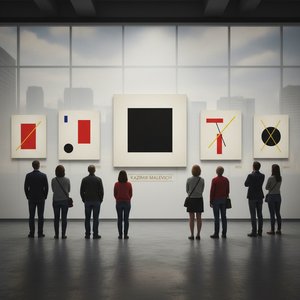
Kazimir Malevich: Pioneering Suprematism & the Quest for Non-Objective Art
Explore the revolutionary art of Kazimir Malevich & his groundbreaking Suprematism movement. Discover the origins, core principles, and lasting impact of this pivotal force in modern abstract painting.