

 Поделиться
 Поделиться
 Детали произведения

 Скачать
 Похожие работы
 Слайд-шоу
 Статистика
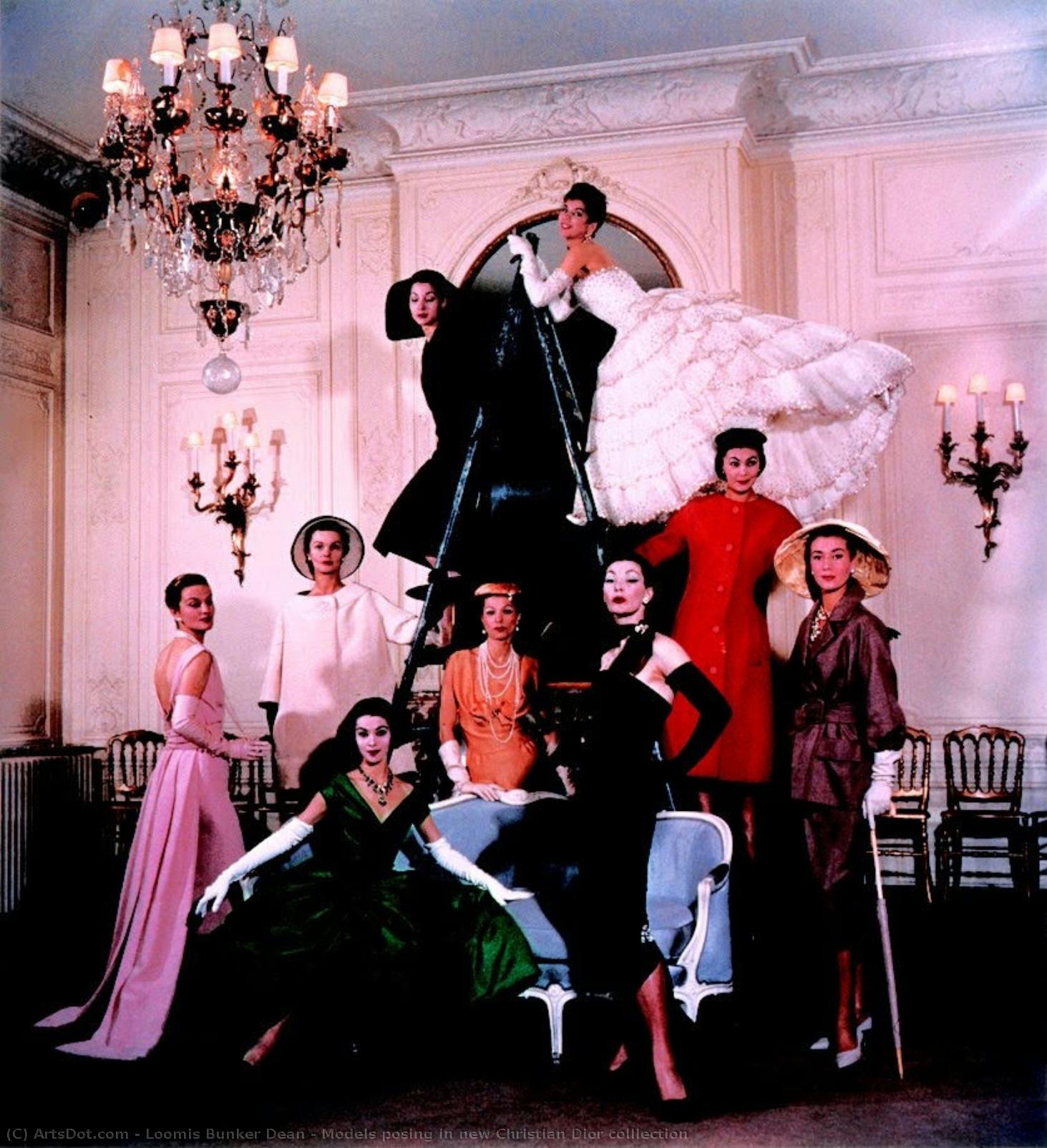
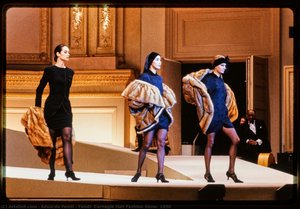
Models posing in new Christian Dior colllection


 Читать далее
Приобретите цифровое изображение высокого разрешения в улучшенном качестве, которое значительно превосходит онлайн-превью.
Каждый файл тщательно подготавливается нашими специалистами с использованием передовых инструментов и экспертной ручной ретуши. Мы гарантируем исключительную четкость, точную цветопередачу и детальную проработку каждого изображения.
Финальный файл доставляется по электронной почте в течение 72 часов и оптимизирован для немедленного использования в профессиональной среде, при верстке и печати. Это тот же уровень качества, которому доверяют ведущие дизайнерские студии, издательства и галереи.
Цифровое изображение
Скачайте файл высокого разрешения для личного использования, печати и творческих проектов. ( Перейти к печати Купить картину ручной работы)
Включено в каждый заказ цифровых изображений
Гарантия экспертной цифровой доставки
Выбирая ArtsDot.com, вы получаете не просто изображение — вы приобретаете профессионально обработанное цифровое произведение искусства, созданное с безупречной точностью и под защитой гарантии качества. Вот всё, что автоматически входит в ваш заказ:

Мгновенная доставка по e-mail
Ваш цифровой файл в высоком разрешении будет отправлен вам по электронной почте в течение 72 часов после оформления заказа — и сразу станет доступен для использования.

Цифровой файл с ИИ-улучшением
Ваше произведение искусства проходит профессиональную оптимизацию с использованием передовых инструментов ИИ и ручной обработки, что гарантирует максимальную детализацию, четкость и точность цветопередачи.

Бессрочная бесплатная повторная доставка
Случайно удалили или потеряли файл? Не беспокойтесь — мы отправим его вам повторно в любое время и совершенно бесплатно.

Без импортных пошлин — навсегда
Наслаждайтесь вашим произведением искусства мгновенно без таможенных пошлин, сборов или затрат на доставку — цифровые загрузки всегда не облагаются налогом.

Гарантия точности цветопередачи
Мы гарантируем, что ваше цифровое изображение максимально точно передает оригинальные цвета благодаря использованию профессиональных инструментов и систем управления цветом.

Гарантия удовлетворенности 100 дней
Если вы не будете удовлетворены своим цифровым изображением, мы внесем правки или вернем 100% стоимости в течение 100 дней — без лишних вопросов.

100% Гарантия возврата средств
Не удовлетворены покупкой? Получите полный возврат средств в течение 100 дней после получения цифрового файла — без лишних вопросов.

Скидки на оптовые заказы
Купите 3 изображения, сэкономьте 10% — Купите 5, сэкономьте 15% — Купите 10+, сэкономьте 20%. Отличное решение для творческих проектов, галерей и агентств.
A Moment Frozen in Couture: The Elegance of Dior
In this breathtaking black and white photograph from 1957, the lens of Loomis Bunker Dean captures more than just a fashion presentation; it preserves an era of unparalleled sophistication. The image depicts a group of models poised with effortless grace, presenting the latest Christian Dior collection against the backdrop of a grand, luminous setting. As they gather beneath the shimmering light of a magnificent chandelier, the composition breathes with the high-society glamour that defined the mid-century fashion landscape. Each figure serves as a living sculpture, draped in the architectural precision and luxurious textures that made the House of Dior a global symbol of prestige. The presence of delicate tiaras and meticulously styled ensembles suggests a world where every detail was an opportunity for artistry, inviting the viewer to step into a scene of timeless luxury.
The technical mastery of Dean’s photography lies in his ability to manipulate light and shadow within a monochromatic palette. By stripping away color, the photograph emphasizes the structural integrity of the garments—the crisp lines of a silhouette, the soft sheen of silk, and the intricate interplay of light on metallic accents. This high-contrast approach creates a dramatic depth that draws the eye through the room, from the elegant models in the foreground to the subtle details of the dining table and fine furniture in the background. The composition is balanced yet dynamic, capturing a sense of movement and social interaction that feels both candid and carefully choreographed, much like a cinematic still from a classic Hollywood production.
Beyond its surface beauty, the photograph serves as a poignant historical document of post-war optimism and the resurgence of haute couture. It captures a specific cultural zenith where fashion was not merely clothing, but a profound expression of identity and social standing. For the discerning collector or interior designer, this piece offers more than just visual appeal; it provides an emotional anchor of nostalgia and refinement. Incorporating a high-quality reproduction of this work into a space introduces a narrative of classicism and prestige, making it an ideal centerpiece for a gallery wall or a sophisticated study. It is a tribute to the enduring power of style, reminding us that true elegance is never truly out of fashion.
Похожие произведения

Биография художника
Andrew Wyeth: A Vision of American Isolation
Andrew Newell Wyeth (1917-2009) remains one of the most distinctive and enduring figures in 20th-century American art. More than simply a painter, he was an observer—a meticulous chronicler of rural life, particularly within his native Pennsylvania, capturing not just appearances but also the profound sense of solitude, memory, and unspoken narratives that permeated his subjects’ worlds. Wyeth's work is characterized by a deeply rooted realism, yet it transcends mere representation to become imbued with a haunting emotional resonance, achieved through subtle shifts in color, texture, and composition. His paintings are not portraits in the conventional sense; they are windows into lives lived quietly, often shadowed by melancholy and a poignant awareness of time’s relentless passage. Wyeth's artistic journey began under the tutelage of his father, N.C. Wyeth, a celebrated illustrator and member of the Brandywine School. This formative influence instilled in him an appreciation for detailed observation and a respect for the traditions of American illustration. However, Andrew quickly distinguished himself from his father’s more overtly narrative style, developing a uniquely introspective approach. His early works, often depicting scenes from his childhood in Cushing, Maine—a small coastal village—established his signature aesthetic: muted palettes dominated by earthy browns, grays, and ochres, combined with an extraordinary sensitivity to light and shadow. These paintings weren’t about grand landscapes or dramatic events; they were about the quiet rhythms of daily life, the weathered faces of local residents, and the evocative power of a place steeped in history.Christina's World: A Masterpiece of Symbolism
Perhaps Wyeth’s most famous work, *Christina’s World* (1948), exemplifies his artistic vision. This tempera painting, now housed at the Museum of Modern Art in New York City, depicts an elderly woman, Christina Olson, a former patient at Cushing Mental Hospital, walking slowly across a barren field towards a small cottage. The scene is imbued with a palpable sense of loneliness and vulnerability, yet there’s also a quiet dignity in Christina's determined stride. The painting has been interpreted on many levels – as a meditation on aging, disability, and the human condition; as an exploration of memory and loss; and as a poignant representation of the isolation experienced by those living on the margins of society. Wyeth deliberately avoided providing any explicit narrative context, allowing viewers to project their own interpretations onto the scene. The use of limited color, the stark contrast between Christina’s figure and the desolate landscape, and the subtle shifts in light all contribute to the painting's haunting atmosphere.Regionalism and Influences
Wyeth’s work is often categorized as “regionalist,” a movement that sought to depict American life with an emphasis on local character and traditions. However, Wyeth’s regionalism transcends mere topographical representation; it’s deeply rooted in his personal connection to the land of Pennsylvania and Maine. He was profoundly influenced by Winslow Homer, whose masterful depictions of rural life served as a model for Wyeth's own approach. Furthermore, he drew inspiration from Henry David Thoreau’s writings on nature and self-reliance, as well as from the films of King Vidor, particularly his use of light and shadow to create mood and atmosphere. The meticulous detail in Wyeth’s paintings—the texture of weathered wood, the wrinkles on a farmer's face, the way sunlight filters through leaves—reflects this diverse range of influences.Windows and Portraits of the Soul
Beyond his iconic landscapes, Wyeth is particularly renowned for his series of paintings depicting windows. These works—often featuring reflections of people or objects within the glass—offer a unique perspective on human experience. Through the lens of the window, Wyeth explores themes of isolation, memory, and the passage of time. He wasn’t simply painting reflections; he was capturing glimpses into the inner lives of his subjects, suggesting hidden stories and unspoken emotions. These paintings are characterized by their intimate scale, their subtle gradations of color, and their remarkable ability to evoke a sense of melancholy and longing. His portraits, too, were not straightforward likenesses but explorations of character—revealing the quiet dignity and inherent sadness of those he depicted.Legacy and Recognition
Andrew Wyeth’s work received widespread critical acclaim throughout his career, culminating in the Presidential Medal of Freedom in 1988 and the Congressional Gold Medal in 1988. He was also the first American artist since John Singer Sargent to be elected to the French Académie des Beaux-Arts in 1965. His paintings continue to resonate with audiences today, not only for their technical mastery but also for their profound emotional depth and their ability to capture the essence of American life—its beauty, its solitude, and its enduring mysteries. Wyeth’s legacy lies not just in his individual works of art, but in his unwavering commitment to observing and interpreting the world around him with honesty, sensitivity, and a deep appreciation for the quiet dignity of human experience.
loomis bunker dean
1917 - 2005 , United States of America
Основные сведения
- Artistic Movement Or Style: Regionalist, Realism
- Artists Who Influenced This Artist: ['Winslow Homer, Henry David Thoreau, King Vidor],\n "Artists or movements influenced by this artist": ["N.C. Wyeth", "Brandywine School"]\n}']
- Date Of Birth: July 12, 1917
- Date Of Death: January 16, 2009
- Full Name: Andrew Newell Wyeth
- Nationality: American
- Notable Artworks:
- Christina's World
- Windows Series
- Place Of Birth: Chadds Ford, PA, USA