

 Поделиться
 Поделиться
 Детали произведения

 Скачать
 Похожие работы
 Слайд-шоу
 Статистика
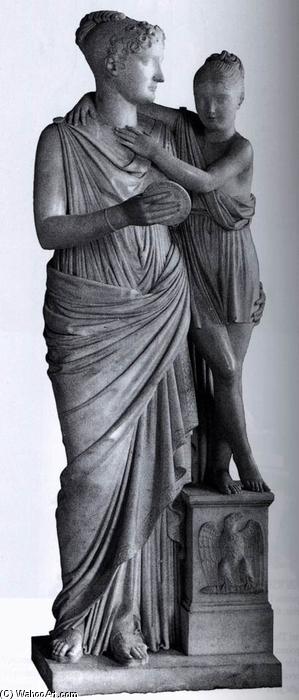
Elisa and her Daughter Napoléonne


 Читать далее
Жикле / Арт-принт
Печать (жикле) или холст музейного качества с быстрыми сроками изготовления и широким выбором вариантов отделки. ( Купить картину ручной работы Перейти к цифровым изображениям)




































Выберите один из наших стандартных размеров, соответствующих оригинальным пропорциям произведения искусства.

Вы можете указать свои собственные размеры, чтобы репродукция идеально подошла под конкретную раму или пространство. Если выбранный вами размер не будет соответствовать пропорциям оригинала, мы либо обрежем произведение, либо дополним изображение зеркальным отражением краев или однотонной заливкой. Перед началом производства вам будет отправлен цифровой макет для утверждения.
Пожалуйста, обратите внимание, что предварительный просмотр на экране не отображает фактическую обрезку или расширение изображения. Только макет точно покажет финальную композицию.
Несмотря на возможность заказа индивидуальных размеров, мы рекомендуем выбирать размер из предопределенного списка, чтобы сохранить оригинальные пропорции.
Доставка по всему миру () за 2 недели вместо стандартных 4/5 недель. (11 Сентябрь)

Бесплатная экспресс-доставка по всему миру

Высококачественный льняной холст

Полное страхование доставки

Гарантия возмещения таможенных пошлин

Гарантия точного соответствия цветов

100-дневная политика возврата (только при обнаружении дефектов)

Гарантия возврата 100% средств

Предложение оптовых скидок
 Вариант со стеклом доступен только для размеров менее 110 см

Elisa and her Daughter Napoléonne
Жикле / Арт-принт
Размер репродукции
-


Итоговая стоимость
$ 62
Lorenzo Bartolini’s “Elisa and her Daughter Napoléonne”: A Monument to Maternal Grace
Lorenzo Bartolini's "Elisa and her Daughter Napoléonne," completed in 1813, is more than just a marble sculpture; it’s a profound meditation on motherhood, protection, and the enduring power of familial bonds. This monumental work, housed within the Galleria dell’Accademia di Firenze, immediately commands attention with its sheer scale – standing nearly two meters tall – yet it's the intimate portrayal of Elisa Baciocchi, Napoleon’s sister, and her young daughter that truly captivates the viewer. Bartolini masterfully captures a moment of serene tenderness, a quiet intimacy rarely depicted in sculpture of this era.
The sculpture’s genesis is deeply intertwined with the political landscape of early 19th-century Italy. Elisa Baciocchi, a formidable figure in her own right and a key player in Napoleon's European strategy through her marriage to the Grand Duke of Tuscany, commissioned Bartolini to create this enduring image of maternal love. The work was initially intended for a public piazza in Carrara, but ultimately transformed into a funerary monument following Elisa’s death in 1820, reflecting the evolving circumstances and honoring her legacy. This shift from celebratory portraiture to solemn remembrance adds another layer of poignant significance to the piece.
Neoclassical Idealism: Form and Technique
Bartolini's approach firmly anchors "Elisa and her Daughter Napoléonne" within the Neoclassical tradition, a style characterized by its reverence for classical antiquity. The sculpture embodies this aesthetic through idealized forms – both figures are rendered with a harmonious balance of beauty and grace, reflecting the principles of Greek and Roman art. Bartolini’s technical skill is evident in his meticulous attention to detail; the folds of the drapery flow with remarkable realism, suggesting movement and texture while simultaneously adhering to the strict geometric rules of Neoclassical composition.
The sculpture is executed entirely in white marble, a material that Bartolini expertly manipulated. He employed subtractive sculpting – carefully removing excess stone to reveal the desired form – a technique demanding immense precision and control. The subtle variations in tone within the marble itself contribute to the work’s depth and luminosity, highlighting the contours of the figures and creating an illusion of three-dimensionality. Note particularly the delicate rendering of the children's hands, conveying both vulnerability and trust.
Symbolism and Emotional Resonance
Beyond its formal beauty, “Elisa and her Daughter Napoléonne” is rich in symbolic meaning. The mother’s protective embrace speaks volumes about the enduring role of motherhood – a theme that resonated deeply with audiences during the era. The positioning of Elisa, seated and holding her child close, suggests a sense of guardianship and nurturing. The eagle motif adorning the pedestal further reinforces this symbolism, connecting the figures to Roman ideals of strength and vigilance.
Furthermore, the sculpture’s quiet intimacy offers a powerful counterpoint to the grand narratives often associated with Napoleon's reign. It is a moment of domestic tranquility amidst political upheaval, a testament to the enduring values of family and love. The overall effect is profoundly moving, evoking feelings of warmth, tenderness, and a deep appreciation for the simple beauty of maternal connection.
A Timeless Masterpiece: Reproduction and Beyond
Lorenzo Bartolini’s “Elisa and her Daughter Napoléonne” remains a captivating work of art, offering a glimpse into the social and political currents of its time. ArtsDot is proud to offer high-quality reproductions that faithfully capture the sculpture's beauty and emotional depth. Whether displayed in a private residence or a public space, this artwork will undoubtedly serve as a source of inspiration and contemplation for years to come.
Consider how this piece would complement your interior design – its classical elegance lending itself beautifully to traditional spaces, while its powerful message of family resonates universally. Explore our collection today and bring the timeless grace of “Elisa and her Daughter Napoléonne” into your world.
Похожие произведения
Биография художника
Early Life and Artistic Formation
Lorenzo Bartolini emerged onto the Italian art scene at a pivotal moment, born in 1777 in the Tuscan town of Vernio, near Prato. His initial artistic training took place within the esteemed Florentine Academy of Fine Arts, where he quickly distinguished himself through an exceptional aptitude for modeling, particularly with alabaster—a material that would become intimately linked to his early style. This foundational period instilled in him a reverence for classical forms and techniques, yet even then, hints of a unique sensibility began to surface. A dramatic turn arrived in 1797 when Bartolini found himself amidst the tumultuous landscape of Napoleonic France, serving as a drummer within Bonaparte’s army. This experience, far removed from the serene studios of Florence, broadened his horizons and ultimately led him to Paris—a burgeoning center for artistic innovation. In Paris, he pursued formal studies in painting under Frédéric Desmarais and sculpture under François-Frédéric Lemot, absorbing diverse influences that would shape his evolving aesthetic vision. It was here, in 1803, with the creation of the bas-relief Cleobis and Biton, that Bartolini truly established his reputation as a sculptor of considerable talent, attracting the attention of influential patrons who recognized the promise within his work.A Career Under Napoleonic Patronage and Beyond
Bartolini’s career flourished under the patronage of Napoleon Bonaparte, an era marked by grand artistic commissions designed to celebrate imperial power and glory. He contributed significantly to monumental projects such as the bas-relief depicting the Battle of Austerlitz for the iconic Vendôme Column—a testament to his technical skill and ability to translate historical narratives into compelling sculptural form. Beyond these large-scale endeavors, Bartolini also excelled in portraiture, crafting busts of prominent figures like composers Méhul and Cherubini, solidifying his position within Parisian artistic circles. A significant turning point arrived in 1807 when, through the recommendation of Napoleon’s sister Elisa Baciocchi, he was appointed Director of the School of Sculpture at the Accademia Carrara in Bergamo. This appointment, despite initial resistance from local factions, underscored Bartolini's rising stature and allowed him to exert a considerable influence on the next generation of Italian sculptors. He remained in this role until after Napoleon’s fall, continuing to serve as a favored portraitist for the Bonaparte family during a period of immense political upheaval. This close association with the Bonapartes would later shape his artistic trajectory and reception within Italy.Blending Neoclassicism with Naturalism: A Distinctive Style
Bartolini’s artistic style occupies a fascinating space within the broader context of 19th-century sculpture. While firmly rooted in the principles of Neoclassicism, his work transcends strict adherence to Canovan ideals—the dominant force in Italian sculpture at the time. He infused his creations with a sentimental piety and a remarkable degree of naturalistic detail, distinguishing him from contemporaries who prioritized cold perfection and idealized forms. Instead of solely looking to classical antiquity, Bartolini drew inspiration from the Florentine Renaissance sculptors like Verrocchio, embracing a more dynamic and emotionally resonant approach. This unique blend is particularly evident in his monumental works, such as the Monument to Princess Sophia Zamoyska in Santa Croce, Florence (1837). The sculpture exemplifies his naturalistic tendencies, departing from rigid classical conventions while retaining a sense of grace and dignity. Another significant achievement, the Demidoff Table (1845), showcases his mastery of marble carving and complex composition—a project that occupied him for many years and stands as a testament to his dedication and skill. His portrait busts, numerous throughout his career, are characterized by their sensitivity and ability to capture the individual essence of each sitter. Elisa and her Daughter Napoléonne, a monumental Neoclassical marble sculpture, further demonstrates Bartolini’s dynamic form and classical themes.Legacy and Historical Significance
In 1833, Bartolini was honored with an election as an honorary member of the National Academy of Design—a recognition of his growing international reputation. He eventually settled in Florence, but faced challenges due to his Bonapartist associations and artistic divergence from the prevailing Canovan style favored by the academy. Despite these obstacles, he continued to receive commissions, particularly from foreign patrons who appreciated his unique vision. Bartolini’s work represents a crucial transition within Neoclassical sculpture, foreshadowing later artistic movements through its incorporation of naturalism and sentimentality. He bridged the gap between the idealized forms of the past and the more emotionally expressive styles that would emerge in the latter half of the 19th century. His death in Florence in 1850 marked the end of a remarkable career, leaving behind a legacy of significant sculptures and a distinctive artistic voice within the Italian art world. Today, Bartolini is remembered not only for his technical brilliance but also for his ability to infuse classical ideals with individual expression—a quality that continues to resonate with scholars and art enthusiasts alike. His works stand as compelling examples of an artist who dared to forge his own path, blending tradition with innovation and leaving an indelible mark on the landscape of Italian sculpture.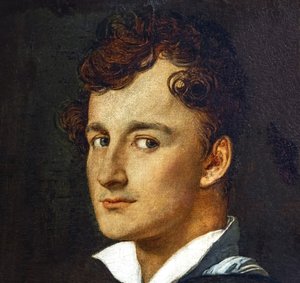
Lorenzo Bartolini
1777 - 1850 , Italy
Основные сведения
- Artistic Movement Or Style: Neoclassical sculpture
- Artists Or Movements Influenced By This Artist: ['Later artistic movements']
- Artists Who Influenced This Artist: ['Verrocchio']
- Date Of Birth: January 7, 1777
- Date Of Death: 1850
- Full Name: Lorenzo Bartolini
- Nationality: Italian
- Notable Artworks:
- Cleobis and Biton
- Tomb of Sophia Zamoyska
- Demidoff Table
- Elisa & Daughter
- L'ammostatore
- Place Of Birth: Vernio, Italy
Похожие статьи

10 легендарных бронзовых скульптур, изменивших искусство навсегда | ArtsDot
Погрузитесь в мир великих бронзовых скульптур! От Давида Микеланджело до работ Родена – история искусства, техники и вдохновения. Купите репродукции шедевров для вашего интерьера на ArtsDot.com

10 легендарных бронзовых шедевров, изменивших искусство | ArtsDot
Погрузитесь в мир великих бронзовых шедевров! От Давида Донателло до Мыслителя Родена – узнайте историю создания, технику и значение легендарных скульптур. Вдохновение для интерьера и музейное качество репродукций на ArtsDot.com.

The Enduring Form: Exploring Themes & Techniques in Sculpture Across Historical Periods
Explore the rich history of sculpture from ancient masterpieces to contemporary innovations. Discover key techniques, influential artists & investment potential for discerning art collectors.

The Enduring Allure of Marble in Art History: From Classical Sculpture to Modern Abstraction
Explore the captivating history of marble sculpture from ancient Greece to modern art. Discover renowned artists like Canova & Michelangelo, carving techniques, and investment insights at ArtsDot.

The Enduring Form: Sculpture Across History, Technique & Emotional Resonance
Explore the rich history of sculpture with ArtsDot. Discover key techniques, influential artists & investment potential for discerning collectors. Expert insights into valuing and collecting timeless masterpieces.