

 Поделиться
 Поделиться
 Детали произведения

 Скачать
 Похожие работы
 Слайд-шоу
 Статистика
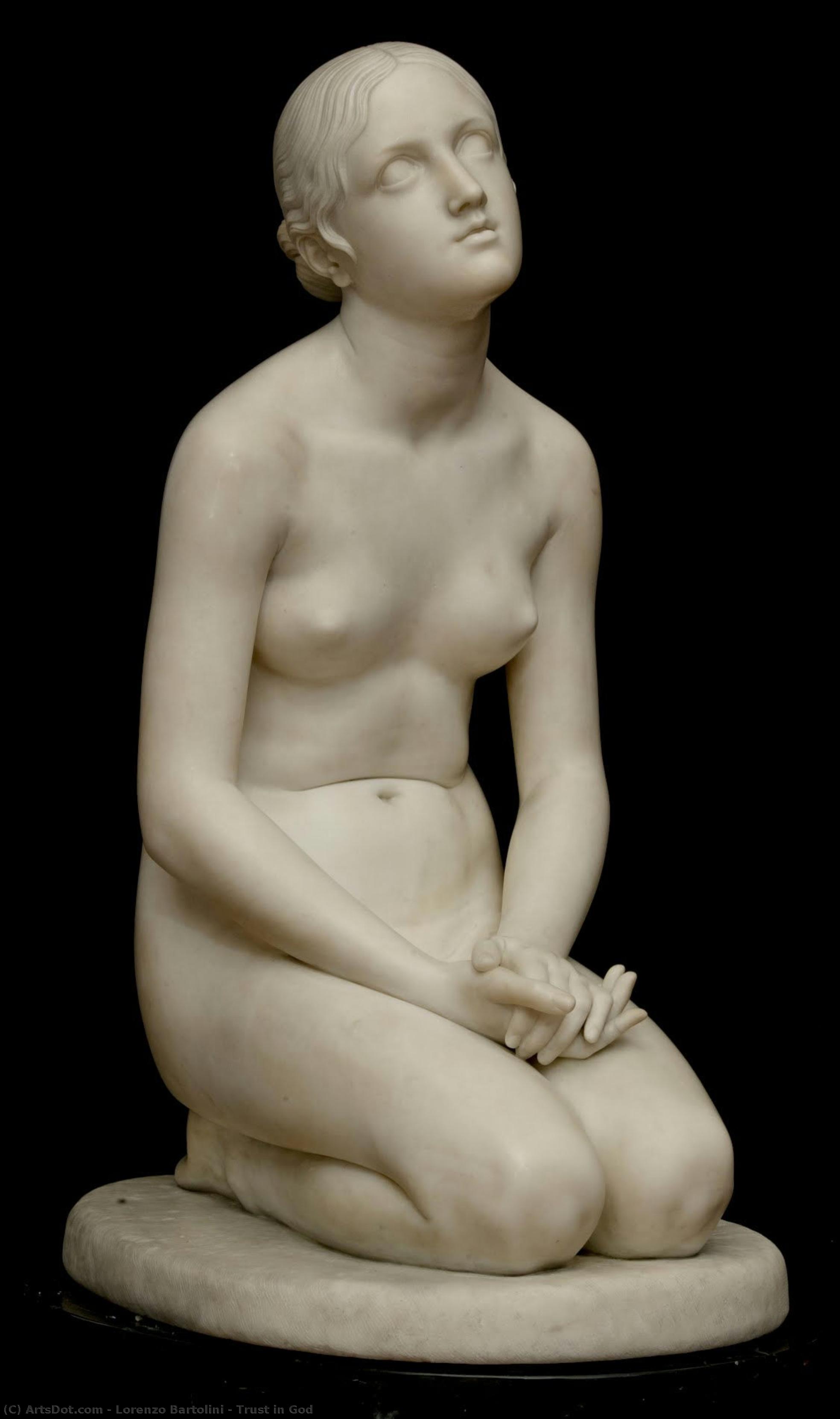
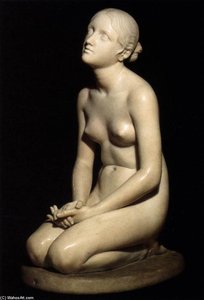
Trust in God
 Marble
- Sculpture
- Romanticism
 1836
1836- 19th Century
 43.0 x 93.0 cm
 Museo Poldi Pezzoli
 Читать далее
Приобретите цифровое изображение высокого разрешения в улучшенном качестве, которое значительно превосходит онлайн-превью.
Каждый файл тщательно подготавливается нашими специалистами с использованием передовых инструментов и экспертной ручной ретуши. Мы гарантируем исключительную четкость, точную цветопередачу и детальную проработку каждого изображения.
Финальный файл доставляется по электронной почте в течение 72 часов и оптимизирован для немедленного использования в профессиональной среде, при верстке и печати. Это тот же уровень качества, которому доверяют ведущие дизайнерские студии, издательства и галереи.
Цифровое изображение
Скачайте файл высокого разрешения для личного использования, печати и творческих проектов. ( Перейти к печати Купить картину ручной работы)
Включено в каждый заказ цифровых изображений
Гарантия экспертной цифровой доставки
Выбирая ArtsDot.com, вы получаете не просто изображение — вы приобретаете профессионально обработанное цифровое произведение искусства, созданное с безупречной точностью и под защитой гарантии качества. Вот всё, что автоматически входит в ваш заказ:

Мгновенная доставка по e-mail
Ваш цифровой файл в высоком разрешении будет отправлен вам по электронной почте в течение 72 часов после оформления заказа — и сразу станет доступен для использования.

Цифровой файл с ИИ-улучшением
Ваше произведение искусства проходит профессиональную оптимизацию с использованием передовых инструментов ИИ и ручной обработки, что гарантирует максимальную детализацию, четкость и точность цветопередачи.

Бессрочная бесплатная повторная доставка
Случайно удалили или потеряли файл? Не беспокойтесь — мы отправим его вам повторно в любое время и совершенно бесплатно.

Без импортных пошлин — навсегда
Наслаждайтесь вашим произведением искусства мгновенно без таможенных пошлин, сборов или затрат на доставку — цифровые загрузки всегда не облагаются налогом.

Гарантия точности цветопередачи
Мы гарантируем, что ваше цифровое изображение максимально точно передает оригинальные цвета благодаря использованию профессиональных инструментов и систем управления цветом.

Гарантия удовлетворенности 100 дней
Если вы не будете удовлетворены своим цифровым изображением, мы внесем правки или вернем 100% стоимости в течение 100 дней — без лишних вопросов.

100% Гарантия возврата средств
Не удовлетворены покупкой? Получите полный возврат средств в течение 100 дней после получения цифрового файла — без лишних вопросов.

Скидки на оптовые заказы
Купите 3 изображения, сэкономьте 10% — Купите 5, сэкономьте 15% — Купите 10+, сэкономьте 20%. Отличное решение для творческих проектов, галерей и агентств.
A Marble Testament to Grief and Faith
In the quietude of a contemplative gaze, Lorenzo Bartolini’s "Trust in God" emerges as more than a mere sculpture; it is a profound dialogue between human suffering and spiritual resilience. Created in 1836, this masterpiece of Carrara marble serves as a poignant emblem of Victorian piety, capturing a moment of eternal devotion. The work was born from a deeply personal commission by Rosa Trivulzio Poldi Pezzoli, a woman navigating the desolate landscape of grief following the loss of her son. Through Bartolini’s hands, the heavy weight of mourning is transformed into a luminous expression of hope, making the piece an essential touchstone for anyone moved by the intersection of classical beauty and raw human emotion.
The composition centers on a nude female figure, seated with a grace that suggests both vulnerability and an unshakeable inner strength. Her hands are clasped tightly against her chest in a gesture of prayerful introspection, drawing the viewer into her silent communion with the divine. While the figure’s nudity evokes the idealized purity of ancient Greek prototypes, the subtle drapery cascading over her lap adds a layer of tactile realism. This deliberate positioning creates a visual metaphor for the acceptance of life's tribulations as a necessary pathway toward spiritual enlightenment, offering a sense of peace that resonates deeply within the soul.
The Mastery of Neoclassical Precision
Bartolini’s technical execution is a triumph of the Florentine sculptural tradition. Adhering to the principles of Neoclassicism, he drew immense inspiration from the idealized forms of antiquity, yet he infused them with a unique, sentimental naturalism that set him apart from his contemporaries. The artist utilized meticulous carving techniques, employing chisels and rasps to coax life from the cold stone. The resulting surface possesses a remarkable smoothness and a soft, ethereal luminosity, achieved through painstaking polishing that allows light to dance across the anatomical contours of the figure.
For collectors and interior designers, the allure of this piece lies in its ability to command presence through subtlety rather than spectacle. The precision of the marble work—from the delicate rendering of the skin to the intricate folds of the cloth—demonstrates a level of craftsmanship that elevates any space. It is a work that invites close inspection, rewarding the observer with a sense of discovery in every curve and shadow. As a high-quality reproduction, this sculpture brings the sophisticated elegance of 19th-century Italian artistry into the modern home, serving as a focal point of refined taste and historical depth.
A Timeless Symbol for the Modern Interior
Beyond its technical brilliance, "Trust in God" carries a symbolic resonance that transcends its historical era. It embodies the universal human desire for solace amidst the unpredictable tides of fate. In an age often characterized by noise and distraction, the sculpture offers a sanctuary of stillness. Its presence in a curated collection or a thoughtfully designed room provides a meditative anchor, evoking themes of dignity, endurance, and the enduring power of belief.
Whether placed in a sunlit library, a serene study, or an avant-garde gallery setting, this artwork serves as a bridge between the classical past and the contemporary aesthetic. It is an investment in emotion and history, offering a piece of the Florentine Renaissance spirit that continues to inspire awe and reflection in all who encounter it.
Похожие произведения
Биография художника
Early Life and Artistic Formation
Lorenzo Bartolini emerged onto the Italian art scene at a pivotal moment, born in 1777 in the Tuscan town of Vernio, near Prato. His initial artistic training took place within the esteemed Florentine Academy of Fine Arts, where he quickly distinguished himself through an exceptional aptitude for modeling, particularly with alabaster—a material that would become intimately linked to his early style. This foundational period instilled in him a reverence for classical forms and techniques, yet even then, hints of a unique sensibility began to surface. A dramatic turn arrived in 1797 when Bartolini found himself amidst the tumultuous landscape of Napoleonic France, serving as a drummer within Bonaparte’s army. This experience, far removed from the serene studios of Florence, broadened his horizons and ultimately led him to Paris—a burgeoning center for artistic innovation. In Paris, he pursued formal studies in painting under Frédéric Desmarais and sculpture under François-Frédéric Lemot, absorbing diverse influences that would shape his evolving aesthetic vision. It was here, in 1803, with the creation of the bas-relief Cleobis and Biton, that Bartolini truly established his reputation as a sculptor of considerable talent, attracting the attention of influential patrons who recognized the promise within his work.A Career Under Napoleonic Patronage and Beyond
Bartolini’s career flourished under the patronage of Napoleon Bonaparte, an era marked by grand artistic commissions designed to celebrate imperial power and glory. He contributed significantly to monumental projects such as the bas-relief depicting the Battle of Austerlitz for the iconic Vendôme Column—a testament to his technical skill and ability to translate historical narratives into compelling sculptural form. Beyond these large-scale endeavors, Bartolini also excelled in portraiture, crafting busts of prominent figures like composers Méhul and Cherubini, solidifying his position within Parisian artistic circles. A significant turning point arrived in 1807 when, through the recommendation of Napoleon’s sister Elisa Baciocchi, he was appointed Director of the School of Sculpture at the Accademia Carrara in Bergamo. This appointment, despite initial resistance from local factions, underscored Bartolini's rising stature and allowed him to exert a considerable influence on the next generation of Italian sculptors. He remained in this role until after Napoleon’s fall, continuing to serve as a favored portraitist for the Bonaparte family during a period of immense political upheaval. This close association with the Bonapartes would later shape his artistic trajectory and reception within Italy.Blending Neoclassicism with Naturalism: A Distinctive Style
Bartolini’s artistic style occupies a fascinating space within the broader context of 19th-century sculpture. While firmly rooted in the principles of Neoclassicism, his work transcends strict adherence to Canovan ideals—the dominant force in Italian sculpture at the time. He infused his creations with a sentimental piety and a remarkable degree of naturalistic detail, distinguishing him from contemporaries who prioritized cold perfection and idealized forms. Instead of solely looking to classical antiquity, Bartolini drew inspiration from the Florentine Renaissance sculptors like Verrocchio, embracing a more dynamic and emotionally resonant approach. This unique blend is particularly evident in his monumental works, such as the Monument to Princess Sophia Zamoyska in Santa Croce, Florence (1837). The sculpture exemplifies his naturalistic tendencies, departing from rigid classical conventions while retaining a sense of grace and dignity. Another significant achievement, the Demidoff Table (1845), showcases his mastery of marble carving and complex composition—a project that occupied him for many years and stands as a testament to his dedication and skill. His portrait busts, numerous throughout his career, are characterized by their sensitivity and ability to capture the individual essence of each sitter. Elisa and her Daughter Napoléonne, a monumental Neoclassical marble sculpture, further demonstrates Bartolini’s dynamic form and classical themes.Legacy and Historical Significance
In 1833, Bartolini was honored with an election as an honorary member of the National Academy of Design—a recognition of his growing international reputation. He eventually settled in Florence, but faced challenges due to his Bonapartist associations and artistic divergence from the prevailing Canovan style favored by the academy. Despite these obstacles, he continued to receive commissions, particularly from foreign patrons who appreciated his unique vision. Bartolini’s work represents a crucial transition within Neoclassical sculpture, foreshadowing later artistic movements through its incorporation of naturalism and sentimentality. He bridged the gap between the idealized forms of the past and the more emotionally expressive styles that would emerge in the latter half of the 19th century. His death in Florence in 1850 marked the end of a remarkable career, leaving behind a legacy of significant sculptures and a distinctive artistic voice within the Italian art world. Today, Bartolini is remembered not only for his technical brilliance but also for his ability to infuse classical ideals with individual expression—a quality that continues to resonate with scholars and art enthusiasts alike. His works stand as compelling examples of an artist who dared to forge his own path, blending tradition with innovation and leaving an indelible mark on the landscape of Italian sculpture.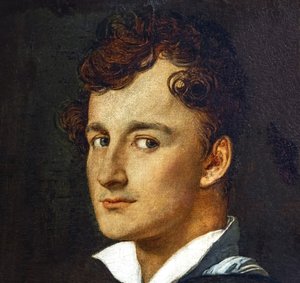
Lorenzo Bartolini
1777 - 1850 , Italy
Основные сведения
- Artistic Movement Or Style: Neoclassical sculpture
- Artists Or Movements Influenced By This Artist: ['Later artistic movements']
- Artists Who Influenced This Artist: ['Verrocchio']
- Date Of Birth: January 7, 1777
- Date Of Death: 1850
- Full Name: Lorenzo Bartolini
- Nationality: Italian
- Notable Artworks:
- Cleobis and Biton
- Tomb of Sophia Zamoyska
- Demidoff Table
- Elisa & Daughter
- L'ammostatore
- Place Of Birth: Vernio, Italy