

 Предпросмотр
 Поделиться
 Поделиться
 Детали произведения

 Скачать
 Похожие работы
 Рентгенография
 Слайд-шоу
 Статистика
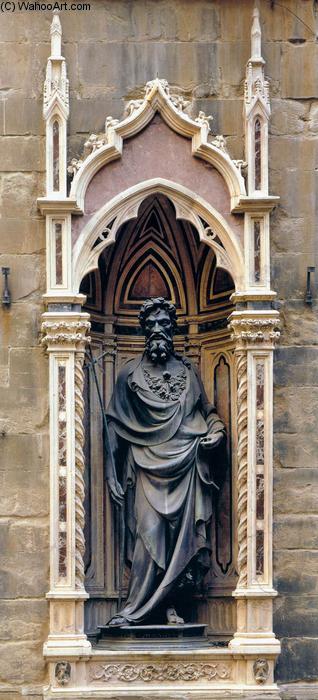
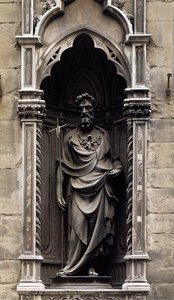
St John the Baptist


 Читать далее
Приобретите цифровое изображение высокого разрешения в улучшенном качестве, которое значительно превосходит онлайн-превью.
Каждый файл тщательно подготавливается нашими специалистами с использованием передовых инструментов и экспертной ручной ретуши. Мы гарантируем исключительную четкость, точную цветопередачу и детальную проработку каждого изображения.
Финальный файл доставляется по электронной почте в течение 72 часов и оптимизирован для немедленного использования в профессиональной среде, при верстке и печати. Это тот же уровень качества, которому доверяют ведущие дизайнерские студии, издательства и галереи.
Цифровое изображение
Скачайте файл высокого разрешения для личного использования, печати и творческих проектов. ( Перейти к печати Купить картину ручной работы)
Включено в каждый заказ цифровых изображений
Гарантия экспертной цифровой доставки
Выбирая ArtsDot.com, вы получаете не просто изображение — вы приобретаете профессионально обработанное цифровое произведение искусства, созданное с безупречной точностью и под защитой гарантии качества. Вот всё, что автоматически входит в ваш заказ:

Мгновенная доставка по e-mail
Ваш цифровой файл в высоком разрешении будет отправлен вам по электронной почте в течение 72 часов после оформления заказа — и сразу станет доступен для использования.

Цифровой файл с ИИ-улучшением
Ваше произведение искусства проходит профессиональную оптимизацию с использованием передовых инструментов ИИ и ручной обработки, что гарантирует максимальную детализацию, четкость и точность цветопередачи.

Бессрочная бесплатная повторная доставка
Случайно удалили или потеряли файл? Не беспокойтесь — мы отправим его вам повторно в любое время и совершенно бесплатно.

Без импортных пошлин — навсегда
Наслаждайтесь вашим произведением искусства мгновенно без таможенных пошлин, сборов или затрат на доставку — цифровые загрузки всегда не облагаются налогом.

Гарантия точности цветопередачи
Мы гарантируем, что ваше цифровое изображение максимально точно передает оригинальные цвета благодаря использованию профессиональных инструментов и систем управления цветом.

Гарантия удовлетворенности 100 дней
Если вы не будете удовлетворены своим цифровым изображением, мы внесем правки или вернем 100% стоимости в течение 100 дней — без лишних вопросов.

100% Гарантия возврата средств
Не удовлетворены покупкой? Получите полный возврат средств в течение 100 дней после получения цифрового файла — без лишних вопросов.

Скидки на оптовые заказы
Купите 3 изображения, сэкономьте 10% — Купите 5, сэкономьте 15% — Купите 10+, сэкономьте 20%. Отличное решение для творческих проектов, галерей и агентств.
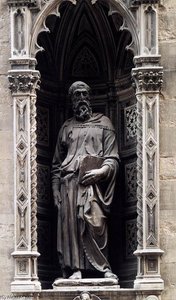
St John the Baptist: A Renaissance Vision in Bronze
Lorenzo Ghiberti’s “St John the Baptist,” completed in 1412 during Florence's golden age, stands as an unparalleled testament to Renaissance artistic innovation and a masterful embodiment of Gothic grandeur. More than just a sculpture; it is a carefully crafted narrative frozen in bronze, reflecting humanist ideals and spiritual contemplation—a piece that continues to resonate with viewers centuries later.The Sculpture’s Form and Composition
The statue depicts Saint John the Baptist in a pose characteristic of Renaissance artistic conventions – contemplative, serene, yet imbued with palpable emotion. Ghiberti skillfully captures the figure's vulnerability as he leans against a pillar, gazing upwards towards heaven with an expression of profound introspection. The sculpture’s drapery flows gracefully around him, creating dynamic movement that contrasts beautifully with the stillness of his gaze. Its placement within a monumental Gothic archway—a symbol of faith and divine majesty—amplifies its impact, establishing it as a focal point within the architectural space. The towering arches flanking the statue contribute to an overwhelming sense of scale and grandeur, emphasizing the artist’s ambition to convey both spiritual depth and visual splendor.Technique and Material Mastery
Ghiberti's unparalleled skill in bronze casting is evident throughout “St John the Baptist.” He employed a technique known as lost wax casting—a painstaking process involving creating a wax model, encasing it in clay, melting away the wax to leave behind a mold, pouring molten bronze into the mold, and finally removing the hardened metal sculpture. This method allowed for exceptional detail and precision, resulting in a surface finish that is remarkably smooth and luminous – a hallmark of Renaissance craftsmanship. The choice of bronze itself was deliberate; it symbolized purity and resilience—qualities deemed essential to representing Saint John’s spiritual stature. Furthermore, Ghiberti skillfully utilized subtle shading techniques to sculpt the statue's flesh tones, creating an illusion of realism that captivated audiences during its time.Historical Context and Symbolism
“St John the Baptist” emerged from Florence during a period marked by fervent artistic patronage and intellectual ferment—the High Renaissance. The sculpture reflects humanist ideals championed by thinkers like Pico della Mirandola, who emphasized human dignity and potential for spiritual enlightenment. Saint John’s iconography – his baptism of Jesus Christ – embodies Christian symbolism relating to purification and redemption. The statue's upward gaze symbolizes aspiration towards divine grace, while the pillar represents steadfast faith and endurance. Moreover, Ghiberti’s incorporation of Gothic architectural elements—the archway and flanking towers—underscores the sculpture’s connection to medieval religious traditions, demonstrating a harmonious blend of stylistic influences.Emotional Resonance and Artistic Legacy
“St John the Baptist” transcends mere visual representation; it evokes profound emotional responses in viewers. The statue's serene countenance conveys tranquility and contemplation, inviting reflection on themes of faith, humility, and spiritual yearning. Its luminous bronze surface captures light beautifully, creating an ethereal glow that enhances its symbolic significance. Ghiberti’s masterpiece continues to inspire artists and collectors alike—a timeless embodiment of Renaissance artistry and a poignant reminder of humanity's quest for beauty and transcendence. It remains one of the most celebrated sculptures of the period, securing Ghiberti's place as a cornerstone of Florentine artistic heritage.Похожие произведения
Биография художника
A Florentine Renaissance Forged in Bronze: The Life and Legacy of Lorenzo Ghiberti
Lorenzo di Bartolo – a name destined to become synonymous with artistic innovation as Lorenzo Ghiberti – was born near Florence in 1378, into a world poised on the cusp of a transformative era. His early life, steeped in the practical artistry of goldsmithing under his stepfather, Bartolo di Michele, instilled within him an unparalleled mastery of metalwork, a foundation that would ultimately shape his extraordinary career. This apprenticeship wasn’t merely about crafting decorative objects; it was a rigorous training in observation, technique, and the fundamental principles of design – skills he would later elevate to breathtaking heights. Yet, Ghiberti's ambitions extended far beyond the confines of the workshop; formal painting lessons from Gherardo Starnina broadened his artistic horizons, laying the groundwork for a multifaceted talent that would soon captivate Florence and reshape the very definition of sculpture. A period spent assisting Carlo I Malatesta with frescoes during the devastating plague outbreak in Rimini in 1400 provided invaluable experience, exposing him to diverse artistic currents and honing his observational skills amidst a backdrop of profound human suffering. Little did he realize that these formative experiences were meticulously preparing him for a competition – a contest that would not only launch his career but also etch his name into the annals of art history.The Baptistery Doors: A Triumph of Skill and Vision
In 1401, Florence held a momentous competition: to select an artist to create new bronze doors for the city’s magnificent Baptistery – a commission considered the most prestigious in the entire region. Lorenzo Ghiberti, a young artisan barely past his twenties, entered this arena alongside some of the era's most formidable minds, including the renowned Filippo Brunelleschi. The challenge was audacious: to depict the *Sacrifice of Isaac* in relief, a biblical narrative brimming with symbolism and theological significance. Ghiberti’s panel wasn’t simply a demonstration of technical prowess; it was a revelation – a bold assertion of a new artistic sensibility. His innovative approach, characterized by graceful figures imbued with an almost ethereal quality, coupled with a sophisticated understanding of perspective and spatial relationships, secured his victory against seasoned masters. This triumph wasn't merely about winning a commission; it was a declaration of intent, a signal that Florence was on the verge of a new artistic dawn. He immediately began work on the North Doors, a project that would consume over two decades and fundamentally transform the Baptistery into a breathtaking showcase of Renaissance artistry. The scale of the undertaking demanded meticulous planning, unwavering dedication, and an extraordinary workshop – one that Ghiberti meticulously built, attracting talented apprentices from across Tuscany and beyond.The “Gates of Paradise”: A Masterpiece Unveiled
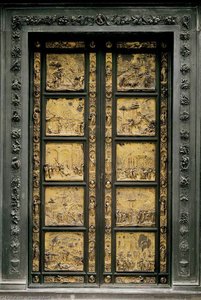
Following the resounding success of the North Doors, a commission he had initially considered merely a stepping stone, Ghiberti was entrusted with an even more ambitious undertaking: the creation of a second set of bronze doors for the Baptistery’s east entrance – doors that would ultimately become his magnum opus and earn him the enduring nickname “Gates of Paradise.” Completed in 1452, these panels represent the pinnacle of Ghiberti's artistic achievement. Each panel depicts scenes from the Old Testament with an unprecedented level of realism, detail, and emotional depth. The figures are not merely representations; they are imbued with a palpable sense of life – their gestures, expressions, and drapery rendered with breathtaking accuracy and sensitivity. Ghiberti’s mastery of bronze casting reached its zenith in these works, demonstrating an almost impossible command over the material. He pioneered the use of perspective to create a profound sense of depth and realism that was revolutionary for his time, drawing inspiration from classical antiquity while simultaneously forging a distinctly Renaissance style. The sheer scale and complexity of the “Gates of Paradise” demanded not only technical brilliance but also exceptional organizational skills – Ghiberti’s workshop became a bustling hub of activity, employing dozens of artisans who contributed to every aspect of the project.Style, Influences, and Lasting Impact
Ghiberti's artistic style represents a beautiful synthesis of Gothic elegance and the burgeoning principles of Renaissance humanism. While rooted in the traditions of medieval craftsmanship – particularly the intricate detailing and rich colors characteristic of Gothic sculpture – he embraced classical antiquity, incorporating elements of Roman art and sculpture into his work. This fusion created a unique aesthetic that was both refined and emotionally resonant. He wasn’t simply imitating the past; he was reinterpreting it through a distinctly Renaissance lens, seeking to capture not just the outward appearance but also the inner essence of human experience. Beyond his technical brilliance, Ghiberti possessed a keen intellectual curiosity, evident in *Commentarii*, an autobiographical treatise on art history, theory, and technique – one of the earliest examples of its kind by an artist. This meticulously documented work offers invaluable insights into the artistic practices of the time, revealing Ghiberti’s deep understanding of classical principles and his innovative approach to composition and perspective. His legacy extends far beyond his artistic achievements; he embodied the spirit of the Early Renaissance – a period marked by intellectual exploration, artistic innovation, and a renewed appreciation for human potential.A Legacy Cast in Bronze
Lorenzo Ghiberti’s contributions were instrumental in establishing Florence as a leading artistic center during the Renaissance, and the “Gates of Paradise” remain an enduring symbol of Florentine civic pride and artistic achievement. His innovations paved the way for masters like Leonardo da Vinci and Michelangelo, solidifying his place as a pivotal figure in Western art history. Ghiberti’s meticulous attention to detail, his mastery of perspective, and his ability to imbue his sculptures with emotional depth set a new standard for artistic excellence. *His legacy continues to inspire artists and art lovers alike,* reminding us of the power of human creativity and the enduring beauty of Renaissance artistry.- Major Works: North Doors & East Doors (Gates of Paradise) – Florence Baptistery, Bronze Statues for Orsanmichele.
- Key Influences: Gothic Art, Classical Antiquity, Renaissance Humanism.
- Artistic Style: Blending Gothic elegance with emerging Renaissance principles; naturalistic depictions, innovative use of perspective.
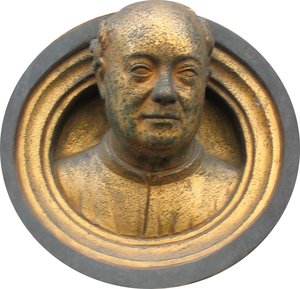
Лорэнцо Гиберти
1378 - 1455 , Италия
Основные сведения
- Artistic Movement Or Style: Ренессанс
- Artists Or Movements Influenced By This Artist: ['Эразм Роттердамский']
- Artists Who Influenced This Artist:
- Геррардо Старнина
- Бартоло ди Микеле
- Date Of Birth: 1378
- Date Of Death: 1455
- Full Name: Lorenzo di Bartolo Ghiberti
- Nationality: Итальянский
- Notable Artworks:
- Врата Рая
- Святое Семейство
- Place Of Birth: Флоренция, Италия