

 Предпросмотр
 Поделиться
 Поделиться
 Детали произведения

 Скачать
 Похожие работы
 Рентгенография
 Слайд-шоу
 Статистика
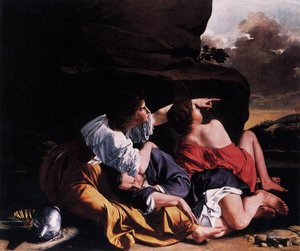
Lot and his Daughters


 Читать далее
Масляная репродукция ручной работы
Картина маслом на холсте в выбранном вами размере и раме, написанная на заказ нашими художниками. ( Перейти к печати Перейти к цифровым изображениям)




P118B $10

P118H $10

P118W $10

P438Z $10

P508JH $12

P508YH $12

P805H $10

P805Z $10

P919BZ $10

P919G $10

P919XJ $10

P959ZH $10

P968JZ $12

W106C $8

W218G $10

W218JH $8

W218Y $10

W307PJ $10

W316G $10

W316PJ $8

W316Y $10

W398PJ $8

W4111J $10

W500HY $15

W500JH $15

W692G $12

W849H $8

W940BG $15

W953PJ $8




Выберите один из наших стандартных размеров, соответствующих оригинальным пропорциям произведения искусства.

Вы можете указать собственные размеры, чтобы картина идеально вписалась в выбранную раму или пространство. Если выбранный вами размер не соответствует пропорциям оригинала, мы либо обрежем полотно, либо расширим его за счет дополнительных элементов, написанных вручную. Цифровой макет будет отправлен вам на утверждение перед началом производства.
Обратите внимание, что предварительный просмотр на экране не отражает фактическую обрезку или расширение. Только макет точно покажет окончательную композицию.
Хотя доступны индивидуальные размеры, мы рекомендуем выбирать вариант из предопределенного списка, чтобы сохранить исходные пропорции.
После оформления заказа команда ArtsDot.com свяжется с клиентом по электронной почте для уточнения деталей и предоставит предварительный макет
Доставка по всему миру () за 3–4 недели вместо стандартных 5 недель. (12 Сентябрь). Без компромиссов в качестве.

Бесплатная экспресс-доставка по всему миру

Высококачественный льняной холст

Полное страхование доставки

Гарантия возмещения таможенных пошлин

Гарантия точного соответствия цветов

100-дневная политика возврата (только при обнаружении дефектов)

Гарантия возврата 100% средств

Предложение оптовых скидок
 Вариант со стеклом доступен только для размеров менее 110 см

Lot and his Daughters
Техника репродукции
Размер репродукции
-


Итоговая стоимость
$ 263
The Shadowed Embrace: Lorenzo Lippi’s “Lot and His Daughters”
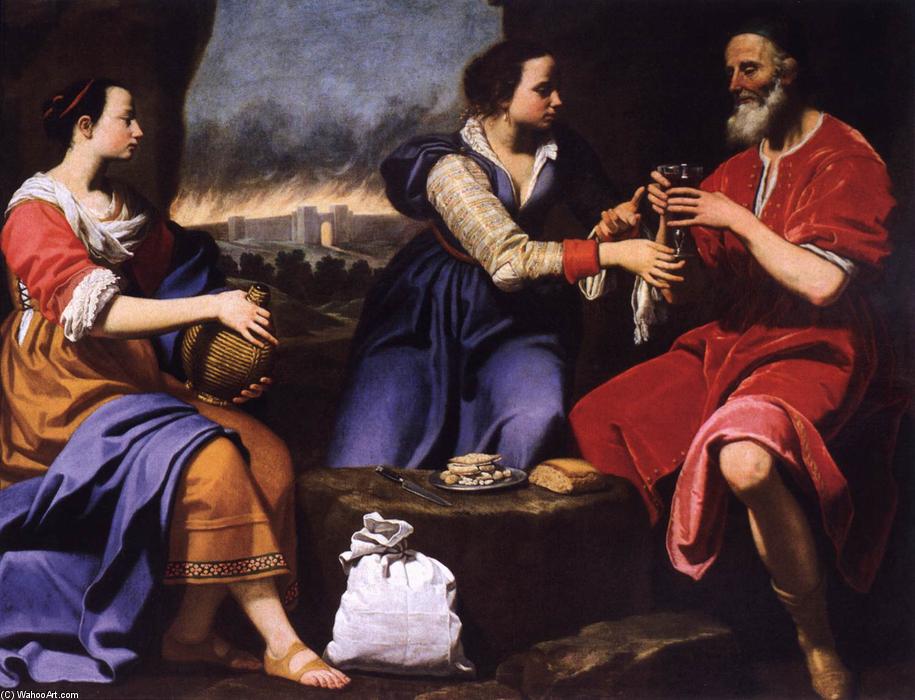
Lorenzo Lippi's "Lot and his Daughters," housed within the hallowed halls of the Galleria degli Uffizi in Florence, isn’t merely a depiction of a biblical narrative; it’s a profound meditation on survival, lineage, and the unsettling beauty born from tragedy. Painted around 1650-55, during the twilight years of the Italian Baroque, this work transcends its religious subject matter to become a hauntingly intimate portrait of human resilience—and the unexpected consequences that follow. The painting captures a pivotal moment: Lot, fleeing the destruction of Sodom and Gomorrah, is accompanied not by his wife and sons as tradition dictates, but by his two daughters, Zillah and Naamah, who have conceived in isolation and are now offering him wine, a desperate gesture of sustenance and perhaps, a fragile hope for the future.
Lippi’s masterful command of light and shadow—a hallmark of the Baroque style—immediately draws the viewer into the scene. The composition is dominated by a muted palette of browns, ochres, and deep reds, creating an atmosphere of somber intensity. The figures are bathed in a diffused glow emanating from the left side of the canvas, casting long, dramatic shadows that emphasize their vulnerability and isolation. This chiaroscuro technique isn’t simply decorative; it serves to heighten the emotional impact, mirroring the psychological turmoil experienced by Lot and his daughters.
A Study in Human Form: Technique and Detail
Lippi's skill as a painter is evident in every meticulously rendered detail. The figures are sculpted with an almost photographic realism, yet imbued with a palpable sense of humanity. Note the subtle variations in skin tone, the delicate folds of their clothing—a blend of classical drapery and contemporary Florentine fashion—and the expressive gestures that convey both exhaustion and determination. The artist’s attention to texture is particularly striking; you can almost feel the rough fabric of the robes and the smooth coolness of the wine cup.
He employs a technique reminiscent of his early training under Matteo Rosselli, inheriting the meticulous observation championed by Santi di Tito. However, Lippi departs from mere imitation, injecting his own distinctive style—a blend of classical grace and Baroque drama—into every brushstroke. The figures are not idealized; they possess a certain ruggedness, reflecting their recent ordeal. The landscape behind them is rendered with atmospheric perspective, suggesting the desolate wasteland that has become their new reality.
Symbolism and Interpretation
Beyond its immediate narrative, “Lot and His Daughters” is rich in symbolic meaning. The two daughters represent a radical departure from traditional biblical accounts. Their existence—a consequence of incestuous union born out of desperation—challenges conventional notions of family and lineage. They are not merely companions; they are the potential progenitors of a new tribe, a testament to humanity’s capacity for survival even in the face of unimaginable devastation.
The offering of wine is another significant symbol. It represents both sustenance and a desperate attempt to establish connection—a fragile bridge across the chasm of loss and isolation. The act itself is intimate and fraught with unspoken tension, hinting at the complex dynamics between Lot and his daughters. The burning city in the background serves as a constant reminder of the catastrophe that has shattered their world, yet it also underscores the enduring spirit of humanity.
A Legacy of Emotion: Impact and Resonance
"Lot and His Daughters" is more than just a historical painting; it’s an emotionally resonant work that continues to captivate viewers centuries after its creation. Lippi's ability to capture the raw vulnerability and unexpected beauty of human experience has ensured its place as a cornerstone of Florentine Baroque art. The painting invites us to contemplate themes of survival, family, and the enduring power of hope—even in the darkest of times. Reproductions of this powerful image offer a glimpse into a world both ancient and profoundly relevant to our own.
Похожие произведения
Биография художника
The Dual Legacy of Lorenzo Lippi: A Symphony of Brush and Pen
In the vibrant, intellectual landscape of seventeenth-century Florence, few figures embodied the spirit of the humanist tradition as gracefully as Lorenzo Lippi. Born in 1606, Lippi was a man of dual mastery, navigating the worlds of visual art and literature with equal dexterity. While history often remembers him through the delicate strokes of his oil paintings, his soul was equally tethered to the rhythmic beauty of verse. He lived during a transformative era where the refined elegance of the Renaissance began to merge with the theatrical intensity of the Baroque, and Lippi stood at the very heart of this stylistic evolution.
Lippi’s artistic journey began under the tutelage of Matteo Rosselli, a master whose influence anchored Lippi in the prestigious Florentine tradition. Through Rosselli, Lippi inherited the meticulousness of Santi di Tito, a style characterized by precise observation and a profound respect for naturalism. However, Lippi was never content to merely replicate the past. He possessed an innate desire to infuse his work with a new, expressive dynamism. His personal philosophy—to "poetize as he spoke, and to paint as he saw"—served as the guiding light for his entire oeuvre, ensuring that every portrait and religious scene possessed a narrative depth that transcended mere representation.
Mastery of Light and the Baroque Spirit
The works of Lorenzo Lippi are celebrated for their remarkable ability to capture the psychological nuances of their subjects. Whether he was rendering the regal presence of nobility or the ethereal grace of celestial beings, his technique remained rooted in a sophisticated use of light and color. In masterpieces such as "Tobias and Archangel Raphael," one can witness the dramatic application of chiaroscuro, where deep shadows and brilliant highlights create a sense of movement and divine intervention. This tension between shadow and light is a hallmark of the Baroque period, yet Lippi maintained a certain Florentine clarity that prevented his compositions from becoming lost in excessive darkness.
His portraiture further demonstrates his versatility and skill. In works like "Portrait of Claudia de' Medici," Lippi showcases an opulent attention to detail, using texture and symbolic elements to convey the status and character of the sitter. Similarly, his "Woman With A Mask"* invites the viewer into a more introspective, mysterious realm, utilizing an enigmatic mood to engage the observer’s imagination. His ability to balance the grandiosity required by high-ranking patrons with an intimate, naturalistic touch allowed him to move seamlessly between different artistic demands.
A Literary Journey and International Influence
Beyond the confines of his studio, Lippi’s intellectual pursuits led him far beyond the borders of Italy. His marriage to Giovanna Susini and his subsequent appointment as a court painter for Archduke Ferdinand II Habsburg in Innsbruck marked a significant chapter in his life. This period of international service not only expanded his exposure to diverse European influences but also provided the backdrop for his most famous literary achievement. It was during his time in the Habsburg court that he penned "Il Malmantile Racquistato," a sprawling, mock-heroic romance that blended elements of popular folklore with sophisticated literary allusions.
This literary endeavor, published under the pseudonym Perlone, solidified his reputation as a significant voice in Florentine literature. The intersection of his poetic wit and his painterly eye created a unique artistic identity—one where the boundaries between word and image were perpetually blurred. As we reflect on the life of Lorenzo Lippi, we see more than just a painter or a poet; we see a true Renaissance man of the Baroque age, whose legacy continues to resonate through the enduring beauty of his canvases and the enduring charm of his verses.
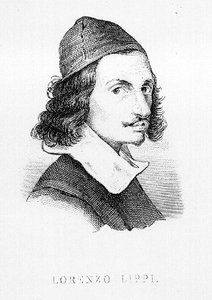
Lorenzo Lippi
1606 - 1664 , Italy
Основные сведения
- Artistic Movement Or Style: Baroque
- Artists Or Movements Influenced By This Artist: ['Santa Caterina di Prato']
- Artists Who Influenced This Artist: ['Matteo Rosselli']
- Date Of Birth: Florence, Italy (1606)
- Date Of Death: 1664
- Full Name: Lorenzo Lippi
- Nationality: Italian
- Notable Artworks:
- Crucifixion
- Triumph of David
- Portrait of Claudia de’ Medici
- Woman With A Mask
- Place Of Birth: Florence
Похожие статьи
Filippo Lippi: Bridging Renaissance Devotion & Artistic Innovation
Explore the life & revolutionary art of Filippo Lippi, a pivotal Renaissance painter. Discover his masterpieces, influence on Botticelli, and investment potential. Expert analysis at ArtsDot.
Illuminating Faith: Biblical Scenes & Their Enduring Legacy in Art History
Explore the profound history of biblical art! Discover Renaissance masterpieces by Giotto & more. Uncover symbolism, artistic techniques, and lasting influence. Expert insights at ArtsDot.
Sacred Narratives on Canvas: Exploring Biblical Art Across Centuries
Explore the rich history of biblical art from Giotto to the Renaissance masters. Discover symbolism, techniques & enduring legacies with ArtsDot – your source for museum-quality reproductions and expert art insights.

Illuminating Faith: Biblical Narrative & Artistic Expression Through the Ages
Explore the rich history of biblical art from Giotto to the Renaissance masters with ArtsDot. Discover symbolism, techniques & enduring legacies. Museum-quality reproductions & expert insights.
Filippino Lippi: Renaissance Innovation Bridging Faith & Humanism
Explore the captivating world of Filippino Lippi, a Renaissance master bridging faith & humanism through innovative art. Discover his key works, influences, and lasting legacy with ArtsDot.