

 Предпросмотр
 Поделиться
 Поделиться
 Детали произведения

 Скачать
 Похожие работы
 Рентгенография
 Слайд-шоу
 Статистика
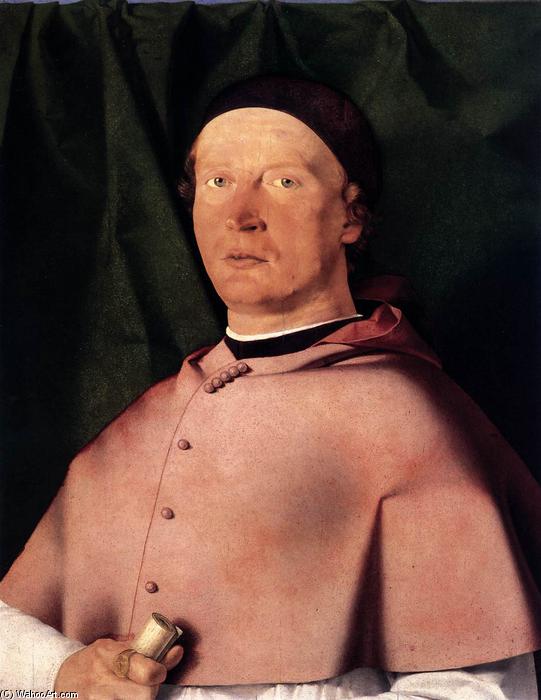
Bishop Bernardo de' Rossi
 Acrylic
- WallArt
- High Renaissance Mannerism
 1505
1505 54.0 x 41.0 cm
 Музео Нац. Каподимонте
 Читать далее
Приобретите цифровое изображение высокого разрешения в улучшенном качестве, которое значительно превосходит онлайн-превью.
Каждый файл тщательно подготавливается нашими специалистами с использованием передовых инструментов и экспертной ручной ретуши. Мы гарантируем исключительную четкость, точную цветопередачу и детальную проработку каждого изображения.
Финальный файл доставляется по электронной почте в течение 72 часов и оптимизирован для немедленного использования в профессиональной среде, при верстке и печати. Это тот же уровень качества, которому доверяют ведущие дизайнерские студии, издательства и галереи.
Цифровое изображение
Скачайте файл высокого разрешения для личного использования, печати и творческих проектов. ( Перейти к печати Купить картину ручной работы)
Включено в каждый заказ цифровых изображений
Гарантия экспертной цифровой доставки
Выбирая ArtsDot.com, вы получаете не просто изображение — вы приобретаете профессионально обработанное цифровое произведение искусства, созданное с безупречной точностью и под защитой гарантии качества. Вот всё, что автоматически входит в ваш заказ:

Мгновенная доставка по e-mail
Ваш цифровой файл в высоком разрешении будет отправлен вам по электронной почте в течение 72 часов после оформления заказа — и сразу станет доступен для использования.

Цифровой файл с ИИ-улучшением
Ваше произведение искусства проходит профессиональную оптимизацию с использованием передовых инструментов ИИ и ручной обработки, что гарантирует максимальную детализацию, четкость и точность цветопередачи.

Бессрочная бесплатная повторная доставка
Случайно удалили или потеряли файл? Не беспокойтесь — мы отправим его вам повторно в любое время и совершенно бесплатно.

Без импортных пошлин — навсегда
Наслаждайтесь вашим произведением искусства мгновенно без таможенных пошлин, сборов или затрат на доставку — цифровые загрузки всегда не облагаются налогом.

Гарантия точности цветопередачи
Мы гарантируем, что ваше цифровое изображение максимально точно передает оригинальные цвета благодаря использованию профессиональных инструментов и систем управления цветом.

Гарантия удовлетворенности 100 дней
Если вы не будете удовлетворены своим цифровым изображением, мы внесем правки или вернем 100% стоимости в течение 100 дней — без лишних вопросов.

100% Гарантия возврата средств
Не удовлетворены покупкой? Получите полный возврат средств в течение 100 дней после получения цифрового файла — без лишних вопросов.

Скидки на оптовые заказы
Купите 3 изображения, сэкономьте 10% — Купите 5, сэкономьте 15% — Купите 10+, сэкономьте 20%. Отличное решение для творческих проектов, галерей и агентств.
Lorenzo Lotto’s Bishop Bernardo de' Rossi: A Portrait Steeped in Venetian Tradition
- Subject Matter: Lorenzo Lotto’s “Bishop Bernardo de’ Rossi” depicts a solemn figure—Bernardo de’ Rossi himself, Archbishop of Ferrara and Modena—seated in contemplative repose. The portrait captures him at a moment of quiet dignity, conveying an aura of piety and spiritual authority.
- Style & Technique: Lotto's distinctive style exemplifies the Venetian Renaissance tradition yet anticipates the stylistic shifts toward Mannerism. Characterized by subtle modeling and nuanced coloration, the painting utilizes oil paint on canvas—a technique favored during his time—to achieve remarkable realism despite its stylized qualities. Lotto’s meticulous attention to detail is evident in the rendering of fabrics, particularly the bishop's robe, which demonstrates masterful brushwork.
- Historical Context: Painted circa 1505, “Bishop Bernardo de’ Rossi” reflects the artistic fervor of Venice during the High Renaissance. Lorenzo Lotto was active within a milieu dominated by Bellini and Giorgione, artists who championed humanist ideals and explored innovative approaches to portraying human emotion. The commission itself underscores the importance of religious patronage—a cornerstone of Venetian society—and speaks to the desire for portraits that conveyed moral virtue.
- Symbolism: Beyond its depiction of a prominent ecclesiastical leader, the painting carries symbolic weight. The bishop’s gaze directly confronts the viewer, establishing an intimate connection between subject and observer—a convention common in Renaissance portraiture intended to convey respect and solemn contemplation. Furthermore, the inclusion of a book symbolizes erudition and faith, reinforcing the bishop's role as guardian of spiritual knowledge.
- Emotional Impact: Lotto’s masterful execution evokes a profound sense of serenity and introspection. The subdued palette—dominated by earthy tones—contributes to the painting’s contemplative mood, inviting viewers to contemplate themes of piety, wisdom, and divine grace. “Bishop Bernardo de Rossi” remains an enduring testament to Lotto's artistic prowess and his ability to capture the essence of human dignity within a framework of Venetian cultural heritage.
Похожие произведения




Биография художника
A Venetian Wanderer: The Life and Art of Lorenzo Lotto
Lorenzo Lotto, born around 1480 in the vibrant heart of Venice, was a truly singular figure within the Italian Renaissance. Unlike many of his contemporaries who meticulously established themselves within specific artistic schools or courtly circles, Lotto embarked on an extraordinary peripatetic journey – a life spent traversing cities like Treviso, Rome, Bergamo, and Ancona – before ultimately finding a quiet haven as a lay brother in the small town of Loreto. This itinerant existence wasn’t merely a matter of travel; it profoundly shaped his artistic vision, exposing him to a kaleidoscope of influences while simultaneously fostering an independent spirit that set him apart from the more rigidly defined artists of his time. While the precise details of his early training remain somewhat shrouded in mystery, it is believed he absorbed the foundational lessons imparted by Giovanni Bellini, a leading figure of the Venetian school – a master known for his atmospheric perspective and lyrical compositions. However, Lotto quickly transcended simple imitation, developing a style that was uniquely his own: a masterful synthesis of High Renaissance grace with nascent elements of Mannerism.Blending Traditions: Style and Influences
Lotto’s artistic signature lies in his remarkable ability to seamlessly integrate diverse influences into a cohesive and deeply personal aesthetic. His early works are undeniably influenced by Giorgione, particularly evident in the subtle atmospheric effects and lyrical compositions that characterize paintings like *The Tempest* (c. 1506-1508). The hazy landscapes, the evocative use of light, and the sense of poetic mood all bear witness to Giorgione’s profound impact. Yet, a pivotal period spent in Rome brought Lotto into direct contact with the art of Raphael – a master known for his clarity of form, balanced compositions, and meticulous attention to detail. This encounter profoundly shaped Lotto's approach to painting, imbuing his work with a newfound sense of order and precision. Later, during his extended sojourn in Bergamo, he absorbed elements of Lombard realism, adding a grounded physicality and a remarkable sensitivity to the textures of fabrics and surfaces to his figures. The result is not merely an additive combination of influences; rather, Lotto masterfully integrated these diverse strands into a unified artistic vision, creating paintings that are both technically refined and emotionally resonant. His willingness to experiment with perspective – often employing unusual vantage points – heightened the sense of drama and intimacy within his compositions. His palette, rooted in Venetian colorism, evolved over time, becoming increasingly vibrant and expressive, reflecting his growing confidence and stylistic maturity.Portraits of the Soul: Lotto’s Masterpieces
While Lorenzo Lotto excelled in religious painting, it is perhaps through his portraits that he truly distinguished himself as an artist. He possessed an extraordinary gift for capturing not just the physical likeness but also the inner life, the personality, and even the mood of his sitters. His portraits are rarely idealized; instead, they present individuals with all their complexities, vulnerabilities, and quiet dignity. Consider *Portrait of a 37-year-old Man* (c. 1527), a captivating study in psychological observation. The sitter’s gaze is direct and engaging, conveying a sense of intelligence, thoughtfulness, and perhaps even a hint of melancholy. His clothing – simple yet elegant – speaks volumes about his status and character. Similarly, *Man with a Golden Paw* (c. 1527), a painting now housed in the Pinacoteca di Brera in Milan, is a masterpiece of enigmatic symbolism. The subject holds a small golden statuette—its meaning open to interpretation, inviting viewers to contemplate the complexities of human desire and ambition. These are not merely representations of individuals; they are windows into their souls – intimate portraits that reveal something profound about the human condition.The Lay Brother’s Legacy: Religious Paintings and Spiritual Depth
Despite achieving considerable recognition during his lifetime, Lorenzo Lotto's artistic reputation waned somewhat after his death in 1556 or 1557. His works, often dispersed throughout provincial churches and private collections, were largely overlooked for centuries. It wasn’t until the late 19th century, thanks to the pioneering scholarship of Bernard Berenson, that Lotto experienced a significant revival of interest. Berenson's insightful analysis highlighted the originality and complexity of Lotto’s style, challenging established notions about Venetian painting. Today, Lorenzo Lotto is recognized as one of the most original and compelling artists of the Italian Renaissance – a master whose unique blend of stylistic influences, psychological depth, and technical mastery continues to captivate audiences and inspire art historians. His paintings are not simply beautiful objects; they are profound meditations on faith, humanity, and the mysteries of life.Historical Significance: A Rediscovered Master
Lotto’s artistic journey is inextricably linked to his personal circumstances. His itinerant lifestyle – a constant movement from city to city – undoubtedly influenced his perspective and shaped his artistic vision. He was not attached to any particular school or court, allowing him the freedom to absorb influences from diverse sources and develop his own distinctive style. This independence of spirit is reflected in his paintings, which are characterized by their emotional intensity, psychological complexity, and a willingness to challenge conventional artistic norms. The rediscovery of Lotto’s oeuvre has enriched our understanding of the Italian Renaissance – revealing a complex and multifaceted artist whose work deserves continued exploration and appreciation. His legacy endures not only through his stunning works of art but also as a testament to the power of individual creativity and the enduring beauty of human expression.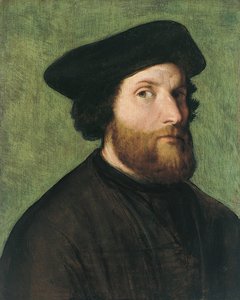
Лорэнцо Лотто
1480 - 1556 , Италия
Основные сведения
- Artistic Movement Or Style: Ренессанс, маньеризм
- Artists Or Movements Influenced By This Artist: ['Рафаэль']
- Artists Who Influenced This Artist:
- Джотто Bellini
- Джорджоне
- Тициан
- Date Of Birth: c. 1480
- Date Of Death: 1556/57
- Full Name: Lorenzo Lotto
- Nationality: Итальянский
- Notable Artworks:
- Мадонна с Иоанном Крестителем
- Святой Иероним в пустыне
- Сусанна и старцы
- Place Of Birth: Венеция, Италия