 Предпросмотр
 Поделиться
 Поделиться
 Детали произведения

 Скачать
 Похожие работы
 Рентгенография
 Слайд-шоу
 Статистика
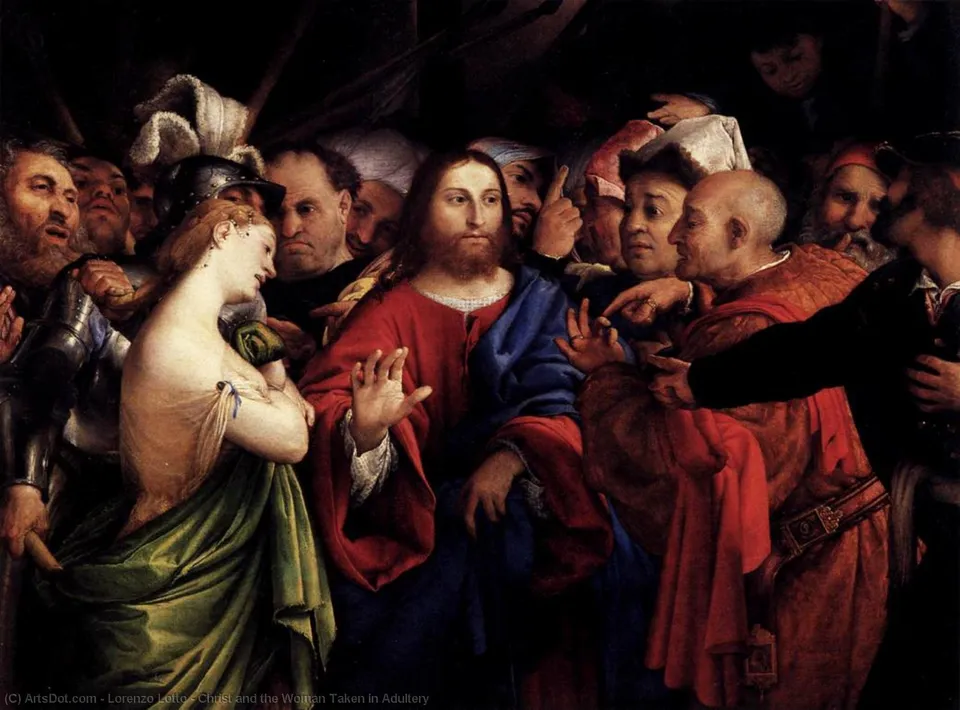
Christ and the Woman Taken in Adultery
 Oil On Canvas
- WallArt
- High Renaissance
 1527
1527 124.0 x 156.0 cm
 Лувр
Лувр
 Читать далее
Жикле / Арт-принт
Печать (жикле) или холст музейного качества с быстрыми сроками изготовления и широким выбором вариантов отделки. ( Купить картину ручной работы Перейти к цифровым изображениям)




P118B $10

P118H $10

P118W $10

P438Z $10

P508JH $12

P508YH $12

P805H $10

P805Z $10

P919BZ $10

P919G $10

P919XJ $10

P959ZH $10

P968JZ $12

W106C $8

W218G $10

W218JH $8

W218Y $10

W307PJ $10

W316G $10

W316PJ $8

W316Y $10

W398PJ $8

W4111J $10

W500HY $15

W500JH $15

W692G $12

W849H $8

W940BG $15

W953PJ $8


Выберите один из наших стандартных размеров, соответствующих оригинальным пропорциям произведения искусства.

Вы можете указать свои собственные размеры, чтобы репродукция идеально подошла под конкретную раму или пространство. Если выбранный вами размер не будет соответствовать пропорциям оригинала, мы либо обрежем произведение, либо дополним изображение зеркальным отражением краев или однотонной заливкой. Перед началом производства вам будет отправлен цифровой макет для утверждения.
Пожалуйста, обратите внимание, что предварительный просмотр на экране не отображает фактическую обрезку или расширение изображения. Только макет точно покажет финальную композицию.
Несмотря на возможность заказа индивидуальных размеров, мы рекомендуем выбирать размер из предопределенного списка, чтобы сохранить оригинальные пропорции.
Доставка по всему миру () за 2 недели вместо стандартных 4/5 недель. (13 Сентябрь)

Бесплатная экспресс-доставка по всему миру

Высококачественный льняной холст

Полное страхование доставки

Гарантия возмещения таможенных пошлин

Гарантия точного соответствия цветов

100-дневная политика возврата (только при обнаружении дефектов)

Гарантия возврата 100% средств

Предложение оптовых скидок
 Вариант со стеклом доступен только для размеров менее 110 см

Christ and the Woman Taken in Adultery
Жикле / Арт-принт
Размер репродукции
-


Итоговая стоимость
$ 62
Lorenzo Lotto’s ‘The Woman Taken in Adultery’: A Study in Moral Ambiguity
Lorenzo Lotto's “The Woman Taken in Adultery,” painted around 1527-29, is not merely a depiction of a biblical transgression; it’s a profound meditation on sin, judgment, and the complexities of human morality. Housed within the hallowed halls of the Louvre Museum in Paris, this oil painting transcends its subject matter to become a powerful exploration of virtue and vice, rendered with Lotto's signature blend of High Renaissance grace and nascent Mannerist subtlety. The scene unfolds outdoors, bathed in an atmospheric light that simultaneously illuminates and casts shadows upon the figures, creating a palpable sense of drama and moral tension.
Lotto’s masterful technique is immediately apparent. He employs a restrained palette—primarily cool blues, browns, and ochres—to evoke a somber mood, emphasizing the gravity of the situation. The composition is carefully constructed; Christ stands at the center, radiating an aura of serene authority and forgiveness, his outstretched hands suggesting both judgment and mercy. The woman, positioned on the left, appears vulnerable and ashamed, her head bowed in sorrow. Noticeably, she avoids direct eye contact, a gesture that underscores her humility and acceptance of her fate. The figures surrounding them – a collection of scribes, Pharisees, and onlookers – are rendered with meticulous detail, each face reflecting a range of emotions: righteous indignation, calculating judgment, and detached observation. Lotto’s use of chiaroscuro—the dramatic interplay of light and shadow—heightens the emotional impact, drawing our attention to key figures and creating a sense of depth and realism.
The Biblical Narrative and Moral Judgement
The painting directly references John 8:1-11, where Jesus confronts a woman caught in adultery. Lotto doesn’t shy away from the uncomfortable realities of the biblical story. The scribes and Pharisees, representing the rigid legalism of the time, are depicted as stern and judgmental, their faces etched with disapproval. They hold books, perhaps referencing Levitical law, symbolizing their unwavering adherence to strict moral codes. Their gestures—pointing upwards, counting on fingers—emphasize their desire to impose punishment. However, Lotto subtly subverts this expectation by presenting Christ not as a condemning figure but as one offering forgiveness and redemption. His posture is open and compassionate, suggesting that true justice lies not in retribution but in understanding and grace.
The woman’s position within the composition is equally significant. She isn't presented as a passive victim; rather, she embodies a quiet dignity and acceptance of her transgression. Her averted gaze speaks volumes—a willingness to face consequences without resorting to denial or self-justification. Lotto masterfully captures this internal struggle, conveying both shame and a glimmer of hope through subtle details like the tear that traces a path down her cheek.
Symbolism and Artistic Innovation
Beyond its biblical subject matter, “The Woman Taken in Adultery” is rich in symbolic meaning. The surrounding figures represent the societal pressures and moral constraints imposed upon individuals during the Renaissance. Lotto’s use of Mannerist techniques—elongated forms, distorted perspectives, and a heightened sense of drama—adds to the painting's unsettling atmosphere. These stylistic choices reflect a shift away from the idealized beauty of the High Renaissance towards a more expressive and psychologically complex approach to art. The overall effect is one of moral ambiguity, prompting viewers to question their own judgments and consider the nuances of human behavior.
A Timeless Masterpiece: Reproduction Possibilities
ArtsDot offers meticulously hand-painted reproductions of Lorenzo Lotto’s “The Woman Taken in Adultery,” capturing the painting's dramatic intensity and profound emotional depth. Our artists recreate Lotto’s masterful technique, utilizing traditional oil paints on canvas to faithfully reproduce every detail—from the subtle nuances of light and shadow to the expressive faces of the figures. We offer a range of sizes to suit your needs, each reproduction meticulously crafted to ensure exceptional quality and lasting beauty. Whether you're an art collector, interior designer, or simply someone seeking a stunning piece of historical art, our hand-painted reproductions provide a unique opportunity to own a timeless masterpiece.
Похожие произведения
Биография художника
A Venetian Wanderer: The Life and Art of Lorenzo Lotto
Lorenzo Lotto, born around 1480 in the vibrant heart of Venice, was a truly singular figure within the Italian Renaissance. Unlike many of his contemporaries who meticulously established themselves within specific artistic schools or courtly circles, Lotto embarked on an extraordinary peripatetic journey – a life spent traversing cities like Treviso, Rome, Bergamo, and Ancona – before ultimately finding a quiet haven as a lay brother in the small town of Loreto. This itinerant existence wasn’t merely a matter of travel; it profoundly shaped his artistic vision, exposing him to a kaleidoscope of influences while simultaneously fostering an independent spirit that set him apart from the more rigidly defined artists of his time. While the precise details of his early training remain somewhat shrouded in mystery, it is believed he absorbed the foundational lessons imparted by Giovanni Bellini, a leading figure of the Venetian school – a master known for his atmospheric perspective and lyrical compositions. However, Lotto quickly transcended simple imitation, developing a style that was uniquely his own: a masterful synthesis of High Renaissance grace with nascent elements of Mannerism.Blending Traditions: Style and Influences
Lotto’s artistic signature lies in his remarkable ability to seamlessly integrate diverse influences into a cohesive and deeply personal aesthetic. His early works are undeniably influenced by Giorgione, particularly evident in the subtle atmospheric effects and lyrical compositions that characterize paintings like *The Tempest* (c. 1506-1508). The hazy landscapes, the evocative use of light, and the sense of poetic mood all bear witness to Giorgione’s profound impact. Yet, a pivotal period spent in Rome brought Lotto into direct contact with the art of Raphael – a master known for his clarity of form, balanced compositions, and meticulous attention to detail. This encounter profoundly shaped Lotto's approach to painting, imbuing his work with a newfound sense of order and precision. Later, during his extended sojourn in Bergamo, he absorbed elements of Lombard realism, adding a grounded physicality and a remarkable sensitivity to the textures of fabrics and surfaces to his figures. The result is not merely an additive combination of influences; rather, Lotto masterfully integrated these diverse strands into a unified artistic vision, creating paintings that are both technically refined and emotionally resonant. His willingness to experiment with perspective – often employing unusual vantage points – heightened the sense of drama and intimacy within his compositions. His palette, rooted in Venetian colorism, evolved over time, becoming increasingly vibrant and expressive, reflecting his growing confidence and stylistic maturity.Portraits of the Soul: Lotto’s Masterpieces
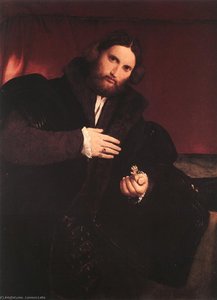
While Lorenzo Lotto excelled in religious painting, it is perhaps through his portraits that he truly distinguished himself as an artist. He possessed an extraordinary gift for capturing not just the physical likeness but also the inner life, the personality, and even the mood of his sitters. His portraits are rarely idealized; instead, they present individuals with all their complexities, vulnerabilities, and quiet dignity. Consider *Portrait of a 37-year-old Man* (c. 1527), a captivating study in psychological observation. The sitter’s gaze is direct and engaging, conveying a sense of intelligence, thoughtfulness, and perhaps even a hint of melancholy. His clothing – simple yet elegant – speaks volumes about his status and character. Similarly, *Man with a Golden Paw* (c. 1527), a painting now housed in the Pinacoteca di Brera in Milan, is a masterpiece of enigmatic symbolism. The subject holds a small golden statuette—its meaning open to interpretation, inviting viewers to contemplate the complexities of human desire and ambition. These are not merely representations of individuals; they are windows into their souls – intimate portraits that reveal something profound about the human condition.The Lay Brother’s Legacy: Religious Paintings and Spiritual Depth
Despite achieving considerable recognition during his lifetime, Lorenzo Lotto's artistic reputation waned somewhat after his death in 1556 or 1557. His works, often dispersed throughout provincial churches and private collections, were largely overlooked for centuries. It wasn’t until the late 19th century, thanks to the pioneering scholarship of Bernard Berenson, that Lotto experienced a significant revival of interest. Berenson's insightful analysis highlighted the originality and complexity of Lotto’s style, challenging established notions about Venetian painting. Today, Lorenzo Lotto is recognized as one of the most original and compelling artists of the Italian Renaissance – a master whose unique blend of stylistic influences, psychological depth, and technical mastery continues to captivate audiences and inspire art historians. His paintings are not simply beautiful objects; they are profound meditations on faith, humanity, and the mysteries of life.Historical Significance: A Rediscovered Master
Lotto’s artistic journey is inextricably linked to his personal circumstances. His itinerant lifestyle – a constant movement from city to city – undoubtedly influenced his perspective and shaped his artistic vision. He was not attached to any particular school or court, allowing him the freedom to absorb influences from diverse sources and develop his own distinctive style. This independence of spirit is reflected in his paintings, which are characterized by their emotional intensity, psychological complexity, and a willingness to challenge conventional artistic norms. The rediscovery of Lotto’s oeuvre has enriched our understanding of the Italian Renaissance – revealing a complex and multifaceted artist whose work deserves continued exploration and appreciation. His legacy endures not only through his stunning works of art but also as a testament to the power of individual creativity and the enduring beauty of human expression.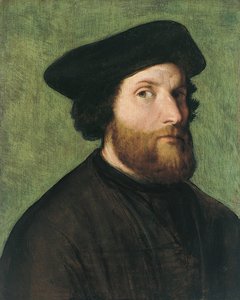
Лорэнцо Лотто
1480 - 1556 , Италия
Основные сведения
- Artistic Movement Or Style: Ренессанс, маньеризм
- Artists Or Movements Influenced By This Artist: ['Рафаэль']
- Artists Who Influenced This Artist:
- Джотто Bellini
- Джорджоне
- Тициан
- Date Of Birth: c. 1480
- Date Of Death: 1556/57
- Full Name: Lorenzo Lotto
- Nationality: Итальянский
- Notable Artworks:
- Мадонна с Иоанном Крестителем
- Святой Иероним в пустыне
- Сусанна и старцы
- Place Of Birth: Венеция, Италия
Похожие статьи
Искусство Престижа: Роль Качественных Репродукций в Современной Практике Элитных Галерей
Узнайте о роли высококачественных репродукций в элитных галереях и искусстве премиум-класса. Экспертный анализ технологий, юридических аспектов и будущего рынка. Создайте свой шедевр!
25 Шедевров Alte Pinakothek: Искусство Ренессанса и Барокко в Вашем Интерьере
Погрузитесь в мир искусства Alte Pinakothek! 25 шедевров Ренессанса и Барокко от Леонардо да Винчи, Рафаэля, Рубенса и других великих художников. Узнайте истории создания культовых картин и вдохновитесь для декора вашего интерьера. Откройте всю коллекцию на ArtsDot.com!

Репродукции картин: руководство по выбору материалов и техникам создания
Закажите высококачественные репродукции картин маслом на холсте от ! Ручная работа, точное соответствие оригиналу, быстрая доставка по всему миру. Создайте свой уникальный интерьер с шедеврами искусства.
Эль Греко: 25 шедевров гения. Купить картины онлайн | ArtsDot
Погрузитесь в мир Эль Греко! 25 величайших шедевров испанского маньеризма. Узнайте историю создания культовых картин, технику и символизм. Купите репродукции высокого качества для вашего интерьера на ArtsDot.com.
Beyond Imitation: The Cultural Resonance of Fine Art Reproduction & Discerning Collectors
Explore the cultural significance of fine art reproduction & its appeal to discerning collectors. Discover how reproductions enhance aesthetics, build collections, and signal status. Expert insights & museum-quality artistry.