 Предпросмотр
 Поделиться
 Поделиться
 Детали произведения

 Скачать
 Похожие работы
 Рентгенография
 Слайд-шоу
 Статистика
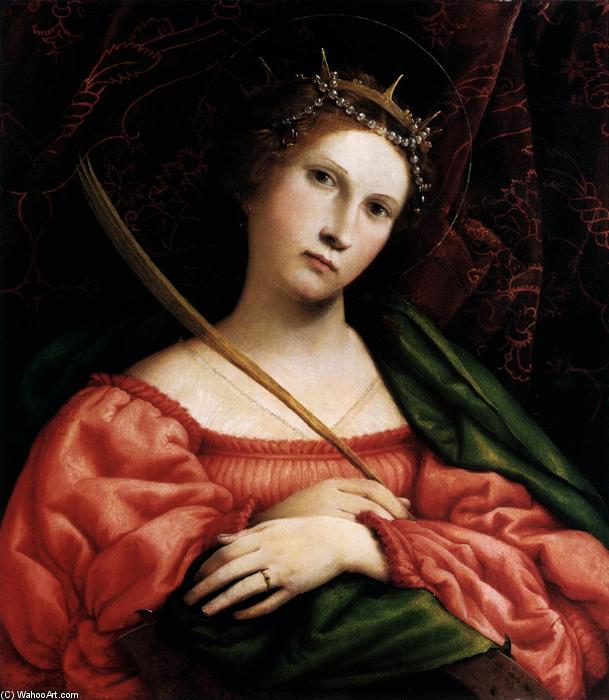
St Catherine of Alexandria
 Oil On Canvas
- WallArt
- Early Renaissance
 1522
1522 57.0 x 50.0 cm
 Национальная галерея искусств
 Читать далее
Масляная репродукция ручной работы
Картина маслом на холсте в выбранном вами размере и раме, написанная на заказ нашими художниками. ( Перейти к печати Перейти к цифровым изображениям)




P118B $10

P118H $10

P118W $10

P438Z $10

P508JH $12

P508YH $12

P805H $10

P805Z $10

P919BZ $10

P919G $10

P919XJ $10

P959ZH $10

P968JZ $12

W106C $8

W218G $10

W218JH $8

W218Y $10

W307PJ $10

W316G $10

W316PJ $8

W316Y $10

W398PJ $8

W4111J $10

W500HY $15

W500JH $15

W692G $12

W849H $8

W940BG $15

W953PJ $8




Выберите один из наших стандартных размеров, соответствующих оригинальным пропорциям произведения искусства.

Вы можете указать собственные размеры, чтобы картина идеально вписалась в выбранную раму или пространство. Если выбранный вами размер не соответствует пропорциям оригинала, мы либо обрежем полотно, либо расширим его за счет дополнительных элементов, написанных вручную. Цифровой макет будет отправлен вам на утверждение перед началом производства.
Обратите внимание, что предварительный просмотр на экране не отражает фактическую обрезку или расширение. Только макет точно покажет окончательную композицию.
Хотя доступны индивидуальные размеры, мы рекомендуем выбирать вариант из предопределенного списка, чтобы сохранить исходные пропорции.
После оформления заказа команда ArtsDot.com свяжется с клиентом по электронной почте для уточнения деталей и предоставит предварительный макет
Доставка по всему миру () за 3–4 недели вместо стандартных 5 недель. (13 Сентябрь). Без компромиссов в качестве.

Бесплатная экспресс-доставка по всему миру

Высококачественный льняной холст

Полное страхование доставки

Гарантия возмещения таможенных пошлин

Гарантия точного соответствия цветов

100-дневная политика возврата (только при обнаружении дефектов)

Гарантия возврата 100% средств

Предложение оптовых скидок
 Вариант со стеклом доступен только для размеров менее 110 см

St Catherine of Alexandria
Техника репродукции
Размер репродукции
-


Итоговая стоимость
$ 263
A Portrait of Faith and Wisdom: Lorenzo Lotto’s St Catherine of Alexandria
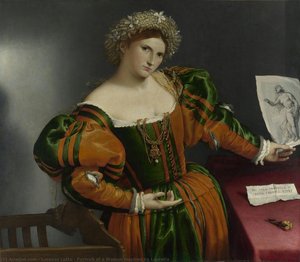
Lorenzo Lotto's "St Catherine of Alexandria," painted in 1522, is more than just a depiction of a revered saint; it’s a masterful synthesis of Renaissance ideals, imbued with the artist’s distinctive Venetian sensibility. This intimate portrait captures not merely an image but a profound sense of dignity and contemplative strength, inviting viewers to contemplate Catherine's story – a tale of intellectual prowess, unwavering faith, and ultimately, martyrdom. The painting immediately draws the eye with its rich palette dominated by warm reds and pinks, contrasted against the cooler greens and browns that define her garment and the subtly shadowed background. This interplay of color creates a dynamic sense of depth, mirroring the spiritual journey Catherine embodies.
Lotto’s technique is characterized by a remarkable blend of realism and expressive brushwork. The smooth, almost velvety texture achieved through meticulous layering of oil paint speaks to his mastery of the medium. Notice how he renders the folds of her drapery with an astonishing level of detail, yet simultaneously imbues them with a sense of movement and life. The soft focus around her face – a hallmark of Lotto’s style – creates an aura of serenity and invites us into her inner world. The composition is carefully balanced, centering Catherine's figure within the frame, emphasizing her presence and projecting an impression of quiet authority.
A Saint Steeped in Legend
St. Catherine of Alexandria, a figure both historical and legendary, held a prominent place in the early Christian church. Tradition recounts that she was a princess, renowned for her intelligence and scholarship – even said to have debated philosophers at the court of Emperor Maxentius, skillfully dismantling their arguments with logic and reason. Her refusal to succumb to the emperor’s advances led to imprisonment and brutal torture, yet she remained steadfast in her faith. The painting captures this pivotal moment, suggesting a strength born not from physical power but from an unshakeable conviction.
The legend surrounding Catherine is rich with symbolism. She represents intellectual virtue, courage in the face of adversity, and unwavering devotion to Christ. Her staff, topped with a cross, symbolizes her dominion over evil and her role as a protector of the faithful. The halo subtly encircling her head reinforces her status as a saint, while the serene expression on her face conveys both wisdom and compassion. Lotto masterfully integrates these symbolic elements into a cohesive and compelling visual narrative.
Renaissance Venice and Artistic Innovation
Lorenzo Lotto’s artistic journey was anything but conventional. Unlike many of his contemporaries who established themselves within the confines of powerful courts or prestigious workshops, Lotto embraced a nomadic existence, traveling throughout Italy – from Venice to Rome, Bergamo, and Ancona – absorbing diverse influences while forging his own unique style. This itinerant lifestyle profoundly shaped his perspective, fostering an independent spirit that set him apart from other artists of the era.
Lotto’s work reflects the evolving artistic landscape of the High Renaissance, yet he deliberately resisted strict adherence to established conventions. While influenced by the grace and idealism of figures like Giovanni Bellini, Lotto injected a palpable sense of realism and emotional depth into his paintings. His use of light and shadow, his attention to detail, and his ability to capture the nuances of human expression are all hallmarks of his distinctive style – a style that would later influence generations of artists.
A Timeless Masterpiece: Reproduction Possibilities
"St Catherine of Alexandria" is a testament to Lotto’s artistic genius and offers a captivating glimpse into the heart of the Renaissance. Today, ArtsDot proudly presents meticulously crafted hand-painted reproductions that faithfully capture the essence of this iconic work. Each reproduction utilizes archival-quality materials and employs techniques mirroring Lotto's original approach, ensuring an authentic representation of his artistry. Whether adorning a grand salon or adding a touch of contemplative beauty to a smaller space, this stunning artwork will undoubtedly become a cherished centerpiece.
Explore the full details and dimensions of this remarkable painting on our website: St Catherine of Alexandria
Похожие произведения
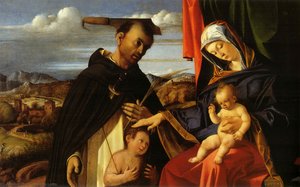
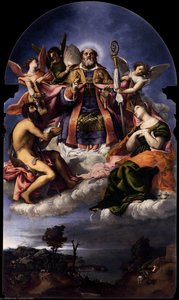
Биография художника
A Venetian Wanderer: The Life and Art of Lorenzo Lotto
Lorenzo Lotto, born around 1480 in the vibrant heart of Venice, was a truly singular figure within the Italian Renaissance. Unlike many of his contemporaries who meticulously established themselves within specific artistic schools or courtly circles, Lotto embarked on an extraordinary peripatetic journey – a life spent traversing cities like Treviso, Rome, Bergamo, and Ancona – before ultimately finding a quiet haven as a lay brother in the small town of Loreto. This itinerant existence wasn’t merely a matter of travel; it profoundly shaped his artistic vision, exposing him to a kaleidoscope of influences while simultaneously fostering an independent spirit that set him apart from the more rigidly defined artists of his time. While the precise details of his early training remain somewhat shrouded in mystery, it is believed he absorbed the foundational lessons imparted by Giovanni Bellini, a leading figure of the Venetian school – a master known for his atmospheric perspective and lyrical compositions. However, Lotto quickly transcended simple imitation, developing a style that was uniquely his own: a masterful synthesis of High Renaissance grace with nascent elements of Mannerism.Blending Traditions: Style and Influences
Lotto’s artistic signature lies in his remarkable ability to seamlessly integrate diverse influences into a cohesive and deeply personal aesthetic. His early works are undeniably influenced by Giorgione, particularly evident in the subtle atmospheric effects and lyrical compositions that characterize paintings like *The Tempest* (c. 1506-1508). The hazy landscapes, the evocative use of light, and the sense of poetic mood all bear witness to Giorgione’s profound impact. Yet, a pivotal period spent in Rome brought Lotto into direct contact with the art of Raphael – a master known for his clarity of form, balanced compositions, and meticulous attention to detail. This encounter profoundly shaped Lotto's approach to painting, imbuing his work with a newfound sense of order and precision. Later, during his extended sojourn in Bergamo, he absorbed elements of Lombard realism, adding a grounded physicality and a remarkable sensitivity to the textures of fabrics and surfaces to his figures. The result is not merely an additive combination of influences; rather, Lotto masterfully integrated these diverse strands into a unified artistic vision, creating paintings that are both technically refined and emotionally resonant. His willingness to experiment with perspective – often employing unusual vantage points – heightened the sense of drama and intimacy within his compositions. His palette, rooted in Venetian colorism, evolved over time, becoming increasingly vibrant and expressive, reflecting his growing confidence and stylistic maturity.Portraits of the Soul: Lotto’s Masterpieces
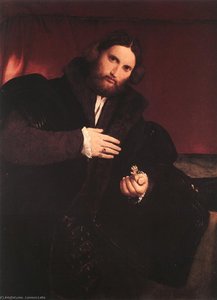
While Lorenzo Lotto excelled in religious painting, it is perhaps through his portraits that he truly distinguished himself as an artist. He possessed an extraordinary gift for capturing not just the physical likeness but also the inner life, the personality, and even the mood of his sitters. His portraits are rarely idealized; instead, they present individuals with all their complexities, vulnerabilities, and quiet dignity. Consider *Portrait of a 37-year-old Man* (c. 1527), a captivating study in psychological observation. The sitter’s gaze is direct and engaging, conveying a sense of intelligence, thoughtfulness, and perhaps even a hint of melancholy. His clothing – simple yet elegant – speaks volumes about his status and character. Similarly, *Man with a Golden Paw* (c. 1527), a painting now housed in the Pinacoteca di Brera in Milan, is a masterpiece of enigmatic symbolism. The subject holds a small golden statuette—its meaning open to interpretation, inviting viewers to contemplate the complexities of human desire and ambition. These are not merely representations of individuals; they are windows into their souls – intimate portraits that reveal something profound about the human condition.The Lay Brother’s Legacy: Religious Paintings and Spiritual Depth
Despite achieving considerable recognition during his lifetime, Lorenzo Lotto's artistic reputation waned somewhat after his death in 1556 or 1557. His works, often dispersed throughout provincial churches and private collections, were largely overlooked for centuries. It wasn’t until the late 19th century, thanks to the pioneering scholarship of Bernard Berenson, that Lotto experienced a significant revival of interest. Berenson's insightful analysis highlighted the originality and complexity of Lotto’s style, challenging established notions about Venetian painting. Today, Lorenzo Lotto is recognized as one of the most original and compelling artists of the Italian Renaissance – a master whose unique blend of stylistic influences, psychological depth, and technical mastery continues to captivate audiences and inspire art historians. His paintings are not simply beautiful objects; they are profound meditations on faith, humanity, and the mysteries of life.Historical Significance: A Rediscovered Master
Lotto’s artistic journey is inextricably linked to his personal circumstances. His itinerant lifestyle – a constant movement from city to city – undoubtedly influenced his perspective and shaped his artistic vision. He was not attached to any particular school or court, allowing him the freedom to absorb influences from diverse sources and develop his own distinctive style. This independence of spirit is reflected in his paintings, which are characterized by their emotional intensity, psychological complexity, and a willingness to challenge conventional artistic norms. The rediscovery of Lotto’s oeuvre has enriched our understanding of the Italian Renaissance – revealing a complex and multifaceted artist whose work deserves continued exploration and appreciation. His legacy endures not only through his stunning works of art but also as a testament to the power of individual creativity and the enduring beauty of human expression.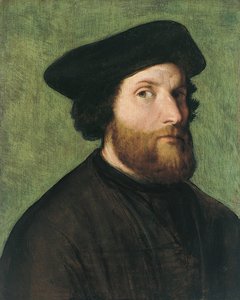
Лорэнцо Лотто
1480 - 1556 , Италия
Основные сведения
- Artistic Movement Or Style: Ренессанс, маньеризм
- Artists Or Movements Influenced By This Artist: ['Рафаэль']
- Artists Who Influenced This Artist:
- Джотто Bellini
- Джорджоне
- Тициан
- Date Of Birth: c. 1480
- Date Of Death: 1556/57
- Full Name: Lorenzo Lotto
- Nationality: Итальянский
- Notable Artworks:
- Мадонна с Иоанном Крестителем
- Святой Иероним в пустыне
- Сусанна и старцы
- Place Of Birth: Венеция, Италия
Похожие статьи

Топ-25 шедевров Тинторетто: Венецианская драма и свет в вашем интерьере
Погрузитесь в мир драматизма и света с 25 шедеврами Тинторетто! Узнайте историю создания легендарных картин эпохи Возрождения. Репродукции высокого качества для вашего интерьера на ArtsDot.com.
Gian Lorenzo Bernini: Sculpting Baroque Emotion & the Roman Imagination
Explore the life & revolutionary art of Gian Lorenzo Bernini, the master sculptor of the Baroque era. Discover his iconic works like David and Ecstasy of Saint Teresa – a journey into Roman artistic genius.
Джотто ди Бондоне: 25 шедевров великого флорентийского мастера | ArtsDot
Погрузитесь в мир Джотто ди Бондоне! 25 величайших шедевров флорентийского мастера – фрески, картины, религиозная живопись. Узнайте историю создания и значение каждой работы. Репродукции картин высокого качества для вашего интерьера на ArtsDot.com
Lorenzo Lotto: Unveiling the Enigma of a Venetian Master's Portraits
Explore the captivating world of Lorenzo Lotto, a Venetian Renaissance master renowned for his psychologically insightful portraits & enigmatic symbolism. Discover his life, style, and rediscovered legacy with ArtsDot.
Эль Греко: 25 шедевров гения. Купить картины онлайн | ArtsDot
Погрузитесь в мир Эль Греко! 25 величайших шедевров испанского маньеризма. Узнайте историю создания культовых картин, технику и символизм. Купите репродукции высокого качества для вашего интерьера на ArtsDot.com.