

 Предпросмотр
 Поделиться
 Поделиться
 Детали произведения

 Скачать
 Похожие работы
 Рентгенография
 Слайд-шоу
 Статистика
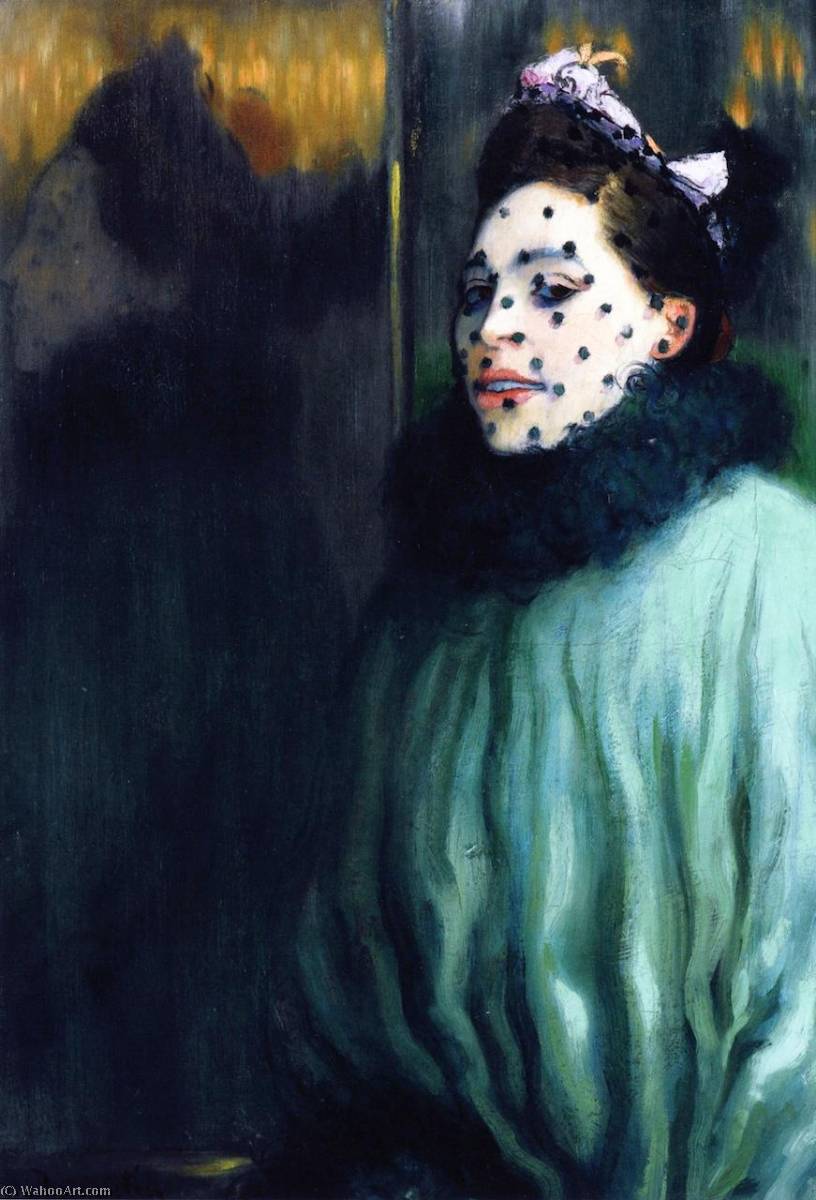
Femme a la Voilette
 1891
1891 81.0 x 55.0 cm
 Читать далее
Приобретите цифровое изображение высокого разрешения в улучшенном качестве, которое значительно превосходит онлайн-превью.
Каждый файл тщательно подготавливается нашими специалистами с использованием передовых инструментов и экспертной ручной ретуши. Мы гарантируем исключительную четкость, точную цветопередачу и детальную проработку каждого изображения.
Финальный файл доставляется по электронной почте в течение 72 часов и оптимизирован для немедленного использования в профессиональной среде, при верстке и печати. Это тот же уровень качества, которому доверяют ведущие дизайнерские студии, издательства и галереи.
Цифровое изображение
Скачайте файл высокого разрешения для личного использования, печати и творческих проектов. ( Перейти к печати Купить картину ручной работы)
Включено в каждый заказ цифровых изображений
Гарантия экспертной цифровой доставки
Выбирая ArtsDot.com, вы получаете не просто изображение — вы приобретаете профессионально обработанное цифровое произведение искусства, созданное с безупречной точностью и под защитой гарантии качества. Вот всё, что автоматически входит в ваш заказ:

Мгновенная доставка по e-mail
Ваш цифровой файл в высоком разрешении будет отправлен вам по электронной почте в течение 72 часов после оформления заказа — и сразу станет доступен для использования.

Цифровой файл с ИИ-улучшением
Ваше произведение искусства проходит профессиональную оптимизацию с использованием передовых инструментов ИИ и ручной обработки, что гарантирует максимальную детализацию, четкость и точность цветопередачи.

Бессрочная бесплатная повторная доставка
Случайно удалили или потеряли файл? Не беспокойтесь — мы отправим его вам повторно в любое время и совершенно бесплатно.

Без импортных пошлин — навсегда
Наслаждайтесь вашим произведением искусства мгновенно без таможенных пошлин, сборов или затрат на доставку — цифровые загрузки всегда не облагаются налогом.

Гарантия точности цветопередачи
Мы гарантируем, что ваше цифровое изображение максимально точно передает оригинальные цвета благодаря использованию профессиональных инструментов и систем управления цветом.

Гарантия удовлетворенности 100 дней
Если вы не будете удовлетворены своим цифровым изображением, мы внесем правки или вернем 100% стоимости в течение 100 дней — без лишних вопросов.

100% Гарантия возврата средств
Не удовлетворены покупкой? Получите полный возврат средств в течение 100 дней после получения цифрового файла — без лишних вопросов.

Скидки на оптовые заказы
Купите 3 изображения, сэкономьте 10% — Купите 5, сэкономьте 15% — Купите 10+, сэкономьте 20%. Отличное решение для творческих проектов, галерей и агентств.
Artist Background
Louis Anquetin was a French painter born in 1861 in Normandy. He is known for his bold and expressive works, which often featured women as the main subject. The Femme à la Voilette is one of his most notable pieces, showcasing his ability to capture the essence of his models with elegance and sophistication.Painting Description
The Femme à la Voilette depicts a woman with a polka dot face, wearing a black dress and a bow in her hair. Her gaze is directed at the viewer, creating a sense of intimacy and connection. The painting's bold colors and expressive brushstrokes are characteristic of Louis Anquetin's unique style, which blends elements of Impressionism and Post-Impressionism.- The painting is available for viewing at the Kunsthistorisches Museum Vienna, Austria, a renowned institution that houses an impressive collection of art and artifacts.
- https://ArtsDot.com offers handmade oil painting reproductions of the Femme à la Voilette, allowing art enthusiasts to own a piece of history.
- For more information on Louis Anquetin and his works, visit https://ArtsDot.com or Wikipedia's page on the artist.
The Femme à la Voilette is a testament to Louis Anquetin's skill as a painter and his contribution to the world of art. Its beauty and significance make it a must-see for anyone interested in Post-Impressionism and the works of this remarkable artist.
Похожие произведения
Биография художника
The Visionary Architect of Form: The Life and Legacy of Louis Anquetin
Born in the coastal atmosphere of Etretat, Normandy, in 1861, Louis Émile Anquetin emerged as a singular force within the turbulent landscape of late nineteenth-century French painting. His artistic journey was never one of mere imitation; instead, it was a profound exploration of how tradition could be dismantled and rebuilt through a modern lens. While his early years were touched by the burgeoning light of Impressionism, Anquetin possessed an innate restlessness that pushed him beyond the fleeting effects of atmosphere toward something more structural, more permanent, and deeply symbolic. Alongside his contemporary Henri de Toulouse-Lautrec, he navigated the vibrant, often chaotic art circles of Paris, shaped by the mentorship of Fernand Cormon, yet he always maintained a stylistic independence that would eventually redefine the boundaries of modern composition.
The most revolutionary chapter of Anquetin’s career arrived with the birth of Cloisonnism, a technique he pioneered in collaboration with Émile Bernard. This movement sought to reject the soft, blended edges of Impressionism in favor of a bold, graphic clarity inspired by the stark outlines of stained glass and the elegant simplicity of Japanese ukiyo-e prints. By applying flat areas of saturated color bounded by heavy black contours, Anquetin created works that possessed an almost sculptural weight. This method did more than just capture a scene; it distilled reality into its most essential, symbolic elements, creating a visual language that felt both ancient and avant-garde. Through this lens, the canvas became a space of deliberate design rather than a mere window onto nature.
A Synthesis of Grandeur and Modernity
As his career matured, Anquetin’s aesthetic underwent a fascinating metamorphosis, moving away from the flat planes of Cloisonnism toward a profound reverence for the Rubensian tradition. This shift represented a return to the grandeur of the Old Masters, characterized by an embrace of complex allegorical narratives and a meticulous attention to anatomical and compositional detail. He began to weave together the structural boldness of his earlier experiments with the sweeping, muscular energy of Peter Paul Rubens. In masterpieces such as “Rinaldo and Armida,” one can witness this breathtaking synthesis: the emotional depth and classical drama of the Baroque era meeting the modern sensibility of a painter who understood the power of the line.
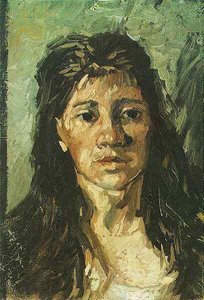
Anquetin’s ability to navigate these disparate worlds—the ephemeral energy of Parisian street life and the timeless weight of historical myth—is what secures his place in art history. His works often capture the pulse of a changing world, such as the evocative “Avenue de Clichy Five O'Clock in the Evening,” where the bustling nocturnal energy of Paris is rendered with an elegant, almost cinematic grace. Whether through the intimate, delicate rendering of a “Portrait of a Young Woman with Long Hair” or the bold, graphic strength of his more experimental pieces, Anquetin’s oeuvre remains a testament to the power of stylistic evolution. He remains a vital figure for any collector seeking to understand the bridge between the classical past and the dawn of modernism.
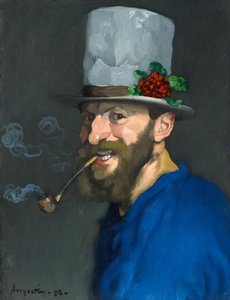
Louis Anquetin
1861 - 1932 , France
Основные сведения
- Artistic Movement Or Style: Cloisonnism & Rubensian Style
- Artists Or Movements Influenced By This Artist: ['Rubens']
- Artists Who Influenced This Artist:
- Henri Toulouse-Lautrec
- Fernand Cormon
- Vincent van Gogh
- Date Of Birth: 26 January 1861
- Date Of Death: 19 August 1932
- Full Name: Louis Émile Anquetin
- Nationality: French
- Notable Artworks:
- Avenue de Clichy: Five o’clock in the evening
- Femme à la Voilette
- Le Pont Neuf
- Place Of Birth: Etretat, France