

 Предпросмотр
 Поделиться
 Поделиться
 Детали произведения

 Скачать
 Похожие работы
 Рентгенография
 Слайд-шоу
 Статистика
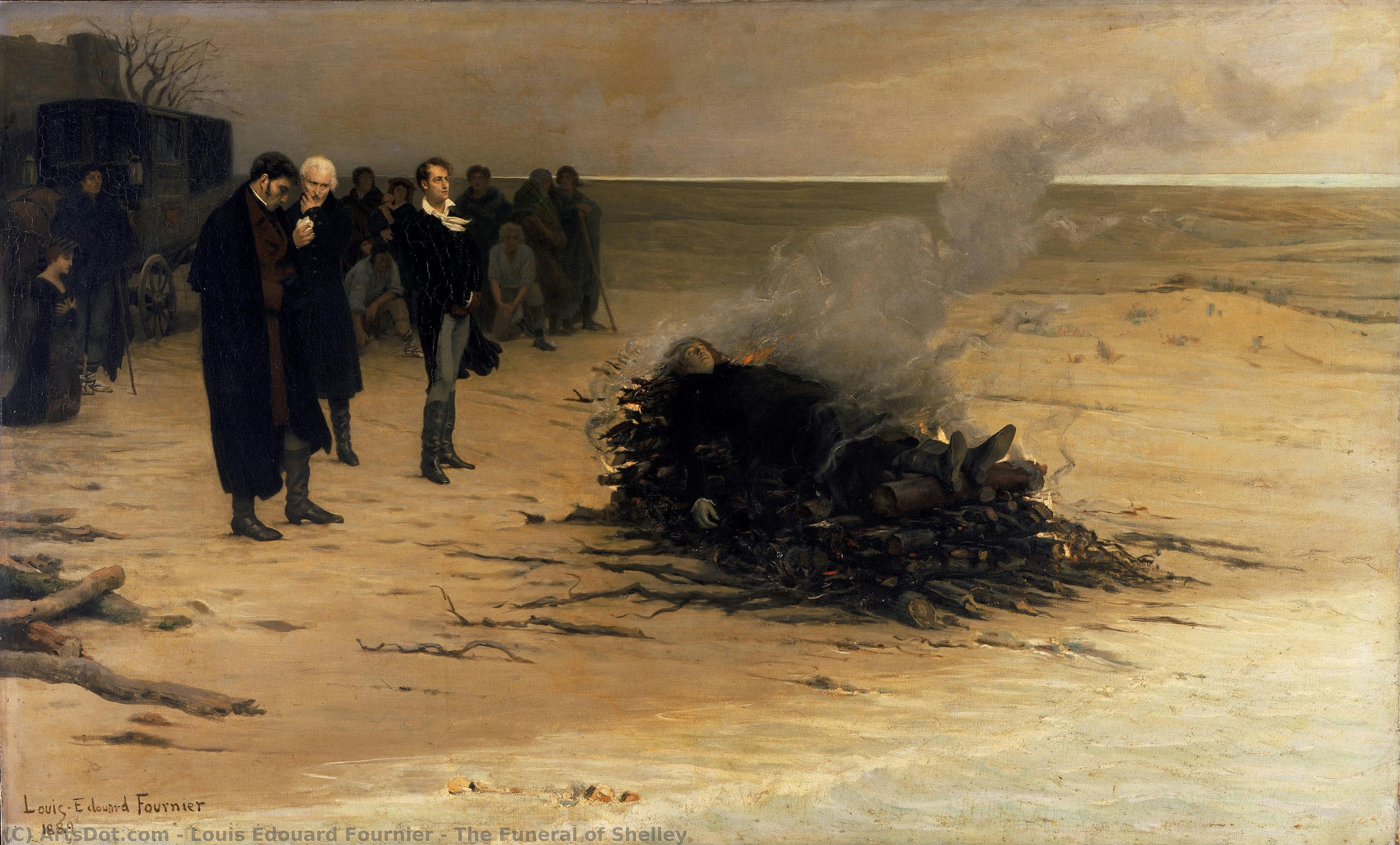
The Funeral of Shelley
 Oil On Canvas
- WallArt
- Academic Realism
 1889
1889- 19th Century
 2134.0 x 1295.0 cm
 Walker Art Gallery
 Читать далее
Приобретите цифровое изображение высокого разрешения в улучшенном качестве, которое значительно превосходит онлайн-превью.
Каждый файл тщательно подготавливается нашими специалистами с использованием передовых инструментов и экспертной ручной ретуши. Мы гарантируем исключительную четкость, точную цветопередачу и детальную проработку каждого изображения.
Финальный файл доставляется по электронной почте в течение 72 часов и оптимизирован для немедленного использования в профессиональной среде, при верстке и печати. Это тот же уровень качества, которому доверяют ведущие дизайнерские студии, издательства и галереи.
Цифровое изображение
Скачайте файл высокого разрешения для личного использования, печати и творческих проектов. ( Перейти к печати Купить картину ручной работы)
Включено в каждый заказ цифровых изображений
Гарантия экспертной цифровой доставки
Выбирая ArtsDot.com, вы получаете не просто изображение — вы приобретаете профессионально обработанное цифровое произведение искусства, созданное с безупречной точностью и под защитой гарантии качества. Вот всё, что автоматически входит в ваш заказ:

Мгновенная доставка по e-mail
Ваш цифровой файл в высоком разрешении будет отправлен вам по электронной почте в течение 72 часов после оформления заказа — и сразу станет доступен для использования.

Цифровой файл с ИИ-улучшением
Ваше произведение искусства проходит профессиональную оптимизацию с использованием передовых инструментов ИИ и ручной обработки, что гарантирует максимальную детализацию, четкость и точность цветопередачи.

Бессрочная бесплатная повторная доставка
Случайно удалили или потеряли файл? Не беспокойтесь — мы отправим его вам повторно в любое время и совершенно бесплатно.

Без импортных пошлин — навсегда
Наслаждайтесь вашим произведением искусства мгновенно без таможенных пошлин, сборов или затрат на доставку — цифровые загрузки всегда не облагаются налогом.

Гарантия точности цветопередачи
Мы гарантируем, что ваше цифровое изображение максимально точно передает оригинальные цвета благодаря использованию профессиональных инструментов и систем управления цветом.

Гарантия удовлетворенности 100 дней
Если вы не будете удовлетворены своим цифровым изображением, мы внесем правки или вернем 100% стоимости в течение 100 дней — без лишних вопросов.

100% Гарантия возврата средств
Не удовлетворены покупкой? Получите полный возврат средств в течение 100 дней после получения цифрового файла — без лишних вопросов.

Скидки на оптовые заказы
Купите 3 изображения, сэкономьте 10% — Купите 5, сэкономьте 15% — Купите 10+, сэкономьте 20%. Отличное решение для творческих проектов, галерей и агентств.
A Poetic Requiem in Oil
In the sweeping, somber expanse of Louis Édouard Fournier’s The Funeral of Shelley, the viewer is transported to a moment of profound historical and emotional gravity. This monumental oil on canvas serves as more than just a depiction of a ceremony; it is a visceral encounter with the tragic end of one of the Romantic era's most luminous voices. The painting captures the haunting aftermath of the 1822 shipwreck in the Gulf of Spezia, where the poet Percy Bysshe Shelley met his untimely demise. Through Fournier’s masterful brushwork, the scene unfolds as a solemn vigil, centered around a funeral pyre that flickers against a desolate, almost otherworldly landscape. The composition draws the eye into a gathering of mourners, creating an intimate yet epic atmosphere that resonates with the weight of loss and the enduring legacy of the departed.
The artistry of Fournier is on full display in the way he orchestrates the figures within this vast, desert-like setting. From the foreground to the distant horizon, at least thirteen individuals are woven into the narrative, their postures reflecting a spectrum of grief, contemplation, and reverence. The artist pays particular attention to the legendary figures present: Trelawney, Leigh Hunt, and Lord Byron stand as silent sentinels around the flames. There is a palpable tension between the warmth of the fire and the cold, stark environment, a technique that mirrors the struggle between the fleeting spark of human life and the eternal indifference of nature. The play of light upon the faces of the mourners adds a layer of psychological depth, inviting collectors and art enthusiasts to contemplate the shared humanity found in moments of collective mourning.
A Masterpiece of Atmosphere and Historical Resonance
For the discerning collector or interior designer, The Funeral of Shelley offers an unparalleled opportunity to introduce a piece of profound narrative power into a space. The painting’s scale and its rich, tonal palette make it a commanding focal point, capable of anchoring a room with its dramatic intensity. Fournier utilizes a style that bridges the gap between classical historical painting and a more atmospheric, emotive realism. The textures of the canvas—the flickering embers, the heavy fabrics of the mourners' attire, and the hazy, distant terrain—are rendered with a precision that evokes a sense of timelessness.
Beyond its aesthetic grandeur, the work serves as a window into the Romantic movement’s obsession with tragedy, nature, and the sublime. To possess a high-quality reproduction of this piece is to hold a fragment of literary history; it is an invitation to engage in a dialogue with the ghosts of the nineteenth century. Whether placed in a private library, a sophisticated study, or a curated gallery space, this artwork provides a contemplative anchor, stimulating thought and evoking a sense of awe. It is not merely a decoration but a profound statement of cultural appreciation, bringing the haunting beauty of Shelley’s final farewell into the modern home.
Похожие произведения




Биография художника
Stanhope Alexander Forbes: A Cornish Visionary of the Late Victorian Era
Born in Dublin in 1857, Stanhope Alexander Forbes’s artistic journey was one shaped by a confluence of influences – from the rigorous training at the Royal Academy Schools to the vibrant, naturalistic landscapes of Cornwall. His life, spanning nearly nine decades, witnessed a dramatic shift in art, moving away from academic traditions towards a more expressive and personal style. Forbes wasn't merely a painter; he was a key figure in establishing a distinct Cornish school of art, profoundly impacting the region’s artistic identity.
Forbes’s early education laid a solid foundation. He began his formal training at Dulwich College, where his talent for drawing was nurtured by John Charles Lewis Sparkes, an influential educator known for his commitment to fostering young artists. This initial exposure to art instilled in Forbes a deep appreciation for observation and technique. Subsequently, he enrolled at the Royal Academy Schools in London, benefiting from the tutelage of established masters like Frederic Leighton and Lawrence Alma-Tadema. However, it was his time spent studying with Leon Bonnat in Paris – absorbing the Impressionistic techniques prevalent at the time – that truly broadened his artistic horizons. Crucially, his summers working alongside Henry Herbert La Thangue in Brittany provided invaluable experience in capturing the nuances of light and atmosphere in the open air, a cornerstone of his later style.
In 1884, Forbes relocated to Newlyn, Cornwall, a pivotal moment that irrevocably shaped his artistic career. This move coincided with the emergence of a thriving art colony centered around the fishing village, attracting artists seeking inspiration in the rugged coastline and dramatic light. He quickly established himself as a leading figure within this community, alongside artists like George Trevelyan and Frank Bramley. Newlyn offered a freedom from the constraints of London’s academic art world, allowing Forbes to develop a distinctly Cornish style characterized by its directness, emotional intensity, and focus on the lives of ordinary people.
Forbes's artistic output is remarkably consistent in subject matter and approach. He frequently depicted scenes of rural life – fishermen hauling their nets, women mending nets, children playing along the shore – capturing the essence of Cornish society with remarkable sensitivity. His brushwork is loose and expressive, prioritizing the conveyance of feeling over meticulous detail. His portraits, too, are imbued with a sense of immediacy and psychological depth, revealing not just physical likeness but also the inner lives of his subjects. The influence of La Thangue’s approach to capturing light and atmosphere is evident in Forbes's landscapes, which are often bathed in a warm, golden glow. His work reflects a deep connection to the land and its people, embodying the spirit of the Cornish countryside.
The Formation of a Cornish School
Forbes didn’t operate in isolation; he actively fostered a community of artists at Newlyn, contributing significantly to the establishment of what is often referred to as the “Newlyn School.” This group shared a commitment to depicting the realities of Cornish life and rejecting the prevailing academic conventions. Forbes played a crucial role in organizing exhibitions that showcased the work of these emerging artists, providing them with a platform to gain recognition. He also established his own school of painting in 1899, offering instruction to aspiring artists and further solidifying Newlyn’s position as a center for artistic innovation.
The influence of Forbes extended beyond his immediate circle. His work helped to elevate the status of Cornish art on the national stage, challenging the dominance of London-based institutions. His commitment to portraying the lives of ordinary people resonated with a growing public interest in social realism and the depiction of working-class subjects – themes that were gaining prominence in European art at the time.
Technique and Style
Forbes’s artistic style is characterized by several key elements. He employed a loose, expressive brushstroke, prioritizing capturing the essence of a scene over precise detail. His use of color was often vibrant and luminous, particularly in his landscapes, where he skillfully rendered the effects of light on the sea and coastline. He frequently worked *en plein air* (outdoors), allowing him to directly observe and translate the changing conditions of nature onto canvas. This direct engagement with the subject matter is evident in the immediacy and vitality of his paintings.
His compositions are typically dynamic, often featuring diagonal lines and asymmetrical arrangements that create a sense of movement and energy. He was adept at capturing fleeting moments – a fisherman casting his net, a child laughing on the beach – imbuing them with a powerful emotional resonance. While influenced by Impressionism, Forbes’s style retained a distinctly personal quality, rooted in his deep connection to Cornwall and its people.
Legacy and Historical Significance
Stanhope Alexander Forbes died in 1947 at the age of 89, leaving behind a substantial body of work that continues to be celebrated for its beauty, emotional depth, and contribution to Cornish art. His paintings offer a valuable glimpse into the lives of ordinary people during the late Victorian and Edwardian eras, capturing the spirit of a region undergoing significant social and economic change.
Forbes’s legacy extends beyond his individual achievements. He played a pivotal role in establishing Newlyn as an artistic center, fostering a community of artists who challenged conventional norms and championed a more accessible and expressive form of art. His work remains a testament to the power of observation, empathy, and a deep connection to one's surroundings – qualities that continue to resonate with audiences today.
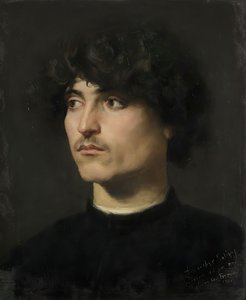
Луи Эдуар Фурнье
1857 - 1917 , Франция