

 Предпросмотр
 Поделиться
 Поделиться
 Детали произведения

 Скачать
 Похожие работы
 Рентгенография
 Слайд-шоу
 Статистика
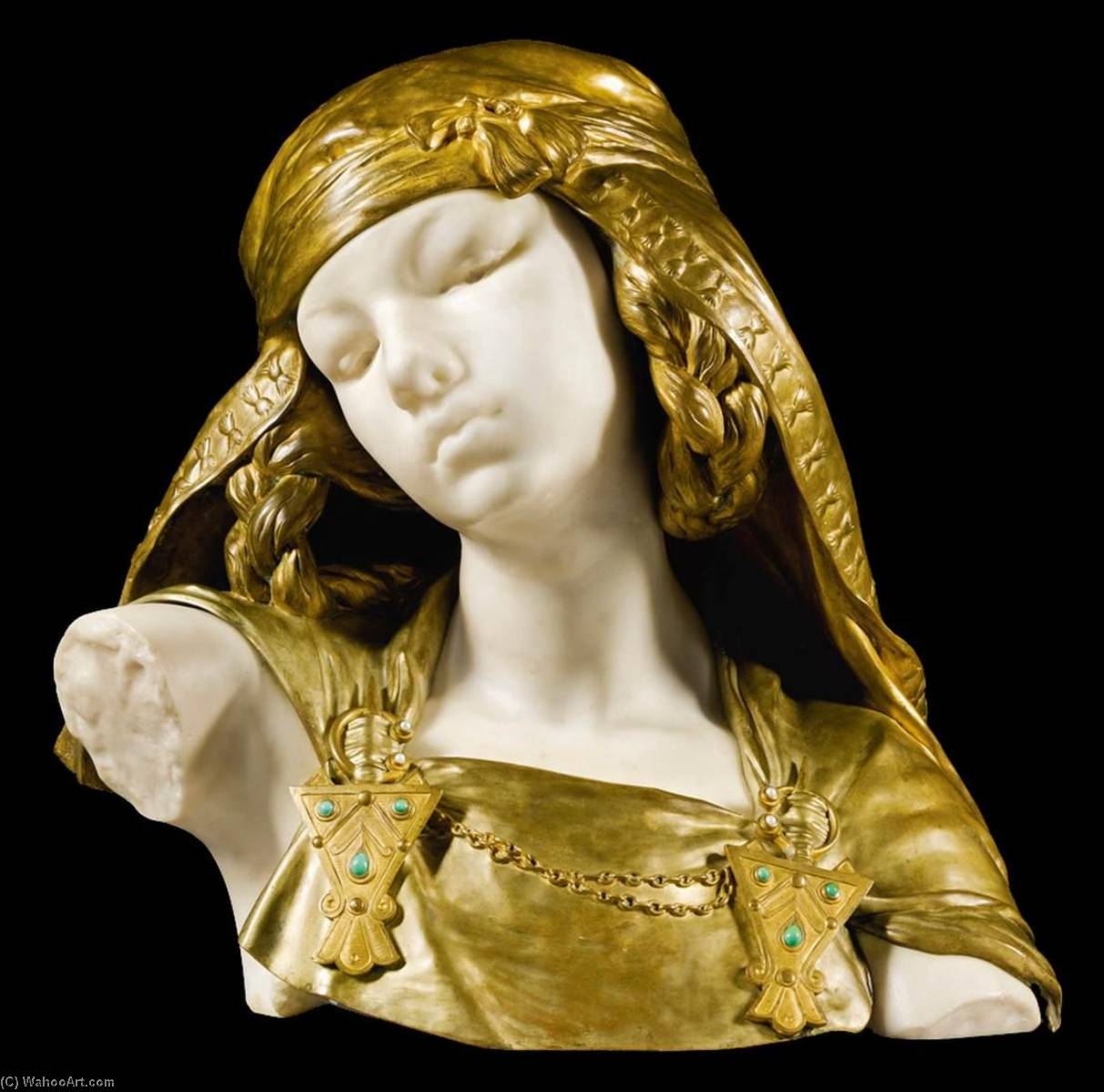
Girl from Bou Saada

 Читать далее
Масляная репродукция ручной работы
Картина маслом на холсте в выбранном вами размере и раме, написанная на заказ нашими художниками. ( Перейти к печати Перейти к цифровым изображениям)




































Выберите один из наших стандартных размеров, соответствующих оригинальным пропорциям произведения искусства.

Вы можете указать собственные размеры, чтобы картина идеально вписалась в выбранную раму или пространство. Если выбранный вами размер не соответствует пропорциям оригинала, мы либо обрежем полотно, либо расширим его за счет дополнительных элементов, написанных вручную. Цифровой макет будет отправлен вам на утверждение перед началом производства.
Обратите внимание, что предварительный просмотр на экране не отражает фактическую обрезку или расширение. Только макет точно покажет окончательную композицию.
Хотя доступны индивидуальные размеры, мы рекомендуем выбирать вариант из предопределенного списка, чтобы сохранить исходные пропорции.
После оформления заказа команда ArtsDot.com свяжется с клиентом по электронной почте для уточнения деталей и предоставит предварительный макет
Доставка по всему миру () за 3–4 недели вместо стандартных 5 недель. (12 Сентябрь). Без компромиссов в качестве.

Бесплатная экспресс-доставка по всему миру

Высококачественный льняной холст

Полное страхование доставки

Гарантия возмещения таможенных пошлин

Гарантия точного соответствия цветов

100-дневная политика возврата (только при обнаружении дефектов)

Гарантия возврата 100% средств

Предложение оптовых скидок
 Вариант со стеклом доступен только для размеров менее 110 см

Girl from Bou Saada
Техника репродукции
Размер репродукции
-


Итоговая стоимость
$ 263
Похожие произведения








Биография художника
Louis-Ernest Barrias: A Life in Sculpture
Louis-Ernest Barrias (1841-1905) was a celebrated French sculptor of the Beaux-Arts tradition. His work embodies a captivating blend of Romantic realism and the emerging aesthetic sensibilities of Art Nouveau, establishing him as a significant figure in 19th-century French art.
Early Life and Artistic Beginnings
Born in Paris on April 13, 1841, Barrias came from a family deeply rooted in the arts. His father was a porcelain painter, and his older brother, Félix-Joseph Barrias, achieved recognition as a painter. Initially, Louis-Ernest followed in his brother’s footsteps, studying painting under Léon Cogniet. However, he soon gravitated towards sculpture, finding mentorship with Pierre-Jules Cavelier.
In 1858, Barrias entered the prestigious École nationale supérieure des Beaux-Arts in Paris, where he further honed his skills under François Jouffroy. A pivotal moment arrived in 1865 when he won the coveted Prix de Rome for his sculpture “Fondation de la ville de Marseille,” granting him a period of study at the French Academy in Rome.
Artistic Development and Style
Barrias’s artistic style is characterized by its meticulous craftsmanship, emotional depth, and graceful forms. He primarily worked with marble, creating sculptures that often depicted allegorical figures, portraits, and scenes imbued with a sense of romantic drama. His early work demonstrated a strong adherence to the Beaux-Arts principles of classical form and idealized beauty.
However, as his career progressed, Barrias increasingly embraced the influences of Art Nouveau, incorporating flowing lines, sensual forms, and themes drawn from nature and mythology. This fusion created a unique aesthetic that distinguished him from many of his contemporaries.
Major Achievements and Notable Works
- La Jeune Fille de Bou Saada (The Girl from Bou Saada): Perhaps his most famous work, this sculpture exemplifies Barrias’s ability to capture both physical beauty and psychological depth.
- Nature Unveiling Herself before Science (1899): A striking allegorical piece that reflects the fin-de-siècle fascination with science, nature, and the female form.
- Portrait of the Young Mozart: Demonstrates Barrias’s skill in portraiture, capturing the youthful genius of the composer.
- La Défense de Paris: A monumental bronze sculpture commemorating the defense of Paris during the Franco-Prussian War.
Involvement with Parisian Landmarks
Barrias actively contributed to the artistic embellishment of prominent Parisian landmarks. He participated in the decoration of the opulent Paris Opéra and the lavish Hôtel de la Païva, showcasing his talent for large-scale decorative sculpture.
Legacy and Historical Significance
Throughout his career, Barrias received numerous accolades, including being made a Knight of the Legion of Honour in 1878, an Officer in 1881, and a Commander in 1900. In 1884, he succeeded Dumont at the Institut de France and later replaced Cavelier as professor at the École des Beaux-Arts.
Barrias’s influence extended to a generation of sculptors, including Josep Clarà, Charles Despiau, and Henri Bouchard. His work represents a pivotal moment in French sculpture, bridging the gap between classical tradition and the innovative spirit of modernism. He died in Paris on February 4, 1905, leaving behind a legacy of exquisite sculptures that continue to captivate audiences today.
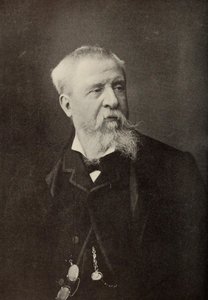
Louis Ernest Barrias
1841 - 1905 , France
Основные сведения
- Birth Date: 1841-04-13
- Birth Place: Paris, France
- Death Date: 1905-02-04
- Influenced:
- Josep Clarà
- Charles Despiau
- Henri Bouchard
- Victor Ségoffin
- Influenced By: Jean-Baptiste Carpeaux
- Movement:
- Beaux-Arts
- Art Nouveau
- Romanticism
- Name: Louis-Ernest Barrias
- Nationality: French
- Notable Works:
- Jeune Fille de Bou Saada
- Nature Unveiling Herself before Science
- Portrait of the Young Mozart