

 Поделиться
 Поделиться
 Детали произведения

 Скачать
 Похожие работы
 Слайд-шоу
 Статистика
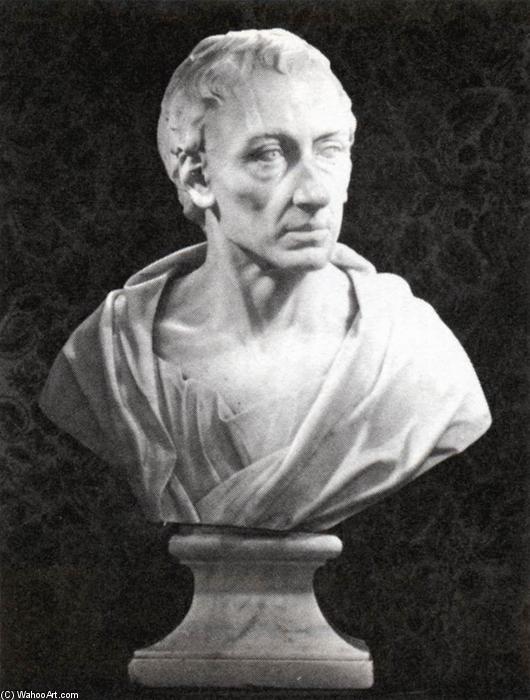
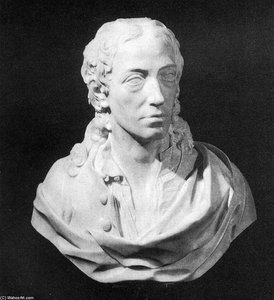
Bust of Alexander Pope


 Читать далее
Приобретите цифровое изображение высокого разрешения в улучшенном качестве, которое значительно превосходит онлайн-превью.
Каждый файл тщательно подготавливается нашими специалистами с использованием передовых инструментов и экспертной ручной ретуши. Мы гарантируем исключительную четкость, точную цветопередачу и детальную проработку каждого изображения.
Финальный файл доставляется по электронной почте в течение 72 часов и оптимизирован для немедленного использования в профессиональной среде, при верстке и печати. Это тот же уровень качества, которому доверяют ведущие дизайнерские студии, издательства и галереи.
Цифровое изображение
Скачайте файл высокого разрешения для личного использования, печати и творческих проектов. ( Перейти к печати Купить картину ручной работы)
Включено в каждый заказ цифровых изображений
Гарантия экспертной цифровой доставки
Выбирая ArtsDot.com, вы получаете не просто изображение — вы приобретаете профессионально обработанное цифровое произведение искусства, созданное с безупречной точностью и под защитой гарантии качества. Вот всё, что автоматически входит в ваш заказ:

Мгновенная доставка по e-mail
Ваш цифровой файл в высоком разрешении будет отправлен вам по электронной почте в течение 72 часов после оформления заказа — и сразу станет доступен для использования.

Цифровой файл с ИИ-улучшением
Ваше произведение искусства проходит профессиональную оптимизацию с использованием передовых инструментов ИИ и ручной обработки, что гарантирует максимальную детализацию, четкость и точность цветопередачи.

Бессрочная бесплатная повторная доставка
Случайно удалили или потеряли файл? Не беспокойтесь — мы отправим его вам повторно в любое время и совершенно бесплатно.

Без импортных пошлин — навсегда
Наслаждайтесь вашим произведением искусства мгновенно без таможенных пошлин, сборов или затрат на доставку — цифровые загрузки всегда не облагаются налогом.

Гарантия точности цветопередачи
Мы гарантируем, что ваше цифровое изображение максимально точно передает оригинальные цвета благодаря использованию профессиональных инструментов и систем управления цветом.

Гарантия удовлетворенности 100 дней
Если вы не будете удовлетворены своим цифровым изображением, мы внесем правки или вернем 100% стоимости в течение 100 дней — без лишних вопросов.

100% Гарантия возврата средств
Не удовлетворены покупкой? Получите полный возврат средств в течение 100 дней после получения цифрового файла — без лишних вопросов.

Скидки на оптовые заказы
Купите 3 изображения, сэкономьте 10% — Купите 5, сэкономьте 15% — Купите 10+, сэкономьте 20%. Отличное решение для творческих проектов, галерей и агентств.
A Vision in Marble: The Intellectual Majesty of Roubiliac’s Alexander Pope
In the quiet, commanding presence of Louis-François Roubiliac’s 1734 marble bust of Alexander Pope, one encounters more than a mere likeness; one meets the very soul of the English Enlightenment. To gaze upon this masterpiece is to witness a profound moment in art history where the dramatic energy of the Baroque began to refine itself into the poised elegance of Neoclassicism. Roubiliac, a sculptor of unparalleled virtuosity, did not simply carve stone; he distilled the intellectual prowess and satiric wit of England's most celebrated poet into a singular, enduring form. The bust serves as a monumental testament to poetic idealism, capturing a man whose words shaped an era, rendered with a precision that breathes life into the cold Carrara marble.
The artistry behind this work lies in Roubiliac’s masterful command of texture and light. Through a sophisticated use of contrapposto, the sculptor subtly shifts the weight of the subject, imbuing the heavy stone with an illusion of organic movement and lifelike vitality. The play of light across the polished surfaces creates a dramatic interplay of shadow, accentuating the deep, rhythmic folds of the drapery and the sharp, thoughtful contours of Pope’s features. Every chisel mark serves a purpose, from the smooth, luminous skin of the forehead to the intricate, tactile details of the classical attire, inviting the viewer to contemplate the intersection of human vulnerability and monumental greatness.
Historical Resonance and the Spirit of an Age
Emerging during a period of significant cultural transition, this sculpture stands at the crossroads of artistic revolutions. As the exuberant, often overwhelming flourishes of the Rococo style began to yield to a more disciplined aesthetic, Roubiliac utilized his training—rooted in the dynamic traditions of Bernini—to forge a new path. This bust was born from a desire to honor the humanist values of the 18th century, reflecting the era's preoccupation with reason, virtue, and the revival of classical antiquity. In capturing Pope, Roubiliac was not just documenting a contemporary figure but was participating in the creation of a modern icon, elevating the poet to the status of the ancient philosophers he so often invoked in his verse.
For the discerning collector or the designer of sophisticated interiors, this work offers an unparalleled sense of gravitas and timelessness. The monochromatic elegance of the marble, paired with its profound historical weight, makes it a centerpiece capable of anchoring a room with intellectual depth. Whether placed in a sunlit library or a formal gallery, the bust evokes a sense of reverence and scholarly contemplation. It is an invitation to slow down, to engage with the echoes of history, and to surround oneself with the enduring beauty of a period that sought to find perfection in both form and thought.
Похожие произведения
Биография художника
A Sculptor Bridging Baroque Grandeur and Rococo Intimacy
Louis-François Roubiliac, a name perhaps less instantly recognizable than those of his sculptural predecessors like Bernini, nevertheless occupies a pivotal position in the history of 18th-century sculpture. Born in Lyon, France, in 1702, Roubiliac’s artistic journey led him from the workshops of Dresden and Paris to ultimately flourish as one of the most celebrated sculptors ever to work in England. His story is one of ambition, skillful adaptation, and a remarkable ability to capture not just likeness but also the very essence of his sitters – an achievement that cemented his legacy during a period of significant artistic transition. Early training under Balthasar Permoser in Dresden proved foundational, exposing him to the dramatic flair of Baroque sculpture, deeply influenced by Bernini himself. This initial immersion was further refined through studies with Nicolas Coustou in Paris, honing his classical techniques and preparing him for the challenges that lay ahead. A disappointment in the Prix de Rome competition spurred a bold move: in 1735, Roubiliac set course for London, seeking new opportunities and a stage upon which to demonstrate his burgeoning talent.Establishing a Reputation in Georgian England
London proved fertile ground for an artist of Roubiliac’s caliber. He quickly established himself as a master portrait sculptor, skillfully navigating the patronage networks of the era. Introductions from figures like Edward Walpole were instrumental in securing early commissions and integrating him into London's artistic circles. However, it was the commission for a seated figure of George Frideric Handel in 1738 that truly catapulted Roubiliac to prominence. Displayed at Vauxhall Gardens, this sculpture wasn’t merely a representation; it was an *interpretation*. Handel is depicted playing an ancient lyre, attended by a putto – a masterful blend of realism and allegorical symbolism that captivated audiences. The work resonated deeply with the public, solidifying Roubiliac's reputation and establishing him as a sculptor capable of both technical brilliance and profound artistic expression. This success led to his founding membership in the St Martin’s Lane Academy, a crucial step in formalizing the burgeoning British art scene and providing a platform for artists to collaborate and refine their craft.Monuments and Masterful Portraiture
Roubiliac's oeuvre is characterized by two primary focuses: portrait busts and monumental sculptures. His busts are remarkable for their lifelike quality, capturing the individual personalities and social standing of his subjects with astonishing accuracy. He immortalized prominent figures such as Isaac Newton – a bust housed in Trinity College Chapel, Cambridge, that conveys the intellectual weight of the renowned scientist – Martin Folkes, Robert Raymond, Daniel Lock, Robert Bruce Cotton, and John Belchier. These weren’t simply representations; they were psychological portraits rendered in marble, revealing subtle nuances of character and intellect. Beyond portraiture, Roubiliac excelled at large-scale monumental works, most notably those within Westminster Abbey. The monuments dedicated to the Duke of Argyll, Sir Peter Warren, and Marshal Wade are testaments to his dramatic compositional skills and emotional intensity. These weren’t static memorials; they were dynamic narratives carved in stone, evoking a sense of loss, heroism, and remembrance.Style, Influences, and Lasting Legacy
Roubiliac's style is generally classified as Rococo, yet it possesses a distinctive character that sets him apart from his contemporaries. While embracing the elegance and ornamentation associated with the Rococo aesthetic, he infused his work with a remarkable emphasis on realism and emotional expression. His early influences – Permoser’s Baroque dynamism and Coustou's classical precision – were skillfully synthesized into a unique artistic voice. Later in life, a brief stint as a modeller at the Chelsea porcelain factory demonstrated his versatility and willingness to explore different mediums. Towards the end of his career, he undertook tours of Italy, perhaps seeking inspiration or revisiting the roots of sculptural tradition. Roubiliac died in London in 1762, leaving behind a substantial body of work that continues to inspire awe and admiration. His historical significance lies not only in his artistic achievements but also in his role as a pivotal figure in popularizing Rococo sculpture in England and establishing a high standard for portraiture and monumental art during the 18th century. He is rightly considered one of the most accomplished sculptors ever to work on British soil, an artist whose influence can still be detected in the works of later generations. His ability to breathe life into stone, to capture not just form but also feeling, ensures his enduring place in the pantheon of great sculptors.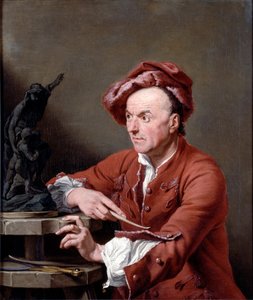
Louis-François Roubiliac
1695 - 1762 , France
Основные сведения
- Artistic Movement Or Style: Rococo
- Artists Or Movements Influenced By This Artist: ['Later British sculptors']
- Artists Who Influenced This Artist:
- Balthasar Permoser
- Nicolas Coustou
- Date Of Birth: 1702
- Date Of Death: 1762
- Full Name: Louis-François Roubiliac
- Nationality: French
- Notable Artworks:
- Handel statue
- Argyll monument
- Newton bust
- Raymond bust
- Folkes bust
- Place Of Birth: Lyon, France