

 Предпросмотр
 Поделиться
 Поделиться
 Детали произведения

 Скачать
 Похожие работы
 Рентгенография
 Слайд-шоу
 Статистика
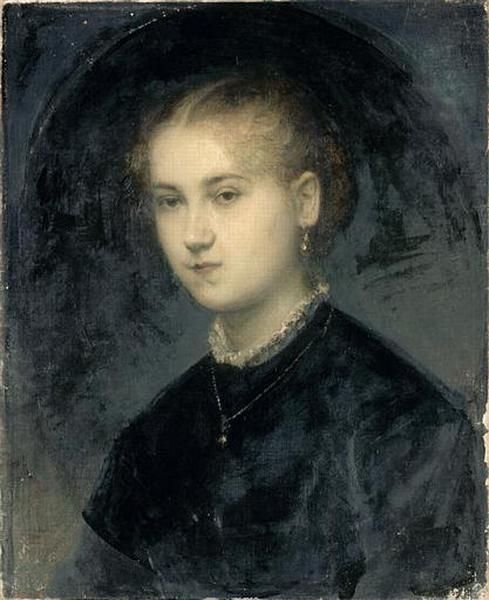
MARIA CLARA JEANBERNAT

 Читать далее
Жикле / Арт-принт
Печать (жикле) или холст музейного качества с быстрыми сроками изготовления и широким выбором вариантов отделки. ( Купить картину ручной работы Перейти к цифровым изображениям)




































Выберите один из наших стандартных размеров, соответствующих оригинальным пропорциям произведения искусства.

Вы можете указать свои собственные размеры, чтобы репродукция идеально подошла под конкретную раму или пространство. Если выбранный вами размер не будет соответствовать пропорциям оригинала, мы либо обрежем произведение, либо дополним изображение зеркальным отражением краев или однотонной заливкой. Перед началом производства вам будет отправлен цифровой макет для утверждения.
Пожалуйста, обратите внимание, что предварительный просмотр на экране не отображает фактическую обрезку или расширение изображения. Только макет точно покажет финальную композицию.
Несмотря на возможность заказа индивидуальных размеров, мы рекомендуем выбирать размер из предопределенного списка, чтобы сохранить оригинальные пропорции.
Доставка по всему миру () за 2 недели вместо стандартных 4/5 недель. (13 Сентябрь)

Бесплатная экспресс-доставка по всему миру

Высококачественный льняной холст

Полное страхование доставки

Гарантия возмещения таможенных пошлин

Гарантия точного соответствия цветов

100-дневная политика возврата (только при обнаружении дефектов)

Гарантия возврата 100% средств

Предложение оптовых скидок
 Вариант со стеклом доступен только для размеров менее 110 см

MARIA CLARA JEANBERNAT
Жикле / Арт-принт
Размер репродукции
-


Итоговая стоимость
$ 62
Похожие произведения

Биография художника
Louis Gustave Ricard (1823 – 1873): A Master of Melancholy Realism
Louis-Gustave Ricard (1823 – 1873) was a French painter, primarily known for his portraits that captured the essence of his subjects with remarkable sensitivity and technical prowess. Born in Marseille in 1823, he descended from a wealthy family whose resources allowed him to pursue artistic education diligently—a formative experience underscored by his enrollment at École supérieure d’art et de design Marseille-Méditerranée and subsequent instruction from Pierre Bronzet. Unlike many artists of his time who sought formal training through academies, Ricard honed his craft largely through meticulous copying of Old Masters at the Louvre and Italian galleries, demonstrating an unwavering dedication to mastering artistic tradition. This approach yielded a distinctive style characterized by subdued palettes, atmospheric lighting effects reminiscent of Rembrandt’s chiaroscuro technique, and an uncanny ability to convey psychological depth within his portraits—a hallmark that cemented his place among the leading masters of the modern French school.Early Life and Artistic Formation
Ricard's upbringing instilled in him a profound appreciation for beauty and intellectual curiosity. His father’s profession as a money changer provided financial stability, facilitating Ricard’s access to elite artistic institutions like École nationale supérieure des beaux-arts where he studied under Léon Cogniet—a teacher who championed realism and encouraged students to observe the world with unwavering attention to detail. Cogniet's influence profoundly shaped Ricard’s artistic vision, emphasizing the importance of capturing not merely physical likeness but also inner character. Notably, Ricard eschewed the prestigious Prix de Rome competition, prioritizing independent exploration and stylistic development—a decision that allowed him to forge his own path toward artistic excellence. His formative years were further enriched by a trip to Italy and the Netherlands, exposing him to diverse artistic traditions and broadening his understanding of visual storytelling.Style and Technique: Echoes of Rembrandt
Ricard’s artistic style is undeniably indebted to the legacy of Rembrandt van Rijn—a master whose masterful use of light and shadow captivated Ricard's imagination. Like Rembrandt, Ricard employed a technique known as chiaroscuro, skillfully manipulating tonal variations to create dramatic contrasts that heightened emotional impact and conveyed psychological nuance. This approach extended beyond mere visual representation; it demanded an acute awareness of human anatomy and musculature—skills Ricard cultivated with painstaking precision. Furthermore, he favored muted color palettes and blurred outlines, mirroring Rembrandt’s penchant for atmospheric perspective and conveying a sense of melancholy or dreamy contemplation. These stylistic choices weren't merely aesthetic preferences but deliberate strategies aimed at capturing the elusive essence of his subjects—a testament to Ricard’s artistic intellect and unwavering commitment to mastering the art of portraiture.Notable Works and Recognition
Ricard achieved considerable acclaim during his lifetime, securing prestigious commissions from prominent figures and garnering recognition for his exceptional talent. Among his most celebrated paintings are “Stephen Heller,” a poignant depiction of Alfred de Musset—a portrait imbued with palpable emotion and capturing the artist’s distinctive Parisian Realism; “Mademoiselle Zelewska,” showcasing Ricard's ability to convey subtle psychological complexities; and “The Countess of Desart as a Child,” considered one of his finest achievements, demonstrating his mastery of technique and conveying an atmosphere of profound tenderness. His portraits were exhibited at the Salon of 1850, 1852, 1857, and 1859—events that established him as a leading voice in the French artistic landscape. Despite facing repeated rejection from the Légion d’honneur, Ricard remained steadfast in his pursuit of artistic perfection, dedicating himself to replicating the grandeur and emotional depth of Old Master paintings.Legacy and Influence
Though largely forgotten by the public after his death in 1873, Louis Gustave Ricard's influence endured—primarily through the enduring quality of his portraits and their continued presence in museums like Musée national Gustave Moreau and Saint Louis Art Museum. His meticulous technique and profound understanding of human psychology established him as a pivotal figure in French Symbolism and cemented his reputation as one of the foremost portrait artists of his era. Ricard’s unwavering devotion to artistic tradition—particularly Rembrandt’s chiaroscuro—continues to inspire contemporary painters, ensuring that his legacy persists as an exemplar of stylistic integrity and emotional resonance. His work serves as a poignant reminder of the transformative power of observation and the enduring beauty of melancholic realism.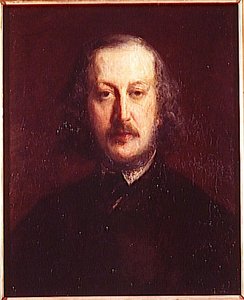
louis-gustave ricard
1823 - 1873
Основные сведения
- Artistic Movement Or Style: Symbolist Art
- Artists Or Movements Influenced By This Artist: ['Gustave Doré']
- Artists Who Influenced This Artist:
- Da Vinci
- Rembrandt
- Date Of Death: 1873
- Full Name: Louis Gustave Ricard
- Nationality: French
- Notable Artworks:
- Martyre de Sainte Catherine
- Stephen Heller
- Mademoiselle Zelewska
- Place Of Birth: Marseille, France
Похожие статьи

Масляная живопись: История, техника и непреходящее наследие
Узнайте все о масляной живописи: история техники, секреты мастеров и современные тенденции. Погрузитесь в мир искусства с экспертами !
Топ-10 шедевров масляной живописи, изменивших искусство навсегда | ArtsDot.com
Погрузитесь в мир великих шедевров масляной живописи! От Леонардо да Винчи до Ван Гога – узнайте истории создания самых известных картин, техники художников и их влияние на искусство. Репродукции музейного качества на ArtsDot.com. Explore the full collection online!

The Enduring Legacy of Oil on Canvas: Technique, History & Aesthetic Impact
Explore the rich history & techniques of oil painting – from Renaissance masters to Impressionism. Discover pigments, layering methods, and why this timeless medium endures. Expert insights for artists & art enthusiasts.

Oil on Canvas: A Historical & Technical Exploration of a Timeless Artistic Medium
Explore the rich history & enduring techniques of oil painting on canvas. Discover the science behind its longevity, conservation practices, and contemporary relevance. Expert insights for art enthusiasts.

Romantic Realism's Finest: 10 Masterpieces for Your Home | ArtsDot
Explore 10 defining masterpieces of Romantic Realism! Discover Courbet, Millet & Daumier's powerful paintings—capturing emotion and social realities. Find museum-quality reproductions for your home at ArtsDot.com.