

 Предпросмотр
 Поделиться
 Поделиться
 Детали произведения

 Скачать
 Похожие работы
 Рентгенография
 Слайд-шоу
 Статистика
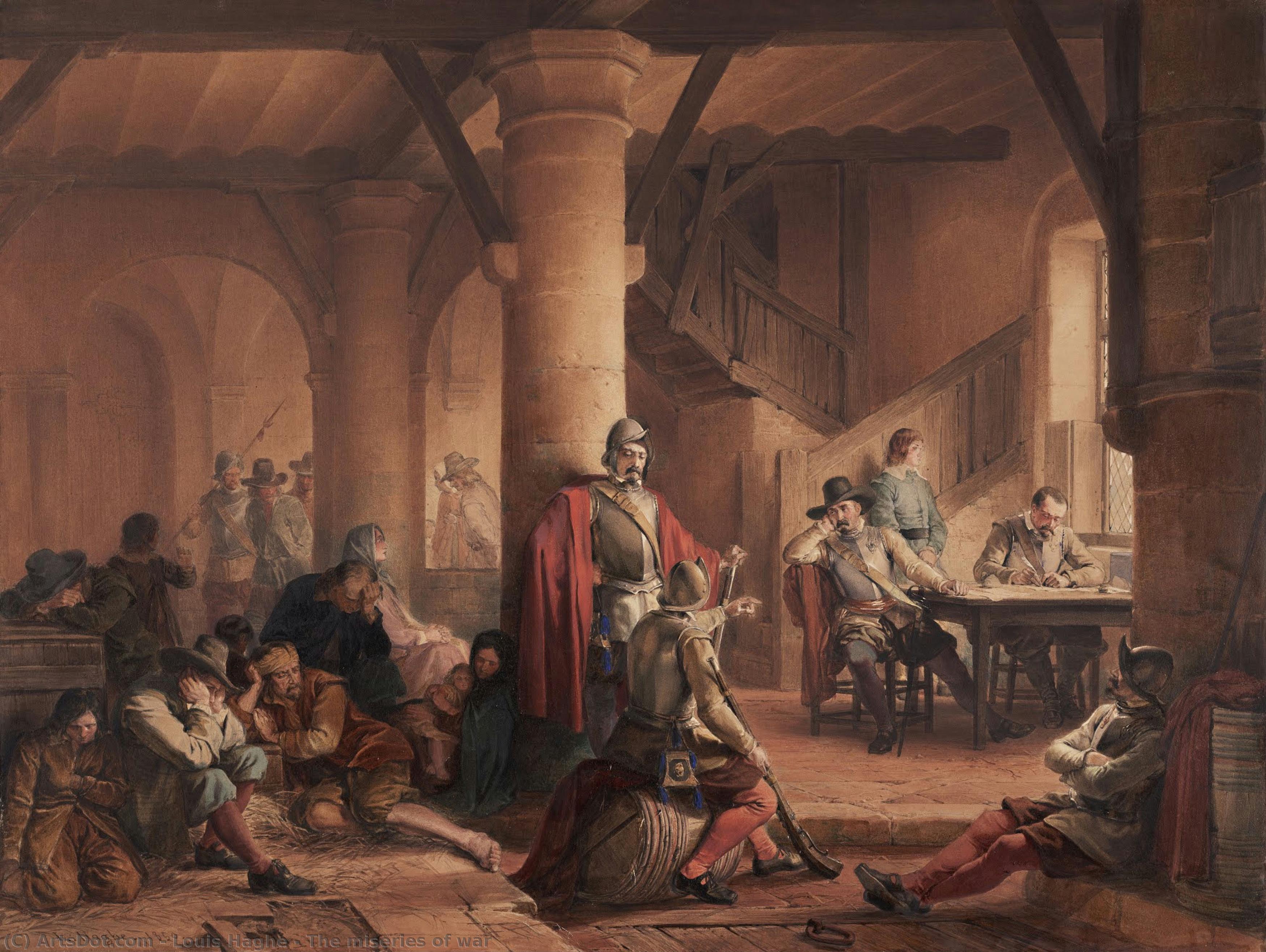
The miseries of war
 Watercolor
- WallArt
- Victorian Art
 1850
1850- 19th Century
 95.0 x 116.0 cm
 Галерея Нового Южного Уэльса
 Читать далее
Масляная репродукция ручной работы
Картина маслом на холсте в выбранном вами размере и раме, написанная на заказ нашими художниками. ( Перейти к печати Перейти к цифровым изображениям)




P118B $10

P118H $10

P118W $10

P438Z $10

P508JH $12

P508YH $12

P805H $10

P805Z $10

P919BZ $10

P919G $10

P919XJ $10

P959ZH $10

P968JZ $12

W106C $8

W218G $10

W218JH $8

W218Y $10

W307PJ $10

W316G $10

W316PJ $8

W316Y $10

W398PJ $8

W4111J $10

W500HY $15

W500JH $15

W692G $12

W849H $8

W940BG $15

W953PJ $8




Выберите один из наших стандартных размеров, соответствующих оригинальным пропорциям произведения искусства.

Вы можете указать собственные размеры, чтобы картина идеально вписалась в выбранную раму или пространство. Если выбранный вами размер не соответствует пропорциям оригинала, мы либо обрежем полотно, либо расширим его за счет дополнительных элементов, написанных вручную. Цифровой макет будет отправлен вам на утверждение перед началом производства.
Обратите внимание, что предварительный просмотр на экране не отражает фактическую обрезку или расширение. Только макет точно покажет окончательную композицию.
Хотя доступны индивидуальные размеры, мы рекомендуем выбирать вариант из предопределенного списка, чтобы сохранить исходные пропорции.
После оформления заказа команда ArtsDot.com свяжется с клиентом по электронной почте для уточнения деталей и предоставит предварительный макет
Доставка по всему миру () за 3–4 недели вместо стандартных 5 недель. (12 Сентябрь). Без компромиссов в качестве.

Бесплатная экспресс-доставка по всему миру

Высококачественный льняной холст

Полное страхование доставки

Гарантия возмещения таможенных пошлин

Гарантия точного соответствия цветов

100-дневная политика возврата (только при обнаружении дефектов)

Гарантия возврата 100% средств

Предложение оптовых скидок
 Вариант со стеклом доступен только для размеров менее 110 см

The miseries of war
Техника репродукции
Размер репродукции
-


Итоговая стоимость
$ 263
A Glimpse into Turmoil: The Miseries of War
Louis Haghe’s evocative watercolor, "The Miseries of War," transports us to a moment suspended between domestic routine and the looming shadow of conflict. This piece is not merely a depiction of people gathered around a table; it is a profound meditation on the fragility of civilization when confronted by the relentless machinery of warfare. The scene, set within what appears to be an intimate room in the Southern Netherlands during the tumultuous 17th century, captures a gathering—men conversing, observing, and existing together—all under the weight of historical dread. Haghe masterfully frames this social interaction against the backdrop of almost continual siege and strife, suggesting that even amidst conversation and companionship, the specter of violence lingers.
Technique and Atmosphere: The Watercolor Whisper
The choice of watercolor medium lends an ethereal quality to the composition, allowing Haghe’s hand to breathe life into every fold of drapery and every nuanced expression. While the subject matter is weighty—the suffering inherent in prolonged conflict—the technique itself remains delicate. One can almost hear the hushed tones of conversation echoing off the walls, punctuated only by the steady tick of the clock visible on the wall. The inclusion of everyday details, such as the casually placed dog near a seated figure, grounds the scene in palpable reality. These small touches prevent the narrative from becoming purely academic; instead, they invite the viewer into the very moment, making the emotional resonance immediate and deeply personal.
Historical Echoes and Symbolism
Haghe’s connection to the volatile political landscape of his time is undeniable here. The painting speaks directly to the era when Flemish towns were frequently caught in the crossfire between foreign armies fighting the Spanish crown. By setting this scene, Haghe elevates a specific historical moment into a universal allegory. The gathering itself becomes symbolic: it represents humanity’s innate need for community and discourse—the desire to simply live—even when history suggests otherwise. It prompts us to consider what sustains the spirit when external structures of safety crumble.
Bringing History Home: Decorating with Narrative Depth
For collectors and interior designers, this piece offers far more than mere decoration; it provides a focal point steeped in narrative depth. Reproducing "The Miseries of War" allows one to infuse a space with intellectual gravity and romantic melancholy. Imagine this watercolor displayed where natural light can catch the subtle washes of color, allowing the viewer to pause and contemplate the contrast between the quiet domesticity depicted and the violent history alluded to. It is an artwork that encourages conversation, prompting questions about resilience, memory, and the enduring power of human connection against overwhelming odds.
Похожие произведения

Биография художника
Louis Haghe: Pioneer of Victorian Colour Lithography
Louis Haghe (1806-1885) stands as a pivotal figure in the history of nineteenth-century art, particularly renowned for his groundbreaking contributions to lithography and watercolour painting. Born in Tournai, Belgium—a city steeped in architectural heritage—his artistic journey began amidst the burgeoning fascination with scientific illustration and captivated by the transformative potential of new printing techniques. Trained initially in watercolour under Jan de Jonghe and Chevalier de la Barrière, Haghe swiftly embraced lithography when the first press arrived in his hometown, marking him as one of the earliest adopters of this revolutionary medium.- Early Life & Training: Haghe’s formative years were shaped by his family's architectural lineage—a legacy that instilled within him a profound appreciation for detail and precision. His formal watercolour training honed his observational skills, preparing him for the challenges of capturing complex visual narratives.
- London Calling: Recognizing the opportunities presented by London’s artistic milieu, Haghe emigrated to England in 1823, establishing himself as an assistant lithographer at Day & Haghe—a partnership that would propel him to international acclaim.
The Day & Haghe Partnership: A Triumph of Collaboration
Around 1830, Louis Haghe joined forces with William Day, forming a formidable creative alliance that swiftly ascended to prominence as the foremost Victorian firm specializing in lithographic printing. Their collaborative spirit fostered innovation and propelled them to produce an astonishing array of prints encompassing diverse subjects—hunting scenes, architectural vistas, topographical depictions, and genre narratives—all executed with unparalleled artistry. Notably, they spearheaded the development of chromolithography—a technique that allowed for vibrant colour reproductions—and hand-tinted lithographs—further elevating the aesthetic quality of their output. The appointment of Day & Haghe as ‘Lithographers to the Queen’ in 1838 solidified their position at the apex of artistic achievement, marking a watershed moment in British art history.David Roberts' Holy Land: A Monumental Undertaking
Perhaps Haghe’s most ambitious project was his involvement in David Roberts’ *The Holy Land, Syria, Idumea, Arabia, Egypt & Nubia*, a monumental undertaking comprising 250 lithographs meticulously crafted to document the landscapes and architectural grandeur of the Middle East. Roberts himself lauded Haghe's skill and artistry—though John Ruskin famously criticized the project as “forced”—underscoring the difficulty in capturing the essence of a complex cultural environment through printmaking alone. The sheer scale of this endeavour demonstrated Haghe’s dedication to artistic excellence and cemented his reputation as a master of topographical illustration.Watercolor Landscapes: Capturing Northern European Beauty
Following Roberts' departure from the firm in 1845, Haghe redirected his energies towards watercolour painting—a medium he had cultivated since his youth—achieving considerable success and establishing himself as a celebrated interpreter of northern European scenery. His watercolors—characterized by meticulous detail and luminous tonal palettes—became sought-after acquisitions for museums like the Victoria and Albert Museum, reflecting his enduring fascination with capturing the sublime qualities of nature. He served as president of the New Society of Painters in Watercolours from 1873 to 1884, furthering his influence within the artistic community.Legacy & Recognition
Louis Haghe’s artistic legacy extends beyond his prolific output—spanning over two centuries—and continues to inspire admiration for his technical virtuosity and aesthetic sensibility. Despite overcoming significant physical challenges stemming from a congenital deformity in his right hand, he persevered in his pursuit of artistic excellence, leaving behind an indelible mark on the history of Victorian art and establishing himself as one of the most influential lithographers and watercolorists of his era. His brother Charles Haghe continued his work at Day & Haghe after Louis’s departure, ensuring that Haghe's artistic vision endured into the late nineteenth century.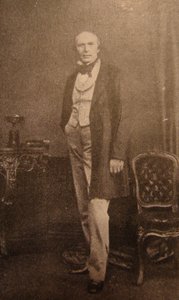
Louis Haghe
1806 - 1885 , Belgium
Основные сведения
- Artistic Movement Or Style: Victorian Lithography
- Artists Or Movements Influenced By This Artist: ['David Roberts']
- Artists Who Influenced This Artist:
- Jan de Jonghe
- Chevalier de la Barrière
- Date Of Birth: 17 March 1806
- Date Of Death: 9 March 1885
- Full Name: Louis Haghe
- Nationality: Dutch
- Notable Artworks:
- The Duke Of Wellington's Funeral Car Passing
- Interior Of St. Peter’s
- The Cardinal’s Blessing
- Place Of Birth: Tournai, Belgium
Похожие статьи

Ephemeral Visions: Exploring the History & Emotional Resonance of Watercolor Painting
Explore the captivating history of watercolor painting, from ancient techniques to modern masters like Kandinsky & Blake. Discover essential artists, collecting tips & the emotional power of this luminous medium. Expert insights for art enthusiasts.
Акварель: История, Техники и Современная Практика
Узнайте историю акварели от древности до современности, познакомьтесь с техниками и секретами мастеров. Пошаговое руководство для начинающих и вдохновение для опытных художников.

Ephemeral Visions: Exploring the Artistic Legacy & Nuances of Watercolor Painting
Explore the captivating world of watercolor painting! Discover its rich history, essential techniques, influential artists & collecting tips from art experts. A comprehensive guide for enthusiasts.

Ephemeral Visions: Exploring the Artistic Legacy & Contemporary Practice of Watercolor Painting
Explore the captivating world of watercolor painting! Discover its rich history, essential techniques, influential artists & collecting tips. A comprehensive guide for art enthusiasts from ArtsDot.

Топ-10 легендарных акварелей, изменивших искусство навсегда | ArtsDot
Погрузитесь в мир акварели! Откройте топ-10 легендарных картин Turner, Monet и других великих художников. История искусства, техники живописи и вдохновение для вашего интерьера. Репродукции музейного качества на ArtsDot.com.