

 Предпросмотр
 Поделиться
 Поделиться
 Детали произведения

 Скачать
 Похожие работы
 Рентгенография
 Слайд-шоу
 Статистика
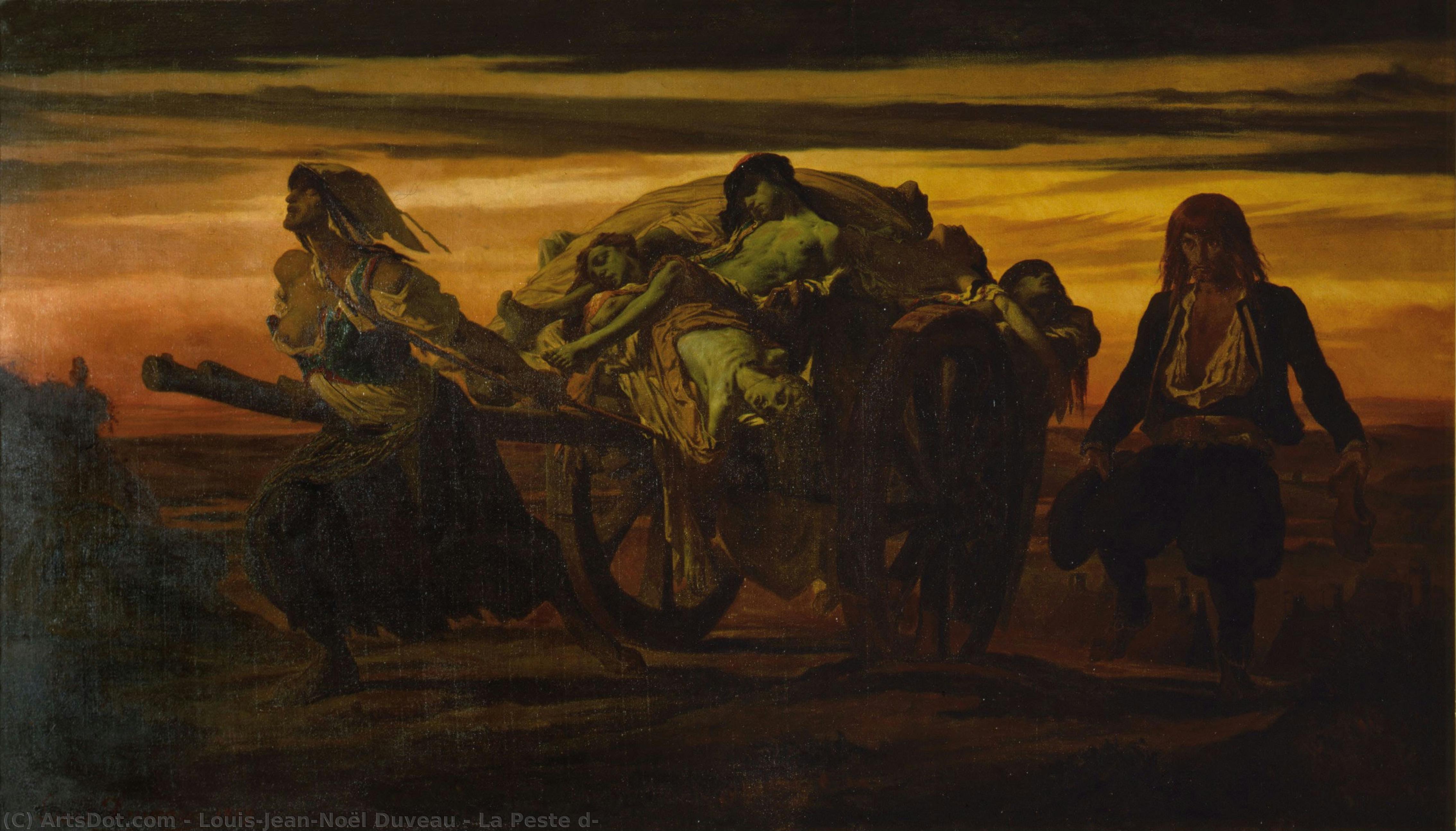
La Peste d


 Читать далее
Приобретите цифровое изображение высокого разрешения в улучшенном качестве, которое значительно превосходит онлайн-превью.
Каждый файл тщательно подготавливается нашими специалистами с использованием передовых инструментов и экспертной ручной ретуши. Мы гарантируем исключительную четкость, точную цветопередачу и детальную проработку каждого изображения.
Финальный файл доставляется по электронной почте в течение 72 часов и оптимизирован для немедленного использования в профессиональной среде, при верстке и печати. Это тот же уровень качества, которому доверяют ведущие дизайнерские студии, издательства и галереи.
Цифровое изображение
Скачайте файл высокого разрешения для личного использования, печати и творческих проектов. ( Перейти к печати Купить картину ручной работы)
Включено в каждый заказ цифровых изображений
Гарантия экспертной цифровой доставки
Выбирая ArtsDot.com, вы получаете не просто изображение — вы приобретаете профессионально обработанное цифровое произведение искусства, созданное с безупречной точностью и под защитой гарантии качества. Вот всё, что автоматически входит в ваш заказ:

Мгновенная доставка по e-mail
Ваш цифровой файл в высоком разрешении будет отправлен вам по электронной почте в течение 72 часов после оформления заказа — и сразу станет доступен для использования.

Цифровой файл с ИИ-улучшением
Ваше произведение искусства проходит профессиональную оптимизацию с использованием передовых инструментов ИИ и ручной обработки, что гарантирует максимальную детализацию, четкость и точность цветопередачи.

Бессрочная бесплатная повторная доставка
Случайно удалили или потеряли файл? Не беспокойтесь — мы отправим его вам повторно в любое время и совершенно бесплатно.

Без импортных пошлин — навсегда
Наслаждайтесь вашим произведением искусства мгновенно без таможенных пошлин, сборов или затрат на доставку — цифровые загрузки всегда не облагаются налогом.

Гарантия точности цветопередачи
Мы гарантируем, что ваше цифровое изображение максимально точно передает оригинальные цвета благодаря использованию профессиональных инструментов и систем управления цветом.

Гарантия удовлетворенности 100 дней
Если вы не будете удовлетворены своим цифровым изображением, мы внесем правки или вернем 100% стоимости в течение 100 дней — без лишних вопросов.

100% Гарантия возврата средств
Не удовлетворены покупкой? Получите полный возврат средств в течение 100 дней после получения цифрового файла — без лишних вопросов.

Скидки на оптовые заказы
Купите 3 изображения, сэкономьте 10% — Купите 5, сэкономьте 15% — Купите 10+, сэкономьте 20%. Отличное решение для творческих проектов, галерей и агентств.
Похожие произведения








Биография художника
Thomas Prichard Rossiter: Bridging Romanticism and American Identity
Born in New Haven, Connecticut, in 1818, Thomas Prichard Rossiter’s artistic journey was one of constant evolution, marked by a deep engagement with both European artistic traditions and the burgeoning landscape painting scene within America. Initially trained as an engraver's assistant, his talent for capturing light and form quickly led him to pursue oil painting, ultimately establishing himself as a significant figure in the mid-19th century art world. Rossiter’s career unfolded against the backdrop of the Hudson River School, a movement characterized by its celebration of American landscapes and their connection to national identity – a theme that profoundly shaped his artistic output.
Early influences were rooted in European academic training. He began his formal studies at Hopkins School, followed by instruction from John Boyd and Nathaniel Jocelyn, both established artists with connections to the Philadelphia art scene. A pivotal moment arrived in 1838 when he traveled to Europe, a journey that profoundly impacted his artistic sensibilities. Spending six years in Rome, Rossiter immersed himself in the works of masters like Raphael and Michelangelo, absorbing their techniques and compositional strategies. This exposure to classical ideals informed his later work, particularly in his historical paintings, where he sought to emulate the grandeur and narrative power of the Renaissance.
- Early Works & Portraiture: Rossiter’s early career was largely devoted to portraiture, a demanding genre that required meticulous observation and an understanding of human psychology. His portraits often displayed a refined elegance and captured subtle nuances of personality.
- The Influence of the Hudson River School: As he returned to America in 1846, Rossiter found himself increasingly drawn to the ideals of the Hudson River School. This movement, which emphasized the beauty and spiritual significance of American landscapes, offered a new framework for his artistic practice.
Rossiter’s shift towards landscape painting was marked by a deliberate effort to integrate historical themes into his compositions. He began producing large-scale works depicting pivotal moments in American history – Washington and Lafayette at Mount Vernon, Washington and His First Cabinet, and George Washington and Family. These paintings were not merely illustrations of historical events; they were carefully constructed narratives designed to evoke a sense of national pride and celebrate the founding principles of the United States. His research for these works involved extensive travel and meticulous study, culminating in his visit to Mount Vernon in 1858, where he documented the deteriorating state of Washington’s estate and passionately advocated for its restoration.
Technique and Style: A Synthesis of European and American Traditions
Rossiter's artistic style represents a fascinating synthesis of European academic training and the evolving aesthetic sensibilities of the Hudson River School. His early portraits demonstrate a mastery of traditional techniques – careful rendering, precise detail, and a sophisticated understanding of light and shadow. However, his later landscape paintings reveal a growing interest in capturing atmospheric effects and conveying a sense of mood and emotion. He employed a loose, expressive brushstroke, reminiscent of the Romantic painters he admired, while maintaining a commitment to realistic representation.
- Color Palette: Rossiter favored a rich, warm color palette, utilizing earth tones, greens, and blues to evoke the natural beauty of the American landscape.
- Compositional Structure: His compositions often featured dramatic diagonals and carefully arranged elements to create a sense of depth and perspective.
- Light and Atmosphere: He skillfully manipulated light and shadow to convey mood and atmosphere, capturing the subtle shifts in color and tone that characterize natural landscapes.
Rossiter’s work is characterized by a quiet dignity and an understated elegance. While he embraced the grand narratives of American history, his paintings never succumbed to bombast or sentimentality. Instead, they offered a nuanced and thoughtful reflection on the relationship between humanity and nature – a theme that resonated deeply with the spirit of the Hudson River School.
Later Years and Legacy
In 1857, Rossiter married Mary (Mollie) Sterling and moved to Cold Spring, New York, where he established a home on the banks of the Hudson River. He continued to paint prolifically throughout his later years, producing a series of landscapes that are considered among the finest examples of American landscape painting in the mid-19th century. He also briefly operated an art gallery in New York City, showcasing his own work and the works of his colleagues.
Thomas Prichard Rossiter died in Cold Spring in 1871, leaving behind a significant body of work that reflects both European artistic influences and the unique spirit of American landscape painting. His paintings are now housed in major museums across the United States, including the Smithsonian American Art Museum and the Metropolitan Museum of Art, where they continue to inspire admiration for their beauty, skill, and historical significance. Rossiter’s legacy lies not only in his individual artistic achievements but also in his role as a key figure in the development of American landscape painting – a genre that would profoundly shape the nation's visual culture.
Historical Context: The Rise of American Identity
Rossiter’s career unfolded during a period of profound transformation in American history. Following the Civil War, there was a growing sense of national identity and a desire to celebrate the country’s heritage. The Hudson River School emerged as a powerful force in this movement, producing paintings that glorified the American landscape and its connection to national values. Rossiter's work reflects this broader cultural context, contributing to the ongoing dialogue about what it meant to be an American – a conversation that continues to resonate today.
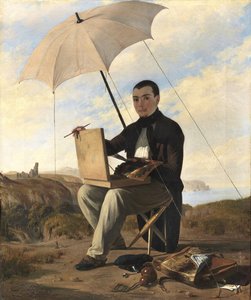
louis-jean-noël duveau
1818 - 1867 , France
Основные сведения
- Artistic Movement Or Style: Hudson River School
- Artists Or Movements Influenced By This Artist: ['Thomas Cole']
- Artists Who Influenced This Artist:
- John Boyd
- Nathaniel Jocelyn
- Date Of Birth: 1818 New Haven, CT
- Date Of Death: 1871 Cold Spring, NY
- Full Name: Thomas Prichard Rossiter
- Nationality: American
- Notable Artworks:
- Washington and Lafayette
- Washington's Cabinet
- Mount Vernon Portrait
- Place Of Birth: New Haven, Connecticut