


 Предпросмотр
 Поделиться
 Поделиться
 Детали произведения

 Скачать
 Похожие работы
 Рентгенография
 Слайд-шоу
 Статистика
Sulpice d


 Читать далее
Жикле / Арт-принт
Печать (жикле) или холст музейного качества с быстрыми сроками изготовления и широким выбором вариантов отделки. ( Купить картину ручной работы Перейти к цифровым изображениям)




































Выберите один из наших стандартных размеров, соответствующих оригинальным пропорциям произведения искусства.

Вы можете указать свои собственные размеры, чтобы репродукция идеально подошла под конкретную раму или пространство. Если выбранный вами размер не будет соответствовать пропорциям оригинала, мы либо обрежем произведение, либо дополним изображение зеркальным отражением краев или однотонной заливкой. Перед началом производства вам будет отправлен цифровой макет для утверждения.
Пожалуйста, обратите внимание, что предварительный просмотр на экране не отображает фактическую обрезку или расширение изображения. Только макет точно покажет финальную композицию.
Несмотря на возможность заказа индивидуальных размеров, мы рекомендуем выбирать размер из предопределенного списка, чтобы сохранить оригинальные пропорции.
Доставка по всему миру () за 2 недели вместо стандартных 4/5 недель. (14 Сентябрь)

Бесплатная экспресс-доставка по всему миру

Высококачественный льняной холст

Полное страхование доставки

Гарантия возмещения таможенных пошлин

Гарантия точного соответствия цветов

100-дневная политика возврата (только при обнаружении дефектов)

Гарантия возврата 100% средств

Предложение оптовых скидок
 Вариант со стеклом доступен только для размеров менее 110 см

Sulpice d
Жикле / Арт-принт
Размер репродукции
-


Итоговая стоимость
$ 62
Похожие произведения

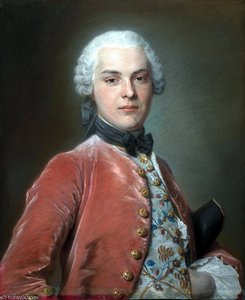
Биография художника
A Symphony of Line and Light: The Collaborative Legacy of Louis Le Coeur and Claude-Louis Desrais
In the twilight of the eighteenth century, the French art scene was a theater of profound transformation, caught between the whimsical decadence of the Rococo and the disciplined grandeur of Neoclassicism. At the heart of this stylistic metamorphosis stood two figures whose names became inextricably linked through their shared mastery of form: Louis Le Coeur and Claude-Louis Desrais. Though biographical fragments of their lives remain as elusive as a shadow in a moonlit garden, their collective presence in the annals of art history is undeniable. Operating within the vibrant, often turbulent landscape of late eighteenth-century France, this duo navigated the shifting tides of royal patronage and revolutionary change, leaving behind a body of work that captured the very essence of an era in transition.
The foundation of their artistic brilliance was laid within the hallowed halls of the Académie Royale de dessin. Here, both Le Coeur and Desrais underwent rigorous academic training, absorbing the classical principles that would serve as the bedrock of their creative identities. Under the watchful eye and expert tutelage of Francesco Casanova, they learned to translate the monumental ideals of masters like Michelangelo Buonarroti into a more intimate, decorative language. This early immersion in classical anatomy and composition allowed them to approach the canvas with a profound understanding of structure, even as they embraced the more fluid and ornamental tendencies of their time.
From Rococo Elegance to Neoclassical Order
The early period of their collaborative output is characterized by a breathtaking command of the Rococo aesthetic. Their works from this era are a celebration of delicacy and charm, often featuring pastel palettes that seem to glow with an inner light. In pieces such as their exquisite etchings of eighteenth-century gentlemen, one can observe a meticulous attention to detail—the intricate patterns of lace, the soft folds of silk, and the asymmetrical compositions that define the Rococo spirit. There is a certain je ne sais quoi in their ability to balance ornamentation with elegance, creating scenes that feel both opulent and profoundly refined.
However, as the winds of change swept through France, bringing with them the rise of the Napoleonic era, the duo’s artistic language began to evolve. The playful spontaneity of the Rococo gradually gave way to the more structured and rational principles of Neoclassicism. This was not merely a change in technique, but a reflection of a broader cultural movement toward order, gravity, and monumental scale. Their later works began to embrace more sculptural forms and a sense of heroic grandeur, mirroring the architectural and political ambitions of the age. This transition demonstrates their remarkable versatility as artists, capable of pivoting from the intimate charm of a portrait to the commanding presence of Neoclassical compositions.
A Lasting Impression on French Artistry
Beyond the boundaries of formal portraiture, the duo’s influence extended into the realms of illustration and fashion. Claude-Louis Desrais, in particular, achieved significant renown as an illustrator, contributing to the era's celebrated fashion plates. These works were more than mere documentation; they were artistic triumphs that captured the fleeting trends of French high society with precision and grace. Through these illustrations, the duo helped shape the visual identity of French elegance for generations to come.
The historical significance of Louis Le Coeur and Claude-Louis Desrais lies in their role as bridge-builders between two monumental eras of art history. Their ability to synthesize the decorative allure of the Rococo with the disciplined strength of Neoclassicism makes them essential figures for understanding the evolution of French visual culture. While they may have operated outside the most luminous spotlight of royal court painters, their technical mastery and stylistic adaptability ensured that their artistic voice would resonate long after the era of the Ancien Régime had faded into memory.
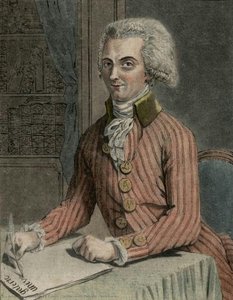
Основные сведения
- Artistic Movement Or Style: Rococo/Neoclassical
- Artists Or Movements Influenced By This Artist: ['Fashion plates']
- Artists Who Influenced This Artist: ['Francesco Casanova']
- Full Name: Louis Le Coeur & Claude-Louis Desrais
- Nationality: French
- Notable Artworks: ['Elegant 18th-century portrait']
- Place Of Birth: France
Похожие статьи
The Intricate World of Etching: A Historical Survey of Technique, Aesthetic Evolution, and Enduring Artistic Impact
Explore the rich history of etching, from its origins to modern practice. Discover techniques, key artists like Rembrandt, and insights for collectors. A comprehensive guide by ArtsDot.
Etching: A Historical Survey of Technique, Aesthetic Qualities & Enduring Artistic Significance
Explore the rich history of etching, from its origins to Rembrandt's masterful innovations. Discover the technique, aesthetic qualities & enduring legacy of this captivating art form. Expert insights for collectors and enthusiasts.
10 Шедевров Неоклассицизма: Искусство, Определившее Эпоху | ArtsDot
Погрузитесь в мир неоклассицизма! 10 шедевров от Давида, Канновы и других великих художников. Узнайте историю создания культовых картин и вдохновитесь для интерьера. Репродукции музейного качества на ArtsDot.com
10 шедевров гравюры, изменивших искусство навсегда | ArtsDot
Откройте для себя 10 легендарных шедевров гравюры от Дюрера, Гойи и Рембрандта! Узнайте историю создания этих культовых работ и их влияние на искусство. Репродукции высокого качества для вашего интерьера – ArtsDot.
10 легендарных офортов, изменивших искусство навсегда | ArtsDot
Откройте для себя 10 легендарных офортов Дюрера, Рембрандта и Гойи! Узнайте историю создания шедевров графики и вдохновитесь искусством. Репродукции картин премиум-качества на ArtsDot.com – для вашего интерьера.