 Предпросмотр
 Поделиться
 Поделиться
 Детали произведения

 Скачать
 Похожие работы
 Рентгенография
 Слайд-шоу
 Статистика
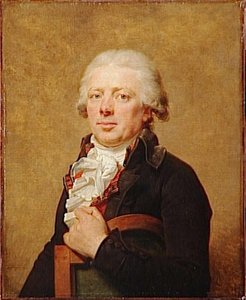
MONSIEUR HUBERT


 Читать далее
Жикле / Арт-принт
Печать (жикле) или холст музейного качества с быстрыми сроками изготовления и широким выбором вариантов отделки. ( Купить картину ручной работы Перейти к цифровым изображениям)




P118B $10

P118H $10

P118W $10

P438Z $10

P508JH $12

P508YH $12

P805H $10

P805Z $10

P919BZ $10

P919G $10

P919XJ $10

P959ZH $10

P968JZ $12

W106C $8

W218G $10

W218JH $8

W218Y $10

W307PJ $10

W316G $10

W316PJ $8

W316Y $10

W398PJ $8

W4111J $10

W500HY $15

W500JH $15

W692G $12

W849H $8

W940BG $15

W953PJ $8




Выберите один из наших стандартных размеров, соответствующих оригинальным пропорциям произведения искусства.

Вы можете указать свои собственные размеры, чтобы репродукция идеально подошла под конкретную раму или пространство. Если выбранный вами размер не будет соответствовать пропорциям оригинала, мы либо обрежем произведение, либо дополним изображение зеркальным отражением краев или однотонной заливкой. Перед началом производства вам будет отправлен цифровой макет для утверждения.
Пожалуйста, обратите внимание, что предварительный просмотр на экране не отображает фактическую обрезку или расширение изображения. Только макет точно покажет финальную композицию.
Несмотря на возможность заказа индивидуальных размеров, мы рекомендуем выбирать размер из предопределенного списка, чтобы сохранить оригинальные пропорции.
Доставка по всему миру () за 2 недели вместо стандартных 4/5 недель. (10 Сентябрь)

Бесплатная экспресс-доставка по всему миру

Высококачественный льняной холст

Полное страхование доставки

Гарантия возмещения таможенных пошлин

Гарантия точного соответствия цветов

100-дневная политика возврата (только при обнаружении дефектов)

Гарантия возврата 100% средств

Предложение оптовых скидок
 Вариант со стеклом доступен только для размеров менее 110 см

MONSIEUR HUBERT
Жикле / Арт-принт
Размер репродукции
-


Итоговая стоимость
$ 62
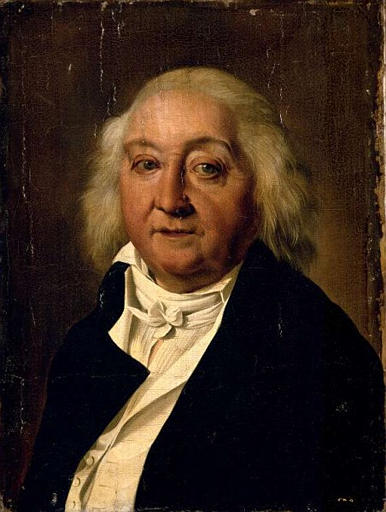
Monsieur Hubert: A Portrait of Parisian Elegance
Louis Léopold Boilly’s “Monsieur Hubert” stands as a quintessential example of Neoclassical portraiture, capturing the spirit of French society during the reign of Louis XVI and embodying an enduring fascination with idealized beauty and psychological depth. Painted in 1800-1825, this artwork transcends mere likeness; it's a meticulously crafted tableau that speaks volumes about its era and captivates viewers with subtle nuances of emotion and artistic mastery. ## The Portrait of Monsieur Hubert: A Window into Parisian Elegance The centerpiece of the composition is a portrait of Louis Léopold Boilly’s “Monsieur Hubert,” depicting an older gentleman dressed in formal attire—a testament to the refined tastes of 18th-century French society under Louis XVI. Boilly, renowned for his meticulous realism and ability to capture character, skillfully portrays his subject with subtle shading and delicate brushstrokes, reflecting the influence of Neoclassical painting principles. The artwork’s muted color palette—primarily whites, grays, and beige accented by touches of pink—creates a serene atmosphere that complements its timeless elegance. ## A Portrait Steeped in Parisian Society The painting depicts Monsieur Hubert, a gentleman of considerable standing within the French bourgeoisie during Louis XVI's reign and continuing into Napoleon III’s era. Boilly meticulously captured his likeness, prioritizing realism and conveying an impression of character—a hallmark of Neoclassical portraiture. The artwork exemplifies the artistic sensibilities of its time, reflecting a fascination with formal elegance and psychological depth. ## Subject Matter & Composition Monsieur Hubert is presented as a bust-length portrait against a dark brown background – a deliberate choice that maximizes visual impact and directs attention to the subject’s face. Boilly skillfully captures the sitter's gaze, conveying confidence and introspection. The pose is subtly angled to his right, adding dynamism without disrupting the overall stillness of the composition. This technique reflects the stylistic conventions of Neoclassical portraiture, prioritizing realism and psychological depth. ## A Window into Parisian Society: Monsieur Hubert Louis Léopold Boilly’s “Monsieur Hubert” (1800/1825) stands as a quintessential emblem of French artistic achievement during the Napoleonic era—a period marked by burgeoning bourgeois society and an unwavering fascination with portraiture. More than just a likeness, this painting delves into the complexities of human character, capturing not merely appearance but also subtle expressions that convey dignity and introspection. Commissioned by Mme Charles Napoléon Arnault in 1800-1825 during Louis XVI’s reign, Monsieur Hubert embodies the spirit of the École française—a movement prioritizing realism and psychological depth within portraiture. ## The Portrait's Essence: Capturing Dignity and Lineage Louis Léopold Boilly’s “Monsieur Hubert” isn’t merely a likeness; it’s an astute observation of human character rendered with meticulous detail. Executed in 1800-1825 during the Napoleonic era, this painting exemplifies the École de Fontainebleau style—characterized by refined elegance and a focus on capturing psychological nuance alongside realistic representation. It portrays Monsieur Hubert, a gentleman of considerable social standing, seated formally against a dark backdrop that amplifies the figure’s presence. ## Composition & Technique: A Masterclass in Realism Boilly's meticulous approach to painting is immediately apparent. He employs oil paints on canvas with painstaking detail—a technique favored during the Neoclassical period—resulting in a surface texture that captures subtle nuances of light and shadow. The artist’s brushstrokes are blended seamlessly, creating an illusion of depth and contributing to the overall impression of realism. Notice how Boilly skillfully renders the folds of Hubert's jacket and the delicate contours of his face – meticulous attention to detail is characteristic of Neoclassical portraiture. ## Monsieur Hubert: A Window into Parisian Society Louis Léopold Boilly’s “Monsieur Hubert” stands as a quintessential emblem of French artistic achievement during the early Romantic era, specifically between 1800 and 1825. Painted shortly after Napoleon's reign concluded, this portrait encapsulates the spirit of bourgeois society—refined taste, intellectual curiosity, and an appreciation for elegance—values deeply rooted in Parisian culture at that time. The artwork’s provenance traces back to a generous bequest from Mme Charles Napoléon Arnault in 1904, solidifying its place within the Louvre's esteemed collection and ensuring its enduring legacy as a masterpiece of French Romanticism.A Window into Victorian Society
“Monsieur Hubert,” painted by Louis Léopold Boilly between 1800 and 1825 during the reign of Napoleon III, offers a glimpse into the opulent social landscape of Paris at the turn of the century. It captures a portrait of a gentleman—likely a member of the bourgeoisie—dressed in formal attire against a dark background, reflecting the refined tastes and conventions of the era. Boilly’s meticulous attention to detail exemplifies the Neoclassical style prevalent during Louis XVI and Napoleon III reigns, prioritizing realism and capturing individual likenesses with precision. ## The Artist's Vision: Louis Léopold Boilly (1761-1845) Louis Léopold Boilly stands as a pivotal figure in French Romanticism’s formative years, marking the transition from aristocratic grandeur to burgeoning bourgeois sensibilities. Born in La Bassée, Nord, he defied convention by largely self-educating himself—a rare feat for his time—and establishing a distinctive artistic path rooted in meticulous observation and masterful execution. Unlike many of his contemporaries who embraced grand Romantic ideals, Boilly focused on capturing the nuances of everyday life within Parisian society during the reign of Louis XVI and Napoleon III, cementing his legacy as one of the foremost portraitists of his era. ## Monsieur Hubert: A Window into Bourgeois Dignity Louis Léopold Boilly’s “Monsieur Hubert,” completed in 1805, stands as a quintessential example of Neoclassical portraiture—a genre that sought to recapture the grandeur and moral seriousness of antiquity while reflecting the values of the Enlightenment. The painting depicts an elderly gentleman, identified only by his first name, gazing directly at the viewer with unwavering composure. This gaze is central to understanding Boilly’s intention: he wasn't merely capturing a likeness; he was conveying dignity and inner strength—qualities considered paramount in aristocratic society during the Napoleonic era. ## The Portrait of Monsieur Hubert: A Window into Parisian Society Louis Léopold Boilly’s “Monsieur Hubert” stands as an exemplary illustration of Neoclassical portraiture, encapsulating the spirit of its time – a period marked by refined taste and meticulous observation within the burgeoning bourgeois class of Paris. Painted circa 1800-1825, this artwork transcends mere likeness; it's a window into the social milieu and artistic sensibilities of Napoleon III’s reign.A Portrait Steeped in Parisian Elegance
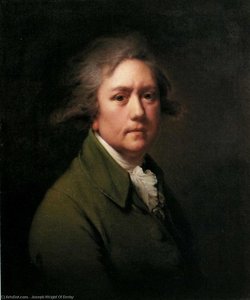
The subject is Monsieur Hubert, a gentleman whose aristocratic lineage—descendants of the influential Arnault family—is subtly alluded to through familial connections depicted within the composition. Boilly meticulously captures his dignified posture and gaze, reflecting the prevailing ideals of portraiture during the Romantic era. The artist’s masterful use of oil paint on canvas achieves remarkable realism and luminosity, mirroring the artistic trends of the time. ## A Window into Parisian Society: Monsieur Hubert Louis Léopold Boilly's "Monsieur Hubert," painted circa 1800-1825 during Louis XVI’s reign and continuing into Napoleon III’s era, offers a captivating glimpse into the refined social circles of Paris at the turn of the century. This portrait transcends mere likeness; it embodies the spirit of Neoclassical elegance and meticulous observation—a hallmark of Boilly's artistic vision. ## Subject Matter & Context: A Snapshot of Parisian Society Monsieur Hubert, painted in 1800-1825 during Louis XVIII’s reign, depicts a gentleman of considerable standing – Cousin des Le Duc – reflecting the refined tastes and social dynamics prevalent in Paris at the time. Boilly skillfully captures not just physical likeness but also an aura of aristocratic composure, embodying the ideals of Enlightenment rationality and artistic patronage characteristic of the era. The painting's muted palette—dominated by creams, browns, and subtle pinks—creates a harmonious atmosphere that invites contemplation. ## Composition and Technique: A Masterclass in Realism Louis Léopold Boilly’s “Monsieur Hubert” exemplifies Neoclassical portraiture at its finest, prioritizing meticulous detail and capturing the sitter's likeness with remarkable accuracy. Boilly employed oil paints on canvas—a technique favored during his time—allowing for subtle gradations of color and tonal variation. The artist skillfully blended brushstrokes to achieve a smooth surface finish, emphasizing realism while maintaining an elegant aesthetic. ## Subject Matter and Context: Monsieur Hubert – A Portrait of Parisian Society Louis Léopold Boilly’s “Monsieur Hubert” captures a quintessential moment in French aristocratic life during the Napoleonic era (circa 1800-1825). Painted shortly after Napoleon's ascension to power, this portrait exemplifies the École de peinture réaliste—a movement that championed truthful representation of everyday subjects and individuals. The sitter is identified as Hubert Lefèvre, a prominent figure in Parisian society, reflecting the artistic preoccupation with documenting the lives of influential men during the Napoleonic era. Boilly skillfully captured Lefèvre's dignified countenance and subtle expressions, conveying an aura of intelligence and composure—traits valued within the aristocratic circles of his time.Похожие произведения
Биография художника
Луи Леопольд Боилль: Жизнь в портрете и парижском обществе
- Родился: 5 июля 1761 г., Ла-Бассе, Франция
- Умер: 4 января 1845 г., Париж, Франция
Ранние годы и становление мастера
- Творческий путь Боилля начался необычайно рано; он создавал свои первые произведения уже в двенадцатилетнем возрасте. Будучи во многом самоучкой, на начальном этапе он постигал искусство обманки — trompe-l’oeil — под руководством Доминика Донкра.
- Его выдающийся талант был замечен августинцами Дуэ в 1тя74 году, что привело к приглашению от епископа Арраса. Этот период стал временем невероятной продуктивности, когда художник создал более трехсот миниатюрных портретов.
- Его ранние работы часто были посвящены любовным и нравоучительным сюжетам, в которых уже тогда проявлялось мастерское умение улавливать сходство и передавать мельчайшие детали.
Художественный стиль и ключевые шедевры
- Стиль: Творчество Боилля отличается поразительной тщательностью деталей, выверенной колористикой и глубоким вниманием к повседневной жизни французского среднего класса. Он виртуозно соединял классический портрет с жанровыми сценами.
- Эволюция: После 1794 года его композиции стали более многолюдными, отражая кипучую социальную жизнь Парижа. Его портреты снискали всеобщее признание; за свою долгую карьеру он написал более 5000 полотен.
- Знаковые произведения:
- Подношение ухажера – ранняя работа, демонстрирующая романтические темы и филигранную точность исполнения.
- Триумф Марата – патриотическое полотно, созданное в стремлении избежать осуждения в суровые времена якобинского террора.
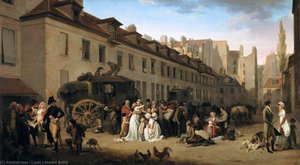
- Прибытие почтовой кареты во двор компании Messageries – живое и динамичное воплощение парижской повседневности и транспортной культуры того времени.
- Оптические иллюзии: Боилля страстно увлекала оптика, что нашло отражение в таких работах, как *Un Trompe-l'œil*. Именно эта техника позволила ему создавать невероятно реалистичные образы, имитирующие трехмерные объекты и заставляющие зрителя сомневаться в реальности увиденного.
Признание и наследие
- Успех на Салоне: В 1804 году Боилль был удостоен медали Парижского Салона, что окончательно закрепило за ним статус выдающегося мастера.
- Семейная преемственность: Его сын, Альфонс Боилль, также нашел свое призвание, став профессиональным гравером и обучаясь искусству в Нью-Йорке у Ашера Брауна Дюрана.
- Историческая значимость: Творчество Боилля служит бесценным источником знаний о социальных обычаях, моде и быте французского мещанства в эпоху великих политических потрясений. Он навсегда остался в истории как один из самых прославленных портретистов и мастеров жанровой живописи Франции.
Музейные коллекции
- Музей изящных искусств, Лилль: В его собрании находится полотно Триумф Марата и другие важные работы художника.
- Лувр: Представляет избранные шедевры из обширного творческого наследия Боилля.
- Национальная галерея искусств (Вашингтон, округ Колумбия): Хранит несколько значимых картин, включая *Автопортрет*, *Любители живописи* и *Публика в Салоне Лувра при просмотре картины «Венчание»*.
- Музей Гетти: Располагает коллекцией произведений Боилля.
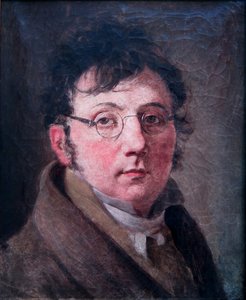
Луи Леопольд Боилли
1761 - 1845 , Франция
Основные сведения
- Artistic Movement Or Style: Жанровая живопись, Портрет
- Artists Who Influenced This Artist:
- Габриэль Метсю
- Виллем ван Мирис
- Герард тер Борх
- Date Of Birth: 5 июля 1761 г.
- Date Of Death: 4 января 1845 г.
- Full Name: Луи Леопольд Боилли
- Nationality: Француз
- Notable Artworks:
- Подарок поклонника
- Триумф Марата
- Прибытие почтовой кареты
- Place Of Birth: Ла-Бассе, Франция
Похожие статьи
Топ-10 шедевров в серых тонах: искусство, история и декор от ArtsDot
Погрузитесь в мир искусства с 10 величайшими картинами в серых тонах! Узнайте истории Ван Гога, Мунка и других гениев. Репродукции картин высокого качества для вашего интерьера от ArtsDot.com – вдохновение и стиль в каждом мазке.

Белые шедевры: 10 знаменитых картин, покоривших мир (репродукции, декор)
Откройте для себя 10 знаменитых картин, где белый цвет – главный герой! Моне, Дега и другие мастера. История искусства, техники живописи и вдохновение для вашего интерьера. Репродукции высокого качества на ArtsDot.com
Anne-Louis Girodet: Bridging Neoclassicism & Romanticism with Emotional Truth
Explore the captivating world of Anne-Louis Girodet, a pivotal figure bridging Neoclassicism & Romanticism. Discover his masterpieces and unique artistic vision with ArtsDot.
Топ-10 знаменитых картин в серых тонах: искусство света и тени | ArtsDot
Погрузитесь в мир изысканного серого! Топ-10 знаменитых картин Моне, Ренуара и других великих художников. Узнайте историю создания шедевров импрессионизма и найдите идеальную репродукцию для вашего интерьера на ArtsDot.com
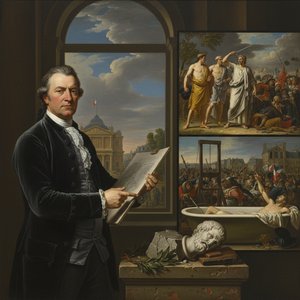
Jacques-Louis David: Neoclassical Ideals & Revolutionary Witness
Explore the life & art of Jacques-Louis David, leading Neoclassical painter of the French Revolution. Discover iconic works like 'The Death of Marat' and his lasting impact on art history. Expert analysis & high-quality reproductions at ArtsDot.