

 Предпросмотр
 Поделиться
 Поделиться
 Детали произведения

 Скачать
 Похожие работы
 Рентгенография
 Слайд-шоу
 Статистика
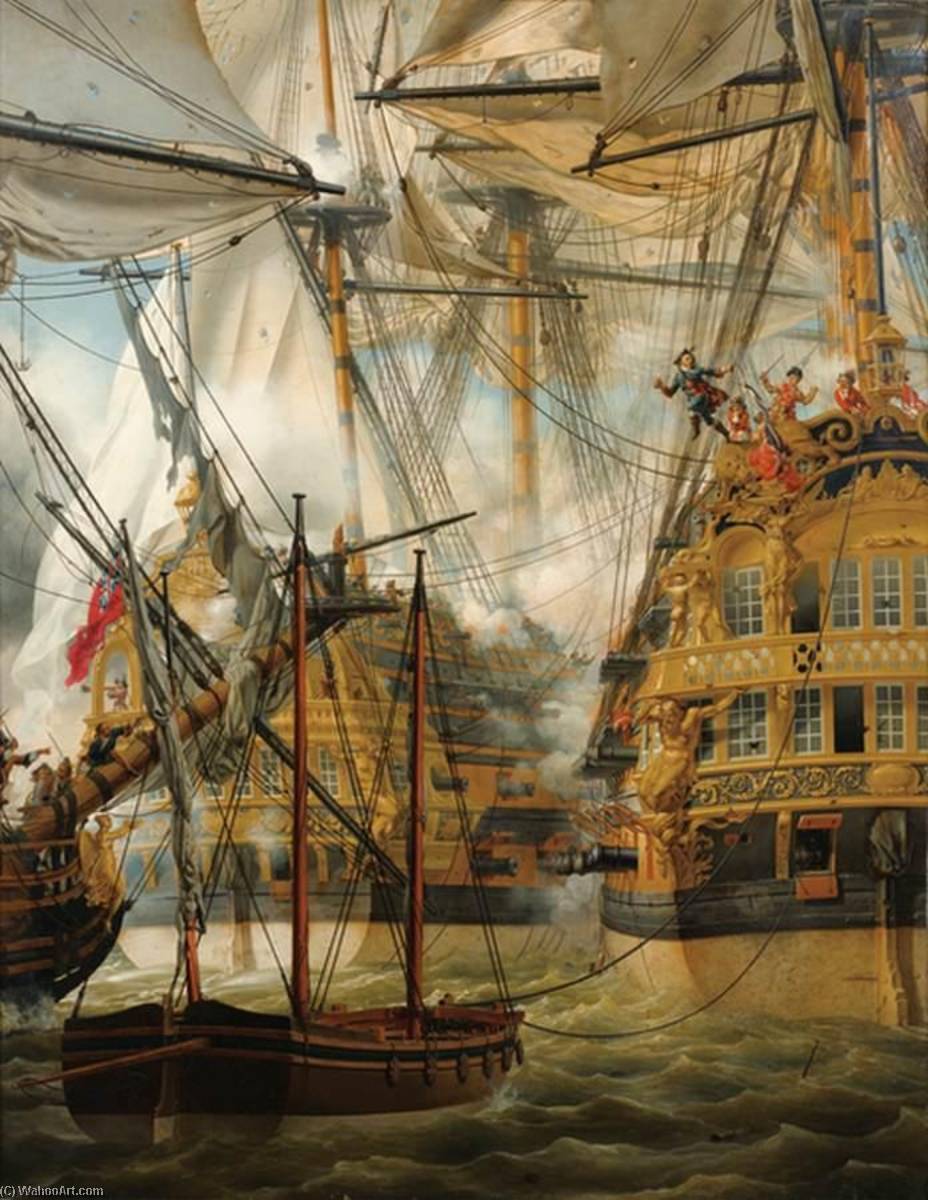
The Fight between the Lys and the Gloire against the Cumberland
 1827
1827 147.0 x 114.0 cm
 Читать далее
Приобретите цифровое изображение высокого разрешения в улучшенном качестве, которое значительно превосходит онлайн-превью.
Каждый файл тщательно подготавливается нашими специалистами с использованием передовых инструментов и экспертной ручной ретуши. Мы гарантируем исключительную четкость, точную цветопередачу и детальную проработку каждого изображения.
Финальный файл доставляется по электронной почте в течение 72 часов и оптимизирован для немедленного использования в профессиональной среде, при верстке и печати. Это тот же уровень качества, которому доверяют ведущие дизайнерские студии, издательства и галереи.
Цифровое изображение
Скачайте файл высокого разрешения для личного использования, печати и творческих проектов. ( Перейти к печати Купить картину ручной работы)
Включено в каждый заказ цифровых изображений
Гарантия экспертной цифровой доставки
Выбирая ArtsDot.com, вы получаете не просто изображение — вы приобретаете профессионально обработанное цифровое произведение искусства, созданное с безупречной точностью и под защитой гарантии качества. Вот всё, что автоматически входит в ваш заказ:

Мгновенная доставка по e-mail
Ваш цифровой файл в высоком разрешении будет отправлен вам по электронной почте в течение 72 часов после оформления заказа — и сразу станет доступен для использования.

Цифровой файл с ИИ-улучшением
Ваше произведение искусства проходит профессиональную оптимизацию с использованием передовых инструментов ИИ и ручной обработки, что гарантирует максимальную детализацию, четкость и точность цветопередачи.

Бессрочная бесплатная повторная доставка
Случайно удалили или потеряли файл? Не беспокойтесь — мы отправим его вам повторно в любое время и совершенно бесплатно.

Без импортных пошлин — навсегда
Наслаждайтесь вашим произведением искусства мгновенно без таможенных пошлин, сборов или затрат на доставку — цифровые загрузки всегда не облагаются налогом.

Гарантия точности цветопередачи
Мы гарантируем, что ваше цифровое изображение максимально точно передает оригинальные цвета благодаря использованию профессиональных инструментов и систем управления цветом.

Гарантия удовлетворенности 100 дней
Если вы не будете удовлетворены своим цифровым изображением, мы внесем правки или вернем 100% стоимости в течение 100 дней — без лишних вопросов.

100% Гарантия возврата средств
Не удовлетворены покупкой? Получите полный возврат средств в течение 100 дней после получения цифрового файла — без лишних вопросов.

Скидки на оптовые заказы
Купите 3 изображения, сэкономьте 10% — Купите 5, сэкономьте 15% — Купите 10+, сэкономьте 20%. Отличное решение для творческих проектов, галерей и агентств.
Похожие произведения








Биография художника
Louis-Philippe Crépin: A Master of the Turbulent Sea
Louis-Philippe Crépin (1772 – 1851) stands as a pivotal figure in French marine painting, a period marked by both romantic fervor and burgeoning scientific observation. More than simply depicting ships at sea, Crépin’s canvases capture the raw power of nature, the drama of naval battles, and the psychological intensity of human experience confronting the elements. His legacy rests not only on his technical skill – meticulously rendered details combined with dynamic compositions – but also on his role as one of the first officially recognized “Peintres de la Marine,” a distinction that cemented his place within the French artistic establishment.
Born in Paris, Crépin’s early life was far removed from the world of maritime art. He began his career as a sailor, gaining invaluable experience as a helmsman and gabier – a crucial role responsible for managing the ship's sails. This practical knowledge, combined with a nascent artistic talent nurtured under the tutelage of renowned landscape painter Hubert Robert and marine artist Joseph Vernet, provided him with a unique perspective. Robert’s influence is particularly evident in Crépin’s early works, characterized by a meticulous attention to detail and a fascination with light and shadow; Vernet instilled within him an understanding of capturing the essence of the sea – its moods, textures, and relentless energy.
The Rise as a Peintre de la Marine
The appointment of Crépin as one of France’s first “Peintres de la Marine” in 1830 marked a significant turning point. This official recognition, bestowed by the Minister of the Navy and Colonies, Laurent de Gouvion Saint-Cyr, provided him with unprecedented access to naval subjects and commissions. However, this position was not without its complexities. The role of “painter to the Admiral” had already been awarded to Louis Garneray, leading to a somewhat diminished status for Crépin within the official hierarchy. Despite this setback, he persevered, securing numerous contracts to depict significant naval engagements and historical events related to France’s maritime past.
Crucially, Crépin's work during this period was deeply intertwined with the political climate of Restoration France. His paintings served as powerful propaganda tools, glorifying the Bourbon monarchy and celebrating French naval victories. The most famous example is undoubtedly “Combat de la frégate française La Bayonnaise contre la frégate anglaise l’Embuscade 14 décembre 1798,” commissioned by Napoleon himself for display at the Tuileries Palace. This dramatic depiction of a fierce naval battle, replete with billowing sails and cannon fire, became an enduring symbol of French military prowess. Later, after the restoration of Louis XVIII, the painting was moved to Versailles, further solidifying its association with the restored monarchy.
A Palette of Storms: Style and Technique
Crépin’s artistic style is characterized by a dramatic Romanticism, infused with a keen sense of realism. He eschewed idealized depictions of naval life in favor of portraying the brutal realities of combat – the splintering wood, the chaos of battle, and the vulnerability of sailors facing the unforgiving sea. His compositions are often dynamic and asymmetrical, creating a powerful sense of movement and tension. He masterfully employed chiaroscuro—the dramatic contrast between light and dark—to heighten the emotional impact of his scenes, emphasizing the drama of the moment.
His technique was equally impressive. Crépin meticulously rendered every detail – from the intricate rigging of a ship to the expressions on the faces of the sailors – demonstrating an extraordinary level of observation and skill. He frequently worked en plein air (outdoors), allowing him to directly capture the changing light and atmosphere of the sea. This commitment to realism, combined with his expressive brushwork, resulted in paintings that are both visually stunning and emotionally resonant.
Notable Works and Legacy
Beyond “Combat de la frégate française La Bayonnaise contre la frégate anglaise l’Embuscade 14 décembre 1798,” Crépin produced a substantial body of work, including "Le Havre vu de la mer," a captivating depiction of the port city bathed in atmospheric light; “Le Chien du naufrage” – a haunting image of a shipwrecked sailor clinging to a piece of driftwood; and numerous other scenes depicting naval battles, coastal landscapes, and maritime life. His paintings are now housed in prestigious collections such as the Musée National de la Marine in Paris and the Palace of Versailles.
Louis-Philippe Crépin’s contribution to French art is significant not only for his technical skill but also for his role in establishing marine painting as a legitimate genre within the official artistic establishment. He remains an important figure in the history of 19th-century French art, a testament to the power of observation, dramatic composition, and the enduring allure of the sea.
louis philippe crepin
1772 - 1851
Основные сведения
- Artistic Movement Or Style: Marine painting
- Artists Who Influenced This Artist: ['Joseph Vernet, Hubert Robert],\n "Artists or movements influenced by this artist": ["Romanticism"]\n}']
- Date Of Birth: 1772
- Date Of Death: 1851
- Full Name: Louis-Philippe Crépin
- Nationality: French
- Notable Artworks:
- Combat Naval Devant Boulogne
- Le Havre vu de la mer
- Le Chien du naufrage
- Place Of Birth: Paris, France