

 Предпросмотр
 Поделиться
 Поделиться
 Детали произведения

 Скачать
 Похожие работы
 Рентгенография
 Слайд-шоу
 Статистика
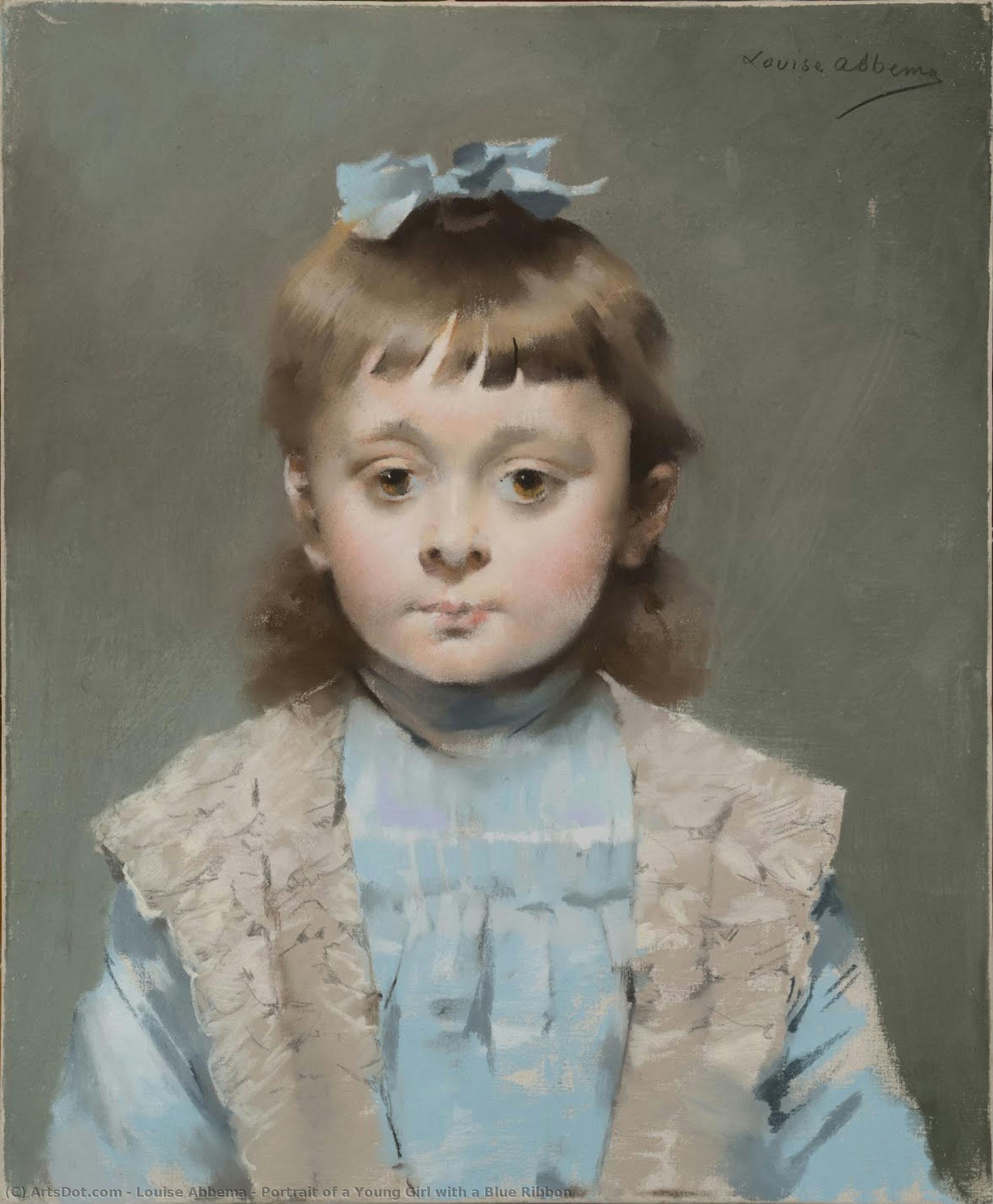
Portrait of a Young Girl with a Blue Ribbon


 Читать далее
Приобретите цифровое изображение высокого разрешения в улучшенном качестве, которое значительно превосходит онлайн-превью.
Каждый файл тщательно подготавливается нашими специалистами с использованием передовых инструментов и экспертной ручной ретуши. Мы гарантируем исключительную четкость, точную цветопередачу и детальную проработку каждого изображения.
Финальный файл доставляется по электронной почте в течение 72 часов и оптимизирован для немедленного использования в профессиональной среде, при верстке и печати. Это тот же уровень качества, которому доверяют ведущие дизайнерские студии, издательства и галереи.
Цифровое изображение
Скачайте файл высокого разрешения для личного использования, печати и творческих проектов. ( Перейти к печати Купить картину ручной работы)
Включено в каждый заказ цифровых изображений
Гарантия экспертной цифровой доставки
Выбирая ArtsDot.com, вы получаете не просто изображение — вы приобретаете профессионально обработанное цифровое произведение искусства, созданное с безупречной точностью и под защитой гарантии качества. Вот всё, что автоматически входит в ваш заказ:

Мгновенная доставка по e-mail
Ваш цифровой файл в высоком разрешении будет отправлен вам по электронной почте в течение 72 часов после оформления заказа — и сразу станет доступен для использования.

Цифровой файл с ИИ-улучшением
Ваше произведение искусства проходит профессиональную оптимизацию с использованием передовых инструментов ИИ и ручной обработки, что гарантирует максимальную детализацию, четкость и точность цветопередачи.

Бессрочная бесплатная повторная доставка
Случайно удалили или потеряли файл? Не беспокойтесь — мы отправим его вам повторно в любое время и совершенно бесплатно.

Без импортных пошлин — навсегда
Наслаждайтесь вашим произведением искусства мгновенно без таможенных пошлин, сборов или затрат на доставку — цифровые загрузки всегда не облагаются налогом.

Гарантия точности цветопередачи
Мы гарантируем, что ваше цифровое изображение максимально точно передает оригинальные цвета благодаря использованию профессиональных инструментов и систем управления цветом.

Гарантия удовлетворенности 100 дней
Если вы не будете удовлетворены своим цифровым изображением, мы внесем правки или вернем 100% стоимости в течение 100 дней — без лишних вопросов.

100% Гарантия возврата средств
Не удовлетворены покупкой? Получите полный возврат средств в течение 100 дней после получения цифрового файла — без лишних вопросов.

Скидки на оптовые заказы
Купите 3 изображения, сэкономьте 10% — Купите 5, сэкономьте 15% — Купите 10+, сэкономьте 20%. Отличное решение для творческих проектов, галерей и агентств.
Portrait of a Young Girl with a Blue Ribbon – An Impressionistic Reflection on Innocence
Louise Abbéma’s *Portrait of a Young Girl with a Blue Ribbon* stands as a testament to the Belle Époque's fascination with capturing fleeting moments and conveying subtle emotions through masterful technique. Painted in 1896, this pastel masterpiece resides within the National Museum of Women in the Arts collection in Washington D.C., offering viewers an intimate glimpse into Abbéma’s artistic vision during a period marked by unprecedented social and cultural dynamism.- Subject Matter: The artwork depicts a young girl—likely from a respectable Parisian family—seated gracefully, her gaze directed slightly upwards, embodying a serene composure that speaks volumes about the sitter's character.
- Style & Technique: Abbéma’s approach aligns squarely with Impressionism, prioritizing atmospheric light and capturing the immediacy of observation rather than striving for photographic realism. The pastel medium lends itself beautifully to achieving soft tonal gradations and luminous effects—a hallmark of Impressionist painters like Monet and Renoir.
- Composition & Color Palette: The painting employs a symmetrical composition, centering the girl’s head and shoulders within the frame, minimizing distractions and emphasizing her presence. Abbéma utilizes a muted palette dominated by blues – ranging from pale cerulean to deeper indigo – complemented by creamy whites and earthy browns. These colors evoke tranquility and subtly convey a sense of understated elegance.
- Brushwork & Texture: Abbéma’s brushstrokes are delicate yet purposeful, blending seamlessly to create a velvety surface texture that enhances the overall impression of softness and luminosity. The artist skillfully employs impasto—thickly applied paint—primarily in areas like the dress fabric—adding tactile depth and reinforcing the visual richness of the artwork.
- Symbolism & Emotional Impact: The prominent blue ribbon adorning the girl’s hair serves as a potent symbol of innocence, purity, or perhaps recognition for an accomplishment – aligning with the broader artistic preoccupation of portraying idealized femininity during the Belle Époque. Abbéma's portrait invites contemplation on themes of childhood beauty and quiet dignity, capturing a moment frozen in time—a poignant reminder of a bygone era.
Historical Context: The Belle Époque and Artistic Innovation
The late 19th century witnessed an explosion of artistic creativity fueled by advancements in science, technology, and social reform. Impressionism emerged as a revolutionary movement challenging academic conventions and prioritizing subjective experience over objective representation. Louise Abbéma’s work reflects this spirit of innovation—embracing new mediums and techniques to express profound emotional truths. Her collaboration with Sarah Bernhardt exemplifies the era's interest in portraying iconic figures with sensitivity and nuance, cementing Abbéma’s legacy as a pioneer of modern portraiture.Detailed Examination: Impressionistic Techniques Employed
Abbéma’s masterful execution demonstrates her command of pastel painting—a medium favored by artists seeking to achieve luminous color transitions and subtle tonal variations. The artist meticulously builds up layers of pigment, blending colors with delicate strokes to create a harmonious visual tapestry. Notice how Abbéma utilizes glazing techniques—applying thin translucent washes over underlying layers—to deepen the hues and enhance the overall depth of field. Furthermore, she skillfully manipulates light and shadow—creating soft gradations that define the girl’s facial features without resorting to harsh outlines—a hallmark of Impressionist aesthetics.A Legacy of Elegance: Abbéma's Artistic Influence
Louise Abbéma’s *Portrait of a Young Girl with a Blue Ribbon* continues to resonate with audiences today—inspiring admiration for its understated beauty and conveying a timeless message about the importance of capturing fleeting moments of grace and serenity. Her work stands as an enduring symbol of Impressionistic idealism—a celebration of feminine dignity and artistic innovation that cemented her place among the most influential painters of her time.Похожие произведения

Биография художника
Louise Abbéma: A Pioneer of Impressionism and Portraiture
Louise Abbéma (1853 – 1927) remains a captivating enigma within the annals of French art history—a woman artist who defied societal expectations while achieving remarkable artistic success during the Belle Époque. Born into a privileged Parisian family steeped in artistic tradition, her lineage traced back to Louise Contat, the celebrated actress of Théâtre-Français, and Louis de Narbonne, Minister of War under Louis XVI – connections that undoubtedly nurtured her innate fascination with beauty and creative expression. From a young age, Abbéma demonstrated prodigious talent, embarking on her artistic journey under the tutelage of masters like Charles Joshua Chaplin, Jean-Jacques Henner, and Carolus-Duran, absorbing their techniques and philosophies before forging her own distinctive path.Early Influences and Artistic Training
Her formative years were marked by rigorous academic instruction—a cornerstone of artistic education at the time—yet Abbéma’s spirit refused to be confined by convention. She diligently honed her skills with Chaplin, Henner, and Duran, absorbing their mastery of classical composition and anatomical accuracy. However, it was a serendipitous encounter with Sarah Bernhardt that irrevocably altered the trajectory of her career. Their friendship blossomed into an intense artistic collaboration—and perhaps something deeper—resulting in Abbéma’s unforgettable portrait of Bernhardt, unveiled at the Paris Salon of 1876. This painting wasn't merely a likeness; it captured Bernhardt’s mesmerizing stage presence and enigmatic allure with breathtaking sensitivity, establishing Abbéma as a rising star within Parisian artistic circles and securing her place among the luminaries of Belle Époque society.The Impressionistic Breakthrough: Capturing Fleeting Moments
Abbéma skillfully blended classical training with emerging Impressionistic sensibilities—a daring fusion that distinguished her work from its contemporaries. While retaining meticulous detail, she infused it with a lightness and vibrancy achieved through rapid brushstrokes and an astute observation of light’s transformative effects. Like many artists of her era, Abbéma embraced the tenets of Impressionism, rejecting academic constraints in favor of capturing the ephemeral beauty of nature and human emotion. Her canvases pulsed with color—particularly floral hues—reflecting her profound appreciation for botanical art and her ability to convey mood and atmosphere with remarkable precision. She experimented with various mediums – oil paints, pastel, watercolor – demonstrating versatility and adaptability that characterized her artistic approach.Notable Achievements and Artistic Legacy
Abbéma’s prolific output encompassed a diverse range of projects—from monumental murals adorning town halls and the Palace of Dakar in Senegal to intimate portraits capturing the essence of prominent figures—solidifying her reputation as one of France's most accomplished artists. Her participation in the Women’s Building at the 1893 World Columbian Exposition in Chicago cemented her international acclaim, showcasing her talent on a global stage alongside fellow female innovators. Exhibiting consistently at the Salon until 1926—a testament to her unwavering dedication—Abbéma continued to refine her craft and explore new artistic horizons. Her enduring legacy resides not only in her stunning artworks but also in her pioneering role as a woman artist challenging societal norms and asserting her creative voice during a period of profound social transformation. Abbéma’s portraits, imbued with psychological insight and stylistic elegance, continue to inspire admiration and scholarly study—a testament to the power of art to transcend time and illuminate the complexities of human experience.A Portrait Artist Like No Other
Among Abbéma's most celebrated works are *The Seasons*, *April Morning, Place de la Concorde*, *Among the Flowers*, *Winter*, and portraits of actress Jeanne Samary, Emperor Dom Pedro II of Brazil, Ferdinand de Lesseps, and Charles Garnier—each piece reflecting her masterful command of technique and her unwavering commitment to capturing the beauty of both subject and setting. Her canvases are characterized by a delicate balance between meticulous observation and expressive brushwork—a hallmark of Impressionism that distinguishes her oeuvre from more rigid artistic styles. Abbéma’s exploration of floral painting—particularly her depictions of lilies—became synonymous with her artistic identity, symbolizing purity, grace, and the transformative power of nature. Her work stands as an enduring reminder of a woman artist who dared to forge her own path amidst societal constraints—a beacon of creativity and resilience within the vibrant tapestry of Belle Époque art history.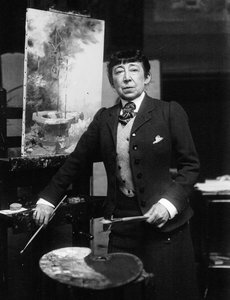
Луиза Авбэма
1853 - 1927 , Франция
Основные сведения
- Artistic Movement Or Style: Бэль Эпок, Импрессионизм
- Artists Or Movements Influenced By This Artist: ['Эдуард Мане']
- Artists Who Influenced This Artist:
- Чарльз Юджин Чэплин
- Жан-Жак Генне
- Карлос Дюран
- Date Of Birth: 1853
- Date Of Death: 1927
- Full Name: Louise Abbéma
- Nationality: Французская
- Notable Artworks:
- Портрет М. Б.
- Бланш Баррерта
- Ляд Кота Верджи
- Place Of Birth: Étampes, Франция