


 Предпросмотр
 Поделиться
 Поделиться
 Детали произведения

 Скачать
 Похожие работы
 Рентгенография
 Слайд-шоу
 Статистика
Portrait of Geneviève Le Couteulx du Molay


 Читать далее
Приобретите цифровое изображение высокого разрешения в улучшенном качестве, которое значительно превосходит онлайн-превью.
Каждый файл тщательно подготавливается нашими специалистами с использованием передовых инструментов и экспертной ручной ретуши. Мы гарантируем исключительную четкость, точную цветопередачу и детальную проработку каждого изображения.
Финальный файл доставляется по электронной почте в течение 72 часов и оптимизирован для немедленного использования в профессиональной среде, при верстке и печати. Это тот же уровень качества, которому доверяют ведущие дизайнерские студии, издательства и галереи.
Цифровое изображение
Скачайте файл высокого разрешения для личного использования, печати и творческих проектов. ( Перейти к печати Купить картину ручной работы)
Включено в каждый заказ цифровых изображений
Гарантия экспертной цифровой доставки
Выбирая ArtsDot.com, вы получаете не просто изображение — вы приобретаете профессионально обработанное цифровое произведение искусства, созданное с безупречной точностью и под защитой гарантии качества. Вот всё, что автоматически входит в ваш заказ:

Мгновенная доставка по e-mail
Ваш цифровой файл в высоком разрешении будет отправлен вам по электронной почте в течение 72 часов после оформления заказа — и сразу станет доступен для использования.

Цифровой файл с ИИ-улучшением
Ваше произведение искусства проходит профессиональную оптимизацию с использованием передовых инструментов ИИ и ручной обработки, что гарантирует максимальную детализацию, четкость и точность цветопередачи.

Бессрочная бесплатная повторная доставка
Случайно удалили или потеряли файл? Не беспокойтесь — мы отправим его вам повторно в любое время и совершенно бесплатно.

Без импортных пошлин — навсегда
Наслаждайтесь вашим произведением искусства мгновенно без таможенных пошлин, сборов или затрат на доставку — цифровые загрузки всегда не облагаются налогом.

Гарантия точности цветопередачи
Мы гарантируем, что ваше цифровое изображение максимально точно передает оригинальные цвета благодаря использованию профессиональных инструментов и систем управления цветом.

Гарантия удовлетворенности 100 дней
Если вы не будете удовлетворены своим цифровым изображением, мы внесем правки или вернем 100% стоимости в течение 100 дней — без лишних вопросов.

100% Гарантия возврата средств
Не удовлетворены покупкой? Получите полный возврат средств в течение 100 дней после получения цифрового файла — без лишних вопросов.

Скидки на оптовые заказы
Купите 3 изображения, сэкономьте 10% — Купите 5, сэкономьте 15% — Купите 10+, сэкономьте 20%. Отличное решение для творческих проектов, галерей и агентств.
A Glimpse into the Rococo Heart
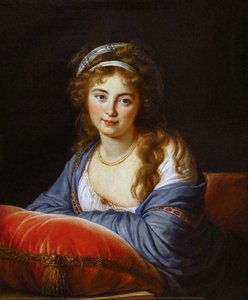
Louise Elisabeth Vigée Le Brun’s “Portrait of Geneviève Le Couteulx du Molay” is more than a simple likeness; it's a meticulously crafted distillation of 18th-century French elegance and aristocratic grace. Painted in 1788, during the height of the Rococo period, the portrait captures not just Geneviève’s physical beauty but also her poised demeanor and subtle air of sophistication. The scene unfolds within a richly appointed interior – a detail meticulously rendered through Vigée Le Brun's masterful use of light and shadow – suggesting a life of comfort and influence. The composition itself is carefully balanced, drawing the eye to Geneviève’s face, where her expression is both serene and subtly knowing, hinting at an inner strength beneath a veneer of refinement.
The Brushstroke and Palette: A Master's Touch
Vigée Le Brun was renowned for her ability to capture the ephemeral quality of light and texture. In this portrait, she employs a delicate layering technique – thin glazes applied over multiple underpaintings – creating an astonishingly luminous surface. The colors are rich and vibrant, dominated by deep reds, blues, and golds, reflecting the opulent tastes of the aristocracy. Note the subtle variations in tone within Geneviève’s gown; these aren't merely decorative but contribute to a sense of volume and movement, as if the fabric is caught in gentle motion. The artist’s attention to detail extends to the rendering of textures – from the velvet of the chair to the sheen of Geneviève’s hair – demonstrating a profound understanding of her subject matter.
A Woman of Her Time: Context and Symbolism
Geneviève Le Couteulx du Molay, often referred to as “Madame Duplessis,” was a prominent figure in Parisian society. She was known for her intelligence, wit, and political influence – she even served as a confidante to the infamous Madame Roland during the French Revolution. The portrait itself is imbued with symbolism. Geneviève’s elaborate dress, adorned with a delicate bow, speaks to her status and fashionable sensibilities. Her pose, seated gracefully yet confidently, embodies the ideals of aristocratic composure. The inclusion of a small table holding a book suggests an appreciation for learning and intellectual pursuits – qualities highly valued in women of her social standing.
Echoes of the Past: Vigée Le Brun’s Legacy
Louise Élisabeth Vigée Le Brun was a pivotal figure in the history of French art. She navigated a male-dominated world with remarkable skill and determination, establishing herself as one of the most celebrated portrait painters of her era. Her work reflects both the elegance of the Rococo style and the emerging Neoclassical influences that were beginning to shape artistic tastes. Her portraits of royalty – particularly Marie Antoinette – remain iconic representations of a bygone age. “Portrait of Geneviève Le Couteulx du Molay” stands as a testament to her talent, offering a captivating glimpse into the world of 18th-century French aristocracy and the enduring legacy of a truly exceptional artist.
Похожие произведения
Биография художника
Louise Élisabeth Vigée Le Brun: A Life Painted in Light and Grace
Louise Élisabeth Vigée Le Brun, a name that echoes through the halls of 18th-century French art, was more than simply a painter; she was a chronicler of an era, a master of capturing not just likeness but also the very essence of her subjects – their spirit, their status, and their fleeting beauty. Born in Paris in 1755, into a family subtly intertwined with the artistic world, her journey from a young girl sketching on schoolbooks to becoming the official portraitist of Marie Antoinette is a testament to talent, resilience, and an uncanny ability to connect with those she depicted. Her life unfolded against the backdrop of dramatic social shifts, culminating in exile and ultimately, enduring recognition as one of France’s most celebrated artists.Early Years and Artistic Foundations
Vigée Le Brun's artistic roots were deeply embedded within her family. Her father, Louis Vigée, was a respected pastel portraitist, a member of the prestigious Académie de Saint-Luc, and instilled in his daughter an early appreciation for art and technique. This familial connection provided a crucial foundation – not just access to materials and instruction, but also a sense of belonging within the artistic community. Her mother, Jeanne Maissin, though not formally trained as an artist, recognized her daughter’s exceptional gift and actively encouraged her talent, providing her with opportunities to study under established masters like Blaise Bocquet, Pierre Davesne, and Gabriel Briard. These early influences shaped her understanding of composition, color theory, and the nuances of capturing light – skills that would later define her distinctive style. Notably, she spent considerable time studying at the royal collections, absorbing the influence of classical sculpture and the elegance of Neoclassical painting.Royal Patronage and Artistic Flourishing
The pivotal moment in Vigée Le Brun’s career arrived with her commission to paint Marie Antoinette in 1778. This wasn't merely a portrait; it was an invitation into the heart of French society, a world of glittering courts and intricate social dynamics. The Queen, initially somewhat hesitant about sitting for a painter, quickly recognized Vigée Le Brun’s ability to portray her with both dignity and approachability – a delicate balance that few artists could achieve. This initial success propelled her onto a path of unparalleled renown. She became the official portraitist to Marie Antoinette, a position she held for nearly two decades, producing over thirty stunning portraits that captured the Queen's grace, intelligence, and evolving moods. Her studio transformed into a vibrant hub for the aristocracy, attracting nobles, actors, and writers eager to immortalize themselves on canvas. Vigée Le Brun’s success stemmed not only from her artistic skill but also from her astute understanding of courtly etiquette and her ability to forge genuine connections with her subjects.A Style Defined by Light, Emotion, and Grace
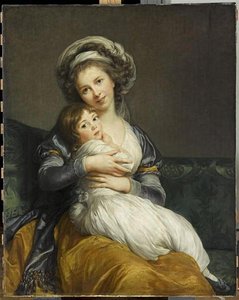
Vigée Le Brun's artistic style was characterized by a remarkable sensitivity to light, color, and the emotional lives of her sitters. She moved away from the stiff formality prevalent in earlier portraiture, favoring more natural poses and expressions that conveyed genuine feeling. Her brushwork was fluid and delicate, creating a sense of softness and luminosity – a hallmark of her distinctive style. She paid meticulous attention to detail, particularly in rendering fabrics, jewelry, and hairstyles, elements that subtly communicated status and refinement. While influenced by the Rococo’s emphasis on pastel shades and decorative flourishes, she skillfully integrated Neoclassical principles of clarity and balance, resulting in portraits that were both fashionable and timeless. Works like *Self-Portrait with Her Daughter, Julie*, reveal her ability to capture intimate moments and convey profound maternal affection. Her portraits weren't simply representations; they were windows into the souls of her subjects.Exile and Enduring Legacy
The French Revolution dramatically altered the course of Vigée Le Brun’s life. As a close associate of the royal family, she faced increasing scrutiny and ultimately fled France in 1789 to avoid persecution. This marked the beginning of a decade-long exile that took her across Europe – to Russia, Italy, England, Switzerland, and beyond. Despite the upheaval, she continued to paint, finding patronage among European aristocrats and establishing herself as an internationally renowned artist. Her travels broadened her artistic horizons, exposing her to diverse styles and techniques, which subtly influenced her later work. Upon returning to France in 1809, she resumed her career, though the political landscape had shifted dramatically. She published her memoirs, *Souvenirs*, offering a fascinating and often poignant account of her life, her art, and the tumultuous events that shaped her world. Vigée Le Brun’s legacy extends far beyond her technical skill; she remains a pioneering figure in the history of women artists, having achieved remarkable success in a field historically dominated by men. Her paintings continue to be celebrated for their beauty, elegance, and historical significance, offering a captivating glimpse into the world of 18th-century France and solidifying her place as one of its most accomplished portraitists. Her ability to capture not just appearances but also the inner lives of her sitters ensures that her work continues to resonate with audiences today.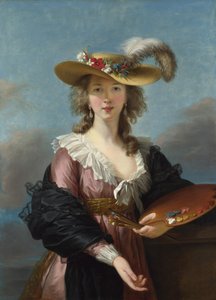
Луиза Элизабет Виге де Ла Брю
1755 - 1842 , Франция
Основные сведения
- Artistic Movement Or Style: Рококо и неоклассицизм
- Artists Or Movements Influenced By This Artist: ['Неоклассицизм']
- Artists Who Influenced This Artist:
- Рубенс
- Ван Дейк
- Date Of Birth: 16 апреля 1755 г.
- Date Of Death: 30 марта 1842 г.
- Full Name: Louise Élisabeth Vigée Le Brun
- Nationality: Французская
- Notable Artworks:
- Портрет Марии Антуанетты
- Селфи с дочерью
- Place Of Birth: Париж, Франция